Ljubljana Travel Guide: Your Perfect Visit to Slovenia’s Green Capital
Discovering Ljubljana feels like stepping into a living storybook, a capital where Baroque architecture and lively café culture meet a deep commitment to green living. Your journey explores a compact, walkable city centered around a winding river, presided over by a hilltop castle with panoramic views. This guide provides detailed planning advice, from navigating the public bike system to tasting authentic Slovenian dishes, ensuring you experience the best of this charming European destination efficiently and authentically.
Essential Information About Slovenia’s Capital
Ljubljana serves as the political, cultural, and economic heart of Slovenia, a nation that gained independence in 1991. The city’s layout and aesthetic owe much to architect Jože Plečnik, whose visionary work in the early 20th century shaped its bridges, embankments, and market areas. His influence created the harmonious blend of classical and modernist styles that defines the cityscape today.
The city operates on a distinctly sustainable model, earning the European Green Capital award in 2016. A largely pedestrianized center, an excellent public transport network, and abundant green spaces make exploration a pleasure. This forward-thinking ethos coexists with rich history visible in its medieval castle, vibrant Prešeren Square, and the Triple Bridge.
Getting Your Bearings – Key Areas
Understanding a few core districts simplifies navigation.
- The Old Town (Stari Trg): The historic heart, featuring cobblestone streets, Prešeren Square, and the Franciscan Church. This is the main hub for sightseeing, dining, and people-watching along the Ljubljanica River.
- Center District: Surrounding the Old Town, this area contains many of Plečnik’s masterpieces, the main shopping streets, and cultural institutions like the National Museum. It’s ideal for longer stays with wider accommodation choices.
- Trnovo and Krakovo: These quieter, residential neighborhoods offer a glimpse into local life with picturesque houses and small gardens. They are perfect for a leisurely stroll away from the central bustle.
- Budget Traveler ($50-75/day): Stay in hostel dorms, enjoy supermarket picnics and street food like burek, walk or cycle everywhere using the BicikeLJ system, and focus on free attractions like exploring the market and castle grounds.
- Mid-Range Traveler ($100-150/day): Book a private room in a guesthouse or a central hotel like Antiq Palace, dine at traditional gostilnas for lunch and dinner, take a guided walking tour, and visit 2-3 paid museums or the castle interior.
- Luxury Traveler ($250+/day): Stay at a top hotel such as the Grand Hotel Union, enjoy fine dining at restaurants like JB or Strelec, hire a private guide for a day, and perhaps take a chauffered day trip to the surrounding wine regions.
- Ljubljana Tourism Official Website
- Slovenian Tourist Board
Climate and What to Expect
Ljubljana experiences a continental climate with four distinct seasons, each offering a different atmosphere. Summers are warm and ideal for outdoor café life, while winters can be cold and sometimes snowy, creating a festive atmosphere around the Christmas markets. Spring and autumn provide mild temperatures and fewer crowds, perfect for comfortable exploration.
Average summer temperatures range from 68°F to 86°F (20°C to 30°C). Winter averages sit between 28°F and 41°F (-2°C and 5°C). Rainfall is distributed fairly evenly throughout the year, so packing a light waterproof layer is always a smart move.
A Brief Cultural Context
Slovenian culture is a proud blend of Central European and Mediterranean influences. The local language is Slovene, but English is widely spoken in tourist areas. Tipping is appreciated but not obligatory; rounding up the bill or leaving 5-10% for good service is customary. The pace of life here is generally relaxed and welcoming to visitors.
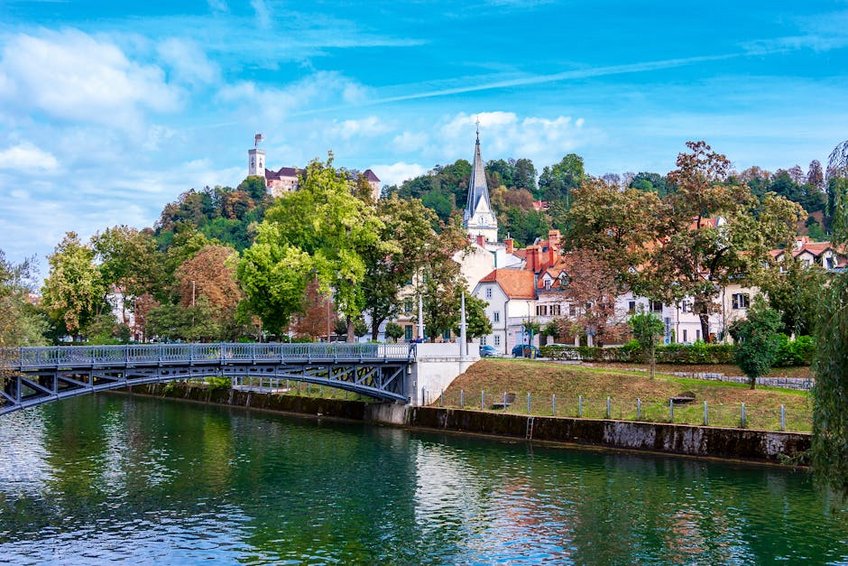
Alt: “ljubljana-castle-hill-view-over-river-and-old-town”
Ljubljana – Planning Your Trip
Crafting the perfect Ljubljana itinerary requires balancing iconic sights with relaxed exploration. The city’s manageable size means you can cover significant ground in a short time without feeling rushed. Prioritize walking tours of the center, a castle visit, and time spent along the riverbanks to soak in the ambiance.
Budgeting for the Slovenian capital is reasonable by Western European standards. Accommodation and dining offer good value, especially compared to nearby capitals like Vienna or Venice. Investing in the Ljubljana Card can provide significant savings on transport and entry fees if you plan to visit several museums.
Consider the city as a hub for day trips to other Slovenian highlights. Excellent train and bus connections make visiting Lake Bled, the Postojna Cave, or the coastal town of Piran straightforward. Allocating a few extra days for these excursions greatly enriches your overall experience of the country.
Best Time to Visit Ljubljana
The peak tourist season runs from June through August, offering the warmest weather and longest days for exploration. However, this period also brings the largest crowds and higher accommodation prices. For a balance of good weather and manageable tourism levels, target the shoulder months of May, September, or early October.
Visiting in December is magical due to the renowned Christmas markets that fill Prešeren Square and the Old Town with festive lights and aromas. Late autumn and winter months see fewer tourists, offering a more local experience, though some outdoor attractions have shorter hours. Spring brings blooming flowers to Tivoli Park and a fresh, lively energy to the streets.
Budget Planning and Costs
Your daily budget in Ljubljana varies significantly based on travel style.
Essential Preparation Checklist
Pack comfortable walking shoes as the city’s charm is best discovered on foot. Bring layers suitable for changeable weather, including a light jacket and an umbrella. A reusable water bottle is useful, as tap water is safe and excellent throughout Slovenia.
Ensure your passport is valid for at least three months beyond your planned departure date. U.S. and EU citizens do not need a visa for stays under 90 days. While not mandatory, travel insurance covering medical emergencies and trip cancellation is highly recommended. Book central accommodations at least two months in advance for summer or Christmas market visits.
Top Attractions and Activities
Ljubljana’s compact nature means its greatest sights are within easy walking distance of each other. Start at Prešeren Square, the vibrant central hub dominated by the pink Franciscan Church. From here, cross the iconic Triple Bridge, a Plečnik masterpiece, to enter the Old Town. This area is a maze of charming streets leading to the Cathedral, the Town Hall, and the Central Market.
Allocate a half-day for Ljubljana Castle, the city’s most recognizable landmark. You can walk up the marked path from the Old Town in about 15-20 minutes, take the funicular railway, or even drive. The castle grounds offer the best panoramic views of the city’s red rooftops against a backdrop of distant Alps. Inside, exhibitions detail the city’s history, and the tower is worth the climb.
Do not miss the Central Market, operating daily along the riverbank between the Triple and Dragon Bridges. It’s a feast for the senses with local produce, honey, and crafts. On Fridays, an open-air food market adds even more variety. This is the perfect place to interact with locals and sample seasonal Slovenian specialties.
Must-See Highlights
Ljubljana Castle is the undisputed focal point. Beyond the view, the castle hosts historical exhibitions, a virtual castle tour, and a prison exhibit. The on-site restaurant, Strelec, offers fine dining with a view. Entry to the courtyard is free; a ticket is required for the viewpoints, tower, and exhibitions (approx. $10-13).
The Dragon Bridge is an iconic symbol of the city, guarded by four impressive zinc dragon statues. According to legend, the dragons will wag their tails if a virgin crosses the bridge. It’s a prime photo spot and a gateway to the Central Market area. Nearby, the Butchers’ Bridge is adorned with love locks, offering another picturesque riverside perspective.
Tivoli Park is the city’s largest green lung, a peaceful retreat just a 15-minute walk from the center. Designed in the early 19th century, it features tree-lined walking paths, manicured gardens, and several cultural venues like the International Centre of Graphic Arts. It’s ideal for a morning jog, a leisurely stroll, or a picnic.
Hidden Gems and Local Favorites
Venture to the Metelkova Mesto district, an autonomous cultural center established in a former military barracks. This area is covered in vibrant street art and hosts alternative art galleries, clubs, and bars. It offers a stark, creative contrast to the Baroque elegance of the Old Town and comes alive at night.
For a quieter experience, visit the Botanical Garden, the oldest cultural, scientific, and educational institution in Slovenia. Founded in 1810, it houses over 4,500 plant species. Entry is very affordable (around $5), and it provides a serene escape. Another local secret is the Path of Remembrance and Comradeship, a 20-mile green trail circling the city, perfect for cycling or a long walk.
Museums and Cultural Institutions
The National Museum of Slovenia and the adjacent National Gallery house extensive collections of archaeological finds, historical artifacts, and Slovenian art. For modern art, the Museum of Modern Art is a key stop. Architecture enthusiasts should visit the Plečnik House, the preserved home and studio of the master architect, which reveals his creative process.
The City Museum of Ljubljana, located in the Auersperg Palace, provides an excellent chronological overview of the city’s development from prehistoric times to the present. Its interactive exhibits and models make history accessible and engaging. The Ljubljana Card grants free or discounted entry to most of these institutions.
Practical Travel Information
Navigating Ljubljana is remarkably straightforward thanks to its size and excellent planning. The city center is almost entirely pedestrianized, making walking the primary mode of transport. For longer distances, a reliable and affordable public bus network covers all districts. The BicikeLJ public bike-sharing system is incredibly popular and efficient for visitors.
Accommodation options range from boutique hotels in historic buildings to modern hostels and private apartments. Staying within or just outside the pedestrian zone maximizes your convenience. Booking.com and Airbnb are widely used platforms. Consider location relative to the bus or train station if you plan several day trips.
| Accommodation Type | Best For & Features | Avg. Nightly Price (USD) |
|---|---|---|
| Hostel / Budget Guesthouse | Solo travelers & backpackers; social atmosphere, shared facilities, central location. | $20 – $45 |
| Mid-Range Hotel / Apartment | Couples & small families; private rooms, breakfast often included, good city access. | $80 – $140 |
| Boutique / Design Hotel | Style-conscious travelers; unique decor, prime Old Town location, premium amenities. | $150 – $250 |
| Luxury / Historic Hotel | Special occasions & luxury seekers; 5-star service, spa facilities, fine dining on-site. | $250+ |