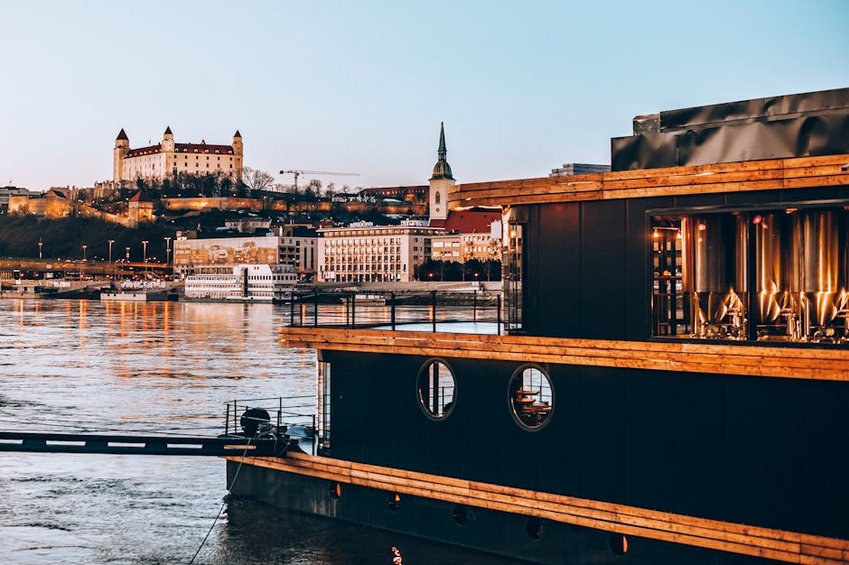
Bratislava Travel Guide: Discover Central Europe’s Charming Capital
Bratislava delivers an authentic Central European experience within a wonderfully compact capital city. This guide explores the charming Old Town, historic castle, and vibrant Danube riverfront that define the Slovakian metropolis. You will find practical advice on navigating the city, enjoying local cuisine, and maximizing a short visit to this underrated destination.
Essential Slovak Capital Information
Bratislava serves as the political, cultural, and economic heart of Slovakia. The city’s history spans Celtic, Roman, Hungarian, and Czechoslovak influences, visible in its diverse architecture. Its position along the Danube River made it a crucial trade and coronation city for centuries.
With a population just over 450,000, the Slovak capital feels more like a large town than a sprawling capital. This scale makes it highly walkable and accessible for visitors. English is widely spoken in tourist areas and by younger residents, easing communication for international travelers.
The city uses the Euro (EUR) and falls within the Central European Time Zone (CET). It is part of the Schengen Area, allowing easy border crossings for EU and US passport holders. Summers see average highs of 80°F (27°C), while winters can drop to 30°F (-1°C).
Key Historical Context
Understanding a few historical points enriches any visit to this Danube city.
- Coronation City: From 1563 to 1830, eleven Hungarian kings and eight queens were crowned in St. Martin’s Cathedral, earning Bratislava the nickname “Pressburg.”
- Socialist Era: The city expanded significantly during the Czechoslovak socialist period, adding panelák housing estates and the iconic SNP Bridge.
- Modern Capital: Since Slovakia’s peaceful independence in 1993, Bratislava has rapidly modernized while meticulously restoring its Old Town.
- Budget Traveler ($40-60/day): Stay in hostels, use public transport, enjoy street food and supermarket meals, visit free churches and walking tours.
- Mid-Range Traveler ($90-140/day): Book a central hotel or apartment, dine in local restaurants, join a guided castle tour, use taxis occasionally.
- Luxury Traveler ($200+/day): Stay in 5-star hotels like Radisson Blu Carlton, dine at fine-dining restaurants, hire private guides, enjoy spa treatments.
- Visit Bratislava Official Tourism Site
- Slovak Tourist Board
City Layout and Neighborhoods
The city center divides into distinct, walkable districts, each with unique character. The historic Staré Mesto (Old Town) contains most major sights, cafes, and restaurants within pedestrianized streets. Across the river, Petržalka offers residential views and the Sad Janka Kráľa park.
Just north of the center, the foothills of the Little Carpathians host the Bratislava Castle and vineyards. The modern business district spreads east of the Old Town, centered around the Eurovea shopping and residential complex along the riverbank.
Local Customs and Etiquette
Slovak culture is generally reserved but polite and hospitable. A simple “Dobrý deň” (Good day) when entering shops is appreciated. Tipping is customary; round up the bill or leave 10% for good service in restaurants and cafes.
When visiting churches, modest dress covering shoulders and knees is expected. Public transportation requires validated tickets, which inspectors check frequently. Fines for traveling without a valid ticket are substantial.
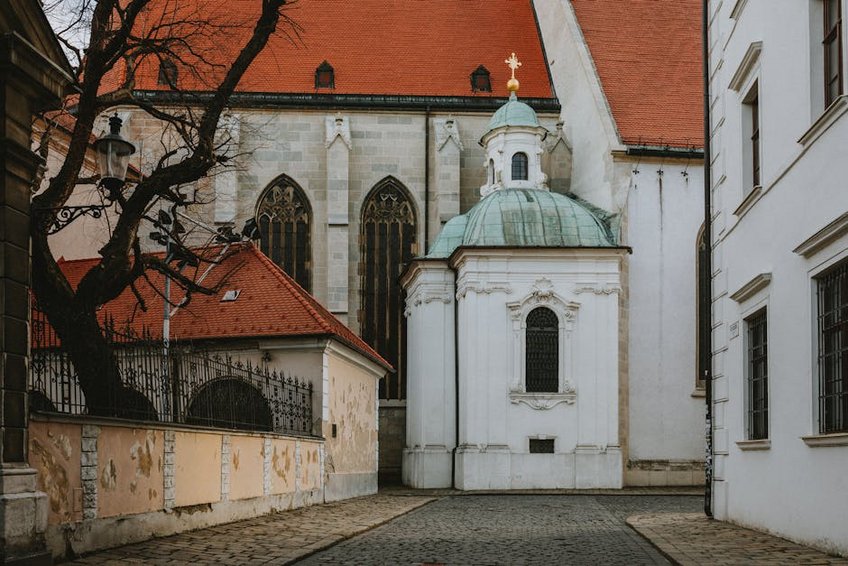
Alt: “bratislava-old-town-cobblestone-streets-historic-architecture”
Bratislava – Planning Your Trip
Effective planning for the Slovak capital balances historical exploration with modern comforts. A two to three-day itinerary comfortably covers major landmarks, local food, and a brief castle visit. The city works well as a standalone city break or combined with visits to Vienna or Budapest.
Spring (April-May) and early autumn (September-October) offer the most pleasant weather, with fewer crowds than summer. Book accommodations at least one month in advance for these peak seasons. Summer brings festivals but also higher prices and more tourists.
Winter transforms the city with Christmas markets from late November through December. While colder, the festive atmosphere and mulled wine create a magical experience. Some castle areas may have limited access during winter months.
Best Time to Visit Bratislava
Visit between May and September for warm weather ideal for castle walks and Danube cruises. Daytime temperatures range from 68°F to 80°F (20°C to 27°C), with July and August being the warmest and most crowded. Book hotels two months ahead for summer stays.
Shoulder seasons in April and October provide mild weather, with temperatures of 50°F to 60°F (10°C to 15°C), and significantly smaller crowds. The winter season from December to February is cold, 30°F to 40°F (-1°C to 4°C), but festive with markets and lower hotel rates.
Budget Planning and Costs
Bratislava remains affordable compared to Western European capitals. Daily budgets vary significantly by travel style.
Essential Preparation Checklist
Pack comfortable walking shoes for cobblestone streets, a rain jacket for unpredictable weather, and a power adapter for Type E sockets (230V). Ensure your passport is valid for three months beyond your planned departure from the Schengen Area.
Purchase travel health insurance covering the EU. Download the IDS BK app for real-time public transport schedules. Notify your bank of travel plans to use credit cards, which are widely accepted. Carry some Euros for small vendors and markets.
Top Attractions and Activities
The compact city center clusters most major sights within a 15-minute walk. Start at the Old Town Hall and Main Square to orient yourself. From there, narrow medieval streets lead to palaces, churches, and quirky bronze statues.
Bratislava Castle dominates the skyline from its hilltop position. The reconstructed fortress offers the best panoramic views of the city and across to Austria. Allow two hours to explore the historical museum and gardens.
The Danube riverfront provides a pleasant walking or cycling path. The Eurovea promenade features modern cafes, while the Old Town side offers views of the UFO Tower and SNP Bridge.
Must-See Highlights
Bratislava Castle’s iconic four-tower silhouette is the city’s premier landmark. The castle houses the Slovak National Museum’s historical collection. Visit in the late afternoon for the best photography light over the Old Town rooftops.
St. Martin’s Cathedral, a Gothic masterpiece, hosted Habsburg coronations for nearly 300 years. The 279-foot (85-meter) tower is topped with a replica of the Hungarian royal crown. Entry is free, but a small fee applies to climb the tower.
The Blue Church (Church of St. Elizabeth) is a stunning Art Nouveau building painted in pale blue and white. Its unique architecture makes it a favorite photo spot. The interior is only accessible during mass times.
Hidden Gems and Local Favorites
Venture to the Slavín war memorial for a peaceful park and unparalleled city views few tourists see. This hilltop monument honors Soviet soldiers and offers a quiet alternative to the castle crowds. It’s a 25-minute walk from the Old Town.
Explore the historic vineyards of Rača district for a taste of local Slovak wine. Small family-owned vineyards offer tours and tastings. You can reach this area by local bus or taxi from the city center.
Visit the abandoned Petržalka bunkers, part of the WWII Slovak Fortification System. These concrete structures now stand as eerie monuments in a residential park. Access is free but requires careful exploration.
Danube River Experiences
The Danube shapes the city’s identity and provides multiple recreational opportunities. Regular passenger ferries connect the city center to the riverbank park in Petržalka. The short crossing offers a unique perspective of the UFO Tower and castle.
From April to October, sightseeing boats offer one-hour historical cruises along the river. Operators provide commentary in English and German. Prices range from $15 to $25 per person.
Rent a bicycle from the city’s bike-sharing system to ride along the dedicated Danube cycling path. The flat route extends for miles in both directions, perfect for a leisurely half-day activity.
Practical Travel Information
Navigating the Slovak capital is straightforward with its efficient public transport system. The city center is almost entirely pedestrianized, making walking the best option for sightseeing. Trams and buses efficiently connect peripheral districts.
Accommodation ranges from budget hostels to international luxury chains, with strong competition keeping prices reasonable. Book directly with hotels or through major platforms like Booking.com. Apartments offer excellent value for families or longer stays.
| Transport Type | Key Features & Coverage | Price Range (USD) |
|---|---|---|
| Public Transport (Bus/Tram) | 15-minute, 60-minute, and 24-hour tickets; covers entire city | $1.20 – $5.50 |
| Taxi / Ride-Share | Bolt app recommended; reliable from taxi stands | $5 – $15 (center journeys) |
| Bicycle Rental | City bike-sharing system; dedicated river path | $2 / hour or $10 / day |
| Rental Car | Only needed for day trips; limited parking in center | $30 – $60 / day |