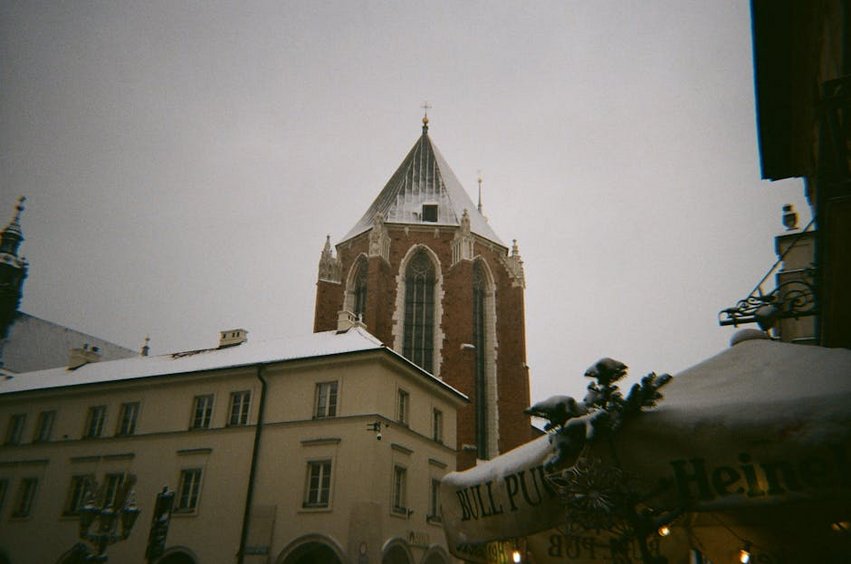
Krakow Travel Guide: Explore Poland’s Historic Royal Capital
Krakow serves as Poland’s cultural heart, a city where history feels tangible around every corner of its remarkably preserved medieval core. Your Krakow travel guide begins with the understanding that this destination offers more than just sightseeing—it provides a profound journey through European history, from royal dynasties and wartime resilience to a vibrant contemporary arts scene. This guide details everything from navigating the cobblestone streets of Old Town to understanding the solemn importance of sites like Auschwitz-Birkenau, ensuring you craft a meaningful and seamless visit.
Essential Krakow Information
Krakow’s history spans over a millennium, formally established in 1257 and serving as Poland’s capital until 1596. The city’s UNESCO-listed Old Town escaped significant destruction during World War II, leaving its architectural treasures largely intact for modern visitors. Today, it functions as a major academic and cultural hub, home to Jagiellonian University, founded in 1364, which contributes to its youthful, energetic atmosphere.
The city is divided into distinct districts, each with its own character. The Stare Miasto (Old Town) sits within the Planty Park, a green belt replacing the old city walls. Just south lies the historic Jewish district of Kazimierz, while across the Vistula River rests the Podgórze district, site of the wartime ghetto. Wawel Hill, the former royal castle complex, stands as the city’s symbolic center.
Key Facts at a Glance
Before you delve deeper, here are the fundamental details for trip planning.
- Location & Language: Situated in southern Poland’s Lesser Poland region, the primary language is Polish. English is widely spoken in tourist areas, hotels, and restaurants, making communication straightforward for international visitors.
- Currency & Costs: Poland uses the Polish Złoty (PLN). While not part of the Eurozone, the country offers excellent value, with average meal costs significantly lower than in Western Europe. Credit cards are accepted almost everywhere.
- Getting There: Kraków John Paul II International Airport (KRK) is the main gateway, with frequent connections across Europe. The city also has excellent rail links to Warsaw (2.5 hours), Vienna, and Budapest.
- Budget Traveler ($50-80/day): Stay in a hostel dorm, eat at milk bars (bar mleczny) for traditional Polish meals under $5, use public transport, and focus on free attractions like walking the Old Town, visiting churches, and exploring Kazimierz. Many museums offer free admission one day per week.
- Mid-Range Traveler ($100-150/day): This allows for a private room in a boutique hotel or Airbnb, dining at excellent mid-range restaurants, joining organized tours to Auschwitz and the Wieliczka Salt Mine, and purchasing a museum pass for convenient entry to multiple sites.
- Luxury Traveler ($250+/day): Stay at a 5-star hotel like Hotel Copernicus or Bonerowski Palace, enjoy fine dining at award-winning restaurants, book private guides for in-depth historical tours, and attend exclusive cultural performances or culinary experiences.
- Official Krakow City Website
- Auschwitz-Birkenau State Museum
- Polish Tourism Organization
Understanding Krakow’s Cultural Significance
Krakow’s identity is deeply intertwined with Polish national pride and resilience. The city was a center of the Polish Enlightenment and played a crucial role in preserving the nation’s language and culture during periods of partition and occupation. This spirit is palpable in places like the Czartoryski Museum, home to da Vinci’s “Lady with an Ermine,” and the underground Rynek museum showcasing medieval market foundations.
The 20th century left profound marks, from the shadows of the Holocaust memorialized in Kazimierz and Podgórze to its role as a hub for the Solidarity movement. Modern Krakow reconciles this heavy history with a dynamic present, hosting major film and music festivals that draw international crowds. This blend creates a destination of both reflection and celebration.
Climate and Weather Patterns
Krakow experiences a temperate continental climate with four distinct seasons. Summers (June-August) are warm and can be rainy, with average highs around 75°F (24°C). Winters (December-February) are cold and often snowy, with temperatures frequently dropping below freezing, averaging 32°F (0°C).
The shoulder seasons of spring (April-May) and autumn (September-October) offer mild weather and fewer tourists. Late spring brings blooming flowers, while autumn provides crisp air and golden foliage, ideal for comfortable exploration. Always pack layers, as weather can change quickly.
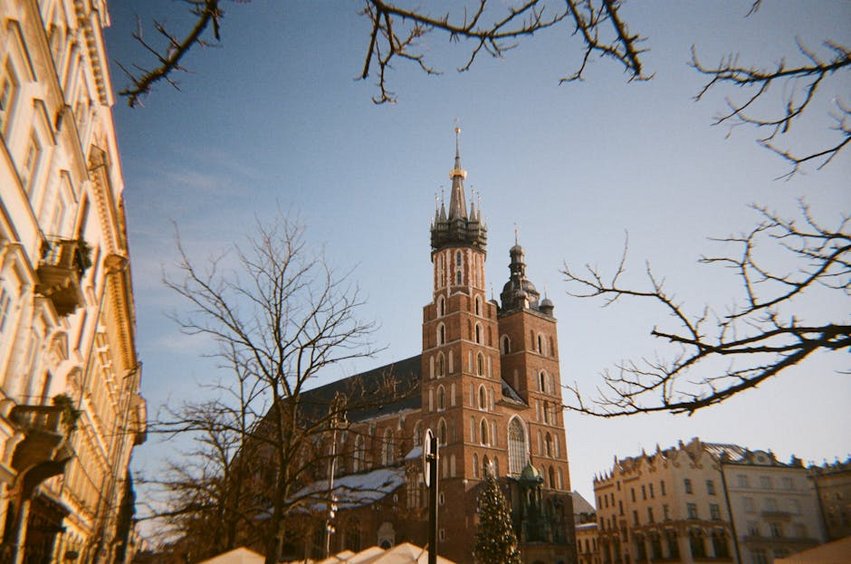
Alt: “krakow-old-town-square-market-hall-historic-architecture”
Krakow Travel Guide – Planning Your Trip
Crafting the perfect itinerary requires balancing historical exploration with local immersion. This Krakow travel guide section provides the strategic framework for your visit. Allocate time for both the must-see landmarks and leisurely discovery in the city’s charming cafes and hidden courtyards. Advance planning is particularly crucial for visiting major sites and understanding their context.
Consider your travel style when planning. History enthusiasts may prioritize museum passes and guided tours, while food-focused travelers will want to book culinary workshops. Families should look for interactive exhibits and spacious apartment stays. Most attractions are concentrated in walkable areas, reducing transit time and maximizing your experience.
Best Time to Visit Krakow
The ideal months are May, June, September, and early October. These periods offer pleasant weather with average highs of 65-70°F (18-21°C), long daylight hours, and vibrant street life. The famous Christmas Market runs from late November through December, transforming the Main Square into a festive wonderland, though it draws large crowds and requires booking far in advance.
July and August constitute peak tourist season, with warmer weather but more visitors and higher prices. January and February are cold and gray, yet this offers a more local, crowd-free experience, especially if you enjoy winter atmospheres. Major events like the Jewish Culture Festival in July require accommodation reservations months ahead.
Budget Planning and Costs
Krakow accommodates all budgets effectively. Here’s a tiered breakdown for a 4-day trip per person.
Essential Preparation Checklist
Proper preparation ensures a smooth trip. Pack comfortable walking shoes—cobblestones are unforgiving—and a waterproof jacket regardless of season. A universal power adapter (Type E) is necessary for Poland’s 230V outlets. For winter visits, thermal layers, a warm coat, hat, gloves, and insulated boots are non-negotiable.
EU and US citizens do not need a visa for tourist stays under 90 days, but your passport must be valid for at least three months beyond your departure date. Purchase comprehensive travel insurance covering medical emergencies. Book popular tours, especially to Auschwitz-Birkenau and the Wieliczka Salt Mine, at least two weeks in advance, as they sell out quickly.
Top Attractions and Activities
The city’s crown jewel is the sprawling Main Market Square (Rynek Główny), one of Europe’s largest medieval town squares. Here, you can ascend the St. Mary’s Basilica tower for panoramic views, shop for amber in the Cloth Hall (Sukiennice), or simply people-watch from a terrace cafe. The square buzzes with activity from dawn until late, offering a constant spectacle of street performers and horse-drawn carriages.
Beyond the immediate center, Krakow’s appeal expands through its layered history. A visit to Wawel Castle is essential, where you can tour the Royal State Rooms, the Crown Treasury, and the iconic Dragon’s Den. The adjacent Wawel Cathedral is the traditional coronation and burial site of Polish monarchs. Each site tells a different chapter of the nation’s story.
Must-See Historical Highlights
Wawel Royal Castle demands half a day. Choose specific exhibitions like the Royal Private Apartments or the Oriental Art collection. The cathedral houses the Sigismund Bell and the tombs of national heroes. Combine this with a walk along the Vistula River to see the fire-breathing dragon statue. Tickets for specific exhibitions should be booked online to guarantee entry times.
The Auschwitz-Birkenau Memorial and Museum is a sobering, essential day trip located about 1.5 hours from Krakow. Visiting requires respect and preparation; guided tours are highly recommended for historical context. Book the official guided tour directly through the museum’s website months in advance, especially for summer visits. The Wieliczka Salt Mine, a UNESCO site with breathtaking underground chapels carved from salt, is another premier half-day excursion.
Hidden Gems and Local Favorites
Venture beyond the core to discover Krakow’s authentic character. The Nowa Huta district, a planned socialist realist town built in the 1950s, offers fascinating guided tours in vintage Trabant cars, exploring its monumental architecture and Cold War history. This contrasts sharply with the medieval center and provides unique insight into Poland’s communist era.
For a green escape, the Krakus Mound and nearby abandoned quarry, Zakrzówek, offer stunning city views and a local swimming spot in summer. The Museum of Municipal Engineering, located in a historic tram depot, is interactive and great for families. In Kazimierz, seek out the tiny, hidden Remuh Cemetery and the atmospheric, active Plac Nowy square, known for its daily flea market and iconic round building (okrąglak) serving zapiekanka (Polish pizza bread).
Arts, Culture, and Nightlife
Krakow’s cultural calendar is packed. The National Museum holds Poland’s largest art collection, while MOCAK, the Museum of Contemporary Art, presents cutting-edge works in a post-industrial space. For performing arts, the Juliusz Słowacki Theatre offers classic plays in a stunning 19th-century building.
As the sun sets, Kazimierz transforms into the city’s vibrant nightlife hub. The area is filled with quirky cocktail bars in hidden courtyards, lively pubs in former workshops, and clubs playing everything from jazz to electronic music. The streets around Plac Nowy and Józefa Street are particularly lively, offering a blend of historic ambiance and modern energy.
Practical Travel Information
Navigating Krakow is refreshingly straightforward for visitors. The compact city center is best explored on foot. An efficient network of trams and buses connects all districts and suburbs, with single-ride tickets purchased from machines or kiosks. For convenience, consider the Krakow City Card, which includes unlimited public transport and free or discounted entry to over 40 museums.
Accommodation choices are plentiful and offer good value. The most popular areas to stay are the Old Town for classic charm, Kazimierz for bohemian vibes and nightlife, and Podgórze for a more residential, up-and-coming feel. Each district provides a different perspective on city life, all within a short walk or tram ride of the major sights.
| Accommodation Type | Best For & Features | Average Price Range/Night (USD) |
|---|---|---|
| Hostel / Guesthouse | Budget travelers & solo explorers; social atmosphere, shared kitchens, central locations. | $15 – $40 |
| Boutique Hotel / Apartment | Couples & mid-range travelers; design-focused rooms, prime locations in Old Town or Kazimierz. | $80 – $150 |
| Luxury Hotel / Palace | Splurge & special occasions; historic buildings, spa facilities, fine dining, concierge service. | $200 – $400+ |
| Vacation Rental (Airbnb) | Families & longer stays; full apartments with kitchens, multiple bedrooms, local neighborhood feel. | $60 – $180 |