Vilnius Travel Guide: Exploring Lithuania’s Historic Capital
Vilnius blends medieval charm with vibrant modernity, offering an accessible European city break. This Vilnius Travel Guide provides the essential insights for navigating its UNESCO-listed Old Town, contemporary arts scene, and unique hilltop viewpoints. You will find detailed information on cultural landmarks, local cuisine, and practical logistics to plan an efficient and enriching visit.
Introducing Lithuania’s Capital City
Vilnius serves as Lithuania’s political and cultural heart, with a history stretching back to the 14th century. The city’s architectural tapestry weaves together Gothic, Renaissance, Baroque, and Neoclassical styles, telling stories of its past as part of the Grand Duchy of Lithuania and later, the Soviet Union. Its compact center makes exploration on foot both pleasant and rewarding.
Today, the Lithuanian capital is known for its thriving startup scene and artistic spirit, evident in the self-declared Republic of Užupis. The city enjoys a continental climate with warm summers and cold, snowy winters. This blend of deep history and dynamic present creates a compelling destination for diverse travelers.
Historical Context and Significance
Understanding Vilnius requires recognizing its layered past. Founded by Grand Duke Gediminas in 1323, it became a major center of Jewish learning, earning the nickname “the Jerusalem of the North.” However, the 20th century brought immense turmoil with occupations by Nazi Germany and the Soviet Union.
- Gediminas’ Tower is the remaining part of the Upper Castle, the symbolic birthplace of the city, offering panoramic views from its hilltop perch.
- The Museum of Occupations and Freedom Fights, housed in the former KGB headquarters, provides a sobering look at Soviet repression and Lithuanian resistance.
- The restored Presidential Palace and Cathedral Square represent the nation’s regained independence and contemporary political life.
- Budget travelers can manage on $50-70 per day by staying in hostels ($15-25/night), eating at self-service cafeterias or markets ($10-15/day), using public transport ($1 per ride), and focusing on free sights like walking tours and church visits.
- Mid-range visitors spending $100-150 daily enjoy boutique hotels ($70-100/night), restaurant meals ($25-40/day), occasional taxis, and paid entry to major museums and a guided tour.
- A luxury budget of $250+ per day covers 5-star hotels like the Kempinski ($150+/night), fine dining at restaurants like Džiaugsmas ($80+ for dinner), private guides, and spa experiences.
- Official Vilnius Tourist Information Centre
- Lonely Planet Vilnius Guide
The City’s Layout and Neighborhoods
Vilnius is conveniently organized around its historic core. The UNESCO-protected Old Town (Senamiestis) is one of the largest in Eastern Europe, a maze of cobbled streets centered around Cathedral Square. Just across the Vilnia River lies the bohemian Užupis district, a self-proclaimed republic with its own constitution.
Beyond the historic center, the modern business district and residential areas spread out. Key areas for visitors include the quiet and elegant Snipiskes district near the Contemporary Art Centre and the bustling area around Gediminas Avenue, the city’s main commercial street. Navigating between these districts is straightforward.
Climate and Weather Patterns
Vilnius experiences a humid continental climate with distinct seasons. Summers (June-August) are generally mild to warm, with average highs between 70-75°F (21-24°C) and frequent rainfall. This is the peak tourist season, with long daylight hours perfect for sightseeing.
Winter (December-February) is cold and snowy, with temperatures often dropping below freezing, averaging 23-32°F (-5 to 0°C). Spring and autumn are transitional, with cooler temperatures and unpredictable weather. Your packing list should adapt significantly based on your chosen travel dates.
Alt: “vilnius-old-town-cobblestone-streets-architecture-unesco”
Vilnius Travel Guide – Planning Your Trip
Effective planning maximizes your time in this Baltic capital. A successful Vilnius Travel Guide must account for seasonality, budget, and personal interests, from history to food. Research key attractions and book popular accommodations several months in advance, especially for summer visits or major festivals.
Consider purchasing the Vilnius City Card for free public transport and museum entry if you plan an intensive sightseeing schedule. Digital navigation is excellent, with apps like Google Maps providing accurate walking routes and public transport timetables. Allow time for simply getting lost in the picturesque alleyways.
Best Time to Visit Vilnius
The ideal period for a Vilnius visit is from late May to September. During these months, temperatures are pleasant, ranging from 65-75°F (18-24°C), and festivals like the Vilnius Festival and Street Music Day animate the city. Daylight extends past 10 PM in June, offering extended exploration time.
Shoulder seasons in April-May and September-October offer fewer crowds and lower prices, though weather is cooler and more unpredictable, with temperatures of 50-60°F (10-15°C). Winter attracts visitors with Christmas markets from late November and the possibility of a snowy, fairy-tale landscape, despite short days and cold averaging 25°F (-4°C).
Budget Planning and Costs
Vilnius remains a value-for-money destination compared to Western European capitals. Daily costs vary widely based on travel style.
Essential Preparation Checklist
Preparation ensures a smooth experience. For most EU and US passport holders, no visa is required for stays under 90 days within the Schengen Area. Always check the latest entry requirements from official government sources before departure. Ensure your passport is valid for at least three months beyond your planned exit date.
Pack comfortable walking shoes for cobblestones, a rain jacket regardless of season, and a power adapter (Type C/F, 220V). Learn a few basic Lithuanian phrases like “Ačiū” (thank you); while English is widely spoken in tourism, it’s appreciated. Book your accommodation and any special tours at least two to three months ahead for peak season.
Top Attractions and Cultural Sites
The city’s attractions showcase its spiritual depth and artistic resilience. From hilltop panoramas to poignant museums, the Lithuanian capital offers a rich itinerary. Many sites are concentrated in the Old Town, allowing you to visit several in a single day without rushing.
Architectural highlights range from the grandeur of the Gates of Dawn to the quirky artistry of Užupis. Allocate time for both the must-see landmarks and quieter moments in hidden courtyards. Most major churches are free to enter, though a small donation is customary.
Must-See Historical Landmarks
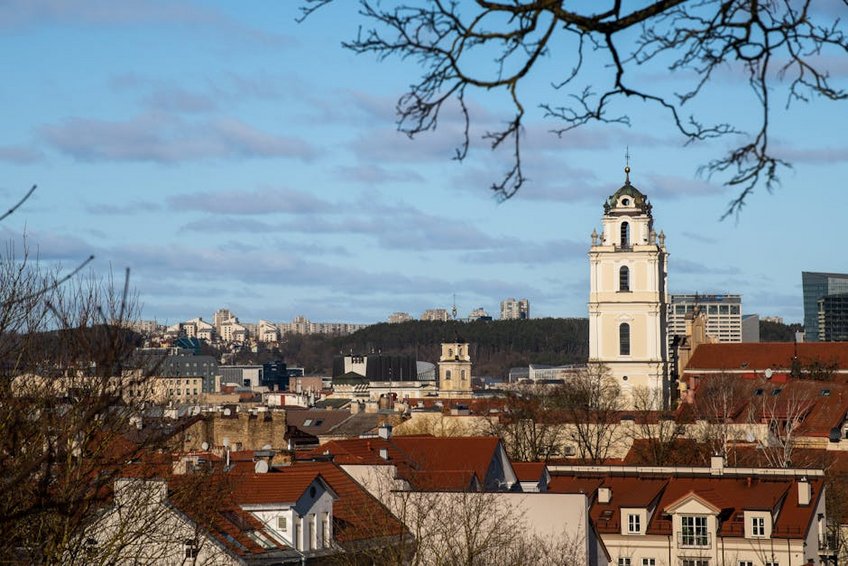
Gediminas Tower is the city’s prime symbol, accessible by foot or funicular. The view from the top provides orientation across the red rooftops and river bends. Nearby, the neoclassical Vilnius Cathedral and its separate belfry dominate Cathedral Square, the city’s main gathering point.
The Palace of the Grand Dukes of Lithuania is a meticulous reconstruction showcasing the nation’s medieval power. The Gothic St. Anne’s Church, a masterpiece of brickwork, famously captivated Napoleon. Meanwhile, the Presidential Palace offers free guided tours on Saturdays, revealing the seat of modern statehood.
Unique Museums and Galleries
The MO Museum presents cutting-edge modern Lithuanian art in a stunning contemporary building. For history, the National Museum of Lithuania offers comprehensive exhibits, while the more niche Museum of Illusions provides interactive fun for families. The Money Museum at the Bank of Lithuania is a surprisingly engaging free option.
The Frank Zappa memorial and the outdoor gallery of Soviet statues at Gruto Parkas offer quirky cultural commentary. The recently opened Modern Art Centre (CAC) has solidified Vilnius’s reputation as a hub for contemporary creative expression. Check opening days, as some smaller museums close on Mondays or Tuesdays.
The Republic of Užupis
This self-declared independent republic within the city is a cornerstone of the local arts scene. Cross the bridge from the Old Town to discover a district filled with galleries, artisan workshops, and cafes. The community’s humorous constitution, displayed on a wall in multiple languages, lists rights like “the right to be idle.”
Visit on April 1st, Užupis Independence Day, for festive celebrations. The Angel of Užupis statue symbolizes the area’s spirit. While small, the area embodies the city’s playful, creative, and slightly rebellious character, making it a essential stop beyond the standard historic trail.
Practical Travel Information and Logistics
Navigating Vilnius is straightforward with a little preparation. The city boasts an efficient public transport system, a range of accommodations, and widespread English signage in tourist areas. Vilnius Airport (VNO) is the main international gateway, located just 15 minutes by car from the city center.
For getting around, walking is best within the Old Town, while buses, trolleybuses, and a few tram lines serve wider areas. Ride-hailing apps like Bolt are reliable and affordable. The city is generally very safe for tourists, with standard precautions for personal belongings in crowded areas advised.
| Category | Options & Features | Price Range (USD) |
|---|---|---|
| Budget Accommodation | Hostels & guesthouses in Old Town; shared facilities, social atmosphere | $15 – $45 per night |
| Mid-Range Hotels | 3-4 star boutique hotels; private bath, breakfast included, central location | $70 – $130 per night |
| Luxury Stays | 5-star hotels (Kempinski, Radisson); spa, fine dining, concierge service | $150 – $300+ per night |
| Local Transportation | Single bus/trolley ticket, 24-hour travel card, Bolt taxi average trip | $1, $5, $5-8 respectively |