Stockholm Travel Guide: Discover Scandinavia’s Vibrant Waterfront Capital
Stockholm offers a captivating blend of historic charm and cutting-edge innovation, spread across 14 islands connected by 57 bridges. This Swedish capital delights visitors with its world-class museums, cobblestone alleys in Gamla Stan, and pristine archipelago accessible by public ferry. This comprehensive guide provides the essential insights for planning your visit, from seasonal strategies to local culinary secrets, ensuring you experience the best of this Nordic metropolis efficiently.
Essential Stockholm Information
Founded in the 13th century, Stockholm serves as Sweden’s cultural, economic, and political heart. The city enjoys a relatively mild coastal climate compared to other Nordic regions, though seasonal variations are pronounced. Understanding its island geography and efficient public transport system is the first step to a smooth Scandinavian city break.
Stockholm operates on Central European Time and uses the Swedish Krona (SEK). Credit cards are widely accepted, often more readily than cash. English proficiency among locals is exceptionally high, making navigation and communication straightforward for international visitors. The city consistently ranks highly for quality of life, safety, and sustainability initiatives.
City Layout and Island Districts
Stockholm’s distinct character comes from its archipelagic setting. Each district offers a unique atmosphere and set of attractions.
- Gamla Stan: The medieval Old Town features the Royal Palace, Stortorget square, and narrow lanes like Mårten Trotzigs Gränd. Expect tourist crowds but undeniable historic ambiance.
- Norrmalm: The modern downtown center hosts major shopping streets (Drottninggatan), cultural hubs, and Central Station. This is the primary transportation and commercial nexus.
- Östermalm: An upscale area known for elegant architecture, high-end boutiques, the History Museum, and the lush Humlegården park.
- Södermalm: The trendy “SoFo” (South of Folkungagatan) area boasts vintage shops, innovative restaurants, panoramic viewpoints like Monteliusvägen, and a relaxed, creative vibe.
- Budget Traveler ($80-120): Stay in hostels like Generator or City Backpackers, use public transport passes, enjoy free attractions (changing of the guard, parks), and eat meals from supermarkets or food trucks like Meatballs for the People.
- Mid-Range Traveler ($180-250): Book a hotel in Norrmalm or Kungsholmen (e.g., Clarion or Scandic chain), dine at mid-priced restaurants for one meal daily, visit 2-3 paid museums, and take a guided archipelago boat tour.
- Luxury Traveler ($400+): Stay at iconic hotels like Grand Hôtel or Ett Hem, dine at Michelin-starred restaurants (Frantzén, Oaxen Slip), arrange private guided tours, and enjoy spa treatments or opera tickets.
- Visit Stockholm Official Tourism Board
- Stockholm Public Transport (SL)
Getting Oriented: Public Transport Basics
Stockholm’s public transport system, run by SL, is exceptionally reliable and clean. It integrates the Tunnelbana (subway), buses, trams, and certain ferry lines under one ticket system. You can purchase single tickets, but visitors benefit from travel cards for unlimited rides over 24, 72, or 7 days.
The Tunnelbana itself is an attraction, with over 90 stations featuring unique artistic installations. Key lines for tourists are the blue (T10/T11) and red (T13/T14) lines. Always tap your card when entering and exiting stations or buses. The SL app provides real-time schedules and mobile ticket options.
Weather and Seasonal Personality
Stockholm experiences four distinct seasons, each radically changing the city’s character. Summers (June-August) are mild and bright, with up to 18 hours of daylight and average highs of 68-72°F (20-22°C). This is peak festival and outdoor dining season.
Winters (December-February) are cold, dark, and potentially snowy, with daylight lasting only about 6 hours and temperatures averaging 27-32°F (-3 to 0°C). Spring and autumn offer transitional weather, fewer tourists, and beautiful natural color changes in the city’s many parks. Always pack a waterproof layer, regardless of the forecast.
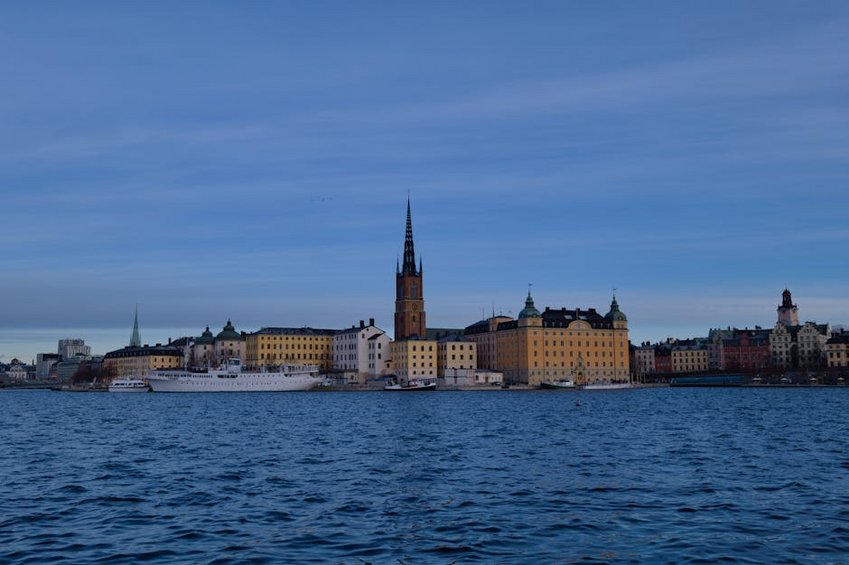
Alt: “stockholm-gamla-stan-old-town-cobblestone-streets-summer”
Stockholm Travel Guide – Planning Your Trip
Effective planning transforms a good visit into a great one. Your Stockholm travel guide strategy should account for your interests, budget, and the time of year you visit. Prioritize key attractions and book popular entries in advance, especially for the Vasa Museum and the ABBA Museum during summer months.
A balanced itinerary mixes iconic sights with local neighborhood exploration. Allocate time to simply wander through Djurgården’s parks or sip coffee in a Södermalm café. Remember, the pace in Stockholm is generally calm; rushing between sites defeats the purpose of experiencing the famous Swedish “lagom” lifestyle—a concept meaning “just the right amount.”
Best Time to Visit Stockholm
The ideal time for classic sightseeing is between late May and early September. You’ll enjoy long, pleasant days perfect for archipelago boat trips and outdoor seating at cafes. Temperatures range from 60-75°F (15-24°C). Major events like Midsummer (late June) and the Stockholm Culture Festival (August) occur during this period.
For lower prices and fewer crowds, consider the shoulder seasons of April-May or September-October. While weather is less predictable, you’ll experience the city more authentically. December offers charming Christmas markets and a festive atmosphere, despite the limited daylight. The winter months appeal to those interested in cozy “mys” culture and potential northern lights sightings on very clear, cold nights.
Budget Planning and Costs
Stockholm is a premium destination, but smart planning manages costs. Prices are per person per day.
Essential Preparation Checklist
Pack versatile, layered clothing including a warm sweater, waterproof jacket, and comfortable walking shoes. A universal power adapter (Type C/F, 230V) is required. For winter visits, thermal underlayers, a heavy coat, waterproof boots, and gloves are non-negotiable. Summer calls for sunglasses and sunscreen, despite the mild temperatures.
Ensure your passport is valid for at least three months beyond your stay. EU/US/UK citizens do not need a visa for tourist stays under 90 days. Purchase comprehensive travel insurance that covers medical care. Download essential apps: SL for transport, Resrobot for trip planning, and Kivra for digital receipts. Book major museum tickets and popular restaurants at least two weeks in advance for summer trips.
Top Attractions and Nordic Experiences
The Swedish capital’s appeal lies in its diverse offerings, from perfectly preserved 17th-century warships to interactive pop culture shrines. Museum enthusiasts could spend a week here, while architecture fans revel in styles ranging from medieval to minimalist. Balancing indoor cultural visits with outdoor exploration of the waterways and green spaces is key to a fulfilling visit.
Many state-owned museums, like the National Museum and the Museum of Natural History, offer free general admission. The Stockholm Pass can provide savings if you plan to visit several paid attractions in a short time, but calculate your intended itinerary first. Always check museum websites for special exhibitions and potential closure days, as many are closed on Mondays.
Must-See Highlights and Museums
The Vasa Museum on Djurgården island is non-negotiable. It houses the stunning, nearly intact Vasa warship that sank on its maiden voyage in 1628. Allow 1.5-2 hours. Nearby, Skansen is the world’s oldest open-air museum, showcasing historical Swedish buildings and a zoo with Nordic animals. It’s a fantastic family destination.
For modern culture, the ABBA Museum offers a fun, interactive experience (book ahead). Art lovers should prioritize Fotografiska for contemporary photography and the Moderna Museet for 20th-century art. Gamla Stan’s Royal Palace features opulent state apartments, the royal armory, and the daily changing of the guard ceremony (schedule varies by season).
Hidden Gems and Local Favorites
Escape the crowds by taking the vintage red ferry (SL line 80) from Nybroplan to Fjäderholmarna, the closest archipelago islands, for a peaceful walk and artisan shops. On Södermalm, hike up to the viewpoint at Ivar Los Park or Monteliusvägen for a breathtaking, free panorama of the city skyline and Lake Mälaren.
Explore the artistic “ghost station” at Kymlinge, or visit the serene Woodland Cemetery (Skogskyrkogården), a UNESCO World Heritage site. For a unique shopping experience, browse the vintage treasures at Judits Second Hand in Östermalm or the design goods at Svensk Hemslöjd for authentic Swedish handicrafts.
Archipelago Exploration
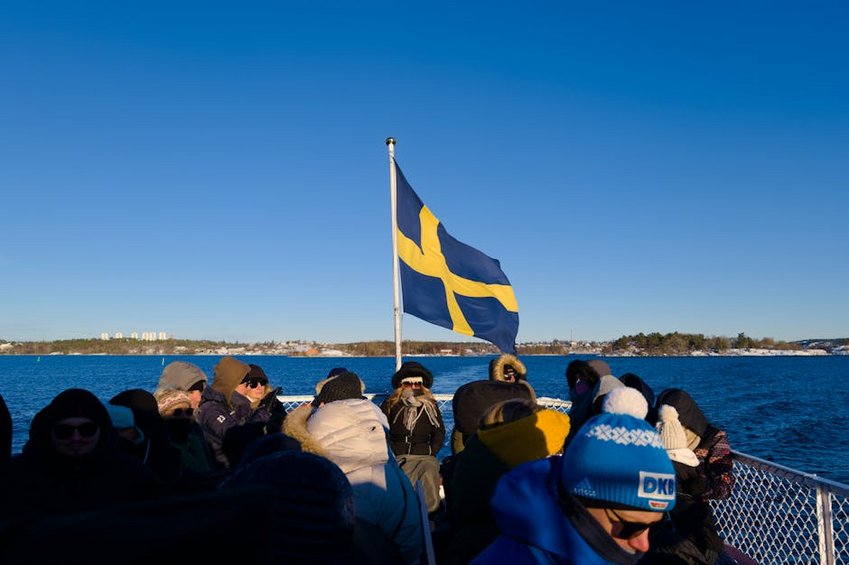
No visit is complete without experiencing the Stockholm Archipelago, a stunning maze of 30,000 islands, islets, and rocks. Public Waxholmsbolaget ferries provide an affordable way to explore. Popular day-trip destinations include Grinda, for swimming and hiking, and Sandhamn, a classic sailing village.
For a structured experience, consider a guided boat tour from Strömkajen. Options range from historic steamboat cruises to faster sightseeing boats. In summer, consider kayaking tours or renting a small boat. Remember, archipelago weather can change quickly; pack a windbreaker even on sunny days.
Practical Travel Information and Logistics
Navigating Stockholm is remarkably efficient thanks to its well-designed infrastructure. Stockholm Arlanda Airport (ARN) is the main international gateway, located about 25 miles north of the city center. The Arlanda Express train gets you to Central Station in 18 minutes, while airport buses are a more economical option. Consider the cost of your airport transfer when comparing flight prices.
Bromma Airport (BMA) handles some domestic and European flights closer to the city. For ferry arrivals, Viking Line and Tallink Silja terminals are in central Stockholm. Once in the city, you’ll find a clean, safe, and accessible environment. Tap water is excellent and drinkable everywhere, and public restrooms are widely available, though a small fee (5-10 SEK) is common.
| Category | Options and Key Features | Price Range (USD) |
|---|---|---|
| Airport Transfer | Arlanda Express (fast train), Flygbussarna (airport bus), taxi (fixed price to city) | $15-50 per person |
| City Accommodation (per night) | Hostel dorm, mid-range hotel (Scandic), luxury boutique (Ett Hem), apartment rental | $30-40, $150-250, $400+, $120-200 |
| Daily Food Budget | Supermarket meals, casual cafe lunch & bakery dinner, restaurant dining for all meals | $20-30, $45-70, $100+ |
| Key Attraction Tickets | Vasa Museum, ABBA Museum, Skansen, Royal Palace (combined ticket) | $18, $30, $25, $20 |