Nairobi Travel Guide: Your Essential City Safari Companion
Exploring Nairobi offers a unique urban adventure where skyscrapers meet wildlife, blending metropolitan energy with unparalleled natural access. This guide provides the specific, practical details you need to navigate the Kenyan capital confidently, from the giraffes of its national park to the flavors of its thriving food scene. You will find clear advice on timing your visit, budgeting accurately, and experiencing the city’s authentic rhythm beyond the standard tourist path.
Essential Nairobi Information
Nairobi, Kenya’s vibrant capital, sits at an altitude of approximately 1,795 meters (5,889 feet), giving it a remarkably mild climate despite its equatorial location. Founded in 1899 as a railway depot, the city has grown into East Africa’s economic and cultural hub, home to over 5 million people. Its unique selling point is the seamless coexistence of a bustling modern city with incredible wildlife experiences just minutes from the central business district.
The city’s infrastructure is a mix of modern malls, heavy traffic in certain corridors, and sprawling residential neighborhoods. English and Swahili are the official languages, with English widely used in business, tourism, and signage. Understanding this blend of ancient and modern, wild and urban, is key to appreciating what makes a visit here so distinctive.
Key Facts at a Glance
Before you dive into planning, here are the foundational details about the Kenyan capital.
- Timezone: East Africa Time (EAT), which is GMT+3. There is no daylight saving time observed, so it remains consistent throughout the year.
- Currency: The Kenyan Shilling (KES). As of late 2024, the exchange rate fluctuates around 130-140 KES to 1 USD. Major credit cards are accepted in hotels and larger restaurants, but carrying local cash for markets and transport is essential.
- Visa Requirements: Most Western passport holders (US, EU, UK, Canada, Australia) can obtain an e-visa online before travel for about $51 USD. The process is straightforward and recommended over visa-on-arrival to save time at the airport.
- Budget Traveler ($50-80 USD): Stay in hostels or budget guesthouses, use matatus (local minibuses) and ride-hailing apps for transport, eat at local cafes (“hotelis”), and focus on free or low-cost attractions like the City Market and Uhuru Park. Self-guided walking tours are your friend.
- Mid-Range Traveler ($120-250 USD): This covers comfortable boutique hotels or serviced apartments in areas like Westlands, private taxi or guided tour transfers, meals at good restaurants, and paid entry to all major attractions including a safari drive in Nairobi National Park ($40-60 USD).
- Luxury Traveler ($300+ USD): Enjoy five-star hotels or exclusive lodges like Hemingways or The Emakoko, private chauffeur-driven guides, fine dining, and bespoke experiences such as private foster-parent visits at the elephant orphanage or helicopter tours over the Ngong Hills.
- Kenya Tourism Board (Magical Kenya)
- Lonely Planet Nairobi Guide
- David Sheldrick Wildlife Trust
Understanding the Climate and Seasons
Nairobi’s weather is famously pleasant due to its high altitude. Temperatures are relatively consistent year-round, averaging between 50-77°F (10-25°C). Mornings and evenings are consistently cool, requiring a light jacket or sweater, even after warm afternoons.
The city experiences two rainy seasons, which significantly impact travel plans. The “long rains” occur from March to May, often bringing daily heavy downpours in the afternoon. The “short rains” come in November and December, typically lighter and more sporadic. The dry seasons from June to October and January to February are considered ideal for most activities and wildlife viewing.
Safety and Practical Considerations
Like any major global city, Nairobi requires standard urban awareness. Petty crime such as pickpocketing can occur in crowded areas, so vigilance with belongings is advised. Using registered taxi apps like Uber or Bolt is safer and more reliable than hailing cabs on the street, especially after dark.
Traffic congestion is a well-known challenge, particularly during weekday rush hours (7-9 AM and 4-7 PM). Always factor in extra travel time when planning tours or airport transfers. For health, consult a travel clinic about recommended vaccinations (like Yellow Fever, Typhoid, and Hepatitis A) and malaria prophylaxis, as Nairobi is in a low-risk zone but precautions are still suggested.
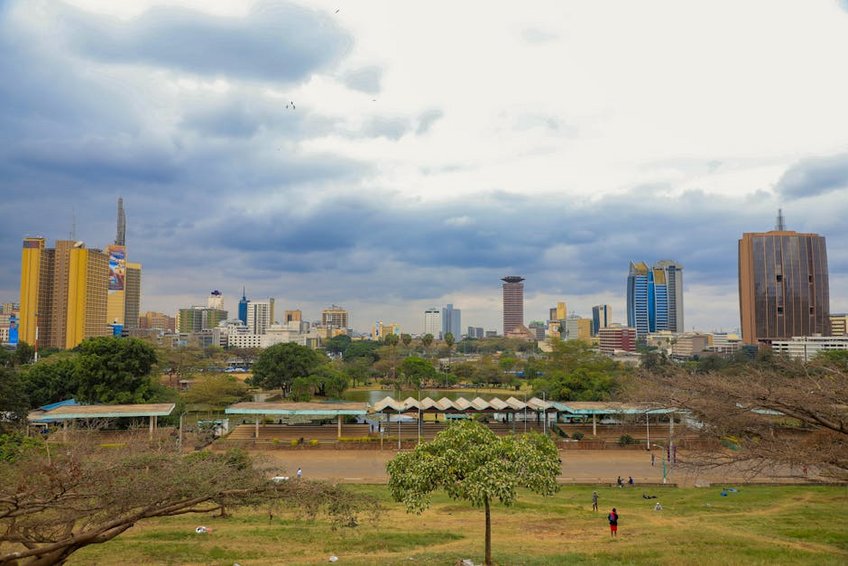
Alt: “nairobi-skyline-kicc-kenyatta-conference-center-sunset”
Nairobi Travel Guide – Planning Your Trip
Effective planning transforms a good Nairobi trip into a great one. This central African hub caters to diverse interests, from luxury safari launches to budget backpacking circuits. Your itinerary should balance iconic wildlife encounters with cultural immersion in neighborhoods like Westlands and Karen.
A successful visit hinges on logistical forethought. Book major attractions like the Giraffe Centre and Sheldrick Wildlife Trust in advance online to secure your time slot. Also, confirm your accommodation offers reliable 24-hour security and has generator backup, as occasional power outages can happen.
Best Time to Visit Nairobi
The absolute best time for a Nairobi travel experience is during the dry seasons, from late June to October and again in January to February. These months promise sunny days with minimal rain, optimal for outdoor activities like visiting Nairobi National Park and day trips to nearby attractions. Temperatures are comfortable, ranging from 55-75°F (13-24°C).
Shoulder months like March and early December can offer good value with less crowding, though you risk encountering the tail ends of the rainy seasons. The long rains from April to May see significantly lower tourist numbers and prices, but daily activities can be disrupted by heavy afternoon storms, and wildlife in the national park is harder to spot in the lush vegetation.
Budget Planning and Costs
Your daily budget in the Kenyan capital varies dramatically based on style. Here’s a realistic breakdown for a per-person, per-day estimate excluding international flights.
Essential Preparation Checklist
Packing for Nairobi requires a layered approach due to the cool mornings and warm afternoons. Essential items include a light waterproof jacket, comfortable walking shoes, a sun hat, sunglasses, and high-SPF sunscreen. For safari-based activities, neutral-colored clothing (khaki, beige, green) is recommended for wildlife viewing.
Beyond gear, ensure your travel documentation is in order. This includes a passport valid for at least six months beyond your entry date, a printed copy of your e-visa approval, and proof of Yellow Fever vaccination if traveling from a listed country. Purchase comprehensive travel insurance that covers medical evacuation, and inform your bank of your travel plans to avoid card blocks.
Top Attractions and Nairobi Activities
The city’s magic lies in its diversity of experiences, all within a relatively compact area. You can witness a rhinoceros against a city skyline, feed a giraffe, and browse contemporary African art all in one day. Prioritizing based on your interests is key, as traffic can limit how much you can feasibly move between districts.
Most major sites are located in the southern and western suburbs, such as Karen and Langata. Grouping visits geographically saves valuable time. For instance, combine the David Sheldrick Wildlife Trust, the Giraffe Centre, and the Karen Blixen Museum into one efficient day trip from the city center.
Must-See Highlights
Nairobi National Park is the world’s only wildlife park bordering a capital city. A morning game drive here ($43 USD entry plus vehicle fee) can reveal lions, giraffes, zebras, and over 400 bird species with skyscrapers in the distance. Go as early as 6:00 AM when animals are most active.
The David Sheldrick Wildlife Trust is a renowned elephant orphanage. The public visiting hour is strictly from 11:00 AM to 12:00 PM daily ($15 USD donation). Watching the baby elephants play and feed is a heartwarming, unforgettable experience that directly supports conservation. Booking online in advance is mandatory.
The Giraffe Centre in Karen allows you to feed and interact with endangered Rothschild’s giraffes from a raised platform. It’s educational and photogenic, especially if a giraffe leans in for a snack. Entry is about $15 USD, and it’s open daily from 9:00 AM to 5:00 PM.
Hidden Gems and Local Favorites
Escape the well-trodden path at the Karura Forest, a massive urban forest reserve. Locals hike, bike, and run on its trails, which pass waterfalls, caves, and wetlands. It’s a serene, green lung for the city with an entrance fee of just $6 USD. Rent a bike at the gate for the best exploration.
For authentic culture, visit the Maasai Market, but skip the one at the Village Market. Instead, find its rotating location (Tuesday at Capital Centre, Wednesday at Westgate Mall, etc.) for better prices on handicrafts, jewelry, and souvenirs. Engaging with the vendors is part of the experience; polite haggling is expected.
Art and History Exploration
Delve into Kenya’s story at the Nairobi National Museum ($15 USD entry). Its exhibits cover paleontology, ethnography, and contemporary art, providing excellent context for your travels. The adjacent Snake Park is included in the ticket. Allocate at least two hours for a proper visit.
The Karen Blixen Museum, located in the author’s former home, offers a glimpse into colonial-era Kenya. While the “Out of Africa” story is central, the beautifully maintained house and gardens are the main draw. It’s a peaceful stop that works well when combined with other Karen-area attractions.
Practical Travel Information for Nairobi
Navigating Nairobi’s logistics is straightforward once you understand the key options. Accommodation is clustered in specific districts catering to different travel styles and budgets, from the bustling city center to the leafy, tranquil suburbs. Booking at least a few months in advance is crucial for peak season travel between July and September.
Transportation defines your daily experience. While the city has an extensive network of matatus, most visitors find ride-hailing apps or private drivers to be the most efficient and secure options for getting around. Always confirm the price or rate before beginning any journey.
| Accommodation Area | Best For & Vibe | Price Range Per Night (USD) |
|---|---|---|
| Central Business District (CBD) | Business travelers, short stays; bustling, central, but quieter at night. | $80 – $180 |
| Westlands | Mid-range to luxury; great dining/nightlife, shopping malls, convenient. | $120 – $350 |
| Karen / Langata | Safari-style luxury, families; peaceful, green, close to major attractions. | $200 – $600+ |
| Kilimani / Kileleshwa | Apartment rentals, longer stays; residential, local cafes, fewer tourists. | $70 – $150 (for apartments) |