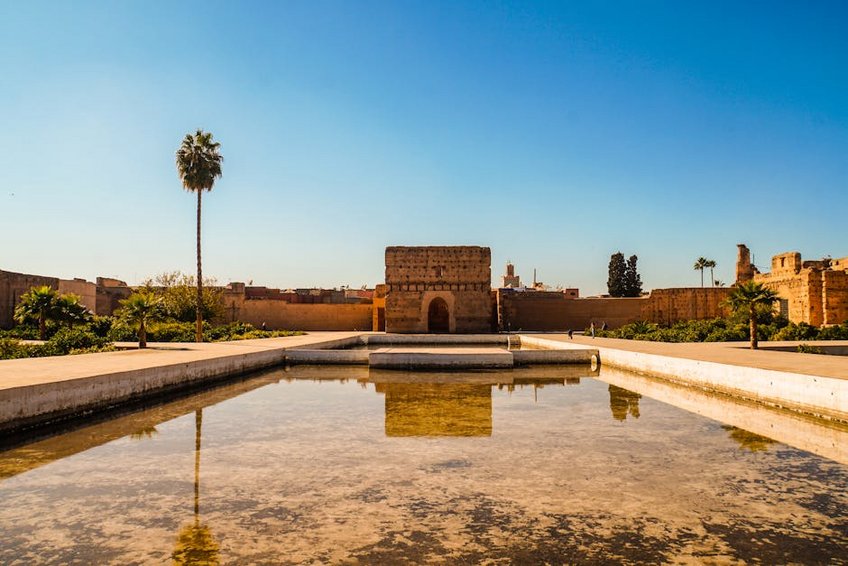
Marrakech Travel Guide: Navigate the Red City’s Labyrinth
Navigating Marrakech rewards travelers with sensory immersion in a city balancing ancient medina life with modern luxury. This Marrakech travel guide provides the specific strategies you need to handle vibrant souks, decipher labyrinthine alleys, and find tranquility in riad courtyards. You’ll learn to manage time, budget, and cultural expectations for a trip that’s engaging rather than overwhelming, connecting you to the city’s true rhythm beyond the tourist facade.
Essential Marrakech Information
Founded in 1062, Marrakech earned its “Red City” nickname from the rose-hued pisé clay of its historic walls. The city serves as a major economic hub and cultural heart of Morocco, blending Berber, Arab, and French colonial influences. Its UNESCO-listed medina contains souks, palaces, and mosques that have operated for centuries alongside contemporary art galleries and rooftop cafes.
The city’s layout centers on two key areas: the ancient medina, enclosed by 12 miles of ramparts, and the modern Gueliz district, known as the Ville Nouvelle. Djemaa el-Fna square acts as the perpetual epicenter, transforming from a daytime market into a massive open-air theatre of food stalls and performers each night. Understanding this geographic and cultural duality is your first step to a successful visit.
Key Facts at a Glance
Before you arrive, these foundational details will help you plan effectively.
- Language: Arabic and Berber (Tamazight) are official; French is widely spoken in business and tourism, with some English in main tourist zones.
- Currency: Moroccan Dirham (MAD). Exchange rate is approximately 10 MAD to 1 USD. Cash is king in the medina; cards are accepted in Gueliz hotels and higher-end restaurants.
- Visa: U.S., U.K., Canadian, and EU passport holders do not need a visa for tourist stays under 90 days. Your passport must be valid for at least six months from your entry date.
- Budget Traveler ($40-60/day): Stay in a basic dorm or private room in a budget riad. Eat street food and market meals. Walk or use local buses. Focus on free sights like the medina alleys and gardens. Souk purchases are limited to small items.
- Mid-Range Traveler ($100-180/day): Stay in a beautiful, mid-range riad with breakfast. Enjoy lunches at cafes and dinners at good restaurants. Take occasional petit taxis. Hire a local guide for a half-day medina tour. Enjoy some hammam and spa treatments.
- Luxury Traveler ($300+/day): Stay in a 5-star luxury riad or palace hotel like La Mamounia or Royal Mansour. Dine at high-end restaurants. Use private drivers for transfers and day trips. Book premium guided tours and private shopping experiences. Enjoy daily spa access.
- Moroccan National Tourist Office (ONMT)
- Lonely Planet Marrakech Guide
- World Health Organization – Morocco Travel Advice
Climate and Seasonal Considerations
Marrakech has a semi-arid climate with intense seasonal shifts that significantly impact your experience. Summers (June-August) are extremely hot, with daytime highs consistently reaching 100-104°F (38-40°C). This heat makes extensive midday exploration challenging, though evenings remain lively and warm.
Winter (December-February) brings pleasantly cool, sunny days with averages around 68°F (20°C), but temperatures can drop sharply at night to 41°F (5°C), especially in unheated riads. Spring (March-May) and autumn (October-November) offer the most balanced conditions for sightseeing, with mild temperatures and minimal rainfall.
Local Customs and Cultural Sensitivity
Moroccan culture is generally warm and hospitable, but respectful attire and behavior are appreciated. Dressing modestly, especially for women, helps minimize unwanted attention in the medina; consider covering shoulders and knees. While bargaining is expected and encouraged in the souks, do so with a smile and friendly attitude—it’s a social transaction.
Always ask permission before photographing people, particularly shopkeepers or performers in Djemaa el-Fna. During the holy month of Ramadan, eating, drinking, or smoking in public during daylight hours is prohibited by law, though most tourist restaurants remain open. Public displays of affection are frowned upon across the country.
Alt: “marrakech-medina-alleyway-sunlight-traditional-door”
Marrakech Travel Guide – Planning Your Trip
Effective planning for Marrakech hinges on balancing structured visits with flexible downtime to absorb the city’s unique pace. Your itinerary should alternate between the high-stimulation medina and the calmer, garden spaces like the Majorelle or Agdal. Allocate specific time for getting lost in the souks, as purposeful wandering often yields the best discoveries and interactions.
Booking your central medina riad at least two months in advance is crucial for the best options, particularly if traveling during the prime spring or fall seasons. For a first visit, a duration of four to five full days allows you to explore major sites, take a day trip, and recover from the initial cultural intensity without feeling rushed. Always confirm if your accommodation offers airport transfer; this simplifies arrival immensely.
Best Time to Visit Marrakech
The ideal months for a visit are April, May, October, and early November. During these periods, daytime temperatures are a comfortable 75-85°F (24-29°C), and evenings are mild. The gardens are in bloom in spring, and the autumn light is perfect for photography. These are also peak tourist seasons, so expect higher prices and more crowds at major sites.
Shoulder seasons like March and late November offer cooler days, around 65-70°F (18-21°C), and fewer tourists, with the trade-off of less predictable weather. June through September brings oppressive heat, while December to February offers cool, crisp days but requires packing layers for cold nights. Ramadan’s timing shifts yearly; travel is still possible but requires adjusted expectations for dining hours and general pace.
Budget Planning and Costs
Daily costs in Marrakech vary dramatically based on your style. Here’s a realistic breakdown for different budgets.
Essential Preparation Checklist
Packing correctly enhances comfort and respect. Bring lightweight, loose-fitting clothing that covers shoulders and knees, a wide-brimmed hat, and high-SPF sunscreen. Comfortable, closed-toe walking shoes are non-negotiable for uneven medina streets. A scarf is versatile for sun protection, modesty when visiting mosques (except Hassan II in Casablanca, non-Muslims cannot enter most), and cool evenings.
Ensure you have a power adapter for Type C/E (European two-pin) outlets. Download offline maps like Maps.me or Google Maps for the medina. Notify your bank of travel plans to use ATMs. While not mandatory, having some Euros or USD for initial exchange at the airport is wise. Book at least your first night’s accommodation and arrange pickup to avoid arrival stress.
Top Attractions and Immersive Activities
The Red City’s magic lies in its blend of monumental history and everyday life. Must-see sites include the architectural wonder of the Bahia Palace and the serene Saadian Tombs. Beyond these, the real attraction is participation: tasting fresh orange juice in the square, observing craftsmen in the souks, and finding a quiet rooftop for mint tea as the call to prayer echoes.
Allocate time for both the curated sights and unplanned exploration. Many palaces and museums close for lunch, typically between 12:00 and 14:30 or 15:00, so plan accordingly. Purchasing a combined ticket for the Marrakech Museum, Ben Youssef Madrasa, and other city monuments can offer savings if you plan to visit several.
Must-See Historical Highlights
The Koutoubia Mosque, with its 77-meter minaret, is the city’s iconic landmark and non-Muslims can admire its exterior gardens. The Bahia Palace, a masterpiece of 19th-century Moroccan architecture, showcases intricate zellij tilework, carved cedar ceilings, and peaceful courtyards. Visit early to avoid the largest tour groups.
The Saadian Tombs, sealed for centuries and rediscovered in 1917, contain lavishly decorated mausoleums for the Saadian dynasty sultans. The Ben Youssef Madrasa was North Africa’s largest Islamic college, featuring a breathtaking central courtyard with exquisite stucco and mosaic work. It reopened in 2022 after extensive restoration.
Hidden Gems and Local Favorites
Escape the medina bustle in the Cyber Park, a free, tranquil 18th-century garden with olive groves and free public Wi-Fi. The Musée de Mouassine, housed in a restored 16th-century mansion, offers a fascinating look at Marrakech’s domestic history and has a stunning, quiet rooftop cafe.
For a unique shopping experience, visit the Anima Garden near the Ourika Valley, part art installation and part botanical garden created by artist André Heller. In the Ville Nouvelle, the Musée Yves Saint Laurent celebrates the designer’s deep connection to Morocco and houses a superb collection of his work alongside the beautiful adjacent Jardin Majorelle.
Atlas Mountains Day Trips
A day trip to the nearby Atlas Mountains provides essential contrast to the city heat. The closest and most popular destination is the Ourika Valley, about an hour’s drive, offering scenic waterfalls and Berber village visits. For a more immersive experience, travel further to the Ouzoud Waterfalls or the fortified village of Ait Benhaddou, a UNESCO site.
Book a tour with a reputable operator that uses local Berber guides. Shared grand taxi trips can also be arranged from the main taxi rank. Ensure your vehicle is suitable for mountain roads. These excursions typically cost $40-80 USD per person for a full-day shared tour, including transportation and guide.
Practical Travel Information and Logistics
Navigating Marrakech requires understanding its specific transportation and accommodation landscape. The Menara Airport (RAK) is a modern hub 6 km from the medina. Petit taxis (small, beige cars) are the most efficient way for short trips within the city; they are metered but ensure the driver turns it on. Grand taxis are shared cars for longer journeys to places like the Atlas Mountains or Essaouira.
For a comprehensive overview of prices and options, the following table breaks down key costs and features for different travel needs.
| Category | Options/Features | Price Range (USD) |
|---|---|---|
| Medina Riad | Traditional house with courtyard, often includes breakfast, intimate setting. Can be hard to find. | $80 – $300+/night |
| Gueliz Hotel | Modern amenities, pools, international standards. Easier access but less local character. | $100 – $400+/night |
| Petit Taxi Ride | Within city limits, metered. Always carry small bills for payment. | $2 – $7 per trip |
| Guided Half-Day Tour | Private guide for medina history & souks. Essential for first-time navigation. | $40 – $80 per group |
| Hammam & Massage | Public bathhouse experience or luxury spa treatment. Prices vary widely by venue. | $10 – $150+ |