Cairo Travel Guide: Navigating Egypt’s Timeless Capital
Planning a trip to Egypt’s sprawling capital requires navigating its ancient wonders and modern energy. This Cairo travel guide offers essential logistics for visiting the Pyramids of Giza, exploring the Egyptian Museum’s treasures, and experiencing the bustling Khan el-Khalili bazaar. You’ll find practical advice on transportation, cultural etiquette, and timing your visit to balance iconic sights with local immersion across this historic metropolis.
Essential Information About Cairo
Cairo stands as Africa’s largest city, home to over 20 million people in its metropolitan area. Founded in 969 AD, its history spans from Pharaonic times through Islamic dynasties to its current role as Egypt’s political heart. The city sprawls across both banks of the Nile River, with Giza’s plateau hosting the ancient pyramids to the west.
Visitors engage with millennia of civilization compressed into one intense urban experience. The Egyptian capital operates on Eastern European Time (UTC+2) and uses the Egyptian pound (EGP). Most tourist areas accept major credit cards, but carrying local currency remains essential for markets and taxis.
Visa and Entry Requirements
Most Western travelers need a visa for entry, obtainable through straightforward processes.
- US, UK, EU, Canadian, and Australian passport holders can obtain a single-entry tourist visa on arrival at Cairo International Airport for $25 USD, payable in cash. The visa is valid for 30 days.
- Alternatively, apply for an e-Visa online before travel through the official Egyptian government portal for faster airport processing. This electronic option requires applying at least seven days before departure.
- Ensure your passport has at least six months validity remaining from your entry date and contains several blank pages. Immigration officials may request proof of onward travel or hotel reservations, though this isn’t consistently enforced.
- Budget travelers ($50-75/day) stay in hostels like Dahab Hostel ($15-20/night), eat koshary and falafel ($2-5/meal), use the metro ($0.25/ride), and visit free mosques. Entrance fees to major sites like the Egyptian Museum cost approximately $10-15 each.
- Mid-range visitors ($100-150/day) book hotels like Le Riad Hotel de Charme ($60-80/night), dine at restaurants like Abou El Sid ($15-25/meal), hire Uber for transport ($5-10/trip), and join small group pyramid tours ($40-60/person).
- Luxury travelers ($250-400+/day) stay at the Four Seasons Nile Plaza ($200-350/night), enjoy fine dining at Osmanly ($50-80/meal), employ private drivers ($40-60/day), and book exclusive experiences like private after-hours pyramid access ($150-200/person).
- Egyptian Tourism Authority Official Site
- Lonely Planet Cairo Guide
Climate and Weather Patterns
Cairo experiences a hot desert climate with two primary seasons. Summer (May to September) brings intense heat, with daytime highs regularly reaching 95-104°F (35-40°C). Humidity remains relatively low, but dust storms (khamsin winds) occasionally occur between March and May.
Winter (November to March) offers pleasant daytime temperatures of 65-75°F (18-24°C). Nights can cool to 50-55°F (10-13°C), particularly in desert areas near the pyramids. This cooler period receives minimal rainfall, making it the optimal time for extensive outdoor exploration.
Safety Considerations for Travelers
Cairo maintains significant tourist police presence around major sites and hotels. Petty theft like pickpocketing represents the primary concern, especially in crowded markets and on public transportation. Use hotel safes for passports and valuables while carrying minimal cash during daily excursions.
Traffic poses a considerable challenge, with chaotic driving patterns requiring extreme caution when crossing streets. Women traveling alone may experience verbal harassment; dressing conservatively and ignoring comments proves most effective. Always drink bottled water and verify taxi meters are running before departure.
Alt: “cairo-egypt-pyramids-of-giza-camel-desert-background”
Cairo Travel Guide – Planning Your Trip
Effective planning transforms a visit to this overwhelming city into a manageable adventure. Allocate days geographically: dedicate one full day to the Giza Plateau and Saqqara, another to Islamic Cairo and the Citadel, and a third to downtown museums and Coptic areas. Booking pyramid entry tickets online in advance saves considerable queue time during peak hours.
Budget approximately $50-75 USD daily for budget travelers covering hostels, street food, and public transport. Mid-range visitors spending $100-150 daily secure comfortable hotels, restaurant meals, and private drivers. Luxury experiences including five-star Nile hotels and private guided tours run $250-400+ per day. Always confirm if prices include 14% VAT and 12% service charge.
Best Time to Visit Cairo
Visit between October and April for ideal weather conditions across the Egyptian capital. Daytime temperatures range from 70-80°F (21-27°C) with cooler evenings perfect for sound and light shows. December and January bring peak tourist crowds, requiring advance bookings for hotels and internal flights.
Shoulder months of March-April and October-November offer slightly fewer visitors with similarly pleasant climate. Summer months from June to August appeal only to those tolerant of extreme heat exceeding 100°F (38°C). Many cultural festivals occur in winter, including the Cairo International Film Festival in November.
Budget Planning and Costs
Daily expenses vary dramatically based on accommodation and touring style.
Essential Preparation Checklist
Pack lightweight, loose-fitting clothing with conservative coverage for mosques and churches. Include a scarf for women to cover hair when entering religious sites. Comfortable walking shoes are non-negotiable for navigating uneven archaeological sites and cobblestone streets.
Bring universal power adapters (Type C/F, 220V), portable chargers, and copies of your passport. Download offline maps via Google Maps and careem ride-hailing app before arrival. Purchase comprehensive travel insurance covering medical evacuation, as local hospitals may not meet Western standards for serious conditions.
Top Attractions and Historical Sites
The Giza Pyramid Complex remains the world’s most iconic ancient site, featuring the Great Pyramid of Khufu, Pyramid of Khafre, and Pyramid of Menkaure. Arrive at opening (8am) to avoid crowds and heat, purchasing a separate ticket to enter the Great Pyramid interior. The Solar Boat Museum and panoramic viewpoint behind the complex offer exceptional photo opportunities.
The Egyptian Museum in Tahrir Square houses the world’s most extensive collection of Pharaonic antiquities despite the newer Grand Egyptian Museum’s partial opening. Allow three hours minimum to see highlights like Tutankhamun’s gold mask and royal mummies. Hire an official guide at the entrance for meaningful context about the artifacts.
Must-See Highlights
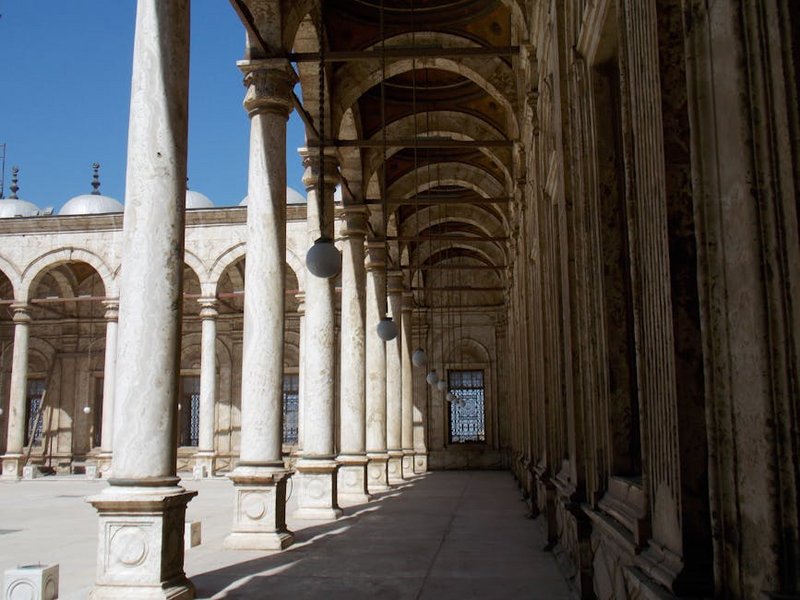
The Citadel of Saladin, constructed in the 12th century, offers panoramic city views from its hilltop position. Within its walls, the Muhammad Ali Mosque’s alabaster interior and massive dome impress visitors. Allocate two hours to explore the military museum and several smaller mosques within the complex.
Khan el-Khalili Bazaar, dating to 1382, provides sensory immersion in Cairo’s trading heritage. Navigate its labyrinthine alleys for brass lanterns, spices, and papyrus artwork, but practice firm bargaining starting at 30% of initial quotes. Nearby, Al-Azhar Mosque represents one of the world’s oldest universities, founded in 970 AD.
The Coptic Cairo district reveals the city’s Christian heritage through the Hanging Church, built over Roman fortress gates. The Coptic Museum contains priceless textiles and manuscripts, while the Ben Ezra Synagogue marks where baby Moses was allegedly found. This compact area requires one to two hours to explore thoroughly.
Hidden Gems and Local Favorites
Visit the Manial Palace and Museum on Rhoda Island, a preserved royal residence showcasing Ottoman, Moorish, and European design influences. Its lush gardens provide peaceful respite from urban noise, with admission costing approximately $5 USD. The nearby Nilometer, used for measuring river floods since 861 AD, offers unique historical insight.
Explore Al-Muizz Street in Islamic Cairo, containing the highest concentration of medieval architectural treasures in the Islamic world. The Qalawun Complex and Bayt al-Suhaymi represent beautifully restored examples of Mamluk-era design. Visit late afternoon when golden light enhances the stonework and crowds diminish.
Nile River Experiences
A felucca sailboat ride at sunset provides iconic views of the Cairo skyline from the water. Negotiate directly with boat captains at docks near the Four Seasons or Marriott hotels for 30-60 minute journeys costing $10-20 per boat. For dinner cruises, avoid tourist-trap boats with mediocre buffets in favor of smaller operators like Bateaux du Nil.
The Cairo Tower in Zamalek offers 360-degree city views from its 614-foot observation deck, particularly stunning after dark when the city lights illuminate. Tickets cost approximately $10 USD, with shorter lines during weekday mornings. The rotating restaurant at the top provides full-circuit views during a meal.
Practical Travel Information and Logistics
Cairo International Airport (CAI) serves as the primary gateway, located 15 miles northeast of downtown. Most international flights arrive at Terminal 3, with efficient visa-on-arrival counters before immigration. Pre-book airport transfers through your hotel or reputable companies like Memphis Tours for stress-free arrival.
Within the city, Uber and Careem offer reliable, metered transportation with English-language apps. White taxis lack meters, requiring fare negotiation before entry. The Cairo Metro provides efficient transport between major districts for less than $0.30 per ride, with separate women-only cars during peak hours.
| Accommodation Type | Neighborhood & Features | Price Range/Night (USD) |
|---|---|---|
| Budget Hostels | Downtown Cairo: shared dorms, social atmosphere, basic amenities | $15-30 |
| Mid-Range Hotels | Zamalek/Garden City: private rooms, breakfast included, pool access | $60-120 |
| Luxury Hotels | Nile Corniche: five-star service, river views, multiple restaurants | $200-400+ |
| Historic Stays | Islamic Cairo: restored heritage houses, traditional décor, cultural immersion | $80-150 |