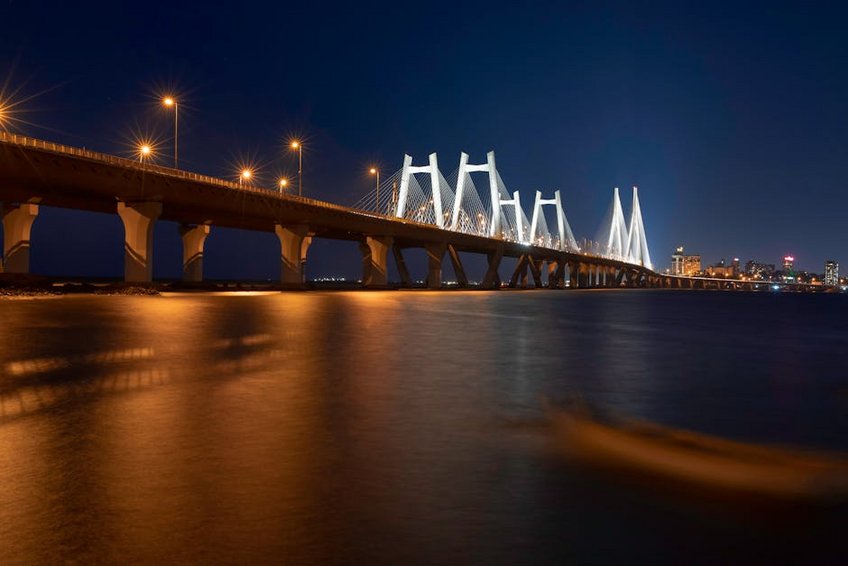
Mumbai Travel Guide: Navigating India’s Maximum City
This Mumbai Travel Guide provides the essential strategies you need to explore India’s most dynamic metropolis with confidence. Navigating the city’s intense energy, from the colonial architecture of South Mumbai to the Bollywood studios of the suburbs, requires insider knowledge on timing, transit, and cultural etiquette. We’ll cover everything from securing the best street food to understanding local neighborhoods, ensuring your visit is both immersive and efficient.
Essential Mumbai Information
Mumbai, formerly Bombay, is the financial, commercial, and entertainment capital of India. The city sprawls across a series of islands and a peninsula on the west coast, with its historic core in the southern district. Understanding its geography is key to planning your days, as traffic makes north-south travel time-consuming.
The local currency is the Indian Rupee (INR), though major credit cards are widely accepted in hotels and larger restaurants. U.S. citizens need a valid visa or an E-Visa for entry, which should be secured online well before departure. The city’s population exceeds 20 million, creating a bustling, crowded, and endlessly fascinating urban environment.
What You Need to Know Before You Go
Prepare for sensory overload and logistical planning. These foundational points will set the stage for a smoother experience.
- Climate is tropical: Sweltering, humid heat precedes the monsoon rains from June to September, while November to February offers warm, dry, and more comfortable conditions for exploration.
- Transportation is varied: The local train network is incredibly efficient for long distances but intensely crowded; metered taxis and app-based rides (like Uber and Ola) are best for point-to-point travel within districts.
- Cultural dress is conservative: While Mumbai is modern, modest clothing that covers shoulders and knees is respectful, especially when visiting religious sites like temples or mosques.
- Budget Traveler ($25-50): Includes dorm or budget guesthouse lodging, meals from street stalls and local canteens (thali), travel via local trains and buses, and free or low-cost attractions like beaches and markets.
- Mid-Range Traveler ($75-150): Covers a comfortable 3-star hotel in a central area, mix of casual and mid-range restaurant meals, use of app-based cabs for most transport, and paid entry to major museums or a guided walking tour.
- Luxury Traveler ($250+): Encompasses 5-star or heritage palace hotel stays, fine dining experiences, private car with driver for day trips, exclusive tours, and premium tickets for performances or events.
- Maharashtra Tourism Development Corporation
- Lonely Planet – Mumbai Travel Information
Key Neighborhoods and Districts
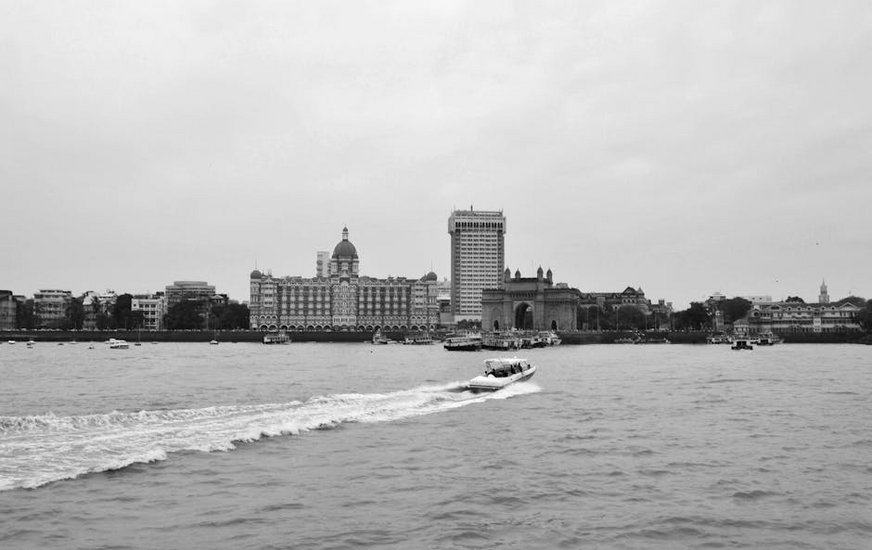
South Mumbai holds the historic and administrative heart. The Colaba Causeway area is the main tourist hub, home to the Gateway of India and the iconic Taj Mahal Palace hotel. Further north, the Fort area contains grand Victorian Gothic buildings like the Chhatrapati Shivaji Terminus railway station.
Central and North Mumbai represent the city’s expansive residential and commercial growth. Bandra is a trendy suburb with boutiques, cafes, and the homes of Bollywood stars. Juhu Beach offers a classic Mumbai sunset stroll, while the Lower Parel area exemplifies the city’s modern skyline with high-rise malls and offices.
The Monsoon Season Reality
The southwest monsoon arrives in early June and typically lasts through September. Rainfall can be extremely heavy, causing significant flooding and disrupting local transportation, including flights and trains. While the city is lush and the rains dramatic, travel during this period requires flexibility, waterproof gear, and careful daily planning around weather alerts.
Alt: “gateway-of-india-mumbai-harbor-sunset-view”
Mumbai Travel Guide – Planning Your Trip
Successful navigation of Maximum City hinges on strategic planning around seasons, budgets, and pacing. Your Mumbai Travel Guide priorities should balance iconic sights with local immersion, allocating time for both structured tours and spontaneous exploration. Avoid trying to see everything in a short visit; instead, focus on a few districts in depth.
Budget planning is highly variable. Street food and local train travel cost just dollars, while fine dining and luxury hotels match global city prices. Decide your splurge categories—whether it’s a heritage hotel stay, a private car and guide, or a multi-course tasting menu—and save on others to manage overall costs effectively.
Best Time to Visit Mumbai
The ideal visiting window is during the cool, dry winter, from November through February. Daytime temperatures range from a pleasant 77°F to 90°F (25°C to 32°C), with low humidity and minimal rain. This is peak tourist season, so book flights and popular hotels several months in advance to secure the best rates and availability.
Shoulder seasons of October and March are hotter but still manageable, with temperatures climbing above 95°F (35°C). The summer months from April to May are intensely hot and humid, making extensive outdoor activity challenging. Most travelers actively avoid the monsoon period from June to September due to flooding risks.
Budget Planning and Costs
Daily costs vary dramatically based on your travel style. Here is a breakdown of what to expect per person, per day.
Essential Preparation Checklist
Pack light, breathable clothing made from cotton or linen, a sturdy pair of walking shoes, and a scarf or shawl for covering shoulders. Essential tech includes a universal power adapter (India uses 230V, Type C/D/M plugs) and a portable power bank for long days out. A good quality water bottle you can refill with purified water is also crucial.
Ensure your travel insurance covers medical evacuation. Book your first night’s accommodation in advance, especially if arriving late. Have digital and physical copies of your passport, visa, and important travel documents. Download offline maps and local ride-hailing apps before you arrive to navigate seamlessly from the airport.
Top Attractions and Urban Experiences
Bombay’s appeal lies in its staggering contrasts. You can witness ancient cave temples, grand colonial-era architecture, and ultra-modern skyscrapers within a single day. The city’s energy is its main attraction, best absorbed by walking through its diverse neighborhoods and observing daily life unfold.
From spiritual sites to cinematic landmarks, the city offers layered experiences. Allocate time not just for sightseeing, but for sitting at a seaside promenade like Marine Drive, watching the world go by. This is where you truly connect with the local rhythm.
Must-See Highlights
The Gateway of India, built to commemorate a royal visit in 1911, is the city’s most famous landmark. From its steps, you can book ferry rides to the Elephanta Caves, a UNESCO World Heritage Site featuring rock-cut temples dedicated to Shiva. The nearby Taj Mahal Palace hotel is an architectural marvel worth visiting for a high tea experience.
The Chhatrapati Shivaji Maharaj Vastu Sangrahalaya (Prince of Wales Museum) showcases superb collections of Indian art and historical artifacts. For a different perspective, visit Dhobi Ghat, the world’s largest open-air laundry, an astonishing example of a centuries-old system still operating at scale. Each highlights a unique facet of the city’s identity.
Hidden Gems and Local Favorites
Explore the labyrinthine lanes of Khotachiwadi, a heritage village in the heart of the city filled with colorful, old Portuguese-style houses. Visit the Dr. Bhau Daji Lad Mumbai City Museum, a beautifully restored 19th-century building that details the city’s history with engaging exhibits. Both offer a quiet respite from the surrounding urban chaos.
For a unique spiritual experience, visit the Banganga Tank in Walkeshwar, an ancient stepped water tank surrounded by temples, said to be filled by a natural spring. The area feels removed from time. Similarly, the Haji Ali Dargah, a mosque and tomb situated on an islet in the sea, is accessible by a causeway during low tide and offers powerful views and atmosphere.
Bollywood and Film Culture
As the heart of the Hindi film industry, Mumbai offers several ways to engage with Bollywood. Some studios offer guided tours, though access can be limited. A more reliable option is to book a Bollywood dance workshop or try to get audience tickets for a television show recording.
For true cinephiles, visit the film-centric neighborhoods of Bandra and Juhu, where you might spot celebrities. The annual Mumbai Film Festival in late October also provides a chance to see a wide array of Indian and international cinema. Engaging with this aspect of culture adds a vibrant layer to your visit.
Practical Travel Information
Navigating Mumbai’s infrastructure is an adventure in itself. The city’s size demands a mix of transportation modes. The suburban railway network is the city’s lifeline, divided into Western, Central, and Harbour lines. For first-timers, the first-class compartments are less crowded and offer a more manageable introduction to the system.
Accommodation choices directly impact your experience. South Mumbai (Colaba, Fort) places you near major historic sights but in a busier, more touristy zone. The western suburbs (Bandra, Juhu) offer a more local, residential vibe with great dining but require longer commutes to the southern attractions.
| Accommodation Type | Best For / Features | Price Range (USD/Night) |
|---|---|---|
| Heritage Luxury Hotels | History, iconic service, central South Mumbai locations, fine dining. | $250 – $600+ |
| International Business Hotels | Modern amenities, pools, gyms, often in Bandra or Lower Parel. | $120 – $300 |
| Boutique Guesthouses | Character, personalized service, located in neighborhoods like Colaba or Bandra. | $70 – $150 |
| Budget Hotels/Hostels | Solo travelers, backpackers, basic private rooms or dorms, social atmosphere. | $15 – $50 |