Shanghai Travel Guide: Navigating China’s Global Metropolis
Planning your first visit to China’s largest city requires understanding its unique fusion of historic districts and hyper-modern skylines. This Shanghai travel guide provides the essential framework for exploring everything from serene classical gardens to the world’s fastest commercial train. You’ll find practical advice on navigating neighborhoods, managing costs, and experiencing the authentic local culture beyond the tourist hotspots.
Essential Shanghai Information
Shanghai operates as a direct-controlled municipality, granting it provincial-level status within China. Its strategic location at the mouth of the Yangtze River has driven its growth for centuries, first as a fishing village and later as a treaty port. The city’s name translates to “Upon the Sea,” reflecting its fundamental connection to maritime trade.
Today, over 24 million residents call this global financial hub home, spread across 16 districts. The Huangpu River physically and culturally divides the city into Puxi (west of the river) and Pudong (east of the river). Understanding this basic geography is key to efficient navigation and appreciating the contrasting architectural styles.
Key Facts and Figures
Before you arrive, these core statistics will help set your expectations.
- Population: Approximately 24.9 million in the municipality, with nearly 15 million in the urban core, making it one of the world’s most populous cities.
- Language: Mandarin Chinese is official, but Shanghainese (a Wu dialect) is commonly spoken; English comprehension varies significantly by area and generation.
- Time Zone: China Standard Time (UTC+8), which does not observe daylight saving time, creating a 12-15 hour difference from US/EU time zones.
- Budget Traveler ($40-65/day): Stay in hostel dorms ($15-25), eat primarily at local noodle shops and street food stalls ($10-15), use the metro exclusively ($2-4), and focus on free sights like the Bund and public parks.
- Mid-Range Traveler ($100-180/day): Comfortable hotel in Puxi ($70-120), meals at a mix of local restaurants and casual international spots ($25-40), occasional taxis plus metro ($10), and entry fees for 1-2 major attractions per day ($15-20).
- Luxury Traveler ($300+/day): 4-5 star hotel with river views ($180+), fine dining and premium experiences ($80+), private car transfers or guided tours ($50+), and VIP access to observation decks and shows.
- Shanghai Municipal Government
- Travel China Guide – Shanghai
Understanding Shanghai’s Layout
The city’s layout centers on the Huangpu River. Puxi contains the historic heart, including the Bund, former French Concession, and Jing’an Temple. This area features colonial architecture, tree-lined avenues, and dense, walkable neighborhoods filled with shops and cafes.
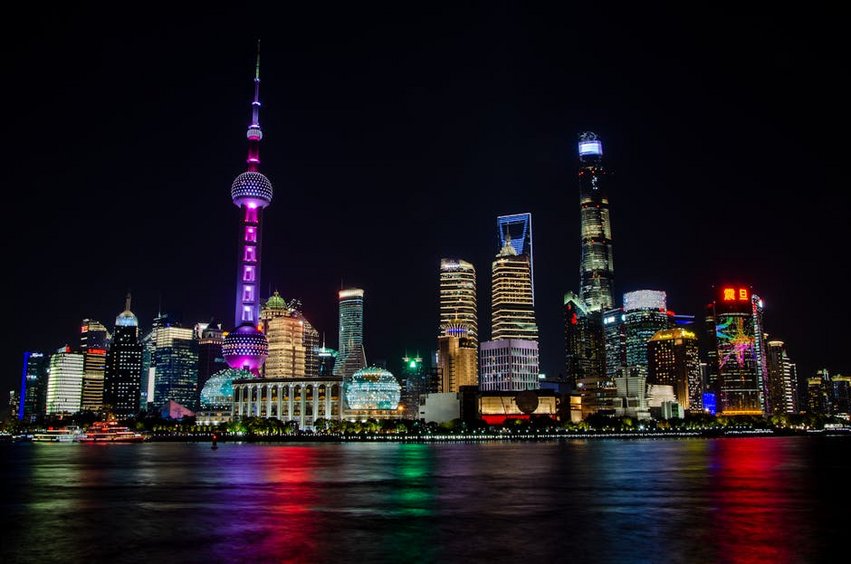
Pudong, developed primarily since the 1990s, showcases China’s modern ambition with the iconic Oriental Pearl Tower and Shanghai Tower. It’s the financial and exhibition district, connected by an efficient metro system. Most visitors split their time between these two contrasting halves.
Visa and Entry Requirements
Most travelers require a visa to enter China. US, UK, Canadian, and EU passport holders must apply for an L (Tourist) Visa before arrival. The process involves submitting an application form, passport photos, flight itinerary, and hotel bookings to a Chinese embassy or consulate.
Allow at least one month for standard processing. Many nationalities can now benefit from a 144-hour transit visa waiver if traveling to a third country, but rules are strict. Always verify current requirements directly with official sources before booking non-refundable trips.
Alt: “shanghai-bund-colonial-architecture-skyline-river”
Shanghai Travel Guide – Planning Your Trip
Successful exploration of this massive city hinges on thoughtful preparation. Your itinerary should balance iconic sights with neighborhood immersion, accounting for weather and local holidays. Prioritize accommodations based on your preferred pace—bustling commercial centers or quieter, leafy streets.
Budget planning is particularly important, as costs can range from incredibly affordable street food to world-class luxury. This guide’s structured approach helps you allocate funds effectively. Advance bookings for major attractions and popular restaurants are highly recommended, especially during peak seasons.
Best Time to Visit Shanghai
The ideal months are spring (March to May) and autumn (September to November). Spring brings mild temperatures between 50-70°F (10-21°C) and blooming flowers, though occasional rain is likely. Autumn offers clear, comfortable weather ranging from 55-75°F (13-24°C) and is perfect for outdoor exploration.
Summer (June-August) is hot, humid, and rainy, with temperatures soaring to 95°F (35°C) and high humidity. Winter (December-February) is chilly and damp, averaging 35-48°F (2-9°C), with little snowfall. Major public holidays like Chinese New Year (Jan/Feb) and National Day (Oct 1-7) see massive domestic travel crowds.
Budget Planning and Costs
Daily costs vary dramatically based on style. Here is a realistic breakdown for a per-person budget.
Essential Preparation Checklist
Pack for variable weather with layers, comfortable walking shoes, and a compact umbrella. A power adapter for Type A, C, or I outlets is necessary, as China uses 220V voltage. Download essential apps before you arrive: Didi (ride-hailing), Pleco (translation), MetroMan (subway maps), and WeChat for potential payments.
Ensure your passport is valid for at least six months beyond your entry date. Purchase comprehensive travel insurance that covers medical evacuation. Book key accommodations and intra-China flights well in advance, especially if traveling during a festival. Notify your bank of travel plans to use foreign ATMs.
Top Attractions and Must-See Sights
The city’s iconic skyline is best appreciated from multiple angles. Start at the Bund for the classic view of Pudong’s futuristic towers across the river. Then, cross via the Bund Sightseeing Tunnel or metro to experience those towers up close. This one-two punch encapsulates Shanghai’s old-meets-new essence perfectly.
Beyond the postcard views, the city’s soul lives in its historical districts and cultural sites. The Yu Garden and City God Temple area offer a glimpse into Ming Dynasty design, while the former French Concession provides a leisurely pace for cafe-hopping and people-watching. Allocate time for both monumental and intimate experiences.
Iconic Landmarks and Viewpoints
The Bund is a must-visit, featuring 52 historical buildings showcasing Gothic, Baroque, and Art Deco architecture. Walk its 1.5-kilometer length for free, or take a Huangpu River cruise for a dynamic perspective. Visit at dusk to see the buildings illuminated and the Pudong skyline light up.
In Pudong, ascend one of the super-tall towers. The Shanghai Tower (632m) has the world’s highest observation deck at 118 floors. The Shanghai World Financial Center offers a glass-bottomed walkway. The older Oriental Pearl Tower has a revolving restaurant. Tickets range from $20-35 USD; book online for small discounts.
Cultural and Historical Gems
The Yu Garden and its surrounding bazaar is a 16th-century classical Chinese garden with pavilions, rockeries, and ponds. Adjacent, the City God Temple market bustles with snack stalls and souvenir shops. Arrive early to beat the crowds; entry to the garden is about $6 USD.
The Jade Buddha Temple houses two precious jade Buddha statues brought from Burma in the 19th century. It’s an active monastery, offering a serene escape. The Shanghai Museum in People’s Square is world-class, with extensive collections of ancient Chinese art, bronzes, and ceramics. Admission is free but requires a timed reservation.
Neighborhoods for Wandering
The former French Concession is famous for its plane-tree-shaded streets, boutique shops, and historic lane houses (shikumen). Areas like Xintiandi and Tianzifang have been renovated into charming entertainment and shopping districts, though they are quite commercial. For a more local feel, wander the quieter streets around Fuxing Park.
Zhujiajiao Water Town, located about an hour west of central Shanghai, offers a classic canal-side experience with ancient bridges and teahouses. It’s a popular half-day trip. For modern art, head to the M50 art district on Moganshan Road, a complex of galleries housed in converted warehouses.
Practical Travel Information: Logistics and Accommodation
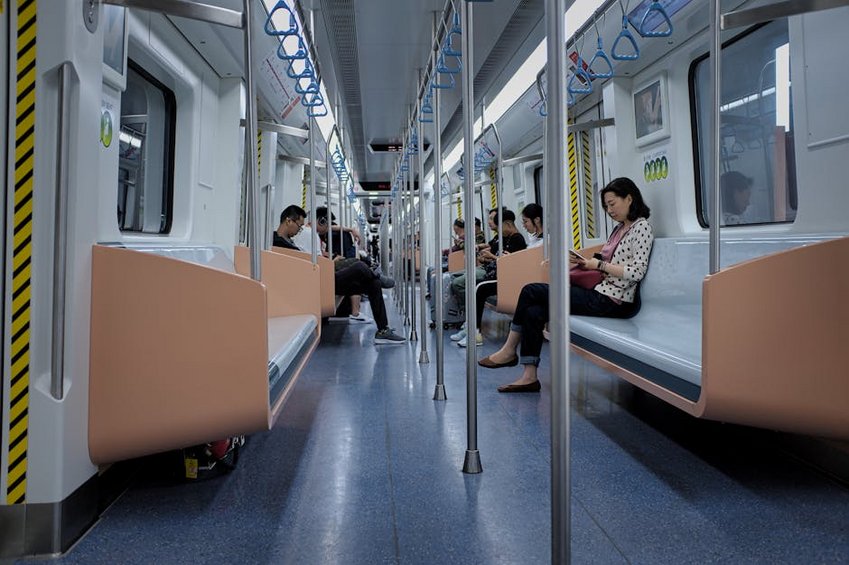
Navigating Shanghai is efficient thanks to its extensive and affordable public transportation system. The metro is clean, safe, and the best way to cover long distances quickly. Taxis and ride-hailing apps like Didi are plentiful for direct point-to-point travel, though traffic in central areas can be heavy during peak hours.
Accommodation choices define your experience. Puxi offers proximity to historic sites, dining, and nightlife. Pudong provides modern luxury and convenience for business travelers. For first-time visitors, staying close to a major metro intersection in Puxi, like People’s Square or Nanjing Road East, offers the best balance of access and ambiance.
| Accommodation Area | Best For | Price Range/Night (USD) |
|---|---|---|
| The Bund & Nanjing Road | First-time visitors, luxury, iconic views | $120 – $400+ |
| Former French Concession | Atmosphere, cafes, boutique shopping | $80 – $250 |
| People’s Square | Transport hub, museums, mid-range options | $60 – $180 |
| Pudong (Lujiazui) | Business, modern luxury, skyline views | $100 – $350+ |
| Jing’an Temple | Upscale shopping, dining, central location | $90 – $300 |