Hong Kong Travel Guide: Navigate the Ultimate East-Meets-West Metropolis
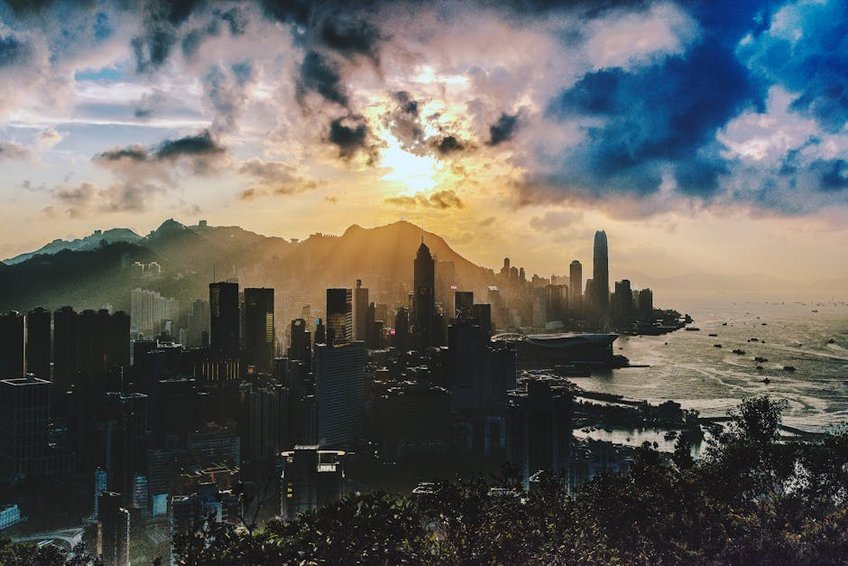
Hong Kong presents a breathtaking fusion of soaring skyscrapers, tranquil hiking trails, and deep-rooted Chinese traditions, all packed into a dynamic coastal city. This guide delivers the practical insights and local knowledge you need to experience everything from Michelin-starred dim sum to the serene views from Victoria Peak. We’ll cover essential planning, must-see attractions, local food culture, and smart travel tips for navigating this iconic destination efficiently.
Essential Hong Kong Information
Hong Kong operates as a Special Administrative Region of China, maintaining its own governance, currency, and legal system under the “one country, two systems” principle. The official languages are Cantonese and English, with most signage bilingual, making navigation straightforward for English speakers. Its subtropical climate brings hot, humid summers and mild, dry winters, directly impacting the best times for your visit.
The local currency is the Hong Kong Dollar (HKD), which is pegged to the US Dollar at approximately HKD 7.8 to USD 1. Credit cards are widely accepted, but carrying some cash is essential for markets, local eateries, and transportation like trams. The city boasts an incredibly efficient and cheap public transport network, including the MTR subway, double-decker buses, iconic Star Ferry, and historic trams.
Understanding Hong Kong’s Layout
Navigating the city begins with understanding its three main parts. Hong Kong Island is the financial and historic core, Central and Admiralty house gleaming towers, while Sheung Wan and Wan Chai offer older charm.
- Hong Kong Island: The bustling southern island featuring the Central business district, the Peak, and residential areas like the upscale Mid-Levels. It’s the epicenter of finance and colonial history.
- Kowloon: The peninsula north of the island, known for dense urban living, famous markets like Temple Street, and stunning harborfront views from the Tsim Sha Tsui promenade.
- The New Territories & Outlying Islands: The mainland area and over 250 islands offer hiking, beaches, and traditional villages. Lantau Island hosts the airport, Ngong Ping 360, and Tai O fishing village.
- Budget Traveler ($50-80 USD/day): Stay in a guesthouse in Chungking Mansions (Tsim Sha Tsui) or a hostel in Causeway Bay. Eat exclusively at local noodle shops and cha chaan tengs, and focus on free activities like hiking Dragon’s Back, visiting public parks, and exploring street markets. Use public transport exclusively.
- Mid-Range Traveler ($150-250 USD/day): Stay in a 3-4 star hotel in Kowloon or on Hong Kong Island near an MTR station. Enjoy a mix of local eateries and one nice restaurant per day. Visit paid attractions like the Peak Tram, Ngong Ping 360, and museums. Take the occasional taxi for convenience.
- Luxury Traveler ($400+ USD/day): Stay at a 5-star harbor-view hotel in Tsim Sha Tsui or Central. Dine at Michelin-starred restaurants and high-end bars. Enjoy private tours, helicopter rides over the city, and premium shopping experiences in malls like Harbour City or IFC.
- Hong Kong Tourism Board
- MTR Corporation Limited
Visa and Entry Requirements
Entry requirements depend entirely on your passport nationality. U.S., Canadian, U.K., and most EU passport holders do not need a visa for tourist stays of up to 90 days. You must have a passport valid for at least one month beyond your intended stay. Immigration will provide a landing slip upon arrival; keep this with your passport, as hotels may need it for registration. Always check the latest requirements with the Hong Kong Immigration Department before booking, as policies can change.
Cultural Context and Etiquette Basics
Hong Kong culture blends Cantonese traditions with British colonial influences, creating a unique, fast-paced society. While extremely modern, certain courtesies are appreciated. A slight nod or handshake suffices for greetings; handing over business cards or money with both hands shows respect. Tipping is not a deep-rooted custom; most restaurants add a 10% service charge, and you can leave small change in taxis. Dress is generally smart-casual, but cover shoulders and knees when visiting temples.
Alt: “hong-kong-victoria-harbour-skyline-night-lights”
Hong Kong Travel Guide – Planning Your Trip
Creating a successful Hong Kong itinerary balances iconic sights with local neighborhoods and culinary adventures. Your days will mix urban exploration with natural escapes, as the city’s efficient transport makes it easy to go from a morning hike to an afternoon of shopping. Prioritize based on your interests, whether that’s food, photography, history, or family fun. Booking key attractions like Peak Tram tickets online saves considerable queue time.
Budgeting requires a strategic approach, as costs can vary wildly. Accommodation represents your biggest expense, followed by dining. You can save significantly by eating at local cha chaan tengs (tea restaurants) and using public transport. Purchasing an Octopus card upon arrival is non-negotiable for seamless travel on MTR, buses, ferries, and even convenience store purchases. Consider getting a SIM card or portable Wi-Fi at the airport for easy navigation.
Best Time to Visit Hong Kong
The optimal time for a Hong Kong visit is during the autumn months of October to early December. During this period, you’ll enjoy pleasant, dry weather with temperatures ranging from 70°F to 80°F (21°C to 27°C) and lower humidity. These conditions are perfect for hiking, sightseeing, and outdoor dining. Chinese National Day in early October brings crowds, but the overall season is manageable.
Spring (March to April) offers warm, humid weather with occasional showers, while winter (December to February) is cool, ranging from 55°F to 68°F (13°C to 20°C). The summer months from May to September are hot, extremely humid, and prone to typhoons, with temperatures often exceeding 86°F (30°C). This season is less ideal for extensive outdoor activity but sees fewer tourists.
Budget Planning and Costs
Daily costs in Hong Kong span a wide range, depending entirely on your choices for food, lodging, and activities.
Essential Preparation Checklist
Packing for Hong Kong requires light, breathable clothing for the humid climate, but always include a light sweater or jacket for aggressively air-conditioned malls and restaurants. Comfortable walking shoes are absolutely mandatory, as you will cover significant ground on foot. Bring a universal power adapter (UK-style 3-prong plugs are standard) and a portable power bank for your phone.
Essential documentation includes your passport and printed confirmations for flights, hotels, and pre-booked tours. While not mandatory, travel insurance with medical coverage is highly recommended. Download essential apps before you go: Citymapper or MTR Mobile for transport, OpenRice for restaurant reviews, and the MyObservatory app for accurate weather forecasts and typhoon warnings.
Top Attractions and Unmissable Experiences
Hong Kong’s appeal lies in its dramatic contrasts. You can ascend to a mountain peak, explore a timeless fishing village, and witness a cutting-edge light show all in one day. The key is leveraging the city’s superb public transport to move between these diverse experiences seamlessly. Many top sights, like the Symphony of Lights and numerous hiking trails, are completely free, offering incredible value.
For first-time visitors, the classic trifecta includes Victoria Peak, the Star Ferry ride across Victoria Harbour, and the Tsim Sha Tsui waterfront promenade. These experiences provide the quintessential postcard views and a feel for the city’s rhythm. Beyond these, delving into neighborhoods like Mong Kok for its markets or taking a ferry to a tranquil outlying island reveals the city’s multifaceted character.
Must-See Highlights
Victoria Peak (The Peak): The city’s most famous viewpoint. Take the historic Peak Tram up to Sky Terrace 428 for a 360-degree panorama. For a free alternative, walk the Peak Circle Walk. Visit late afternoon to see the city transition from day to night. Pre-purchase tram tickets online to avoid the notoriously long queues.
Star Ferry: This iconic green-and-white ferry is both a practical commute and a timeless attraction. The 10-minute ride between Central and Tsim Sha Tsui offers unbeatable harbor views for just a few HKD. Ride at dusk for the best photography light. Sit on the lower deck for the most authentic experience.
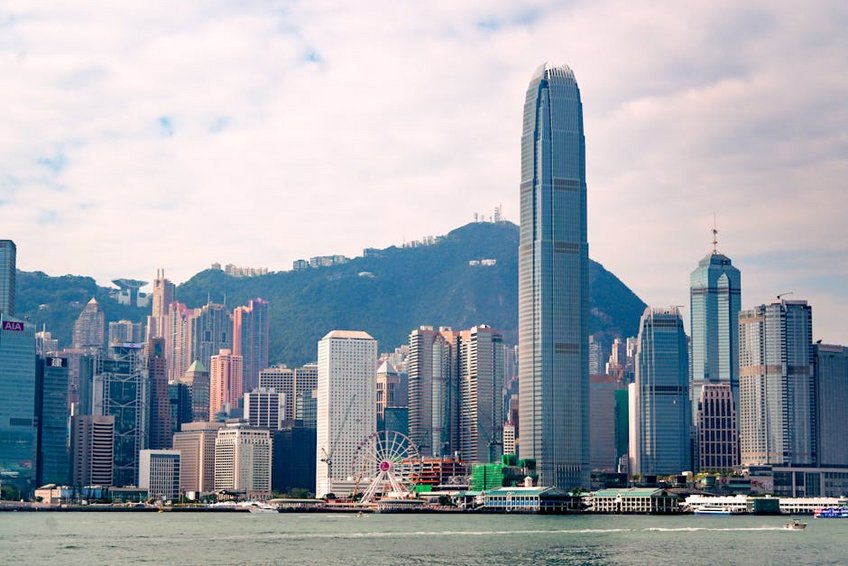
Tsim Sha Tsui Promenade & Avenue of Stars: This waterfront walk offers a straight-on view of Hong Kong Island’s spectacular skyline. It’s the perfect spot for the nightly “Symphony of Lights” show at 8:00 PM. The recently renovated Avenue of Stars celebrates Hong Kong’s film industry, featuring handprints of stars like Bruce Lee.
Hidden Gems and Local Favorites
Escape the crowds by taking a ferry to Lamma Island. The family-friendly hike from Sok Kwu Wan to Yung Shue Wan passes seafood restaurants, beaches, and a traditional fishing community. It offers a peaceful, car-free alternative to the city’s intensity. The hike takes about 1.5 hours at a leisurely pace.
Explore the Tai Kwun Centre for Heritage and Arts in Central. This meticulously restored complex of former colonial police barracks and a prison now houses art galleries, restaurants, and performance spaces. It’s a fascinating blend of history and contemporary culture, often missed by tourists rushing through Central. Entry to the historic compound is free.
Family-Friendly Activities
Hong Kong Disneyland on Lantau Island provides a familiar yet culturally unique theme park experience with special Chinese touches. Ocean Park, located on the southern side of Hong Kong Island, combines an aquarium, amusement park, and zoo with a strong conservation message. The Hong Kong Science Museum in Tsim Sha Tsui, with its hands-on exhibits, is another excellent, educational option for children.
Practical Travel Information: Logistics Made Easy
Hong Kong International Airport (HKG) is a major global hub, efficiently connected to the city via the Airport Express train, which reaches Central in just 24 minutes. Upon arrival, purchase an Octopus Card at the Airport Express counter or an MTR customer service center. This reloadable smart card is your key to the city, valid on virtually all public transport and many retail outlets.
Accommodation choices define your experience. Tsim Sha Tsui in Kowloon offers great harbor views, vibrant street life, and slightly better value. Central on Hong Kong Island is ideal for business or luxury travelers wanting to be in the financial heart. Causeway Bay and Wan Chai offer a lively, local atmosphere with excellent shopping and dining. For families or those seeking space, consider serviced apartments in areas like Quarry Bay.
| Accommodation Type | Best For / Features | Average Nightly Price (USD) |
|---|---|---|
| Budget Hostel / Guesthouse | Solo travelers & backpackers; basic private rooms or dorms in buildings like Chungking Mansions; central location. | $30 – $70 |
| Mid-Range Hotel | Couples & small families; 3-4 star comfort near MTR stations in Tsim Sha Tsui or Causeway Bay; often includes breakfast. | $120 – $250 |
| Luxury Hotel | Splurge & iconic stays; 5-star harbor-view rooms in Central or TST (The Peninsula, Ritz-Carlton); world-class amenities & pools. | $350 – $700+ |
| Serviced Apartment | Longer stays & families; kitchenette, laundry, more space in areas like Quarry Bay or Kennedy Town. | $200 – $400 |