Jakarta Travel Guide: Navigating Indonesia’s Vibrant Capital
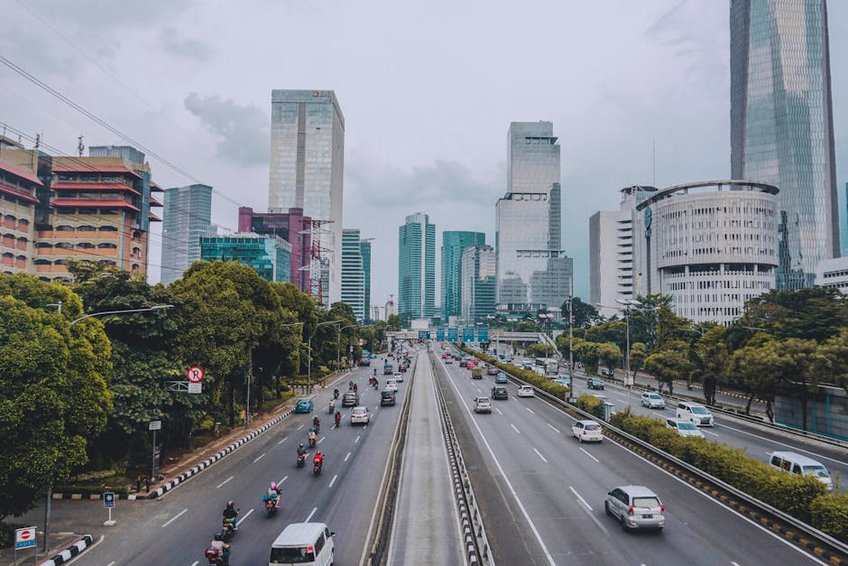
Your Jakarta travel guide begins in a metropolis where contemporary skyscrapers cast shadows over 17th-century Dutch canals. Indonesia’s capital serves as the nation’s economic and cultural heart, offering a dynamic introduction to the archipelago’s immense diversity. This guide provides the essential navigation, from historic Kota Tua to the modern mega-malls of Sudirman, ensuring you experience the city’s multifaceted character.
Essential Information on Indonesia’s Capital
Jakarta, officially the Special Capital Region of Jakarta, is located on the northwest coast of Java. The city is a province-level entity with a population exceeding 10 million, sprawling across 662 square kilometers. Its tropical monsoon climate means consistently high humidity and temperatures averaging 28-32°C (82-90°F) year-round.
The city’s history dates back to the 4th century as the Hindu port of Sunda Kelapa. It gained prominence under Dutch colonial rule as Batavia, earning the nickname “Queen of the East.” Today, Jakarta functions as the central government hub and financial engine for Southeast Asia’s largest economy.
Visa and Entry Requirements
Most Western passport holders benefit from straightforward entry procedures into Indonesia.
- Citizens of the US, UK, Canada, Australia, and EU countries receive a 30-day Visa on Arrival (VOA) for approximately $35 USD, extendable once for another 30 days at an immigration office.
- Ensure your passport has at least six months validity remaining from your arrival date and one blank visa page. You must also show proof of onward or return travel.
- For longer stays, consider applying for a 60-day tourist visa (B211A) at an Indonesian embassy before travel, which costs around $100 USD and requires sponsorship from a local agent.
- Budget Traveler ($30-50 USD/day): Stay in hostels in Central Jakarta or Mangga Besar ($10-15/night). Eat primarily at local warungs and street food stalls ($2-5/meal). Use public buses, the MRT, and ride-hailing apps for transport ($3-5/day). Visit free attractions like the National Monument (Monas) park and Istiqlal Mosque.
- Mid-Range Traveler ($80-150 USD/day): Choose boutique hotels in Kemang or South Jakarta ($40-70/night). Enjoy meals at nice restaurants in Pacific Place or Senopati ($10-20/meal). Take Blue Bird taxis or GrabCar regularly ($10-15/day). Hire a private driver for a half-day to visit Taman Mini or Ancol ($30-40).
- Luxury Traveler ($250+ USD/day): Book suites at 5-star hotels like The Langham or Fairmont Jakarta ($150-300/night). Dine at acclaimed restaurants like Namaaz Dining or Kaum. Use a private car and driver for the entire stay ($50-80/day). Enjoy spa treatments and club access at luxury complexes.
- Wonderful Indonesia Official Tourism Website
- Jakarta Tourism and Culture Board
Local Currency and Payments
The Indonesian Rupiah (IDR) is the local currency, with approximately 15,000 IDR equaling 1 USD. You will handle thousands and millions of Rupiah for daily transactions. Currency exchange counters at major airports and malls like Grand Indonesia offer reliable rates.
Credit cards (Visa/Mastercard) are widely accepted in hotels, large restaurants, and shopping centers. However, always carry cash for street food, traditional markets (warungs), and local transportation like Bajaj auto-rickshaws. ATMs are abundant but use those inside banks or malls for security.
Language and Communication Basics
Bahasa Indonesia is the official national language, while Betawi is the local Jakarta dialect. English is commonly spoken in tourist areas, hotels, and by younger professionals. Learning a few basic Indonesian phrases significantly enhances your interactions with locals.
Useful phrases include “Terima kasih” (Thank you), “Berapa harganya?” (How much is it?), and “Di mana…” (Where is…). Mobile data is cheap and fast; purchase a local SIM card at the airport or a Telkomsel store for seamless navigation using apps like Google Maps and Gojek.
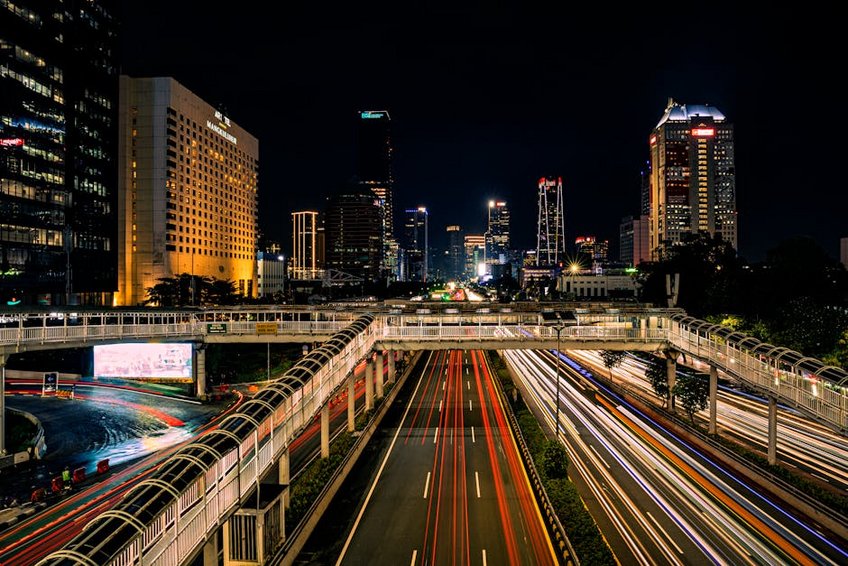
Alt: “jakarta-skyline-modern-skyscrapers-sunset-glodok”
Jakarta Travel Guide – Planning Your Trip
Successfully exploring Java’s massive capital requires strategic planning around its infamous traffic, known locally as “macet.” Distances are deceptive; a 10-kilometer journey can take over an hour during peak congestion from 7-10 AM and 4-8 PM. Factor this into your daily itinerary, grouping activities by geographic zone.
Your budget should account for diverse experiences, from $2 street meals to $100+ fine dining. The city offers incredible value, but luxury options are plentiful. Prioritize accommodations with easy access to a TransJakarta Busway corridor or MRT station to minimize transport headaches. Pre-book airport transfers and major attraction tickets online.
Best Time to Visit Jakarta
The ideal time for a Jakarta visit is during the dry season, from May to September. Rainfall decreases significantly, averaging 60-100mm per month, with more consistent sunshine and slightly lower humidity levels around 75%. Daytime temperatures hover around 31°C (88°F), making outdoor exploration in places like Taman Mini Indonesia Indah more comfortable.
The shoulder months of April and October offer a balance with fewer tourists and moderate rain. Avoid the peak rainy season from November to March, when intense daily downpours can cause severe flooding and disrupt transportation. Major holidays like Ramadan and Idul Fitri see many locals traveling, which can mean lighter traffic but limited services.
Budget Planning and Costs
Daily costs in Jakarta vary dramatically based on your travel style. Here’s a realistic breakdown for different budgets.
Essential Preparation Checklist
Pack light, breathable clothing made from natural fibers like cotton or linen. Include a compact umbrella, a reusable water bottle, and high-SPF sunscreen due to the strong equatorial sun. Comfortable walking shoes are non-negotiable for navigating uneven sidewalks and expansive malls. A power adapter (Type C/F, 220V) is essential for European-style outlets.
Arrange comprehensive travel insurance covering medical evacuation. Download essential apps before arrival: Gojek (ride-hailing & food), Grab (its main competitor), Google Translate, and the JakLingko app for public transport payments. Carry a photocopy of your passport’s main page and visa. Notify your bank of international travel to ensure card functionality.
Top Attractions and Urban Explorations
Indonesia’s capital masterfully blends historical depth with relentless modernity. Start in the old town to understand its colonial past before contrasting it with the soaring symbols of its economic ambition. The city’s energy is contagious, found in its sprawling markets, serene places of worship, and manicured urban parks.
Allocate time for both iconic landmarks and spontaneous discoveries down side streets. Many museums and sites close on Mondays, so plan your week accordingly. Consider purchasing a JakCard for easier access to the integrated public transportation network, which includes the MRT, TransJakarta busway, and LRT.
Must-See Highlights
Kota Tua (Old Town): This historic quarter was the center of Dutch Batavia. The Fatahillah Square is surrounded by museums like the Jakarta History Museum (housed in the old city hall) and the Wayang (puppet) Museum. Rent a colorful bicycle to explore the cobblestone streets and colonial-era warehouses. Visit early in the morning to avoid crowds and heat.
National Monument (Monas): The 132-meter tall obelisk in Merdeka Square is the city’s most recognizable symbol. Take the elevator to the observation deck for a 360-degree panoramic view of the sprawling metropolis. The base houses a historical diorama exhibition depicting Indonesia’s struggle for independence. Entry costs around $2 USD.
Istiqlal Mosque & Jakarta Cathedral: This powerful display of religious harmony features Istiqlal, Southeast Asia’s largest mosque, standing directly opposite the neo-gothic Jakarta Cathedral. Join a free guided tour of the mosque (appropriate attire required) to appreciate its immense scale and modernist design. The cathedral holds regular masses in multiple languages.
Hidden Gems and Local Favorites
Escape the main thoroughfares to find the city’s soul. Pasar Santa is a renovated traditional market turned into a hipster food and lifestyle complex in South Jakarta. Its narrow alleys are packed with indie coffee shops, vintage stores, and unique eateries. It’s best visited in the late afternoon or evening.
Setu Babakan is a cultural village and lake in Jagakarsa, dedicated to preserving Betawi culture. Watch traditional performances, sample authentic Betawi food like Soto Betawi, and see artisans at work. It offers a tranquil, green respite from the urban concrete jungle and provides authentic cultural insight rarely found in guidebooks.
Art and Museum Scene
Beyond the history museums, Jakarta boasts a vibrant contemporary art scene. The MACAN (Modern and Contemporary Art in Nusantara) Museum in Kebon Jeruk features world-class exhibitions of Indonesian and international art. Check their schedule for temporary exhibits. Tickets are around $5 USD.
For a more eclectic experience, visit Museum Bank Indonesia near Kota Tua. Housed in a beautiful former central bank building, it uses advanced technology and dioramas to explain the financial history of the archipelago. It’s unexpectedly engaging and air-conditioned, making it a perfect midday activity.
Practical Travel Information and Logistics
Navigating this megacity is its own adventure. Soekarno-Hatta International Airport (CGK) is the main gateway, located about 30 kilometers west of the city center. The journey downtown can take anywhere from 45 minutes to over 2 hours by car, depending on traffic. The airport rail link (35 minutes) to BNI City Station is often the most reliable option.
Accommodations are clustered in distinct districts, each with its own personality and advantages. South Jakarta (Senayan, Kemang) is upscale and green. Central Jakarta (Thamrin, Sudirman) is the business and shopping heart. West Jakarta (Grogol, Tomang) is more local and residential. Choose based on your primary interests.
| Accommodation Area | Best For | Price Range/Night (USD) |
|---|---|---|
| Sudirman/Thamrin (Central) | Business travelers, luxury shopping, MRT access | $80 – $300+ |
| Kemang (South) | Expat life, boutique cafes, nightlife, families | $50 – $150 |
| Menteng (Central) | Historical charm, quiet streets, central location | $70 – $200 |
| Grogol/Tomang (West) | Budget travelers, local atmosphere, street food | $20 – $60 |