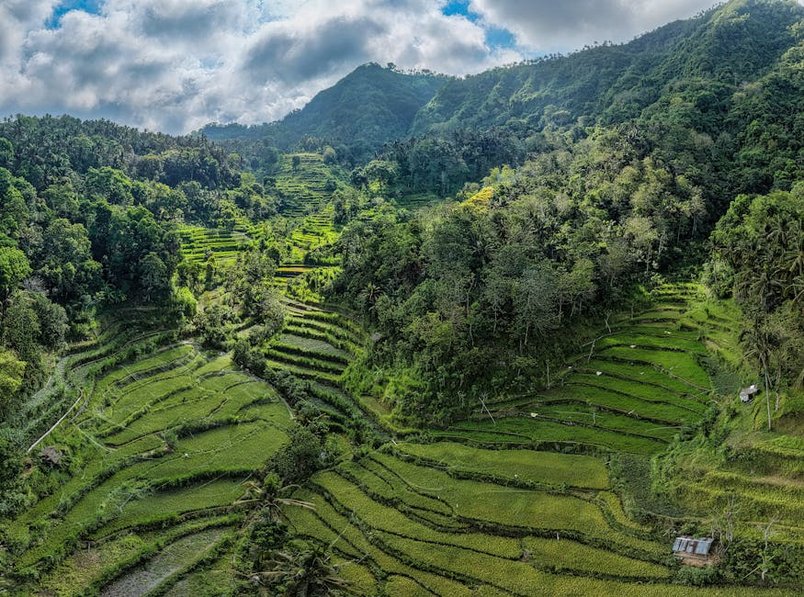
Bali Travel Guide
Planning your Bali trip unlocks an Indonesian island getaway famous for its intricate Hindu temples, lush volcanic landscapes, and deeply spiritual culture. This comprehensive resource provides specific logistics for navigating the island’s diverse regions, from the surf beaches of Canggu to the serene rice terraces of Ubud. You’ll find essential tips on budgeting, seasonal timing, cultural etiquette, and crafting an itinerary that balances iconic sights with authentic local experiences.
Essential Bali Information
Bali is part of Indonesia, an archipelago nation in Southeast Asia. The island operates on Central Indonesia Time (WITA), which is UTC+8. For US and EU travelers, this typically means a significant time difference, so plan for jet lag recovery upon arrival.
The official currency is the Indonesian Rupiah (IDR). While credit cards are accepted in tourist hubs and larger hotels, you’ll need cash for local markets, warungs (small family-run eateries), and transport. It’s wise to exchange some money at the airport upon arrival for immediate expenses.
Most visitors enter through Ngurah Rai International Airport (DPS), located near the southern tip of the island. A free visa on arrival is available for citizens of many countries, including the US, UK, Canada, and Australia, for tourism stays of up to 30 days.
Key Cultural Context
Understanding a few core cultural concepts will enrich your visit. Balinese Hinduism, known as Agama Hindu Dharma, infuses daily life with ritual and ceremony.
- Canang sari are the small, beautifully woven palm leaf offerings you’ll see everywhere; avoid stepping on them.
- When visiting temples (pura), proper attire is required: a sarong and sash, which are often available to rent at the entrance.
- The concept of “jam karet” (rubber time) reflects a more relaxed attitude toward punctuality, so build flexibility into your schedule for tours and appointments.
- Budget Traveler ($30-50/day): Covers hostel dorms, scooter rental, local warung meals, and free activities like beach days or temple visits. Focus on guesthouses in areas like Canggu or Ubud outskirts.
- Mid-Range Traveler ($80-150/day): Allows for private hotel or villa rooms, occasional taxi rides, a mix of warung and nicer restaurant meals, and paid tours like a Mount Batur sunrise hike or a cooking class.
- Luxury Traveler ($250+/day): Provides five-star resorts, private drivers, fine dining, spa treatments, and exclusive experiences like private yacht charters or helicopter tours over the volcanoes.
- Indonesia Tourism Official Website
- Bali Tourism Board Information
Geography and Regions Explained
Bali is relatively small but geographically diverse. The south is the busiest area, home to the airport and popular beach towns like Kuta, Seminyak, and Canggu. These areas offer vibrant nightlife, diverse dining, and consistent surf breaks.
Moving inland, Ubud serves as the cultural heart, surrounded by emerald rice paddies, art galleries, and yoga studios. The central highlands feature active volcanoes like Mount Batur, perfect for sunrise treks. The northern and eastern coasts are quieter, with black sand beaches, world-class diving sites, and traditional villages.
Language and Communication
The national language is Indonesian (Bahasa Indonesia), while Balinese is used locally. In major tourist areas, English is widely spoken by those in the hospitality industry. Learning a few basic Indonesian phrases like “terima kasih” (thank you) and “berapa harganya?” (how much is it?) is appreciated and can enhance your interactions at local markets.
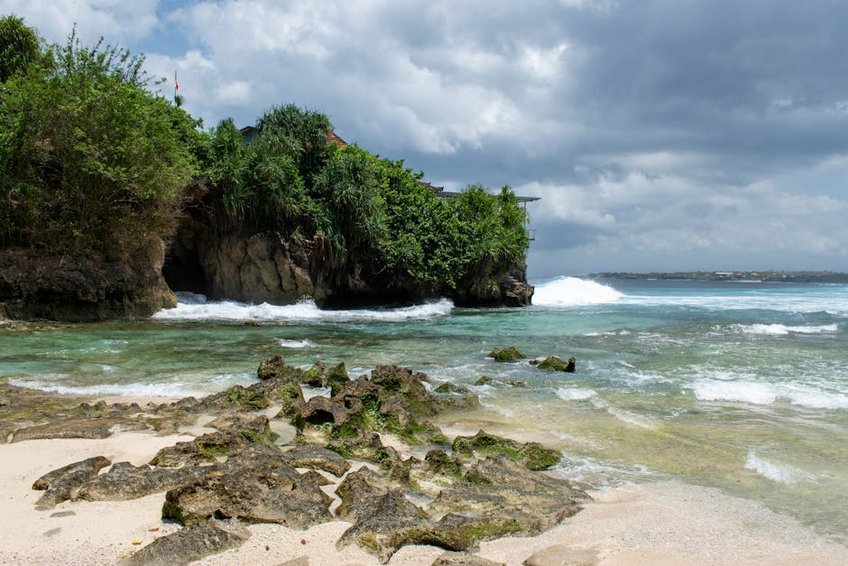
Alt: “ubud-bali-rice-terraces-green-landscape-temple”
Bali Travel Guide – Planning Your Trip
Creating a successful Bali itinerary requires balancing your interests with practical logistics. The island’s traffic, especially in the south, can be dense, so avoid trying to cram too many distant locations into one day. Instead, group activities by region to minimize travel time.
Budget planning is crucial. While Bali can be very affordable, costs vary dramatically. A street food meal can cost under $2 USD, while a fine-dining experience may exceed $50. Accommodation ranges from $15 hostels to $500+ luxury villas. Determine your daily budget early and plan accordingly.
Your packing list should prioritize lightweight, breathable clothing made from natural fibers due to the tropical humidity. Include a reusable water bottle, high-SPF reef-safe sunscreen, mosquito repellent, a universal power adapter (Indonesia uses 220V/50Hz with Type C/F sockets), and modest attire for temple visits.
Best Time to Visit Bali
The ideal time for a Bali holiday is during the dry season, which runs from April to October. These months offer the most reliable sunshine, lower humidity, and minimal rainfall, making it perfect for beach days, hiking, and outdoor exploration. Average temperatures range from 80°F to 90°F (27°C to 32°C).
The wet season, from November to March, sees daily tropical downpours, usually in the afternoon. While it can be humid and some outdoor activities may be disrupted, this period is less crowded and the landscape is exceptionally lush. Travel is still very possible with flexible planning.
Budget Planning and Costs
Your daily budget will define your experience. Here’s a realistic breakdown for different travel styles.
Essential Preparation Checklist
Ensure your passport is valid for at least six months beyond your arrival date. Confirm if you qualify for visa-free entry or need to apply for a visa in advance. Purchase comprehensive travel insurance that covers medical evacuation, a critical step for any international trip.
Book your first few nights of accommodation in advance, especially during peak season (July-August, December). Download essential apps: Gojek or Grab for ride-hailing and food delivery, Google Maps for navigation, and a currency converter. Notify your bank of your travel plans to avoid card blocks.
Top Attractions and Bali Experiences
The island offers an incredible diversity of activities, from spiritual pursuits to adventure sports. Don’t limit yourself to just one region; the contrast between the south’s energy and the central highlands’ tranquility is part of Bali’s magic. Allocate time for both planned tours and spontaneous exploration.
Many top sights involve natural or sacred sites. Always dress respectfully, follow local guidelines, and consider hiring a licensed guide for historical temples to gain deeper cultural insight. Entrance fees for major temples typically range from $1.50 to $3 USD for foreign tourists.
Must-See Highlights
No Bali vacation is complete without witnessing the serene beauty of the Tegallalang Rice Terraces near Ubud. Visit early in the morning (before 9 AM) to avoid the crowds and heat, and consider a short walk through the paddies. The nearby Tirta Empul Temple is famous for its holy spring water, where locals and visitors partake in a purification ritual.
In the south, the Uluwatu Temple, perched on dramatic limestone cliffs, is a stunning location for sunset. Stay for the traditional Kecak fire dance performance held nightly. For a different coastal perspective, the seaside temple of Tanah Lot is one of Bali’s most photographed icons, best visited during low tide.
Hidden Gems and Local Favorites
Escape the crowds at the Jatiluwih Rice Terraces, a UNESCO World Heritage site less commercialized than Tegallalang. The drive through the highlands is spectacular. For a unique cultural immersion, visit the village of Tenganan, home to the Bali Aga people, the island’s original inhabitants, known for their traditional geringsing double ikat weaving.
Discover the quieter side of Bali’s coast at Amed or Pemuteran in the north. These areas offer exceptional snorkeling and diving with vibrant coral reefs and are the base for trips to see the underwater Buddha statues at the Pemuteran Bay Coral Project. The pace of life here is decidedly slow and authentic.
Adventure and Wellness Activities
Adventure seekers should prioritize a sunrise trek up Mount Batur, an active volcano. Tours typically start around 2 AM and include a guide and breakfast cooked by volcanic steam. For water enthusiasts, the island’s surf breaks cater to all levels, from beginner lessons in Kuta to challenging barrels at Uluwatu.
Bali is a global wellness destination. Ubud is filled with world-class yoga studios like The Yoga Barn. Consider booking a retreat or simply dropping into daily classes. Balinese massages and spa treatments are incredibly affordable; a one-hour traditional massage often costs between $8 and $15 USD.
Practical Travel Information
Navigating Bali requires understanding your transport options. While the island is small, traffic congestion makes travel times unpredictable. Renting a scooter offers maximum flexibility for confident drivers, but requires an International Driving Permit and extreme caution.
For most visitors, using ride-hailing apps like Grab and Gojek is the safest and most cost-effective way to get around in urban areas. For inter-regional travel or full-day itineraries, hiring a private driver with a car is highly recommended and typically costs between $40 and $70 USD for an 8-10 hour day.
| Accommodation Type | Best For & Features | Avg. Price/Night (USD) |
|---|---|---|
| Hostel / Guesthouse | Solo travelers & budget groups; basic amenities, social atmosphere | $8 – $20 |
| Mid-Range Hotel / Villa | Couples & families; private pool, daily cleaning, scooter rental | $40 – $120 |
| Luxury Resort | Special occasions; beachfront location, multiple pools, spa, fine dining | $200 – $600+ |
| Boutique Retreat (Ubud) | Wellness & tranquility; yoga shala, organic restaurant, jungle views | $100 – $300 |