Kuala Lumpur Travel Guide: Experience Asia’s Dynamic Capital
Your Kuala Lumpur travel guide begins in a city where futuristic skyscrapers cast shadows over colonial shop houses and bustling night markets. Kuala Lumpur, Malaysia’s vibrant capital, offers a dizzying blend of Malay, Chinese, and Indian cultures, served with incredible food and non-stop energy. This guide provides essential tips on navigating the metropolis, from budget street eats to luxury rooftop bars, ensuring you experience the best of KL’s contrasts.
Essential City Information
Kuala Lumpur serves as Malaysia’s federal capital and largest city, with a metropolitan population exceeding 7 million. Founded in 1857 at the confluence of the Klang and Gombak rivers, its name literally means “muddy confluence.” The city transformed from a tin-mining outpost into a global hub following Malaysian independence in 1957.
Today, KL is a federal territory, distinct from the state of Selangor that surrounds it. The city operates as a cultural and economic gateway to Southeast Asia. You will notice British colonial architecture, Islamic geometric designs, and cutting-edge modernism coexisting on every street.
Cultural Melting Pot – What You Need to Know
Understanding KL’s tri-cultural foundation enhances every experience. The blend creates unique festivals, culinary fusion, and architectural diversity.
- Malay culture forms the dominant Bumiputera majority, influencing national language, Islamic traditions, and governance. Respect local customs, especially during Ramadan.
- Chinese-Malaysians contribute significantly to business and culinary scenes. Explore heritage in areas like Petaling Street and during vibrant Lunar New Year celebrations.
- Indian-Malaysians, largely Tamil, add profound flavor through Little India’s spices, Hindu temple rituals, and deep cultural traditions visible city-wide.
- Budget travelers can manage on $35-$50 USD daily, using hostels, public transit, and hawker centers. Attractions like Batu Caves are free, and walking tours offer inexpensive city insights.
- Mid-range visitors spend $80-$150 USD per day for boutique hotels, Grab rides, and sit-down restaurant meals. This budget includes entrance fees to KL Tower and Petronas Towers Skybridge.
- Luxury travel exceeds $250+ USD daily, covering 5-star hotels like The Majestic, private tours, and degustation menus. Rooftop bar cocktails and spa treatments align with this elevated experience.
- Tourism Malaysia Official Website
- Lonely Planet Kuala Lumpur Guide
- KL Rapid Transit Official Site
Key Climate and Geography Details
Kuala Lumpur features a tropical rainforest climate with consistent heat and high humidity year-round. Average temperatures sit between 75°F and 90°F (24°C and 32°C). The city experiences two monsoon seasons influencing travel plans.
The southwest monsoon from May to August brings slightly drier weather, ideal for outdoor exploration. The northeast monsoon from November to March delivers heavier rainfall, particularly on the east coast, though KL still sees frequent afternoon showers. Always carry an umbrella.
Language and Local Communication
Bahasa Malaysia is the official national language, with English widely spoken in business and tourism sectors. Most signs are bilingual, and hotel and restaurant staff communicate comfortably in English. Learning basic Malay phrases like “Terima kasih” (thank you) pleases locals.
Chinese dialects like Cantonese and Hokkien are common, alongside Tamil. This linguistic diversity means you can navigate easily while enjoying authentic cultural interactions. Most locals appreciate polite attempts to use simple Malay greetings.
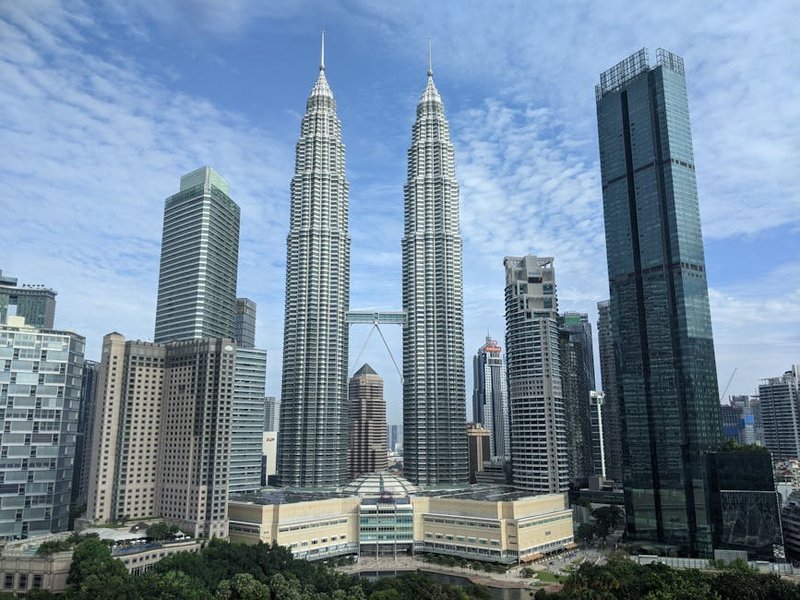
Alt: “kuala-lumpur-skyline-petronas-towers-modern-cityscape”
Kuala Lumpur Travel Guide – Planning Your Trip
Effective planning for Malaysia’s capital balances iconic sights with neighborhood exploration across several days. You need a strategy for its heat, traffic, and immense scale. Prioritize accommodations with pool access and plan travel around peak congestion hours.
Your budget directly shapes your experience, from stellar street food to world-class shopping malls. Purchase a local SIM card upon arrival for ride-hailing apps, which are essential for affordable and efficient transport. Always confirm prices before entering a vehicle.
Best Time to Visit Kuala Lumpur
Visit Kuala Lumpur between May and August for the driest and sunniest weather, perfect for photographing skyline views and exploring outdoor attractions. Daytime temperatures average 90°F (32°C) with manageable humidity levels. This period avoids the heaviest monsoon rains.
Shoulder seasons in March-April and September-October offer decent weather with slightly higher rain chance and thinner tourist crowds. Major festivals like Hari Raya Aidilfitri or Deepavali create vibrant scenes but book accommodations early. Avoid November if sensitive to intense humidity.
Budget Planning and Costs
Daily costs vary dramatically based on lifestyle choices. Street food provides incredible value while fine dining matches global city prices.
Essential Preparation Checklist
Pack light, breathable clothing made from cotton or linen to combat the persistent heat and humidity. Include a light jacket or scarf for heavily air-conditioned malls and places of worship requiring covered shoulders. Comfortable walking shoes are non-negotiable for city exploration.
Ensure your passport has at least six months’ validity. Most Western nationals receive a 90-day visa on arrival. Purchase comprehensive travel insurance covering medical evacuation. Download apps like Grab, Google Maps, and the KLIA Ekspres booking app before you land.
Top Attractions and Iconic Activities
KL’s landmark duo, the Petronas Towers, defines the city skyline with its stainless-steel façades and skybridge connection. Visiting these towers offers panoramic views from the 86th-floor observation deck. Book tickets online several days in advance to secure your preferred time slot.
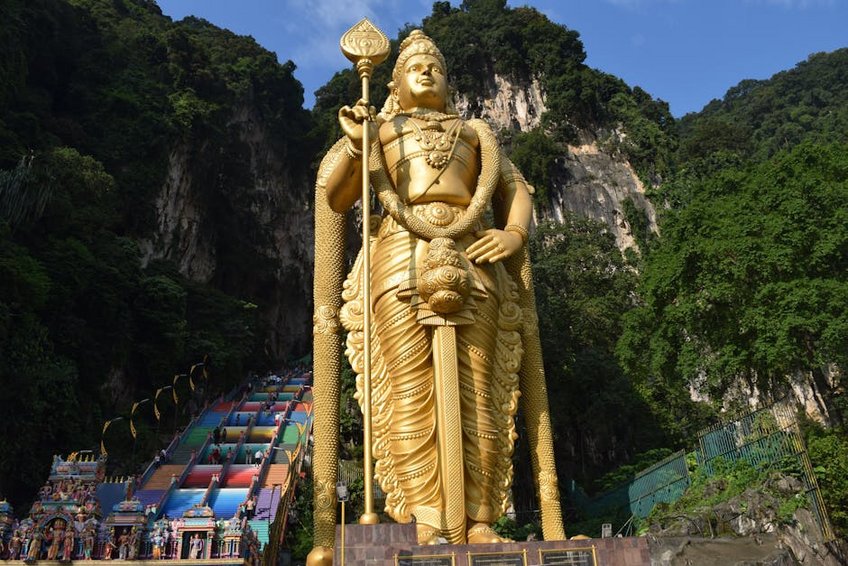
The Batu Caves, located just north of the city, present a stunning Hindu shrine within limestone caverns. Climb the 272 colorful steps guarded by a giant golden Murugan statue. Arrive early morning to avoid heat and crowds, and dress respectfully with knees and shoulders covered.
Must-See City Highlights
The KL Tower’s observation deck provides a 360-degree view that includes the Petronas Towers themselves. Visit during late afternoon for daytime and sunset vistas. The tower complex also features a sky box with glass floor sections and a revolving restaurant.
Merdeka Square surrounds the Sultan Abdul Samad Building, showcasing magnificent Moorish-style architecture from the British colonial era. This historic field witnessed Malaysian independence in 1957. Join a guided walking tour to understand the area’s profound significance.
Perdana Botanical Garden offers a 226-acre green escape with orchid and hibiscus gardens, a deer park, and butterfly house. It’s a perfect retreat from urban bustle. Entrance is free, making it an excellent budget-friendly activity for families.
Hidden Gems and Local Favorites
Explore the KL Forest Eco Park, one of the world’s oldest permanent forest reserves right in the city center. Its canopy walkway provides a unique perspective 200 meters above the forest floor. This spot feels worlds away from the adjacent busy highways.
Discover the Thean Hou Temple, a magnificent six-tiered Chinese temple dedicated to the sea goddess Mazu. Its architecture blends modern, Buddhist, and Confucian styles with stunning city views. Visit during Chinese festivals for incredibly vibrant ceremonies.
Shopping and Market Exploration
Bukit Bintang is KL’s premier shopping and entertainment district, home to mega-malls like Pavilion and Lot 10. Find everything from luxury brands to local designers here. The area truly comes alive at night with illuminated signage and street performers.
For authentic souvenirs, head to Central Market, a historic Art Deco building housing vendors selling batik, handicrafts, and traditional artwork. Bargaining is expected and part of the fun. The adjacent Kasturi Walk features outdoor stalls with more local goods.
Practical Travel Information
Navigating Kuala Lumpur requires understanding its layered transportation system. The city center is walkable in sections, but distances between major districts necessitate using trains or ride-hailing services. Traffic congestion is severe during morning and evening rush hours.
Accommodation choices range from luxury high-rises in the Golden Triangle to heritage hotels near Merdeka Square. Location significantly impacts your daily itinerary efficiency. Staying near an MRT or Monorail station saves considerable time and money.
| Accommodation Area | Best For | Price Range/Night (USD) |
|---|---|---|
| Bukit Bintang | Shopping, nightlife, first-time visitors, foodies | $60 – $200+ |
| KLCC | Luxury travelers, Petronas Towers views, business | $120 – $400+ |
| Brickfields (Little India) | Budget travelers, cultural immersion, food | $35 – $90 |
| Chinatown (Petaling Street) | Backpackers, street market lovers, historic vibe | $30 – $80 |