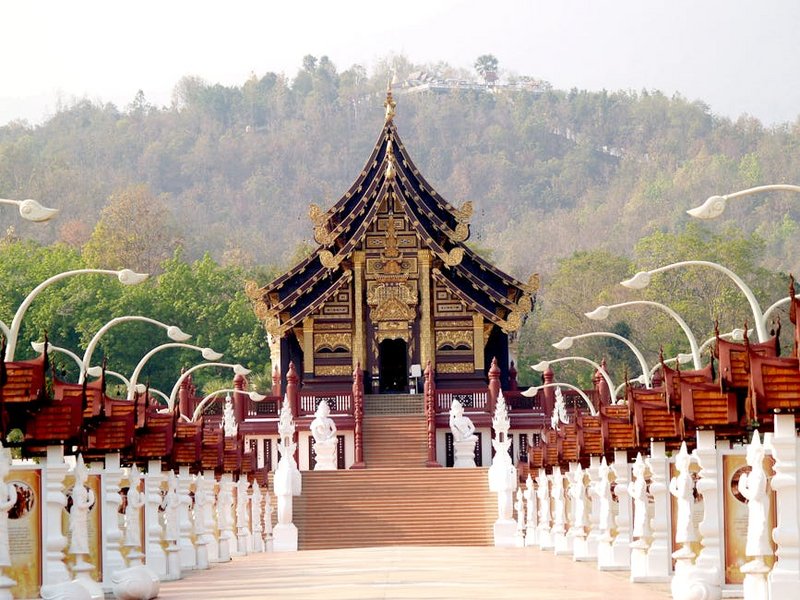
Chiang Mai Travel Guide: Exploring Northern Thailand’s Cultural Heart
Navigating Chiang Mai offers a distinct experience from Thailand’s beach destinations, blending ancient Lanna heritage with vibrant modern creativity in a mountain-ringed valley. Your Chiang Mai travel guide should prioritize the cooler, dry season from November to February when temperatures range from 60-80°F (15-27°C) for ideal temple exploration and outdoor adventures. This overview covers essential logistics, cultural immersion, and hidden gems to craft a fulfilling Northern Thailand itinerary.
Essential Chiang Mai Information
Chiang Mai serves as the cultural capital of Northern Thailand, founded in 1296 as the capital of the ancient Lanna Kingdom. The city is situated 700 kilometers north of Bangkok in a valley surrounded by forested mountains, providing a cooler climate than the southern regions. Distinct seasons dramatically affect travel plans, with the smoky season from late February to April impacting air quality.
The region’s history is visible through over 300 Buddhist temples, or ‘wats’, showcasing unique Lanna architecture. Modern Chiang Mai has evolved into a digital nomad hub while retaining strong artisan traditions in silverwork, wood carving, and umbrella making. Understanding this blend of old and new helps travelers appreciate the city’s layered identity.
Key Facts and Climate
Prepare for your Northern Thailand travel with these fundamental details.
- Climate: Tropical savanna with three distinct seasons – cool/dry (Nov-Feb), hot (Mar-May), and rainy (Jun-Oct). Average annual temperature is 78°F (25.5°C).
- Currency: Thai Baht (THB). $1 USD ≈ 35 THB. Credit cards work in malls and hotels, but cash is essential for markets and temples.
- Language: Central Thai is official, but Northern Thai (Kham Mueang) is widely spoken. English is common in tourist areas.
- Budget: $30-50 USD daily covers hostel dorm beds, street food meals, public transportation, and free temple visits. Prioritize walking tours and inexpensive cooking classes for entertainment.
- Mid-Range: $80-120 USD daily affords boutique hotel rooms, restaurant dining, private tours, and ethical elephant sanctuary visits. This budget allows comfort while experiencing signature activities.
- Luxury: $200+ USD daily provides five-star resorts, private drivers, premium cooking schools with market tours, and spa treatments. High-end dining and curated cultural experiences become accessible.
- Tourism Authority of Thailand – Chiang Mai
- Wikitravel Chiang Mai Guide
Cultural Context and History
Chiang Mai’s identity is deeply rooted in the Lanna Kingdom, which maintained independence for centuries before joining modern Thailand. This history created unique artistic styles, culinary traditions, and architectural forms distinct from central Thai culture. The Old City moat and square layout preserve the original city boundaries from its founding era.
Religious devotion remains central to daily life, with morning alms-giving to monks being a common sight. Temples function as community centers, not just tourist attractions. Respectful behavior includes dressing modestly at religious sites and removing shoes before entering temple buildings or private homes.
Visa and Entry Requirements
Most Western passport holders receive a 30-day visa exemption upon arrival by air. Land border entries typically grant 15 days. For longer stays, apply for a 60-day tourist visa from a Thai embassy before travel. Immigration offices in Chiang Mai can process 30-day extensions for approximately 1,900 THB ($55 USD).
Always check your passport has at least six months validity remaining. COVID-19 vaccination requirements have been lifted, but travel insurance is highly recommended. Keep a digital copy of your passport and visa stamp on your phone as backup documentation.
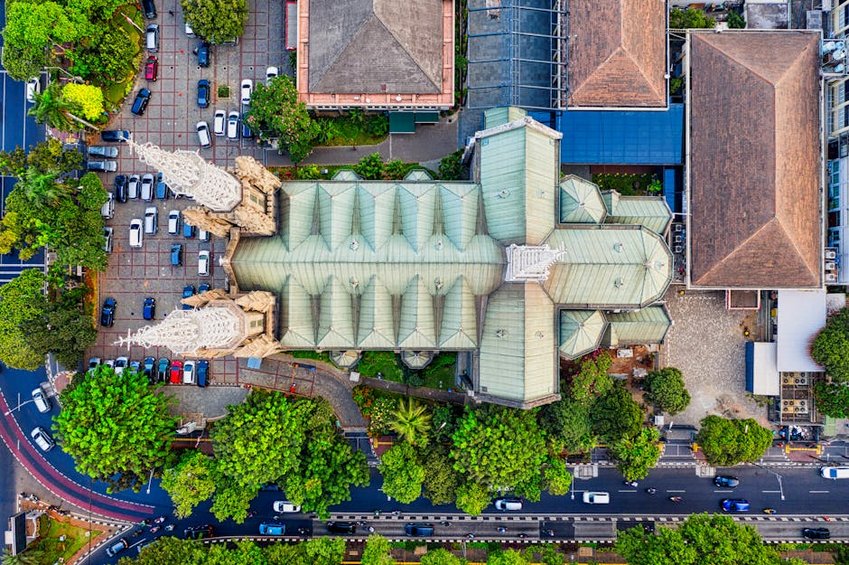
Alt: “chiang-mai-old-city-temple-architecture-doi-suthep-mountain”
Chiang Mai Travel Guide – Planning Your Trip
Strategic planning transforms a good visit into a great one, especially for a destination with such seasonal variation. This Chiang Mai travel guide recommends at least five full days to experience the urban cultural sites and one mountain or countryside excursion. Prioritize accommodation within or near the Old City walls for walkable access to major temples and dining.
Budget allocation should account for diverse experiences, from free temple wandering to premium cooking classes and ethical elephant encounters. Transportation costs remain low with efficient ride-sharing apps and inexpensive songthaew (red truck) rides. Advance booking is essential for popular ethical animal sanctuaries and weekend market hotel stays.
Digital preparation includes downloading Grab (Southeast Asia’s Uber), Google Maps with offline areas saved, and a currency conversion app. Purchase a local SIM card at the airport for approximately 300 THB ($8.50 USD) for unlimited 30-day data, greatly improving navigation and translation capabilities.
Best Time to Visit Chiang Mai
Peak season runs from November through February when daytime temperatures average 80°F (27°C) and nights drop to 60°F (15°C). This period offers sunny days, minimal rainfall, and numerous festivals including Loy Krathong and the Flower Festival. Book hotels three months in advance for these months, especially for weekend market dates.
Shoulder seasons in March-May bring hotter days reaching 95°F (35°C) but lower accommodation rates. The rainy season from June to October sees daily afternoon showers, lush greenery, and the lowest tourist crowds. Avoid late February to April if sensitive to smoke from agricultural burning, which can significantly impact air quality.
Budget Planning and Costs
Northern Thailand travel caters to all spending levels with excellent value.
Essential Preparation Checklist
Pack light, breathable clothing plus one modest outfit covering shoulders and knees for temple visits. Include comfortable walking shoes, a reusable water bottle with filter, and a small daypack. Dry season visitors should pack a light jacket for cool evenings, while rainy season travelers need a compact umbrella and quick-dry clothing.
Essential documentation includes your passport, travel insurance details, and digital copies of vaccination records. Arrange airport transfers in advance or use the official airport taxi desk. Health preparations should include mosquito repellent with DEET and any prescription medications, though pharmacies are widely available.
Top Attractions and Cultural Experiences
The Old City contains the highest concentration of significant temples, each with distinctive architectural elements and historical importance. Wat Phra That Doi Suthep, perched on the mountain overlooking the city, represents the region’s most sacred site. Combine these religious sites with interactive experiences like traditional craft workshops for a balanced perspective.
Beyond the urban center, the surrounding countryside offers trekking, waterfall visits, and hill tribe community encounters. Ethical tourism practices are crucial when visiting these areas, particularly regarding elephant interactions. Choose sanctuaries that prioritize animal welfare over riding or performance shows.
Must-See Temple Highlights
Wat Phra Singh houses the revered Phra Singh Buddha image and exemplifies classic Lanna architecture within the Old City walls. Arrive early morning to avoid crowds and observe monks in prayer. The temple grounds include a well-preserved scripture library raised on stilts, a fine example of traditional design.
Wat Chedi Luang features a massive, partially ruined chedi (stupa) that once stood 90 meters tall before an earthquake in 1545. The site includes the City Pillar (Lak Mueang) and an ancient dipterocarp tree believed to protect the city. Evening visits often include monk chats where visitors can ask questions about Buddhism.
Wat Phra That Doi Suthep requires a 30-minute drive up a winding mountain road, followed by a climb of 306 steps or a tram ride. The golden chedi contains relics of the Buddha and offers panoramic views of Chiang Mai city below. Dress codes here are strictly enforced, with rental clothing available if needed.
Hidden Gems and Local Favorites
Wat Umong, known as the “tunnel temple,” sits in forested grounds west of the Old City with ancient brick tunnels and a large pond. This less-visited complex includes a meditation center, scattered Buddhist statues, and a peaceful atmosphere ideal for contemplation. Don’t miss the talking stupa with bells that create unique sounds when tapped.
Baan Kang Wat is an artisan village near Wat Umong featuring local craft studios, coffee shops, and weekend markets. This creative community offers hands-on workshops in pottery, batik painting, and jewelry making. Visit on Sunday mornings when vendors sell handmade goods and organic food in a relaxed garden setting.
Ethical Elephant Sanctuary Experiences
Responsible elephant tourism focuses on observation and feeding rather than riding or performances. Reputable sanctuaries like Elephant Nature Park or Burm and Emily’s Elephant Sanctuary provide half-day or full-day visits starting at $70 USD. These experiences include preparing food, walking with elephants in natural habitats, and learning about conservation efforts.
Morning sessions typically offer cooler temperatures and more active elephant behavior. Wear clothes you don’t mind getting dirty and closed-toe shoes suitable for muddy conditions. Photography opportunities abound, but always follow guide instructions regarding distance and interactions to ensure safety for both visitors and animals.
Practical Travel Information and Logistics
Chiang Mai International Airport (CNX) receives direct flights from major Asian hubs and domestic connections from Bangkok (1-hour flight). The airport sits just 10 minutes from the Old City, with taxi fares fixed at 150 THB ($4.30 USD) to central hotels. Alternatively, ride-sharing apps provide slightly lower rates with convenient app-based payment.
Accommodation choices range from hostels in the Old City to luxury resorts in the Nimmanhaemin district. The Riverside area offers mid-range hotels with scenic views along the Ping River. For first-time visitors, staying within the square moat provides the most convenient location for major sights and night markets.
| Accommodation Area | Best For | Price Range/Night (USD) |
|---|---|---|
| Old City (Within Moat) | First-time visitors, temple access, night markets | $20-150 |
| Nimmanhaemin (Nimman) | Digital nomads, cafes, modern dining, nightlife | $40-200 |
| Riverside | Mid-range hotels, scenic views, relaxed atmosphere | $50-180 |
| Hang Dong/San Kamphaeng | Resort-style stays, families, quiet retreats | $80-300+ |