Bangkok Travel Guide: Essential Tips for an Unforgettable Trip
This Bangkok travel guide provides the strategic insights you need to navigate Thailand’s vibrant capital with confidence and ease. The city offers a fascinating blend of ancient temples, modern skyscrapers, and some of the world’s best street food, creating a sensory experience unlike any other. We cover everything from navigating the chaotic yet charming streets to finding serene moments in sacred spaces, ensuring your visit is both rewarding and efficient.
Essential Bangkok Information
Bangkok serves as the cultural, economic, and political heart of Thailand, home to over 10 million residents within its metropolitan area. Founded in 1782 by King Rama I, the city’s full ceremonial name is one of the longest in the world. This sprawling metropolis sits on the Chao Phraya River delta, giving it its historic “Venice of the East” nickname due to its original network of canals.
Thai is the official language, though English is widely understood in tourist areas, hotels, and by younger residents. The local currency is the Thai Baht (THB), with current favorable exchange rates for US and European visitors. You will need a power adapter for Type A, B, or C outlets, as Thailand uses 220V electricity.
The city operates on Indochina Time (ICT), which is 7 hours ahead of Greenwich Mean Time. Traffic is notoriously congested, so plan your daily itineraries around peak commute hours. The tropical climate means it’s almost always warm, with distinct wet and dry seasons affecting travel plans.
Official Name and Cultural Significance
The city’s ceremonial title holds the world record for length. It reflects deep cultural values.
- Krung Thep Mahanakhon Amon Rattanakosin Mahinthara Ayuthaya Mahadilok Phop Noppharat Ratchathani Burirom Udomratchaniwet Mahasathan Amon Piman Awatan Sathit Sakkathattiya Witsanukam Prasit translates to “City of angels, great city of immortals.”
- This name emphasizes the divine and protective nature ascribed to the capital by its founders. Locals simply call it “Krung Thep.”
- Understanding this reverence helps visitors appreciate the spiritual undercurrent present amid the modern hustle.
- Budget travelers can manage on $30-50 USD per day by staying in hostels like Lub d Bangkok Silom, eating street food (meals for $1-3), using public transport (BTS Skytrain fares from $0.50), and visiting free temples.
- Mid-range visitors spending $80-150 USD daily enjoy boutique hotels in Sukhumvit, combined street food and restaurant meals, occasional taxis, and paid entry to major attractions like Jim Thompson’s House ($5).
- Luxury trips at $250+ USD per day feature five-star riverside hotels like The Mandarin Oriental, fine dining at Gaggan or Le Du, private guided tours, and VIP tickets to cultural shows.
- Tourism Authority of Thailand (Official Site)
- Bangkok.com Visitor Information Portal
- Bangkok Mass Transit System (BTS)
Key Geography and Climate
Bangkok’s location on the river delta shaped its history and continues to influence daily life. The Chao Phraya River remains a vital transportation artery. Most major tourist sites cluster along its banks or within the central Rattanakosin Island district.
The city experiences three main seasons. The cool season from November to February sees average temperatures of 75-90°F (24-32°C) with lower humidity. The hot season runs from March to June, with highs often exceeding 95°F (35°C). The rainy season from July to October brings daily downpours but also lush greenery.
Visa and Entry Requirements
Citizens from the US, UK, Canada, Australia, and most EU countries receive a 30-day visa exemption upon arrival by air. Arrival by land typically grants a 15-day exemption. Always check your passport’s validity; it must have at least six months remaining.
For longer stays, you can apply for a 60-day Tourist Visa from a Thai embassy before travel. The process is straightforward and recommended for winter getaways. Overstaying your visa incurs a fine of 500 Baht per day, strictly enforced at departure.
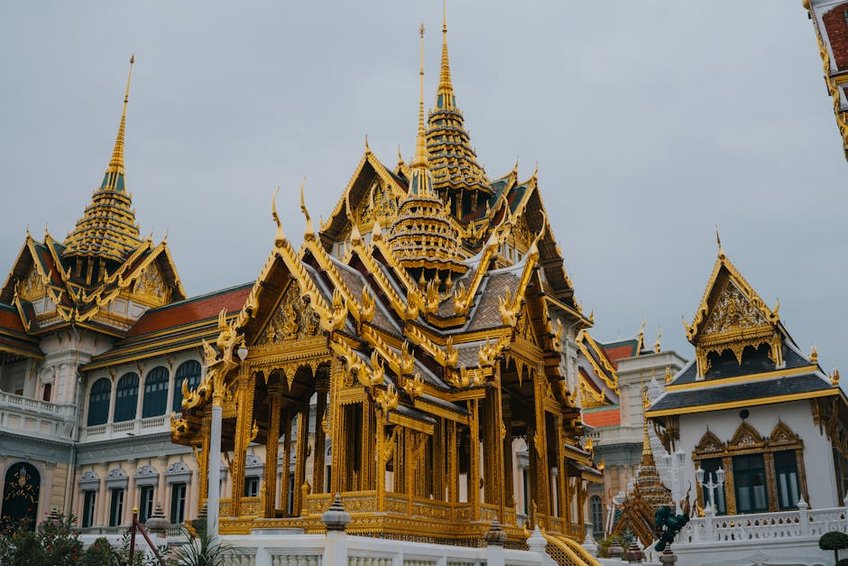
Alt: “bangkok-grand-palace-wat-phra-kaew-emerald-buddha-thailand”
Bangkok Travel Guide – Planning Your Visit
Effective planning transforms a chaotic first impression into a smooth adventure. Your Bangkok travel guide should prioritize neighborhood selection based on your interests, whether that’s historic sites, shopping, or nightlife. Allocate time for both iconic landmarks and spontaneous market explorations.
Book major attractions like the Grand Palace online to skip ticket queues. Download essential apps: Grab for ride-hailing, Google Maps for navigation, and Google Translate for Thai script. Purchase a local SIM card at the airport for affordable 4G data; AIS and TrueMove offer excellent tourist packages.
Always carry small denominations of Thai Baht for taxis, tuk-tuks, and street vendors who rarely accept cards. Notify your bank of international travel to avoid card blocks. Keep a digital copy of your passport and visa on your phone as a backup security measure.
Best Time to Visit Bangkok
The ideal period for a Bangkok city tour is during the cool and dry season, from November to early February. Daytime temperatures range from a pleasant 80-90°F (27-32°C) with lower humidity levels and minimal rainfall. This is peak tourist season, so expect larger crowds and book hotels several months in advance.
The shoulder months of March and October offer a trade-off. You’ll encounter hotter weather or occasional showers, but with thinner crowds and lower accommodation rates. Avoid April if sensitive to heat, as Songkran (Thai New Year) brings intense sun and city-wide water fights.
Budget Planning and Costs
Thailand’s capital caters to all spending levels, from shoestring backpackers to luxury travelers.
Essential Preparation Checklist
Pack lightweight, breathable clothing made from natural fabrics like cotton or linen. Include a lightweight scarf or shawl for covering shoulders and knees at temples. Comfortable walking shoes are non-negotiable for exploring palace grounds and bustling markets.
Bring reef-safe sunscreen, a reusable water bottle (tap water is not safe to drink), and hand sanitizer. Essential documents include your passport, travel insurance details, and printed copies of hotel reservations. Arrange airport transfer in advance or use the official airport rail link to avoid taxi scams.
Top Attractions and Cultural Sites
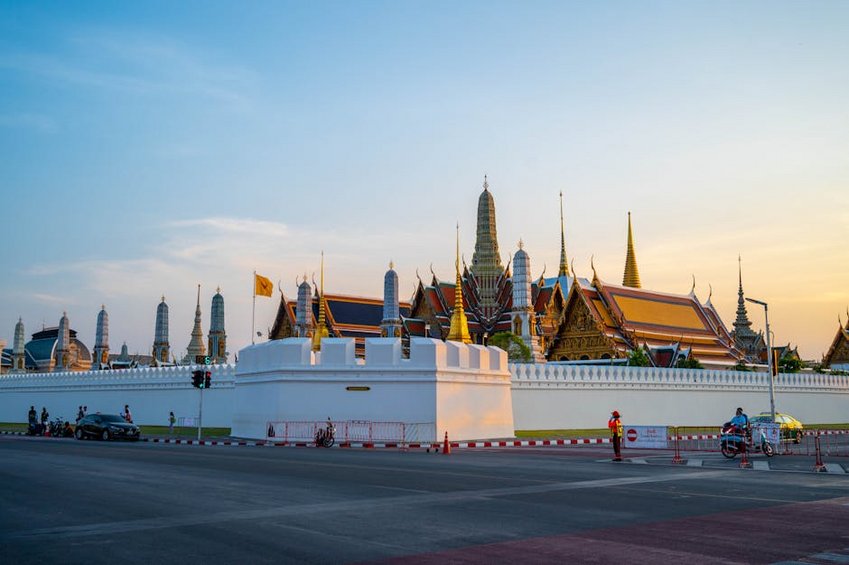
Bangkok’s spiritual and royal heritage is displayed in its magnificent temples and palaces. The Grand Palace complex, built in 1782, remains the city’s most iconic landmark. Within its walls lies Wat Phra Kaew, the Temple of the Emerald Buddha, Thailand’s most sacred Buddhist site.
Across the river, Wat Arun (Temple of Dawn) offers stunning porcelain-decorated spires best photographed at sunset. For a more intimate experience, visit Wat Pho early to see the gigantic Reclining Buddha before crowds arrive. These sites require modest dress covering shoulders and knees.
Modern attractions provide contrast. The 1,049-foot-tall Baiyoke Sky Hotel offers panoramic city views from its observation deck. ICONSIAM mall showcases luxury shopping alongside an incredible floating market replica indoors. Lumpini Park provides a green oasis for morning tai chi sessions.
Must-See Temples and Palaces
No first-time itinerary is complete without the Grand Palace and Wat Phra Kaew. Arrive at 8:30 AM when gates open to beat the heat and tour groups. Admission is 500 Baht ($14 USD) and includes access to all open areas of the palace grounds.
Wat Pho, located just south, houses the 150-foot-long Reclining Buddha and is considered Thailand’s first public university. The entry fee is 200 Baht ($5.50 USD). A traditional Thai massage at its famous school costs about 400 Baht ($11 USD) for 30 minutes.
Wat Arun stands majestically on the Thonburi bank of the Chao Phraya River. Climbing its steep central prang rewards you with river views. Visit in the late afternoon for the best light. The 100 Baht ($3 USD) ticket is worth the experience.
Hidden Gems and Local Favorites
Escape the main tourist trail at the Artist’s House (Baan Silapin) in Thonburi. This 200-year-old wooden house features puppet shows at 2 PM on weekends. Reach it via a scenic canal boat ride, witnessing traditional stilt-house communities along the way.
Rot Fai Market Ratchada, open Thursday to Sunday nights, is where young locals shop for vintage clothes and eat at trendy food stalls. The view from the nearby car park overlooking the market’s colorful umbrella-covered stalls is iconic for photos. It’s less chaotic than the famous Chatuchak Weekend Market.
Museum and Art Scene Exploration
For history buffs, the Museum Siam uses interactive exhibits to explore Thai national identity. The Jim Thompson House museum showcases traditional Thai architecture and antique art collections. Bangkok’s contemporary art scene thrives at galleries like the Bangkok Art and Culture Centre.
These cultural institutions offer air-conditioned respite from the afternoon heat. They provide crucial context for understanding the modern Thai worldview. Allocate a half-day to visit one or two based on your specific interests.
Practical Travel Information and Logistics
Navigating this mega-city seems daunting but is manageable with the right information. Bangkok boasts an extensive and efficient public transportation network comprising the BTS Skytrain, MRT subway, Airport Rail Link, and river ferries. Purchase a stored-value Rabbit Card for the BTS to avoid ticket queues.
Taxis are abundant and inexpensive, but always insist the driver uses the meter. Tuk-tuks offer a fun short-distance experience; negotiate the fare firmly before getting in. Ride-hailing apps like Grab provide fixed-price convenience and often cost less than metered taxis during heavy traffic.
Stay connected with a local SIM card. TrueMove H, AIS, and dtac offer tourist packages with unlimited data for 7-15 days, available right at Suvarnabhumi (BKK) or Don Mueang (DMK) airports. Free public Wi-Fi is common in malls and cafes but is often unreliable.
| Accommodation Area | Best For | Price Range (USD per night) |
|---|---|---|
| Riverside (Bang Rak) | Luxury hotels, iconic views, river transport access | $150 – $500+ |
| Sukhumvit (Soi 11-55) | Mid-range hotels, nightlife, BTS access, dining | $60 – $200 |
| Silom/Sathorn | Business hotels, street food, Lumpini Park | $50 – $180 |
| Khao San Road Area | Budget hostels, backpacker scene, casual atmosphere | $15 – $60 |