Busan Travel Guide: Discover South Korea’s Coastal Gem
Busan offers a dynamic blend of ancient temples, bustling seafood markets, and serene coastal hikes, all set against a dramatic mountain backdrop. As South Korea’s second-largest city, this port metropolis provides a distinctly different vibe from Seoul, with a more relaxed pace and deep maritime roots. This guide details everything from navigating the intricate subway system to finding the perfect bowl of spicy seafood stew, ensuring you experience the best of this coastal city.
Essential Busan Information
Busan is a city of contrasts, where ultra-modern skyscrapers tower over traditional Jagalchi Fish Market. Located on the southeastern tip of the Korean peninsula, it serves as the country’s largest port and a major economic hub. The city’s geography is defined by mountains and sea, creating numerous scenic districts each with its own unique character and attractions.
The local culture is heavily influenced by its coastal location, with a strong emphasis on fishing, seafood cuisine, and maritime festivals. Busan is also famous for hosting Asia’s premier international film festival every October. Understanding these core elements helps travelers appreciate the city beyond its popular beaches.
City Layout and Key Districts
Navigating Busan is easiest when you understand its main districts. Each area offers distinct experiences and accommodation styles for visitors.
- Haeundae: Home to the city’s most famous beach, this upscale district features luxury hotels, a modern skyscraper skyline, and the Marine City area with chic cafes and restaurants overlooking the ocean.
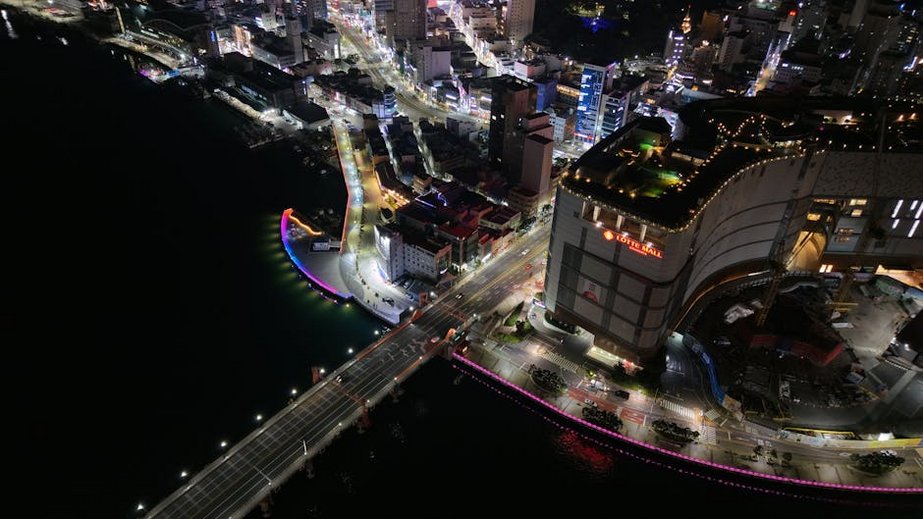
- Seomyeon: The central downtown and transportation hub, known as Busan’s shopping and entertainment heart with endless department stores, street food stalls, and vibrant nightlife that pulses until early morning.
- Gwangalli: A slightly more laid-back beach area popular with students and young professionals, offering spectacular views of the Gwangan Bridge illuminated at night and a thriving cafe culture along the waterfront.
- Budget Traveler ($50-75/day): Stay in hostels or guesthouses in Seomyeon, use subway/bus passes, eat at local markets and casual noodle shops. Focus on free attractions like beaches, temple grounds, and coastal walks. Visit paid museums on free admission days.
- Mid-Range Traveler ($100-150/day): Book business hotels or boutique accommodations in Gwangalli, enjoy sit-down restaurant meals mixed with street food, take occasional taxis for convenience. Include paid attractions like Busan Tower, Taejongdae cable car, and a jjimjilbang spa experience.
- Luxury Traveler ($250+/day): Stay at five-star beachfront properties in Haeundae, dine at upscale seafood restaurants with ocean views, hire private drivers for day trips to nearby islands. Include premium experiences like yacht tours, private temple stays, and chef-led market culinary tours.
- Busan Metropolitan City Official Tourism Website
- Lonely Planet Busan Travel Information
Brief History and Cultural Significance
Busan’s history as a trading port dates back over a thousand years, though its modern identity was largely shaped by the Korean War. The city served as a provisional capital and crucial refugee center during the conflict. This period established Busan as a place of resilience and regeneration, traits still evident in its energetic spirit today.
The 2002 Asian Games and 2005 APEC summit catalyzed massive infrastructure development, transforming the coastline. Today, the city balances rapid modernization with preservation of cultural sites like Beomeosa Temple, founded in 678 AD. This blend of old and new defines the contemporary Busan experience for international travelers.
Climate and Best Seasons
Busan experiences a temperate climate with four distinct seasons, each offering different advantages for visitors. Summers are hot and humid with monsoon rains typically arriving in July, while winters are cold and dry with occasional light snow. The coastal location moderates temperature extremes compared to inland Korea.
Spring brings comfortable temperatures between 50-70°F (10-21°C) and cherry blossoms in April. Autumn offers crisp, sunny weather perfect for hiking the surrounding mountains. Understanding these seasonal patterns helps in planning appropriate activities and packing the right clothing for your visit.
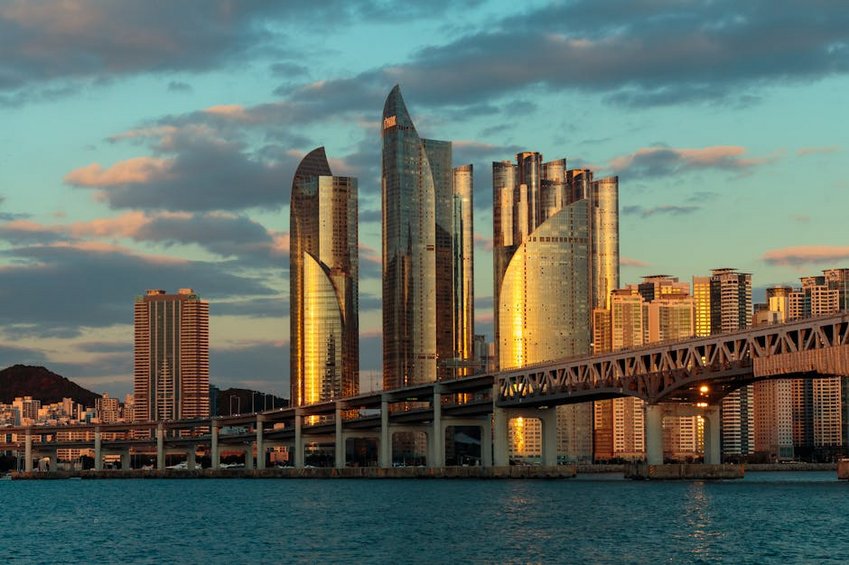
Alt: “busan-gwangalli-beach-bridge-night-skyline-lights”
Busan Travel Guide – Planning Your Trip
Effective planning transforms a good Busan trip into a great one. This coastal metropolis requires some logistical consideration due to its sprawling layout across mountains and coastline. You’ll want to prioritize districts based on your interests, whether that’s beach relaxation, cultural temple visits, or culinary adventures in traditional markets.
Budget planning is relatively straightforward, with excellent public transportation keeping costs low. Accommodation prices fluctuate dramatically between summer peak season and winter months. Booking intercity KTX train tickets from Seoul in advance saves both money and ensures you get preferred travel times for this popular route.
Your itinerary should balance structured activities with flexible exploration time. The city’s efficient subway and bus system makes spontaneous district-hopping entirely feasible. Allocate more time than you think for culinary experiences, as Busan’s food scene is both exceptional and time-consuming to explore properly.
Best Time to Visit Busan
Visit between late September and November for ideal weather conditions. Autumn offers mild temperatures of 59-72°F (15-22°C), low humidity, and minimal rainfall. This period provides perfect conditions for hiking Geumjeong Mountain, exploring coastal temples, and enjoying outdoor cafes without summer crowds.
Spring (April to early June) is another excellent window with blooming azaleas and cherry blossoms. July and August bring beach weather but also peak humidity, monsoon rains, and domestic tourist crowds. Winter visits appeal to those seeking fewer tourists and authentic local experiences, though some beachfront businesses may operate reduced hours.
Budget Planning and Costs
Daily costs vary significantly based on travel style. Food and transportation represent excellent value, while accommodation drives most budget considerations.
Essential Preparation Checklist
Prepare appropriate clothing for variable coastal weather, including layers, a light waterproof jacket, and comfortable walking shoes. South Korea uses Type C and F outlets (220V/60Hz), so bring suitable adapters for your devices. While not essential, learning basic Korean phrases enhances market and restaurant experiences significantly.
Download essential apps before arrival: Naver Maps for navigation (Google Maps has limited function), KakaoMetro for subway routes, and Papago for translation. Purchase a pocket WiFi egg or local SIM card upon arrival at Gimhae Airport for constant connectivity. Have some Korean Won in cash for traditional markets, though cards work virtually everywhere else.
Top Attractions and Activities
Busan’s attractions showcase its dual identity as both ancient cultural center and modern coastal city. From UNESCO-listed temple sites to futuristic shopping complexes, the city offers diverse experiences within relatively compact geographic areas. Many highlights cluster in specific districts, allowing efficient exploration without excessive travel time between sights.
Prioritize based on personal interest, as covering everything requires at least five full days. Coastal attractions like Taejongdae and Gamcheon depend heavily on clear weather for optimal views. Cultural sites including Haedong Yonggungsa Temple and Beomeosa offer fascinating glimpses into Korean Buddhist traditions distinct from what you’ll find in Seoul.
Must-See Highlights
Gamcheon Culture Village presents a rainbow-colored hillside community originally settled by Korean War refugees. Wander narrow alleyways adorned with murals and sculptures, visit small artisan shops, and enjoy panoramic city views from observation decks. Arrive early to avoid midday crowds that descend on this incredibly photogenic location.
Haedong Yonggungsa Temple provides a stunning seaside setting unlike any other Korean temple. Founded in 1376, this spiritual site features stone staircases descending to rocky coastline where prayer halls overlook crashing waves. Visit at sunrise for magical lighting, or during Buddha’s birthday in spring when the complex is spectacularly lantern-lit.
Jagalchi Fish Market represents Asia’s largest seafood market, operating since the Korean War. Witness the daily auction at dawn, then choose fresh seafood from tanks for immediate upstairs restaurant preparation. Even non-seafood eaters appreciate the vibrant atmosphere and cultural significance of this bustling waterfront institution.
Hidden Gems and Local Favorites
Millak Waterside Park offers a uniquely local experience along Haeundae’s coastline. Families and friends gather here with purchased raw seafood to enjoy picnics at communal tables while watching the sunset. Nearby vendors sell disposable plates, chopsticks, and side dishes, creating an authentic Korean dining experience most tourists completely miss.
Dadaepo Beach Sunset Fountain of Dream presents a spectacular multimedia show from April to November. This free evening performance combines music, colored lights, and water jets synchronized to create mesmerizing patterns. Locals arrive with mats and snacks to claim spots on the sand well before the 8 PM showtime during summer months.
Busan Modern History Museum provides crucial context about the city’s rapid development in a beautifully restored 1920s building. Free admission and excellent English explanations detail Busan’s transformation from war-temporary capital to global metropolis. The surrounding area features preserved colonial-era architecture rarely seen elsewhere in Korea.
Coastal Hikes and Nature Escapes
Igidae Coastal Walk delivers breathtaking ocean vistas along a 4.7-kilometer cliffside trail connecting Oryukdo Skywalk to Gwangalli Beach. The moderately challenging path features suspension bridges, wooden staircases, and multiple observation points overlooking dramatic rock formations. Allow 2-3 hours for this unforgettable hike best attempted on clear, non-windy days.
Taejongdae Resort Park encompasses rugged coastal cliffs, dense evergreen forests, and historic temples on Busan’s southern tip. Ride the Danubi train to key viewpoints, hike to the iconic lighthouse, and watch fishing boats navigate through distinct rock islands. The park’s remote feel provides surprising tranquility just minutes from the urban center.
Practical Travel Information
Navigating Busan is remarkably efficient thanks to its comprehensive public transportation network. The subway system covers most tourist areas with clear English signage, while buses reach more remote attractions like Haedong Yonggungsa Temple. Purchase a rechargeable transportation card at any subway station for seamless transfers between buses and trains throughout your stay.
Accommodation quality is generally high across all price points, with excellent service standards. Consider location carefully based on planned activities—beachfront hotels require longer transit times to cultural sites. Most hotels offer free WiFi, and many provide smartphone rentals or international adapter loans upon request.
| Accommodation Type | Best Locations & Features | Price Range (USD/Night) |
|---|---|---|
| Luxury Beachfront | Haeundae area, ocean views, multiple dining options, spa facilities, private beach access | $200-400 |
| Boutique Design Hotel | Gwangalli area, modern aesthetics, rooftop bars, personalized service, walkable to beach | $120-220 |
| Business Hotel | Seomyeon area, central location, efficient service, subway access, variety of nearby restaurants | $80-150 |
| Guesthouse/Hostel | Nampo-dong area, social atmosphere, kitchen access, budget-friendly, cultural exchange | $25-60 |