Tokyo Travel Guide
Exploring Tokyo delivers an electrifying blend of ultramodern innovation and timeless tradition. This Tokyo Travel Guide helps you navigate a sprawling metropolis where centuries-old temples stand beneath neon skyscrapers and serene gardens offer quiet escapes from vibrant city buzz. We cover essential planning, top neighborhoods, food culture, and insider tips to build your perfect itinerary.
Tokyo Essential Information
Tokyo is the world’s most populous metropolitan area, officially a prefecture consisting of 23 special wards. The city first rose to prominence as Edo, the seat of the Tokugawa shogunate from 1603. This rich history is visible alongside its status as a global economic powerhouse and pop culture trendsetter.
Travelers find an exceptionally safe and clean environment with efficient public transport. Japan’s capital experiences four distinct seasons, each dramatically altering the landscape and available activities. Understanding the city’s layout by district is the first key to a successful visit.
Core Districts and Their Vibe
Tokyo organizes its attractions into distinct neighborhoods. Each area offers a unique atmosphere.
- Shinjuku: A major commercial hub featuring the world’s busiest train station, skyscraper observation decks, and the serene Shinjuku Gyoen National Garden, perfect for contrasting experiences.
- Shibuya: The epicenter of youth fashion and pop culture, famous for the iconic Scramble Crossing, trendy shopping centers like Shibuya 109, and vibrant nightlife.
- Asakusa: The heart of old Tokyo, home to the magnificent Senso-ji Temple, traditional Nakamise shopping street, and rickshaw tours offering historical context.
- Budget Traveler ($70-$100/day): Stay in capsule hotels or hostels ($30-$50), eat convenience store meals or ramen ($15-$25), use a 24-hour subway pass ($6), and enjoy free sights like temple grounds and park walks.
- Mid-Range Traveler ($150-$250/day): Book a business hotel in a central ward ($100-$150), dine at mid-range restaurants and izakayas ($40-$60), use a JR Pass for regional trips, and visit a mix of paid museums and free gardens.
- Luxury Traveler ($400+/day): Experience five-star hotels in Marunouchi or Roppongi ($300+), savor omakase sushi or kaiseki dinners ($100-$200 per person), use private car transfers, and book exclusive cultural workshops or guided tours.
- Tokyo Metropolitan Government Official Travel Guide
- Japan Guide – Tokyo
Key Travel Logistics
Narita (NRT) and Haneda (HND) airports serve international flights. Haneda sits closer to the city center, allowing a 30-minute train ride to Tokyo Station. The efficient JR Yamanote Line loops around central Tokyo, connecting major districts.
For connectivity, rent a pocket Wi-Fi device or purchase a Japanese SIM card upon arrival. While credit cards are widely accepted, carry some yen cash for smaller restaurants, temples, and vending machines. The Suica or Pasmo IC cards simplify payment for all trains and buses.
Language and Cultural Notes
Basic English is understood in major tourist areas and on transport signage. Learning simple Japanese phrases like “arigatou gozaimasu” (thank you) is appreciated. Bowing is the standard greeting, though handshakes are common in international business settings.
Public etiquette emphasizes quietness on trains and orderly queuing. Tipping is not practiced in Japan and can cause confusion. Instead, excellent service is the standard expectation across all price points.
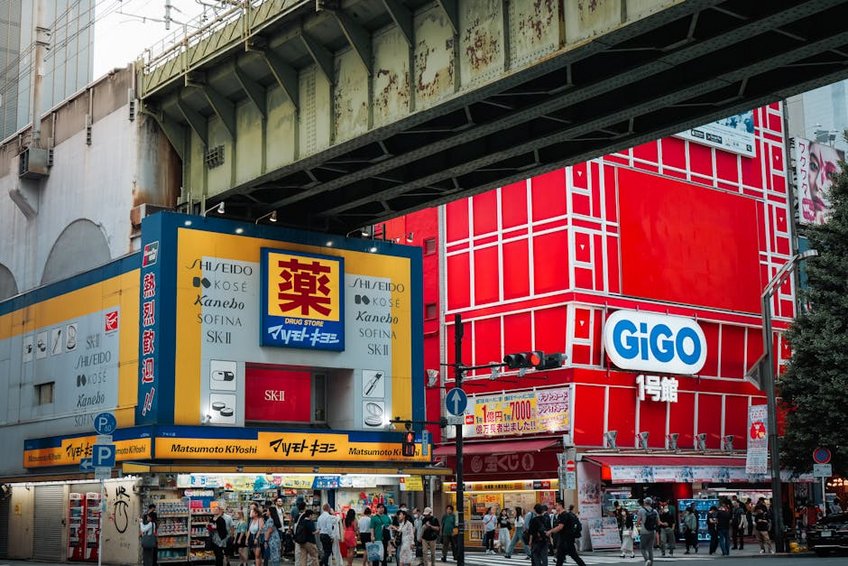
Alt: “tokyo-skyline-sunset-shinjuku-skyscrapers-traditional-lantern”
Tokyo Travel Guide – Planning Your Trip
Strategic planning transforms a Tokyo visit from overwhelming to effortless. Your Tokyo Travel Guide itinerary should balance iconic sights with neighborhood exploration. Factor in travel time between districts, which can take 30-45 minutes via train.
Accommodation costs vary significantly by location and season, with nightly rates ranging from $80 for a business hotel to $500+ for luxury. Book your hotel at least three months in advance for peak seasons like cherry blossom spring or autumn foliage. Consider proximity to a JR Yamanote Line station for maximum convenience.
Budget approximately $100-$150 USD per person per day for mid-range travel. This covers comfortable lodging, transit passes, museum entries, and memorable meals. Purchase a Japan Rail Pass *before* arrival if planning extensive bullet train travel outside the city.
Best Time to Visit Tokyo
Late March to April and late October to November offer the most pleasant weather. Spring (50-68°F / 10-20°C) features the famous cherry blossoms but attracts peak crowds and higher prices. Autumn (55-70°F / 13-21°C) provides stunning foliage and sunny, crisp days ideal for walking.
Summer (June-August) is hot and humid, with temperatures often exceeding 86°F (30°C) and a rainy season in June. Winter (December-February) is cold (35-50°F / 2-10°C) but dry, with fewer tourists and possible Mt. Fuji views. February sees plum blossoms bloom, a quieter floral spectacle.
Budget Planning and Costs
Daily budgets can be tailored to different travel styles effectively.
Essential Preparation Checklist
Secure travel insurance that covers medical evacuation. Check visa requirements; citizens from many countries receive a 90-day tourist visa on arrival. Ensure your passport is valid for your entire stay. Notify your bank of international travel to use credit cards.
Pack comfortable walking shoes, a compact umbrella, and a portable power bank. Download essential apps: Google Translate (with offline Japanese), Japan Travel by Navitime, and an offline subway map. Consider purchasing tickets online for major attractions like teamLab Planets or the Ghibli Museum to guarantee entry.
Top Attractions and Unmissable Experiences
Senso-ji Temple in Asakusa stands as Tokyo’s oldest, accessed via the thunderous Kaminarimon Gate. The Meiji Jingu Shrine in Harajuku offers a serene forested path dedicated to Emperor Meiji, a stark contrast to the surrounding youth culture. For panoramic views, the free Tokyo Metropolitan Government Building in Shinjuku provides 360-degree vistas.
Modern art enthusiasts must visit teamLab Planets in Toyosu, an immersive digital art museum where visitors walk through water. The historic Tsukiji Outer Market remains a foodie paradise for fresh seafood and street food, even after the wholesale auction’s relocation. A Sumo stable visit, when available, provides a unique cultural insight.
Must-See Highlights
The Shibuya Scramble Crossing is an iconic spectacle, best viewed from the second-floor Starbucks in the Tsutaya building. The Tokyo Skytree in Sumida is the world’s tallest tower at 2,080 feet, with observation decks offering unmatched city views. The Imperial Palace East Gardens are free to enter and provide a peaceful, historical retreat in central Marunouchi.
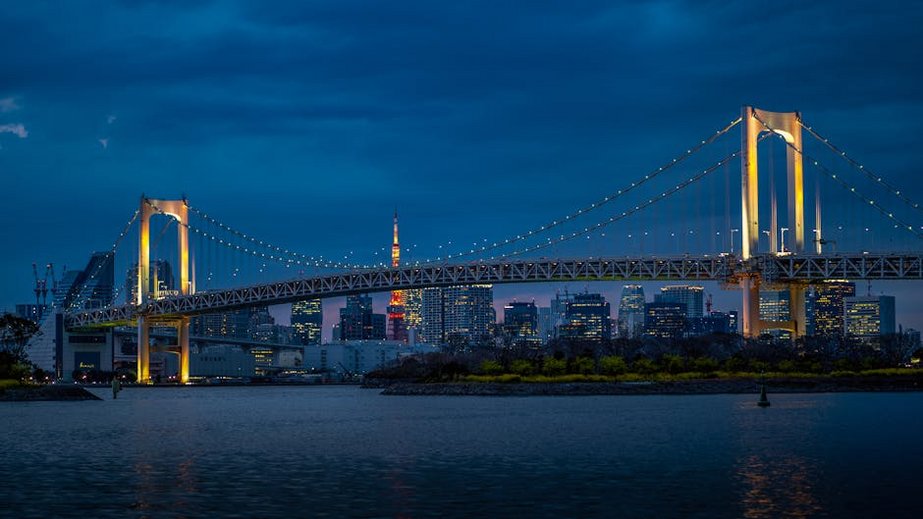
Ueno Park houses several major museums, including the Tokyo National Museum, and is a prime cherry blossom viewing spot. Odaiba, a futuristic artificial island, features the giant Unicorn Gundam statue, shopping malls, and the interactive Miraikan science museum. Each landmark reflects a different facet of the city’s multifaceted identity.
Hidden Gems and Local Favorites
Explore Yanaka Ginza, a nostalgic shopping street in the old Shitamachi district untouched by major redevelopment. It retains a pre-war atmosphere with traditional craft shops and street food stalls. The Goto Planetarium in Shinjuku offers stunning astronomical shows in a luxurious, reclining-seat environment, a perfect evening activity.
Kiyosumi Garden in Fukagawa is a stunning strolling garden considered one of Tokyo’s best, yet often overlooked by tourists. For a unique bar experience, visit Golden Gai in Shinjuku, a network of six narrow alleys packed with over 200 tiny, themed bars, each seating only a handful of patrons.
Day Trip Opportunities
Kamakura, just an hour south, is known as the “Kyoto of Eastern Japan” with its Great Buddha statue and numerous Zen temples. Nikko, two hours north, is a UNESCO World Heritage site featuring the lavishly decorated Toshogu Shrine amidst majestic mountain scenery. Both destinations are easily accessible via Japan’s efficient rail network.
For iconic views, take a bus trip to the Fuji Five Lakes region on a clear day to see Mount Fuji. The hot spring town of Hakone, part of the Fuji-Hakone-Izu National Park, offers classic onsens, lake cruises, and open-air museums, often combined with a view of the sacred mountain.
Practical Travel Information
Navigating Tokyo is straightforward with its world-class public transportation. The system involves two primary subway networks (Tokyo Metro and Toei) plus the JR East train lines. Purchasing a rechargeable Suica or Pasmo card is the most convenient payment method for all.
Accommodation ranges from compact yet impeccably clean business hotels to luxurious ryokan inns with traditional kaiseki meals. Staying within a 5-minute walk of a Yamanote Line station saves significant time and simplifies navigation. Consider your daily itinerary when choosing a neighborhood base.
| Accommodation Type | Best For / Key Features | Avg. Price Range/Night (USD) |
|---|---|---|
| Business Hotel | Solo travelers & budget; compact, efficient, often includes breakfast | $80 – $150 |
| Hostel / Capsule | Ultra-budget; social atmosphere, very small private sleeping pods | $30 – $70 |
| Mid-Range Hotel | Couples & small groups; more spacious rooms, better locations | $150 – $300 |
| Luxury Hotel | Splurge & service; top locations, fine dining, concierge, spas | $300 – $600+ |