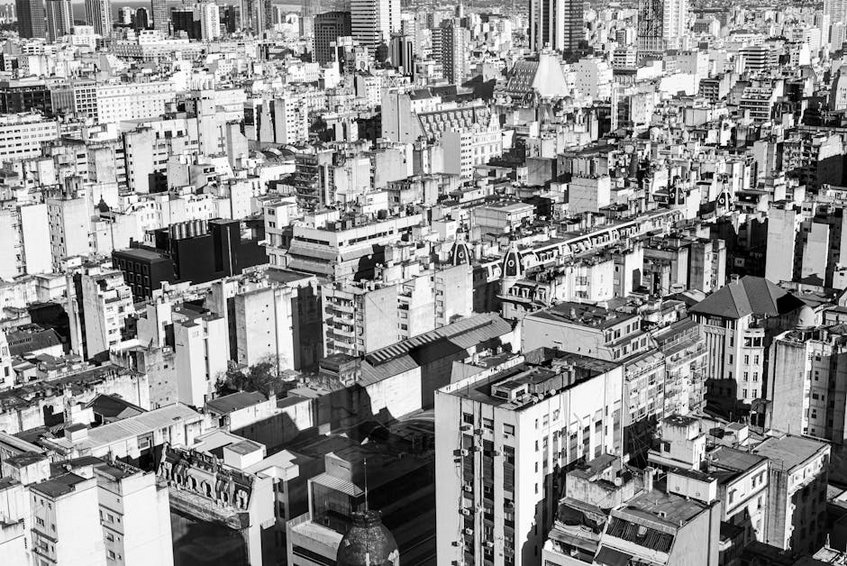
Buenos Aires Travel Guide: Culture, Tango, and European Grandeur in South America
Buenos Aires offers a uniquely European-inspired urban adventure in South America, blending Parisian-style architecture with passionate Latin culture. Your visit reveals wide boulevards, historic cafes, and world-class steak, all set to the rhythm of tango music spilling from neighborhood milongas. This guide provides the practical details for navigating distinct barrios, securing affordable luxury, and experiencing authentic Porteño life beyond the main tourist paths.
Essential Buenos Aires Information
Argentina’s cosmopolitan capital is a federal district and the country’s political, economic, and cultural heart. Founded in 1536, its modern identity was shaped by massive European immigration in the late 19th and early 20th centuries. The city’s layout features a grid pattern with numerous spacious plazas, making navigation relatively straightforward for first-time visitors.
Spanish is the official language, though English is commonly spoken in tourist areas, hotels, and upscale restaurants. The local dialect, Lunfardo, incorporates Italian influences and slang. The Argentine peso (ARS) is the currency, but U.S. dollars are widely accepted for larger purchases, hotel stays, and real estate transactions, offering better value when exchanged on the informal market.
Key Facts and City Layout
Understanding the basic geography helps immensely with planning.
- The city is administratively divided into 48 barrios (neighborhoods), each with a distinct personality, from the trendy Palermo to the historic San Telmo and the upscale Recoleta.
- The Microcentro is the dense downtown financial and commercial district, centered around landmarks like Plaza de Mayo, the Obelisco, and the famous Avenida 9 de Julio, the world’s widest avenue.
- The Río de la Plata, a massive estuary, forms the city’s eastern border, providing waterfront parks and promenades in Puerto Madero and Costanera Sur.
- Budget travelers can manage on $50-70 USD per day by staying in hostel dorms ($15-25/night), using public transit ($0.50/ride), enjoying street food and menu del día lunches ($5-10), and visiting free museums and parks.
- Mid-range visitors spending $100-150 USD daily secure private rooms in nice hotels or Airbnbs ($60-100/night), dine at excellent parrillas (steakhouses) with wine ($25-40/meal), take occasional taxis, and attend a tango show ($80-120).
- A luxury experience from $250+ USD daily includes five-star hotels in Recoleta or Puerto Madero ($200+/night), private guided tours, gourmet dining, premium tango experiences, and shopping in high-end designer boutiques.
- Official Buenos Aires Tourism Board
- Lonely Planet Buenos Aires Guide
- Official SUBE Public Transport Card Website
Visa and Entry Requirements
Tourist entry is straightforward for most Western passport holders. U.S., Canadian, UK, EU, and Australian citizens receive a 90-day tourist visa upon arrival by air or land. This visa is typically free, though a “Reciprocity Fee” previously applied to some nationalities; always check the latest requirements with the Argentine consulate before travel.
Immigration officials provide a paper entry stamp; guard this slip carefully, as you must present it upon departure. Extensions are possible by visiting the Dirección Nacional de Migraciones office in Retiro, but many travelers opt for a “visa run” to a neighboring country like Uruguay or Chile to reset the 90-day clock.
Climate and Seasonal Considerations
The city enjoys a temperate climate with four distinct seasons, reversed from the Northern Hemisphere. Summers (December to February) are hot and humid, with temperatures averaging 75-90°F (24-32°C) and frequent afternoon thunderstorms. This is peak tourist season, coinciding with vibrant street life and holiday festivities.
Winters (June to August) are mild and dry, with daytime highs around 55-60°F (13-16°C) and cooler nights dipping to 40°F (4-5°C). Spring (September-November) and autumn (March-May) offer the most pleasant weather, with comfortable temperatures, lower humidity, and beautiful foliage in the city’s many parks, making them ideal for extensive exploration.
Alt: “buenos-aires-obelisco-avenida-9-de-julio-architecture”
Buenos Aires – Planning Your Trip
Effective planning for the Argentine capital balances iconic sightseeing with deep neighborhood immersion. A minimum of four to five days allows you to experience the major cultural highlights while leaving room for spontaneous discovery in local cafes and markets. Your budget will stretch furthest by using the efficient subway system, enjoying affordable luxury like steak dinners, and staying in centrally located, character-filled hotels.
Accommodation choices dramatically shape your experience. Opt for a boutique hotel in Palermo Soho for nightlife and dining, a classic hotel in Recoleta for elegance and museums, or an apartment in San Telmo for historic charm and weekend market action. Book key tango show dinners and high-end restaurant reservations at least a week or two in advance, especially during peak seasons.
Best Time to Visit Buenos Aires
The absolute best months for weather and manageable crowds are April, May, September, and October. During these shoulder seasons, daily highs range from a perfect 65-75°F (18-24°C), rainfall is moderate, and you’ll avoid the intense heat and humidity of summer and the holiday tourist surge. Hotel rates are also more favorable compared to the December-February peak.
Visit in late February or early March to experience the legendary Carnival celebrations, though prepare for higher prices and booked-out accommodations. Winter offers its own charm with cozy milongas (tango halls) and cultural events, plus the benefit of lower airfare. Whenever you visit, always pack layers, as temperature shifts within a single day can be significant.
Budget Planning and Costs
Buenos Aires offers excellent value, though inflation necessitates checking current prices.
Essential Preparation Checklist
Pack for city walking with comfortable shoes, versatile layers, and a light jacket. Include a universal power adapter (Argentina uses Type I plugs, 220V) and a portable power bank for long days of navigation and photography. A credit card with no foreign transaction fees is essential, but also bring a supply of newer, crisp U.S. $100 bills for favorable exchange rates at authorized currency houses.
Download the BA Cómo Llegó app for real-time public transport directions and Uber or Cabify for ride-hailing. Secure comprehensive travel insurance that covers medical emergencies, as private healthcare, while excellent, requires upfront payment. Learn a few basic Spanish phrases beyond “hola” and “gracias”; even simple efforts are warmly appreciated by locals and enhance every interaction.
Top Attractions and Porteño Experiences
The city’s magic lies in the interplay between grand monuments and everyday street life. Dedicate time to both the must-see historical landmarks and the simple pleasure of lingering over a café con leche at a historic bodegón. Each neighborhood offers a different lens through which to view Porteño culture, from the artistic energy of La Boca’s Caminito to the serene beauty of Recoleta’s famed cemetery.
Beyond the checklist, the real attraction is absorbing the local rhythm. This means dining late (9-11 PM is standard), enjoying a leisurely afternoon merienda (tea time), and embracing the nightlife that often extends past dawn. Allow your itinerary to breathe, leaving gaps for unexpected discoveries like a hidden art gallery, a spontaneous street performance, or a conversation with a local in a plaza.
Must-See Cultural Highlights
Begin at the political heart, Plaza de Mayo, flanked by the iconic pink Casa Rosada (presidential palace) and the Metropolitan Cathedral. A short subway ride leads to the Recoleta Cemetery, an extraordinary city of mausoleums where Eva Perón rests. Time your visit for a free guided tour in English to understand the fascinating stories behind the ornate tombs.
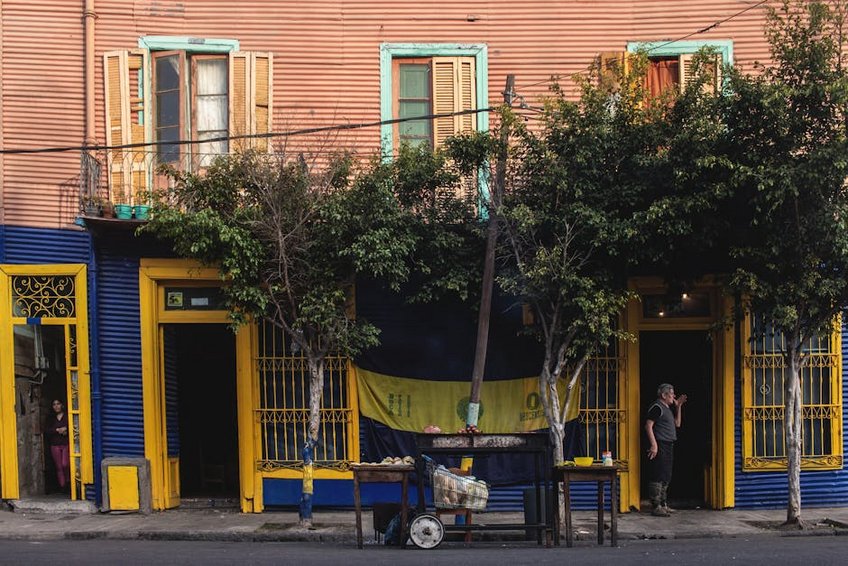
Explore the colorful, if touristy, Caminito street museum in La Boca, the birthplace of tango, but be mindful of your surroundings and stick to the main tourist area. For a world-class art fix, the Museo Nacional de Bellas Artes in Recoleta houses an impressive collection of European and Argentine masters, completely free of charge. Reserve an evening for a professional tango show at venues like El Viejo Almacén or Café de los Angelitos, which combine stunning dance with live orchestra and a multi-course dinner.
Hidden Gems and Local Favorites
Escape to the Costanera Sur Ecological Reserve, a massive 865-acre nature preserve with trails and birdwatching, offering skyline views just minutes from Puerto Madero. Visit the El Ateneo Grand Splendid bookstore, a breathtakingly converted historic theater consistently ranked among the world’s most beautiful bookshops, perfect for an hour of browsing.
Discover the Sunday Feria de San Telmo, the city’s oldest street market, which transforms the cobblestone streets into a bustling fair of antiques, crafts, and live music. For a local dining experience, head to a *parrilla* in the Villa Crespo neighborhood, like Don Julio or La Carnicería, where the focus is squarely on perfectly grilled meats and robust Malbecs, away from the heaviest tourist crowds.
Architecture and Neighborhood Strolling
The architectural legacy tells the story of Argentina’s golden age. Marvel at the opulent Teatro Colón, one of the world’s top opera houses; take a guided tour to appreciate its incredible acoustics and lavish interior. Stroll through Palermo’s parks, including the Japanese Garden and the Rosedal, then admire the stunning French-style Palacio de las Aguas Corrientes, a functioning water pumping station disguised as a palace.
Devote an afternoon to simply wandering the chic streets of Palermo Soho and Palermo Hollywood, popping into design boutiques, hip coffee shops, and vibrant street art corridors. Contrast this with the Parisian elegance of Recoleta, centered around the bustling cultural center, the Centro Cultural Recoleta, and the adjacent Floralis Genérica, a massive aluminum flower sculpture that opens and closes with the sun.
Practical Travel Logistics and Navigation
Navigating this sprawling metropolis is easier than it first appears thanks to an extensive and inexpensive public transportation network. The SUBTE (subway) system is the fastest way to traverse long distances, with six lettered lines connecting major hubs. Complement this with the city’s numerous bus lines (colectivos) for more precise neighborhood access, and use taxis or ride-sharing for convenience, especially at night.
For longer stays or groups, consider renting an apartment through Airbnb or VRBO, particularly in neighborhoods like Palermo or Belgrano, which offer a more residential feel. Standard hotel check-in is typically around 3:00 PM, with check-out at 10:00 or 11:00 AM. Most hotels can arrange luggage storage if your flight schedule doesn’t align with these times.
| Accommodation Type | Neighborhood & Features | Average Nightly Rate (USD) |
|---|---|---|
| Luxury Hotel | Recoleta or Puerto Madero: 5-star service, rooftop pools, fine dining | $200 – $400+ |
| Boutique Hotel | Palermo Soho: Design-focused, trendy location, included breakfast | $100 – $200 |
| Mid-Range Hotel | Microcentro or San Telmo: Central location, classic charm, good value | $70 – $120 |
| Apartment Rental | Various: Full kitchen, washer, living space, longer-stay discounts | $50 – $150 |