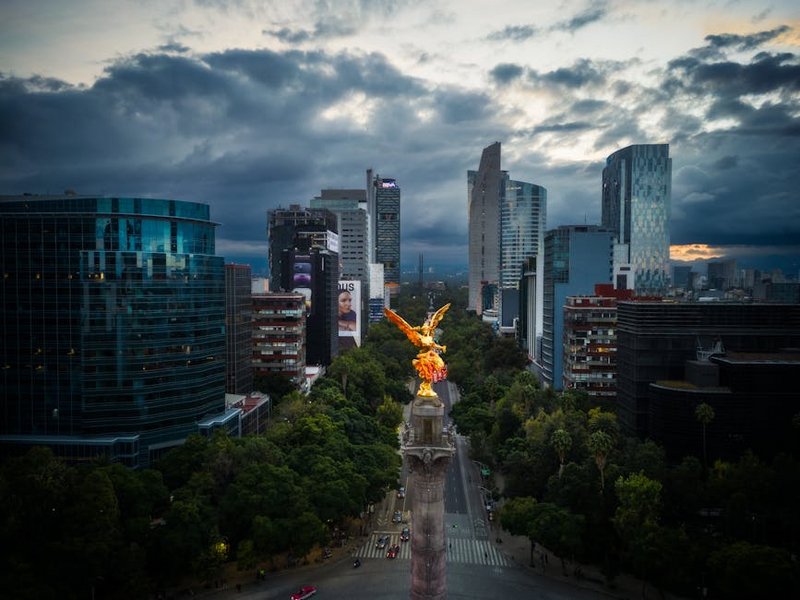
Mexico City Travel Guide
Navigating Mexico City is an exhilarating journey through layers of ancient civilization and vibrant contemporary culture. Your Mexico City travel guide must address its immense scale, with distinct neighborhoods offering wildly different atmospheres from artistic enclaves to historic centers. This guide provides the specific logistics and cultural insights needed to experience the capital’s unparalleled culinary innovation, profound history, and dynamic urban energy safely and memorably.
Essential Mexico City Information
Mexico City is the densely populated capital of Mexico, situated in the Valley of Mexico at an altitude of 7,350 feet. The metropolis is a federal entity, officially Ciudad de México, comprising 16 boroughs. Founded in 1325 as Tenochtitlan by the Mexica people, it was transformed into the capital of New Spain after the 1521 Spanish conquest.
Today, it functions as the country’s political, financial, and cultural heart. The climate is subtropical highland, characterized by mild temperatures year-round with a distinct rainy season from May to October. The city’s altitude can cause shortness of breath for some visitors, a condition locally known as “mal de altura.”
Understanding the city’s layout is your first step to efficient exploration. Major areas include the historic Centro Histórico, the upscale Polanco, the trendy Condesa and Roma districts, and the artistic Coyoacán. Public transportation is extensive but can be crowded during peak hours.
What You Need to Know Before You Go
Preparation is key for a smooth visit to this vast capital. Focus on these three logistical pillars.
- Health and Altitude: The high elevation means you should stay hydrated, avoid heavy meals and alcohol initially, and consider medication for altitude sickness if prone. Tap water is not safe to drink; rely on bottled or filtered water.
- Safety and Navigation: While many areas are safe for tourists, practice standard urban vigilance. Use official taxi apps like DiDi or Uber, keep valuables secure, and be aware of your surroundings, especially at night in less-frequented zones.
- Money and Payments: The Mexican Peso (MXN) is the local currency. While credit cards are widely accepted in establishments, always carry cash for markets, small eateries, and tips. ATMs inside banks or shopping centers are safest for withdrawals.
- Budget Traveler ($50-70/day): Stay in hostels in Centro or near Buenavista, eat primarily at markets and street stalls (tacos, tortas), use the Metro and Metrobús for transport, and focus on free attractions like the Zócalo, Chapultepec Park, and wandering colonial neighborhoods.
- Mid-Range Traveler ($100-200/day): Comfortable hotels in Condesa or Roma Norte, meals at popular local restaurants and cafes, occasional Uber rides mixed with public transit, and paid entry to top museums like the Museo Nacional de Antropología and Frida Kahlo Museum.
- Luxury Traveler ($300+/day): Boutique or five-star hotels in Polanco or Reforma, dining at renowned chef-led restaurants like Pujol or Quintonil, private guided tours to Teotihuacán, and luxury shopping in Avenida Presidente Masaryk.
- Mexico Tourism Board
- Lonely Planet Mexico City Guide
Key Cultural and Historical Details
Mexico City’s identity is built upon its ancient roots. The Templo Mayor in the Zócalo stands as a powerful archaeological reminder of the Aztec capital, Tenochtitlan. Spanish colonial architecture, seen in the Metropolitan Cathedral and Palacio de Bellas Artes, layers directly atop this foundation. The 20th century added bold murals by Diego Rivera, José Clemente Orozco, and David Alfaro Siqueiros that narrate Mexican history on public buildings. This confluence of epochs creates a unique urban tapestry where pre-Hispanic, colonial, and modern elements constantly interact. You witness this in daily life, from street food with ancient ingredients to contemporary galleries in colonial mansions.
The city’s social fabric is warm and formal. A polite “buenos días” or “buenas tardes” when entering shops is appreciated. While many in tourist and service industries speak English, attempting basic Spanish phrases significantly enhances interactions and is viewed as a sign of respect. Family and tradition remain central to local life, evident in weekend gatherings in parks and the sustained popularity of traditional markets.
Understanding the City’s Layout and Zones
Mexico City’s neighborhoods, or colonias, each possess a unique personality. Centro Histórico is the bustling historic core, home to the Zócalo main square, major museums, and Aztec ruins. Polanco is an upscale district with luxury shopping, high-end dining, and embassy buildings. Condesa and Roma are adjacent, tree-lined neighborhoods known for their Art Deco architecture, innovative restaurants, and lively cafe culture. Coyoacán, farther south, offers a more village-like feel with cobblestone streets, the Frida Kahlo Museum, and vibrant plaza life. Xochimilco, on the southern edge, preserves ancient canal networks where colorful trajinera boats float.
Alt: “mexico-city-historic-center-zocalo-cathedral-aztec-ruins”
Mexico City Travel Guide – Planning Your Trip
Effective planning transforms a visit to this sprawling capital from overwhelming to unforgettable. Your Mexico City travel guide strategy should prioritize neighborhood selection based on your interests, advance bookings for major attractions, and a flexible itinerary that accommodates the city’s vibrant, spontaneous energy. Allocate time for both iconic sights and leisurely exploration of local markets and parks.
Budget considerations vary dramatically. Street food and public transportation make the city accessible for budget travelers, while world-class dining and luxury hotels in Polanco cater to upscale visitors. Booking accommodations at least two months in advance is wise for peak seasons like December or spring break. Factor in travel insurance that covers medical emergencies and trip interruptions.
Navigational preparation is crucial. Download offline maps on Google Maps or use the Metrobús and Metro apps. Purchase a local SIM card or ensure your international data plan is activated for reliable connectivity. Learning a few key Spanish phrases for directions, ordering food, and polite greetings will greatly enhance your daily experience.
Best Time to Visit Mexico City
The ideal time to explore Mexico City is during the dry season, from late October to April. These months offer sunny, clear days with mild temperatures, averaging 66-75°F (19-24°C). This period includes major holidays like Día de los Muertos in early November and Christmas festivities, providing rich cultural immersion. The rainy season, from May to October, sees daily afternoon showers and higher humidity, with temperatures around 70-77°F (21-25°C). While hotel rates may be lower, sudden downpours can disrupt outdoor plans.
Shoulder seasons like late April/May and October present a good balance. The city is less crowded than during Christmas or spring break, and weather is generally pleasant. However, early May can be very hot. For festival-goers, timing your visit for Día de los Muertos or Independence Day in September is unforgettable but requires booking everything well in advance.
Budget Planning and Costs
Your daily budget dictates the flavor of your experience in the capital.
Essential Preparation Checklist
Packing smartly for Mexico City involves preparing for variable weather and urban exploration. Essentials include comfortable walking shoes, layers for cool mornings and warm afternoons, a compact umbrella or rain jacket (especially in wet season), a reusable water bottle with a filter, and a secure cross-body bag. For electronics, bring a universal power adapter (Mexico uses Type A and B plugs, 127V) and a portable power bank.
Documentation is straightforward for many visitors. U.S., Canadian, and EU passport holders receive a 180-day tourist visa (FMM) upon arrival by air. Ensure your passport is valid for the duration of your stay. While not always required, proof of onward travel and sufficient funds may be requested. Purchase comprehensive travel insurance that covers medical evacuation, given the high altitude. Book key accommodations and popular museum tickets online weeks before your trip.
Top Attractions and Unmissable Activities
The capital’s attractions span millennia, from ancient pyramids to avant-garde museums. Prioritizing is essential. The Museo Nacional de Antropología in Chapultepec Park is arguably the world’s finest museum for Mesoamerican history, requiring at least half a day. The archaeological zone of Teotihuacán, located just outside the city, offers the breathtaking Pyramids of the Sun and Moon, best visited with a guide to understand its scale.
Art enthusiasts have multiple pilgrimage sites. The Frida Kahlo Museum (Casa Azul) in Coyoacán provides intimate insight into the artist’s life, while the nearby Museo Diego Rivera Anahuacalli houses his pre-Hispanic art collection. Downtown, the Palacio de Bellas Artes showcases stunning Art Nouveau/Art Deco architecture and famous murals. For a unique urban experience, join a morning bike ride along the Paseo de la Reforma when it’s closed to cars on Sundays.
Must-See Highlights
Begin your exploration at the Zócalo, one of the world’s largest public squares, flanked by the Metropolitan Cathedral and the National Palace with Diego Rivera murals. Adjacent, the Templo Mayor museum and ruins reveal the heart of the Aztec empire. A short walk leads to the Palacio de Bellas Artes, an iconic cultural center with a mesmerizing Tiffany glass curtain and murals by Rivera and Siqueiros. Visiting the interior is worth the entry fee.
Chapultepec Park is a massive urban escape housing the must-visit National Museum of Anthropology. Plan for 3-4 hours here. Within the park, you can also visit Chapultepec Castle for panoramic city views. In the south, the canals of Xochimilco offer a colorful, festive atmosphere best enjoyed with a group on a rented trajinera. For a day trip, the pyramids of Teotihuacán are non-negotiable; climb the Pyramid of the Sun for a profound perspective.
Hidden Gems and Local Favorites
Venture beyond the major sites to discover the city’s soul. The Biblioteca Vasconcelos is a breathtaking modern library often described as a “megalibrary,” with surreal, floating bookshelves. The Mercado de Sonora, known as the “witches’ market,” sells traditional herbs, folk remedies, and mystical items, offering a fascinating glimpse into local beliefs. For contemporary art, the Museo Jumex in Polanco and the Museo Tamayo in Chapultepec feature excellent rotating exhibitions.
Explore the San Ángel neighborhood on a Saturday for its elegant Plaza San Jacinto and the Bazar del Sábado artisan market. The Luis Barragán House and Studio, a UNESCO site, requires booking ahead but offers an unparalleled look at the architect’s use of color and light. For a peaceful retreat, visit the Jardín Botánico at UNAM, located within the university’s sprawling ecological reserve.
Experiencing Lucha Libre and Mariachi
For quintessential local entertainment, attend a Lucha Libre wrestling match at Arena México in the Doctores neighborhood. The theatrical, masked fights are a lively spectacle full of audience participation. Booking tickets online in advance is recommended. To experience authentic mariachi music, head to Plaza Garibaldi in the evening. Groups of musicians in traditional charro suits perform for tips; you can request songs inside the surrounding cantinas like Salón Tenampa for the full, vibrant atmosphere.
Practical Travel Information and Logistics
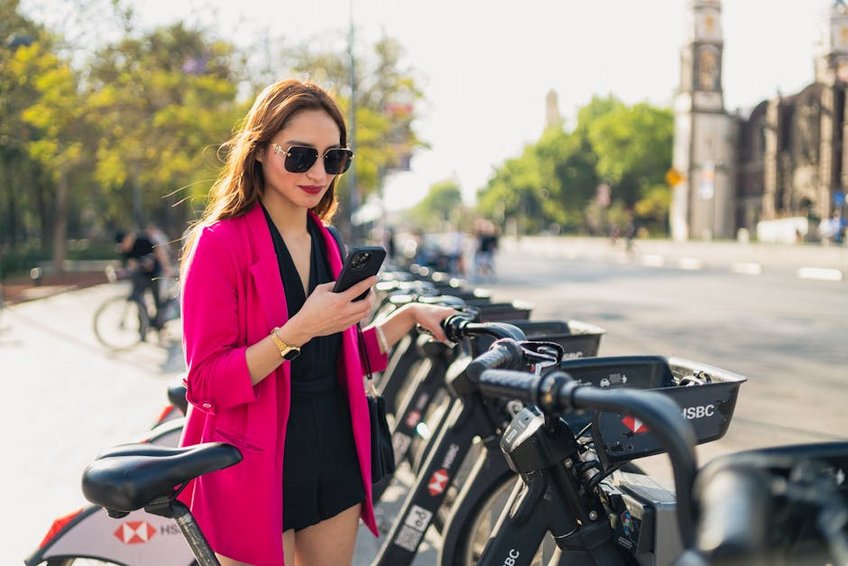
Getting around Mexico City requires a mix of transportation modes. The Metro is incredibly cheap and efficient for long distances but is extremely crowded during rush hours. The Metrobús runs in dedicated lanes on major arteries and is useful for reaching neighborhoods like Condesa and the airport. For safety and convenience, Uber and DiDi are widely used and affordable. Official airport taxis should be purchased from authorized booths inside the terminals.
Accommodation choices define your trip’s rhythm. Centro Histórico places you amid history but can be noisy at night. Condesa and Roma are perfect for walkable access to cafes, parks, and nightlife. Polanco offers upscale comfort and dining. Coyoacán provides a quieter, more residential feel ideal for longer stays. Always check recent reviews regarding water pressure and noise levels, as these vary greatly.
| Accommodation Type | Best Neighborhoods & Features | Price Range (USD/Night) |
|---|---|---|
| Budget Hostel/Hotel | Centro Histórico, near Buenavista Station; basic amenities, social atmosphere | $15 – $40 |
| Mid-Range Boutique Hotel | Condesa, Roma Norte; stylish design, rooftop terraces, excellent location | $80 – $180 |
| Luxury Hotel | Polanco, Reforma; five-star service, fine dining, spa facilities, pools | $250 – $600+ |
| Vacation Rental/Apartment | Coyoacán, Nápoles; full kitchens, more space, residential immersion | $60 – $200 |