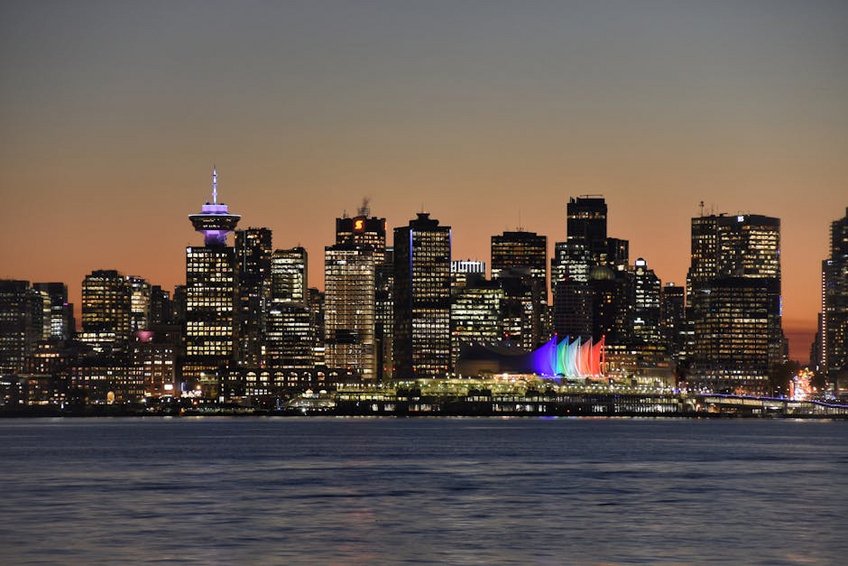
Vancouver Travel Guide for Nature and City Lovers
Nestled between the Pacific Ocean and the Coast Mountains, Vancouver offers a unique urban adventure where you can ski in the morning and stroll along a beach in the afternoon. This comprehensive Vancouver travel guide provides the local insights you need to navigate its diverse neighborhoods, world-class food scene, and breathtaking natural access. We will cover essential planning tips, must-see attractions, and practical logistics for an unforgettable visit to Canada’s West Coast gem.
Vancouver Essentials and Overview
Vancouver is a major city on Canada’s southwestern coast in British Columbia. It consistently ranks as one of the world’s most livable cities. Its climate is temperate year-round, characterized by mild, wet winters and warm, dry summers. The city’s geography dramatically shapes the experience, with water, mountains, and rainforests all within the city limits.
English is the primary language, but you will hear a multitude of others due to its highly diverse population. The currency is the Canadian Dollar (CAD), and credit cards are widely accepted almost everywhere. The city is generally very safe for tourists, with standard urban precautions advised.
Key Facts and Quick Tips
Before you dive into planning, keep these core details in mind.
- Vancouver International Airport (YVR) is the main entry point, located a 25-minute train ride from downtown via the Canada Line SkyTrain.
- The city has a robust public transit system (TransLink) using a tap-to-pay Compass Card, making a rental car optional for a downtown-centric visit.
- Sales tax in British Columbia is 12% (5% GST + 7% PST), which is added at the register and not included in displayed prices.
- Budget Traveler ($80-120 USD/day): Focus on hostel dorms, grocery meals, and free activities. Use transit exclusively and limit paid attractions.
- Mid-Range Traveler ($150-250 USD/day): Allows for a private hotel room or Airbnb, dining at casual restaurants for most meals, and paying for key attractions like museum entry or a bike rental.
- Luxury Traveler ($350+ USD/day): Includes stays at premium downtown hotels, fine dining experiences, private tours, and convenient taxi or rideshare trips.
- Destination Vancouver Official Tourism Site
- TransLink (Public Transit Authority)
- Parks Canada – Stanley Park
Neighborhoods and Their Vibes
Vancouver is a city of distinct districts, each offering a different flavor. Downtown is the bustling core with high-rises, Robson Street shopping, and the cruise ship terminal. Just across False Creek, Yaletown features converted warehouses housing trendy restaurants and loft apartments. Gastown, the city’s historic birthplace, is known for its cobblestone streets, the iconic steam clock, and chic boutiques.
Further south, Kitsilano (“Kits”) offers a laid-back, beachy atmosphere with yoga studios and organic cafes. The West End is a vibrant, residential neighborhood bordering Stanley Park, packed with diverse eateries. For a truly immersive cultural experience, spend time in Chinatown, one of the largest in North America.
Weather and What to Pack
The weather is famously mild but can be unpredictable. Summer (June to August) sees average highs of 70°F (21°C) with little rain. Winter (December to February) is cool and wet, with temperatures averaging 45°F (7°C) and frequent drizzle. The shoulder seasons of spring and fall are often pleasant with moderate temperatures.
Packing layers is non-negotiable. A waterproof jacket is essential year-round. Comfortable walking shoes are a must for exploring parks and neighborhoods. In summer, include sunscreen and a hat. For winter visits, a warm layer under your rain shell and waterproof footwear will keep you comfortable.
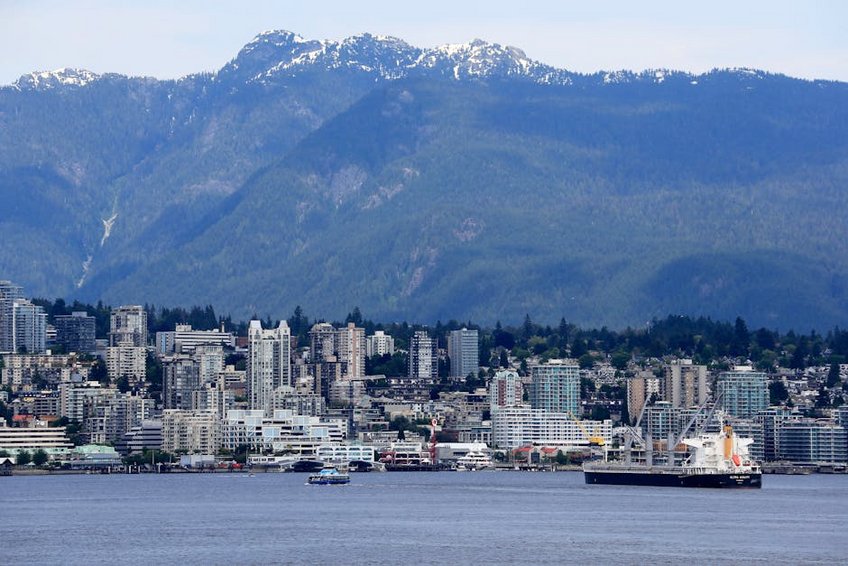
Alt: “vancouver-stanley-park-seawall-view-mountains-water”
Vancouver Travel Guide – Planning Your Trip
Creating a successful itinerary requires balancing iconic sights with local haunts. This Vancouver travel guide recommends a minimum of four days to experience the urban core and one major natural attraction. Prioritize bookings for popular restaurants and any guided tours, especially if visiting during peak summer months or around holidays.
Budgeting is crucial, as Vancouver is one of Canada’s more expensive cities. Accommodation and dining will be your largest costs. Utilizing public transit and enjoying the many free activities, like hiking in Pacific Spirit Park or visiting public beaches, can help balance your expenses.
Best Time to Visit Vancouver
The peak tourist season runs from June through early September, offering the warmest and driest weather for outdoor activities. This is the ideal time for hiking, cycling the seawall, and kayaking, but expect higher prices and more crowds. Hotel rates are at their peak, and popular restaurants require reservations well in advance.
For fewer crowds and lower prices, consider the shoulder months of May and late September to October. Spring brings blooming flowers, while fall offers stunning foliage. Winter is the low season, perfect for budget travelers and those seeking storm-watching on the coast or skiing on the local mountains, which are just 20 minutes from downtown.
Budget Planning and Costs
Daily costs vary widely based on your travel style. Here’s a breakdown of what to expect per person.
Essential Preparation Checklist
Secure your travel documents well in advance. US citizens need a valid passport but not a visa for stays under 180 days. EU citizens require an Electronic Travel Authorization (eTA). Purchase comprehensive travel insurance that covers medical emergencies and trip interruptions, as visitor healthcare in Canada can be costly.
Book your accommodations at least three months ahead for summer travel. Reserve a rental car only if you plan significant day trips outside the city. Download the Transit app for real-time bus and train schedules, and Google Maps works excellently for navigation. Pack a reusable water bottle and shopping bag, as the city is eco-conscious.
Top Attractions and Unmissable Activities
Vancouver’s charm lies in its blend of urban culture and pristine nature. Start with the iconic 5.5-mile Stanley Park Seawall, a paved pathway offering unparalleled views of the city skyline, mountains, and ocean. You can walk, cycle, or rollerblade its length. Within the park, don’t miss the totem poles at Brockton Point and the lush trails of the rainforest interior.
Cross False Creek via a small passenger ferry to reach Granville Island. This former industrial site is now a bustling public market filled with local food vendors, artisan shops, and theaters. It’s a fantastic place to sample local cheeses, fresh seafood, and pastries. For panoramic views, head to the Vancouver Lookout at Harbour Centre or take the gondola up Grouse Mountain.
Must-See Highlights
Stanley Park is the crown jewel, a 1,000-acre rainforest park minutes from downtown. Visit the Vancouver Aquarium, located within the park, to see local marine life. Capilano Suspension Bridge Park, located in North Vancouver, features a 450-foot-long bridge swaying 230 feet above a canyon. The adjacent Treetops Adventure and Cliffwalk provide thrilling perspectives of the coastal temperate rainforest.
Granville Island Public Market is a sensory delight open seven days a week. For culture, explore the Museum of Anthropology at UBC, which houses an incredible collection of First Nations art and totem poles. The Dr. Sun Yat-Sen Classical Chinese Garden in Chinatown offers a serene, authentic Ming Dynasty-style garden experience.
Hidden Gems and Local Favorites
Escape the downtown bustle at Pacific Spirit Regional Park, a massive forest with over 45 miles of trails near the University of British Columbia. It’s a favorite local spot for running and dog-walking. For a unique beach experience, visit Locarno or Spanish Banks beaches at low tide, where you can walk hundreds of meters out onto the sand flats.
Commercial Drive, or “The Drive,” is a vibrant, multicultural street with independent cafes, vintage shops, and great people-watching. For a quirky piece of history, seek out the tiny preserved cabin of “Father of Vancouver” John Morton in Stanley Park. Take a water taxi to the historic settlement of Steveston Village in Richmond for fish and chips right on the working dock.
Outdoor Adventures Beyond the City
The opportunities for day trips are exceptional. In winter, you can ski or snowboard at Cypress Mountain, Grouse Mountain, or Mount Seymour, all within a 30-60 minute drive from downtown. In summer, these same mountains become hubs for hiking and zip-lining. The Sea-to-Sky Highway drive to Whistler is one of the world’s most scenic routes, a journey of about two hours.
For a shorter excursion, take the 15-minute ferry from Horseshoe Bay to Bowen Island for a quiet afternoon of hiking and dining. Kayaking tours from Deep Cove or False Creek offer a peaceful way to see the city from the water. You might spot seals, herons, and occasionally even a pod of porpoises.
Practical Travel Information: Logistics Made Easy
Navigating Vancouver is straightforward thanks to its integrated transit system. The SkyTrain connects the airport to downtown, and an extensive network of buses and SeaBuses (passenger ferries) covers the entire metro region. Purchasing a reloadable Compass Card from any SkyTrain station is the most efficient way to pay for all transit. Fares are zonal.
Accommodation options range from luxury hotels in the downtown core to charming heritage bed and breakfasts in the West End. For more local flavor and better value, consider vacation rentals in neighborhoods like Kitsilano or Main Street. Booking directly with hotels or through reputable platforms often yields the best rates and cancellation policies.
| Accommodation Type | Best For & Location | Avg. Price Range/Night (USD) |
|---|---|---|
| Luxury Hotel | Downtown convenience, premium amenities, harbor views | $300 – $600+ |
| Mid-Range Hotel/Boutique | West End or Yaletown; balance of location and value | $180 – $300 |
| Vacation Rental/Airbnb | Families or longer stays; neighborhoods like Kitsilano | $120 – $250 |
| Hostel/Budget Hotel | Solo travelers; areas near Granville Street or Broadway | $80 – $150 |