Toronto Travel Guide: Navigating Canada’s Vibrant Metropolis
This Toronto Travel Guide provides the essential insights for first-time visitors to Canada’s largest and most multicultural city. You’ll navigate diverse neighborhoods, from the historic Distillery District to the trendy Queen West, while discovering world-class museums, a renowned food scene, and stunning waterfront views. We cover practical logistics, seasonal tips, and cultural etiquette to help you plan an efficient and enjoyable urban adventure.
Essential Toronto Information
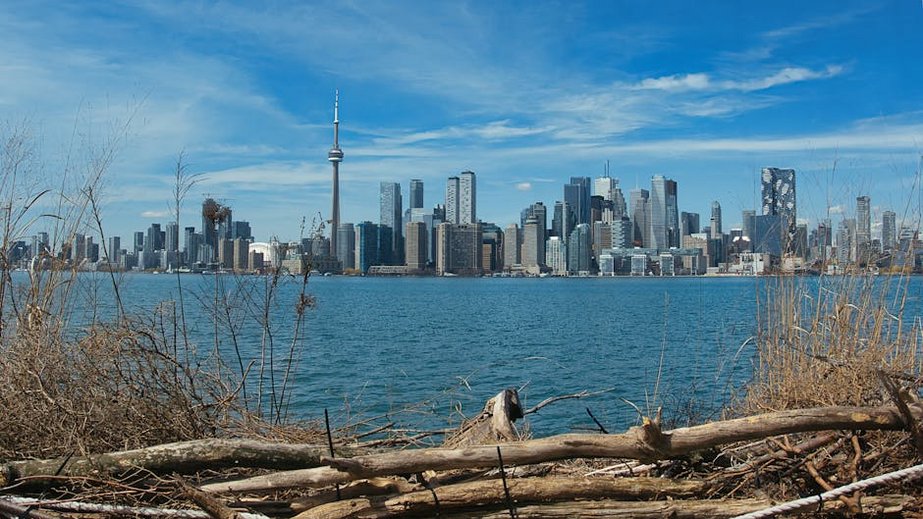
Toronto is the capital of Ontario and Canada’s financial and cultural heart. Situated on the northwestern shore of Lake Ontario, the city proper houses approximately three million residents, with over six million in the Greater Toronto Area. Its iconic skyline, defined by the CN Tower, reflects its status as a modern global city.
The city’s history is rooted as a trading post named York, established in 1793. It became Toronto in 1834 and grew through successive waves of immigration. This history created the incredibly diverse mosaic of over 200 ethnic origins represented in the city today, making it one of the world’s most multicultural urban centers.
English is the primary language, but you’ll hear countless others across the city’s neighborhoods. The local government operates as a single-tier municipality, with the mayor and city council managing services. Understanding this basic context helps you appreciate the city’s unique character and logistical layout.
Key City Facts and Figures
Before you visit, these core details will help frame your expectations and planning.
- Time Zone: Eastern Standard Time (UTC-5); observes Daylight Saving Time from March to November, shifting to Eastern Daylight Time (UTC-4).
- Currency: Canadian Dollar (CAD); credit cards are widely accepted, but carrying some cash for markets and smaller vendors is wise.
- Emergency Number: Dial 911 for police, fire, or medical emergencies throughout Canada.
- Budget Traveler ($75-125 CAD / $55-90 USD): Stay in hostel dorms, use public transit exclusively, enjoy free attractions like High Park or the AGO on Wednesday nights, and eat at food markets or affordable ethnic restaurants.
- Mid-Range Traveler ($200-350 CAD / $145-255 USD): Book a central hotel or Airbnb, use a mix of transit and occasional rideshares, visit 1-2 major paid attractions daily, and dine at mid-range sit-down restaurants for most meals.
- Luxury Traveler ($500+ CAD / $365+ USD): Stay at five-star hotels like the Ritz-Carlton or Four Seasons, use private car services, book exclusive experiences like chef’s table dinners, and enjoy VIP access to theater shows or sporting events.
- City of Toronto Official Website
- Destination Toronto Tourism Authority
- Toronto Transit Commission (TTC)
Understanding the Climate and Weather
Toronto experiences four distinct seasons, each offering a different travel experience. Summers are warm and humid, with average highs around 79°F (26°C), perfect for patio dining and lake activities. Winters are cold and snowy, with January temperatures averaging 23°F (-5°C), requiring proper insulated clothing and footwear.
Spring and fall provide mild, pleasant conditions but can be unpredictable with rain. Lake Ontario significantly influences the local weather, often creating lake-effect snow in winter and cooling breezes in summer. Always check the forecast close to your travel dates and pack layers to adapt.
Neighborhood Character and Vibe
Toronto is famously a “city of neighborhoods,” each with its own identity. Downtown Yonge-Dundas Square is the bustling commercial and entertainment core, akin to New York’s Times Square. Just west, the Entertainment District houses major venues like the Scotiabank Arena and the Royal Alexandra Theatre.
Historic Distillery District features Victorian-era industrial architecture now housing galleries and restaurants. Kensington Market offers a bohemian, vintage shopping and international food experience. Exploring these distinct areas is key to understanding the city’s full personality beyond the main tourist sites.
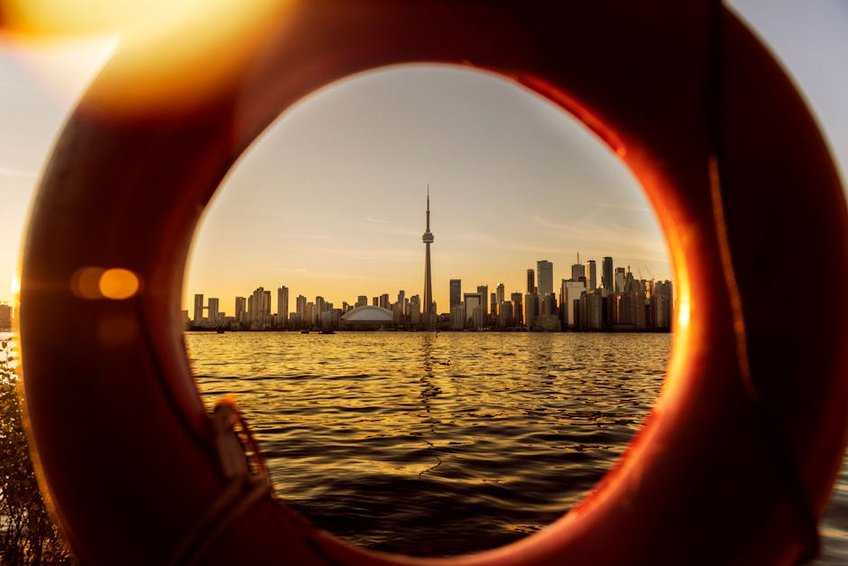
Alt: “toronto-cn-tower-skyline-lake-ontario-waterfront-summer”
Toronto Travel Guide – Planning Your Trip
Effective planning transforms a good Toronto visit into a great one. Your itinerary should balance iconic landmarks with neighborhood exploration, accounting for travel distances across this sprawling city. Prioritize attractions based on your interests, whether that’s art, food, history, or outdoor spaces.
Booking accommodations and popular attractions like the CN Tower EdgeWalk or a Blue Jays game well in advance secures better rates and availability. Consider purchasing a city pass if you plan to visit multiple paid attractions, as it can offer significant savings. Allocate time for spontaneous discovery in areas like West Queen West or Leslieville.
Budget realistically for this world-class city. While many museums and parks are free or donation-based, dining, transportation, and entertainment costs align with other major North American cities. Using a mix of subway, streetcar, and walking is the most efficient and affordable way to navigate the urban core.
Best Time to Visit Toronto
The ideal time for a Toronto visit depends on your preferred activities. Late May through early October offers the warmest weather, with July and August being peak tourist season. Temperatures range from 68°F to 82°F (20°C to 28°C), perfect for ferry trips to the Toronto Islands and outdoor festivals.
Shoulder seasons of May-June and September-October provide milder weather with fewer crowds and lower hotel rates. Winter, from December to March, is cold but magical with Christmas markets, ice skating at Nathan Phillips Square, and the Toronto Light Festival. Avoid March and April’s “shoulder” period, as it often features slushy, unpredictable conditions.
Budget Planning and Costs
Your daily budget in Toronto varies dramatically based on accommodation style, dining choices, and activity selection. Here’s a realistic breakdown for different travel styles per person, per day.
Essential Preparation Checklist
Pack for Toronto’s variable weather, even in summer. Essential items include comfortable walking shoes, a layered jacket, an umbrella, and a reusable water bottle. In winter, add a heavy coat, waterproof boots, gloves, a hat, and thermal layers to stay comfortable while exploring.
Ensure your passport is valid for the duration of your stay. US and EU citizens do not need a visa for tourist stays under 180 days. Purchase comprehensive travel health insurance, as medical care for visitors is not free. Download the TTC (transit) and RideGTA apps for real-time travel planning and payments.
Top Attractions and Activities
Toronto’s must-see list blends iconic landmarks with cultural institutions. The CN Tower dominates the skyline and offers thrilling glass floor views and the EdgeWalk for the adventurous. Nearby, the Ripley’s Aquarium of Canada provides a fascinating underwater journey beneath the tower’s shadow.
The Royal Ontario Museum (ROM) and the Art Gallery of Ontario (AGO) are world-class institutions showcasing global natural history and stunning art collections. St. Lawrence Market, a historic food hall, is a sensory delight and a perfect spot for lunch. Allocate at least half a day for each major museum to appreciate them fully.
For outdoor escapes, the Toronto Islands provide a car-free sanctuary with beaches, bike rentals, and skyline views just a short ferry ride from the downtown core. In the city, High Park features hiking trails, a free zoo, and beautiful cherry blossoms in spring. These green spaces offer a vital respite from the urban energy.
Must-See Highlights
The CN Tower is an engineering marvel. Purchase “SkyPass” tickets online to skip lines for both the tower and the aquarium. Visit on a clear day for visibility extending over 100 km. For a unique dining experience, book a table at the 360 Restaurant, which rotates for panoramic views.
The Distillery District is a pedestrian-only village of Victorian industrial buildings. It’s perfect for an afternoon exploring art galleries, boutique shops, and craft breweries. During winter, it transforms into a magical Christmas Market, requiring timed tickets purchased far in advance. Arrive early in the morning to avoid the largest crowds.
Casa Loma is a Gothic Revival castle with secret passages and lush gardens. It offers a glimpse into early 20th-century luxury. For sports fans, catching a Toronto Blue Jays baseball game at the Rogers Centre or a Toronto Maple Leafs hockey game at Scotiabank Arena is a quintessential local experience.
Hidden Gems and Local Favorites
Venture beyond the postcard sights to discover Toronto’s authentic charm. The Graffiti Alley in the Fashion District is a vibrant, ever-changing open-air gallery of street art. It’s easily accessible and makes for fantastic photography, especially in the soft afternoon light.
Allan Gardens Conservatory is a free, historic indoor botanical garden with six greenhouses, ideal for a rainy day. The Tom Thomson and Group of Seven gallery at the AGO is a treasure trove of iconic Canadian landscape painting. For a unique neighborhood stroll, explore the winding, villa-lined streets of Wychwood Park, a private residential enclave with public pathways.
Waterfront and Island Adventures
The revitalized Harbourfront Centre is a cultural hub on the lake with year-round free events, outdoor skating in winter, and marina views. From here, take the 15-minute ferry to Centre Island for bike rentals, picnics, and the best panoramic photographs of the downtown skyline.
Consider renting a kayak or paddleboard from one of the water sports centers near Cherry Beach for a unique aquatic perspective. The Martin Goodman Trail is a scenic multi-use path spanning the waterfront, perfect for cycling, jogging, or a long, leisurely walk. Ferry schedules change seasonally, so always check the latest departure times online before heading to the docks.
Practical Travel Information
Navigating Toronto is straightforward with its extensive public transit system, known as the TTC. It includes subways, streetcars, and buses, all accessible with a single Presto card or contactless payment. The subway is fastest for north-south and east-west travel across the core, while streetcars are ideal for exploring surface-level routes like along Queen or King Street.
Accommodation options range from international luxury chains downtown to charming boutique hotels in neighborhoods like Yorkville and more affordable options near major subway stations. For longer stays, consider an Airbnb in areas like the Annex or Danforth, which offer local character and kitchen facilities. Book several months in advance for summer or major event dates.
| Category | Options/Features | Price Range (USD) |
|---|---|---|
| Budget Hostel | Dorm beds, shared kitchens, social common areas, central locations like The Only Backpacker’s Inn. | $30-50 per night |
| Mid-Range Hotel | Private rooms, en-suite bathrooms, breakfast often included, locations near subway like Chelsea Hotel. | $120-220 per night |
| Luxury Hotel | Five-star service, spa, fine dining, prime downtown views like Shangri-La or the Ritz-Carlton. | $350-600+ per night |
| Vacation Rental | Entire apartment/house, full kitchen, washer/dryer, located in residential neighborhoods like Leslieville. | $90-250 per night |