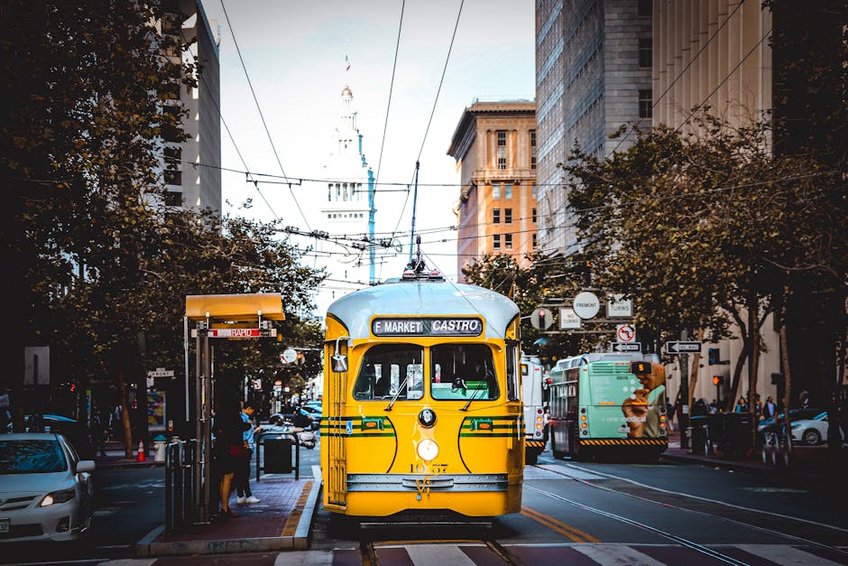
San Francisco Travel Guide: Discover the City by the Bay
San Francisco is a city of iconic postcard views, historic neighborhoods, and a vibrant cultural scene defined by its famous hills and bay. Your visit here blends world-class dining with outdoor adventures, from walking across the Golden Gate to riding a cable car. This guide covers essential planning, top attractions, and local insights for your Bay Area adventure.
Essential City Information
Founded in 1776, San Francisco became a boomtown during the 1849 Gold Rush. The 1906 earthquake and fire reshaped the city, leading to its modern architectural landscape. Today, it’s a global tech hub with a distinct counterculture history and progressive spirit.
The city spans roughly 49 square miles at the tip of a peninsula. It’s famous for its microclimates, where weather can differ dramatically between neighborhoods. Understanding these local conditions is key to packing and planning your daily itinerary effectively.
Climate and What to Pack
San Francisco’s weather is famously unpredictable and cool year-round. The city’s microclimates mean the Sunset District can be foggy while the Mission District is sunny.
- Always carry a warm layer, like a fleece or light jacket, even in summer. The fog and wind can arrive suddenly, especially near the water.
- Comfortable walking shoes are non-negotiable for tackling the city’s steep hills. Opt for supportive sneakers or flats over fashion footwear.
- Pack sunglasses, sunscreen, and a hat for sun protection. The UV index can be high on clear days, despite the cool air temperature.
- Budget: $150-250 per day covers a hostel, public transit, grocery meals, and free sights like Golden Gate Park. Save by walking hills and visiting public parks.
- Mid-Range: $300-500 per day allows a hotel near Union Square, casual restaurant meals, paid attractions, and occasional ride-shares. This offers the best value for comfort and experience.
- Luxury: $600+ per day provides boutique hotels, fine dining, guided tours, and premium bay cruises. Enjoy concierge services and prime reservation access.
- San Francisco Travel Association
- Golden Gate National Recreation Area (NPS)
Navigating the Neighborhoods
Each district in the Golden Gate City has its own unique personality and attractions. Fisherman’s Wharf is tourist-centric with sea lions and souvenir shops, while the Mission District offers authentic taquerias and vibrant murals. Choose your base depending on your travel interests.
Union Square is ideal for shoppers with its central location and hotel density. For a more residential feel, consider neighborhoods like Pacific Heights or Nob Hill. Researching these areas helps you maximize your time and experience.
Local Culture and Vibe
San Francisco maintains a creative, entrepreneurial, and inclusive atmosphere. You’ll notice a blend of tech innovation, historic preservation, and social activism. The city is generally welcoming and LGBTQ+ friendly, with a strong sense of community.
Respect is paramount, especially in diverse neighborhoods. The pace is active but not frenetic like New York. Embrace the local focus on sustainability, from public transit use to farm-to-table dining.
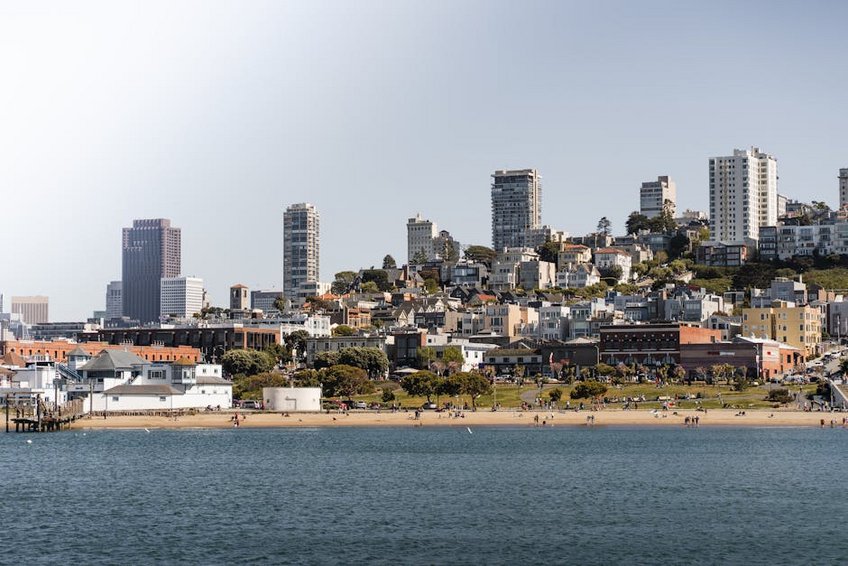
Alt: “golden-gate-bridge-foggy-morning-san-francisco-bay”
San Francisco Travel Guide – Planning Your Trip
Effective planning for this destination revolves around timing, budgeting, and mobility. Hotel prices and crowd levels fluctuate significantly with conferences and seasons. Booking key attractions and popular restaurants in advance is highly recommended for a smooth visit.
Allocate your budget across accommodations, dining, attractions, and transport. Consider purchasing a transit pass or city attraction discount card if you plan to see multiple sites. Flexibility is your greatest asset when dealing with the city’s changeable weather.
Your itinerary should balance famous landmarks with neighborhood exploration. Avoid trying to cram too much into one day, as travel between districts takes time. Prioritize a few key experiences that match your personal interests.
Best Time to Visit San Francisco
Visit San Francisco between September and November for the warmest, clearest weather and fewer crowds. Fall temperatures typically range from 60-75°F (15-24°C). This period follows the summer fog and precedes the winter rains.
Spring (April-May) is another pleasant shoulder season with blooming flowers. Summer (June-August) is foggy, especially in western neighborhoods, but bustling with events. Winter is the rainy season, yet hotel rates are often at their lowest.
Budget Planning and Costs
A daily budget varies widely based on your travel style and lodging choices.
Essential Preparation Checklist
Secure lodging at least two months in advance, especially for summer or convention dates. Book popular restaurants one to three weeks ahead. Purchase tickets online for Alcatraz and major museums to guarantee entry and skip lines.
Download the MuniMobile app for transit tickets and Google Maps for navigation. Ensure you have a credit card with no foreign transaction fees if visiting internationally. Pack layers, not heavy winter coats, to adapt to shifting conditions.
Top Attractions and Iconic Experiences
The city’s landmarks are world-famous for good reason. The Golden Gate Bridge is an engineering marvel best viewed from Crissy Field or Battery Spencer. Alcatraz Island offers a hauntingly fascinating glimpse into federal prison history.
Golden Gate Park is larger than New York’s Central Park and houses museums, gardens, and bison. Fisherman’s Wharf, while touristy, provides classic experiences like watching sea lions and eating clam chowder in a sourdough bowl. Each site requires different timing for the best visit.
For more details on navigating these sights, read our California road trip itinerary which includes SF highlights.
Must-See Highlights
Walk or bike across the Golden Gate Bridge early to avoid afternoon wind and fog. Visit Alcatraz by taking the first ferry of the day for smaller crowds. Pre-book these tours weeks in advance through the official National Park Service website.
Explore Golden Gate Park’s Japanese Tea Garden or the California Academy of Sciences. Ride a historic cable car from Powell Street, gripping the outside rails for the full experience. These activities define the classic postcard vision of the Bay Area.
Hidden Gems and Local Favorites
Discover the wave organ, an acoustic sculpture that plays sounds with the tide at the Marina. Find the mosaic stairways like the 16th Avenue Tiled Steps in the Sunset District. Visit the Musée Mécanique at Fisherman’s Wharf for a collection of vintage arcade games.
Explore the Presidio, a former military post turned national park with great Golden Gate views. Walk through the secluded gardens and beach at Land’s End. These spots offer quieter moments away from the main tourist circuits.
Museums and Cultural Institutions
The de Young Museum in Golden Gate Park showcases American art with a standout observation tower. The Exploratorium at Pier 15 is a hands-on science museum engaging for all ages. The San Francisco Museum of Modern Art (SFMOMA) holds a significant contemporary collection.
Many museums have free admission days, often the first Tuesday of the month. Check individual websites for schedules. Purchasing a CityPASS can save money if you plan to visit several of these institutions.
Practical Travel and Transportation
Getting around SF involves a mix of walking, historic transit, and modern apps. The city’s compact size makes many areas walkable, but its hills are challenging. Public transportation is extensive and includes buses, streetcars, cable cars, and the BART subway system.
Ride-sharing services like Uber and Lyft are widely available for longer distances or late-night travel. Driving and parking in the city is difficult and expensive, so a rental car is not recommended for a purely urban stay. Understanding the transit options saves time and money.
| Category | Options/Features | Price Range (USD) |
|---|---|---|
| Cable Car Single Ride | Iconic historic transport on three lines. Pay with Clipper Card or MuniMobile app. | $8.00 |
| Muni Passport (1 Day) | Unlimited rides on all Muni buses, streetcars, and cable cars. Great for tourists. | $13.00 |
| Bay Cruise (1 Hour) | Scenic boat tour under the Golden Gate and around Alcatraz. Multiple operators. | $40-$55 |
| Ride-Share (Downtown to GG Bridge) | Convenient point-to-point service. Prices surge during peak hours and events. | $25-$40 |