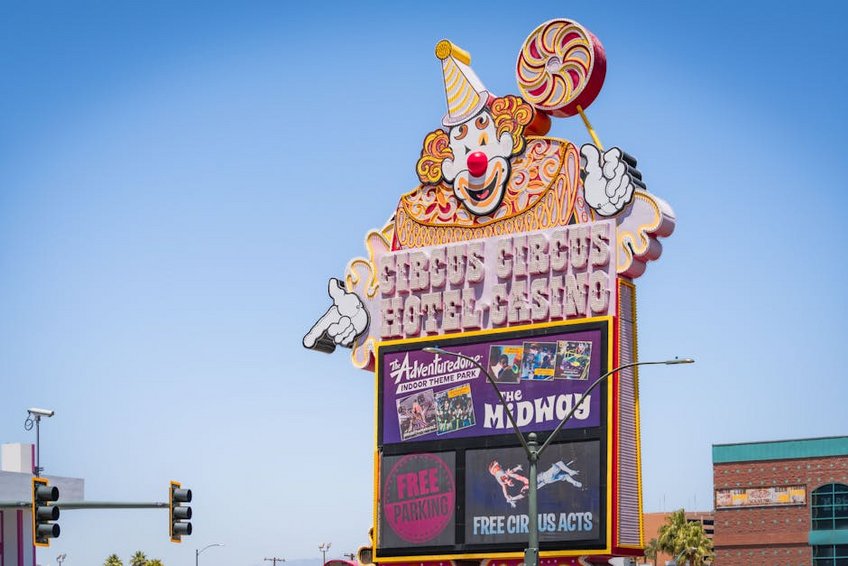
Las Vegas Travel Guide: From the Strip to the Desert
Navigating the vibrant chaos of Las Vegas requires more than just a lucky streak. This desert metropolis delivers world-class entertainment, culinary innovation, and stunning natural landscapes just beyond the neon glow. Your comprehensive Las Vegas Travel Guide provides the essential strategy for balancing high-energy attractions with serene escapes. You will learn how to maximize your budget, discover hidden local gems, and plan an itinerary that captures the full spectrum of experiences from luxury to adventure.
Essential Las Vegas Information
Founded in 1905, Las Vegas transformed from a dusty railroad stop into the global entertainment capital. The city operates within the Pacific Time Zone and observes Daylight Saving Time. Its desert climate means significant temperature swings, with summer highs regularly exceeding 100°F (38°C) and winter nights dipping into the 40s (4-9°C).
Understanding the city’s layout is crucial for efficient planning. The world-famous Las Vegas Strip is actually located in the unincorporated towns of Paradise and Winchester. Downtown Las Vegas, home to the Fremont Street Experience, is the original city center located a few miles north. Major resorts are concentrated in these two primary areas, with significant distances between them.
Key Facts and Figures
Before you go, these foundational details will help shape your expectations and plans.
- Visitor Volume: The city hosts approximately 40 million visitors annually, with major conventions and events causing significant hotel price fluctuations and crowd levels throughout the year.
- Gaming Age: The legal gambling age is 21 years old for all casinos, poker rooms, and sportsbooks. Strict ID checks are enforced at all entry points to gaming floors.
- Primary Airport: Harry Reid International Airport (LAS) is the main gateway, located just 1-3 miles from the southern end of the Strip, making Uber, Lyft, and taxi transfers quick but often costly during peak hours.
- Budget Traveler ($100-$150/day): Secure a room off-Strip or in Downtown during weekdays. Eat at casino food courts, enjoy free attractions like the Bellagio Fountains, and use the Deuce bus for transportation. Limit gambling to low-limit table games or penny slots.
- Mid-Range Traveler ($250-$400/day): Stay at a mid-tier center-Strip resort like The LINQ or Park MGM. Dine at one celebrity chef restaurant and several casual spots. See one major production show, visit a paid attraction like the High Roller, and use ride-share services strategically.
- Luxury Traveler ($600+/day): Book a suite at a luxury property like Wynn or Cosmopolitan. Experience fine dining for multiple meals, secure VIP nightclub access, and see multiple premium shows. Consider hiring a car service or renting a cabana for ultimate poolside convenience.
- Las Vegas Convention and Visitors Authority
- U.S. News Travel – Las Vegas Guide
Neighborhoods and Districts
The Strip dazzles with its themed mega-resorts, each a destination unto itself. South Strip areas near Luxor and Mandalay Bay offer slightly easier traffic access. Central Strip locations by Bellagio and Caesars Palace place you in the heart of the action. North Strip near Resorts World and Fontainebleau is undergoing major redevelopment.
Downtown provides a more historic, gritty, and often more affordable Vegas experience centered around Fremont Street. The Arts District, located just south of Downtown, hosts First Friday festivals, boutique galleries, and trendy breweries. For more details, read our Las Vegas neighborhoods guide.
Climate and Weather Preparedness
Summer heat from June to September is intense and dry. Daytime temperatures routinely hit 105°F (40°C), requiring hydration strategies and sun protection. Evenings remain warm, often above 80°F (27°C). The monsoon season in July and August can bring brief, dramatic thunderstorms.
Winter months from December to February are mild and pleasant for walking, with daytime highs around 60°F (15°C) and chilly nights. Spring and fall offer the most ideal conditions, with comfortable temperatures and minimal rainfall, making them perfect for pool time and exploring.
Alt: “las-vegas-strip-aerial-view-neon-lights-night”
Las Vegas Travel Guide – Planning Your Trip
Strategic planning separates a stressful trip from a spectacular one in this 24-hour city. Your budget will stretch further with mid-week visits, as hotel rates can double or triple from Thursday to Saturday. Allocate funds across entertainment, dining, and transportation categories, as costs add up quickly beyond the room rate. Advance reservations for popular shows, restaurants, and nightclubs are non-negotiable during peak seasons.
A successful Las Vegas Travel Guide strategy accounts for pace and variety. Balance a lavish dinner show with a low-key afternoon exploring unique museums. Schedule pool time or a spa visit to recover from late nights. Remember that walking the Strip is a marathon, not a sprint, with distances between resorts often much farther than they appear.
Best Time to Visit Las Vegas
Peak season runs from March through May and September through November. These months provide perfect pool weather (75-85°F / 24-29°C) and ideal conditions for walking. Major sporting events and conventions, however, can drive prices to their highest levels. Book accommodations at least three months in advance for these desirable dates.
The value seasons are the scorching summer and the cooler winter. July and August see lower hotel prices but require you to embrace indoor, air-conditioned activities. December through February offer cool weather great for exploring, though hotel pools will be chilly. Always check the convention calendar, as a single large event can fill the city and triple room rates overnight.
Budget Planning and Costs
Your daily budget dictates your Vegas experience. Costs vary dramatically based on your choices for lodging, dining, and entertainment.
Essential Preparation Checklist
Pack comfortable walking shoes with good support, as you will cover miles on hard concrete surfaces. Include a light jacket or sweater for aggressive air conditioning inside casinos and restaurants. Bring a refillable water bottle to stay hydrated in the arid climate. Sunscreen and a hat are mandatory for any daytime outdoor activity, including pool time.
Ensure your driver’s license or passport is valid and readily accessible for ID checks. Notify your bank of travel plans to avoid card declines at casinos. Bookmark a map of the Strip and Monorail stops on your phone. Consider travel insurance for non-refundable show tickets and expensive hotel reservations in case of unexpected changes.
Top Attractions and Signature Experiences
The city’s core appeal lies in its unparalleled concentration of entertainment and spectacle. From Cirque du Soleil productions to breathtaking natural wonders, the options are endless. Prioritize your must-see list and book tickets online in advance for the best prices and to guarantee availability. Many major attractions offer discounted rates for late-night or early-morning time slots.
Beyond the ticketed entries, some of the best experiences are free. The Bellagio Fountains perform a choreographed water show set to music every 30 minutes in the afternoons and evenings. The Mirage Volcano erupts with fire and sound nightly. The Fremont Street Experience in Downtown features a nightly light and sound show on a massive canopy covering four city blocks.
Must-See Highlights
The High Roller Observation Wheel at The LINQ offers stunning 360-degree views from 550 feet up. Evening rides provide the best panorama of the Strip’s neon landscape. Tickets start at $25 for a 30-minute rotation. For thrill-seekers, the SlotZilla zip line on Fremont Street lets you fly either 77 feet or 114 feet above the bustling crowd below.
Cirque du Soleil’s “O” at Bellagio is a water-themed masterpiece in a custom-built theater. “Michael Jackson ONE” at Mandalay Bay celebrates the pop icon’s music with incredible acrobatics. These shows represent the pinnacle of Vegas production value. Secure seats several weeks ahead, especially for weekend performances.
The Mob Museum in Downtown delivers a fascinating, interactive deep dive into organized crime history. The Neon Museum Boneyard hosts guided tours through a graveyard of iconic vintage signs. Both offer a compelling counterpoint to the modern glitz and require reservations.
Hidden Gems and Local Favorites
Escape the crowds at the Pinball Hall of Fame, home to the world’s largest public pinball collection. This non-profit venue features over 200 classic machines, all set to one quarter per play. It’s located just a short drive east of the Strip. Another unique spot is the Arts Factory in the Arts District, a complex of artist studios and galleries open to the public.
For an unusual cocktail, visit The Laundry Room, a speakeasy hidden behind a fake washing machine inside Commonwealth on Fremont Street. Access requires a text message reservation. Locals also favor the “Foundation Room” at House of Blues, not for the club, but for its secretive rooftop terrace offering one of the most breathtaking views of the Strip skyline, accessible with a dinner reservation.
Day Trips into the Desert
Red Rock Canyon National Conservation Area lies just 30 minutes west. Its 13-mile scenic drive showcases towering red sandstone peaks and hiking trails for all levels. A timed entry reservation is required for vehicles. Hoover Dam, about 45 minutes southeast, is a marvel of modern engineering. Guided powerplant tours delve into its history and operation.
The Valley of Fire State Park, Nevada’s oldest, is an hour’s drive northeast. Its fiery red Aztec sandstone formations, ancient petroglyphs, and scenic hikes feel otherworldly. For the ultimate excursion, Grand Canyon West Rim is a 2.5-hour drive. The Skywalk glass bridge extends 70 feet over the canyon’s edge. Booking a guided tour often simplifies logistics for these longer trips.
Practical Travel and Logistics
Navigating Las Vegas efficiently saves both time and money. Ride-sharing services like Uber and Lyft are ubiquitous but surge pricing during peak hours (especially at night) can make short trips expensive. The Las Vegas Monorail runs along the east side of the Strip, connecting the Sahara to the MGM Grand. It’s efficient for bypassing traffic but requires walking to and from station exits to your final resort.
The RTC public bus system, particularly the Deuce double-decker, runs a frequent route along the Strip and to Downtown. A 24-hour pass costs $8 and can be economical for multiple trips. Walking is viable for short distances, but remember that crossing major intersections often requires using pedestrian bridges, adding significant steps to your journey.
| Category | Options/Features | Price Range (USD) |
|---|---|---|
| Budget Hotel | Off-Strip chains (Red Roof Inn), Downtown properties (The D), basic casino amenities, older rooms | $40-$80/night (weekdays) |
| Mid-Range Resort | Center-Strip location (Flamingo, Harrah’s), multiple pools, several dining options, modern rooms | $120-$250/night |
| Luxury Hotel | Premium Strip location (Aria, Venetian), high-end spa, fine dining, luxury suites, exclusive pools | $300-$600+/night |
| Vacation Rental | Full apartment/house off-Strip (Summerlin), kitchen, laundry, more space, requires car/Uber | $150-$350/night |