Miami Travel Guide: Discover Sun, Style, and Culture
Your Miami travel guide begins in a city where pastel art deco meets turquoise water and salsa rhythms pulse through warm nights. This South Florida destination offers more than just beaches, presenting a dynamic fusion of Latin American culture, world-class dining, and iconic neighborhoods each with a distinct personality. This resource provides essential planning details, from navigating diverse districts to timing your visit for perfect weather and vibrant events.
Essential Miami Information
Miami is a major city on Florida’s southeastern tip, anchored by Miami-Dade County. The metro area blends urban energy with subtropical nature, from the downtown financial district to the sprawling Everglades at its western edge. Understanding this geographic and cultural diversity is the first step to a rewarding trip.
The city’s modern identity is deeply shaped by Cuban immigration, particularly after the 1959 revolution, which established neighborhoods like Little Havana. Subsequent waves from across Latin America and the Caribbean have created a richly layered cultural tapestry. This history is palpable in the food, language, and daily life.
Understanding Miami’s Key Neighborhoods
Each district in the Magic City offers a unique experience. Your itinerary should mix a few based on your interests.
- South Beach (SoBe): The iconic heart of the Art Deco Historic District, known for Ocean Drive’s nightlife, Lummus Park, and the bustling beach scene. It’s quintessential but can be crowded.
- Wynwood & the Design District: Adjacent areas focused on art and design. Wynwood features the famous Wynwood Walls street art galleries, breweries, and trendy shops, while the Design District offers high-end luxury shopping and architecture.
- Little Havana: The cultural nucleus of Cuban Miami along Calle Ocho (SW 8th Street), where you’ll find cigar shops, domino parks, ventanitas (coffee windows), and the sounds of salsa.
- Budget Traveler ($100-150/day): Stay in a hostel or budget hotel in Downtown/Edgewater, use public transit, eat at ventanitas and food trucks, enjoy free beaches and window shopping in Wynwood. Focus on free activities like the Art Deco District self-guided tour.
- Mid-Range Traveler ($250-400/day): Book a 3-4 star hotel in South Beach or Brickell, use ride-shares for longer trips, dine at respected local restaurants like Versailles, and book one major paid attraction or a guided street art tour.
- Luxury Traveler ($600+/day): Stay at a 5-star oceanfront resort or a Design District boutique hotel, dine at award-winning chefs’ tables, charter a boat for the day, and enjoy VIP access to nightclubs and spa treatments.
- Official Greater Miami & The Beaches Tourism Board
- National Park Service: Everglades National Park
Climate and What to Expect
Miami has a tropical monsoon climate, meaning it’s warm year-round with distinct wet and dry seasons. Summer, from May to October, brings high humidity, afternoon thunderstorms, and average highs of 87-90°F (31-32°C). This is the off-peak season for tourists but peak for humidity.
The dry season, from November to April, offers sunny, warm, and less humid days with average highs of 75-80°F (24-27°C). This is the most popular and expensive time to visit. Even in winter, ocean temperatures rarely drop below 72°F (22°C), making swimming pleasant.
Getting Oriented: City Layout
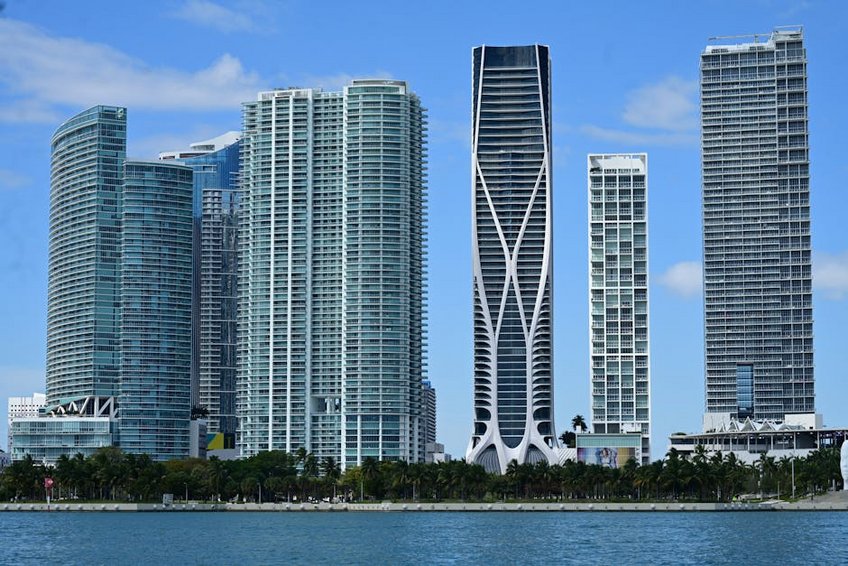
The city is divided by the Miami River and Biscayne Bay. Mainland areas include Downtown, Brickell (financial center), Little Havana, and Coral Gables. Barrier islands contain South Beach (on Miami Beach), Key Biscayne, and Fisher Island. The MacArthur Causeway and Venetian Causeway are primary links to the beaches.
Alt: “south-beach-art-deco-buildings-ocean-drive-miami-florida”
Miami Travel Guide – Planning Your Trip
Crafting your South Florida itinerary requires balancing beach time, cultural exploration, and culinary adventures. A common mistake is spending the entire visit in South Beach; the mainland neighborhoods offer equally compelling and authentic experiences. Allocate days strategically to avoid excessive backtracking across causeways.
Budget wisely, as costs can vary dramatically. While luxury is abundant, affordable taquerias, free public beaches, and cheap public transit rides on the Metromover in downtown help balance expenses. Always account for resort fees at beach hotels and mandatory valet parking in many areas, which add $40-60 daily to your stay.
Best Time to Visit Miami
The ideal weather window is between December and April, featuring low humidity and minimal rain with temperatures of 70-80°F (21-27°C). This peak season aligns with major events like Art Basel in December and the Miami Boat Show in February, requiring bookings 4-6 months in advance for hotels and popular restaurants.
Consider the shoulder months of November and late April for fewer crowds and lower prices while still enjoying good weather. May and October are hotter and wetter but offer deep discounts. The Atlantic hurricane season officially runs June through November, with highest risk from mid-August to mid-October.
Budget Planning and Costs
Daily costs fluctuate based on season and style. Here’s a realistic breakdown for a per-person daily average.
Essential Preparation Checklist
Pack lightweight, breathable clothing, a sturdy swimsuit, a sun hat, and high-SPF sunscreen. Include a light jacket or sweater for overly air-conditioned restaurants and evening breezes in winter. Comfortable walking shoes are non-negotiable for exploring neighborhoods like Wynwood and Little Havana.
U.S. citizens need no special documentation, while international visitors must check ESTA or visa requirements. Travel insurance is recommended, especially during hurricane season. Download the PayByPhone app for parking, and have ride-share apps ready. Book key dining reservations 2-3 weeks ahead for peak season.
Top Attractions and Activities
Beyond the postcard image, the Magic City delivers diverse experiences. From wildlife encounters to architectural wonders, your days can be as relaxed or as activity-packed as you choose. Many top sites are clustered, allowing for efficient exploration.
Balancing iconic sights with local secrets creates a richer visit. While a photo on Ocean Drive is a must, spending an afternoon watching the skilled players at Domino Park in Little Havana provides authentic cultural immersion. The city rewards those who look beyond the shoreline.
Must-See Highlights
The Art Deco Historic District in South Beach contains over 800 preserved pastel buildings from the 1930s and 1940s. A guided walking tour (around $30) provides fascinating historical context you’d miss on your own. Visit the Bass Museum of Art or the Wolfsonian-FIU for world-class collections.
Vizcaya Museum and Gardens is a stunning Italian Renaissance-style villa built in 1916, featuring 10 acres of formal gardens on Biscayne Bay. Admission is $25. The Venetian Pool in Coral Gables is a historic public swimming pool carved from coral rock, a unique and refreshing attraction for $21.
Hidden Gems and Local Favorites
For a peaceful beach alternative to South Beach, head to Bill Baggs Cape Florida State Park on Key Biscayne. It features a historic lighthouse, bike trails, and calmer waters. The $8 per vehicle entry fee is well worth it for the serene environment and excellent lighthouse views.
Explore the Coral Gables Merrick House, the childhood home of the city’s founder, for a glimpse into 1920s architecture and history. In the evening, join locals at The Underline, a innovative urban park and trail beneath the Metrorail, often hosting free fitness classes and community events.
Nature and Wildlife Excursions
Everglades National Park is less than an hour’s drive from downtown. Airboat tours (starting at $50) offer thrilling access to see alligators, birds, and the unique river of grass ecosystem. For a more serene nature experience, Fairchild Tropical Botanic Garden spans 83 acres with stunning orchid and rainforest collections.
Key Biscayne’s Crandon Park offers a beautiful family-friendly beach, nature centers, and kayak rentals. Paddle through the mangrove trails to see marine life. Matheson Hammock Park features a unique atoll pool filled naturally by tidal action from Biscayne Bay, perfect for safe swimming.
Practical Travel Information
Navigating the metro area is easiest with a mix of transportation modes. While having a rental car provides maximum flexibility for trips to the Everglades or the Florida Keys, it can be a burden and expense in South Beach or Downtown where parking is scarce and costly.
Public transit includes the Metrorail (elevated train), the free Metromover that loops through Downtown/Brickell, and an extensive bus network. The Beach Bus (Route 120) connects Downtown to South Beach. For shorter trips, ride-shares like Uber and Lyft are widely available and often more convenient than taxis.
| Accommodation Area | Best For | Average Nightly Rate (USD) |
|---|---|---|
| South Beach | Nightlife, beach access, Art Deco charm | $250 – $600+ |
| Brickell/Downtown | Business travelers, urban dining, transit access | $200 – $450 |
| Coconut Grove | Families, quieter stays, marina views | $180 – $400 |
| Wynwood/Design District | Art lovers, trendy dining, boutique shopping | $220 – $500 |