Ultimate Hong Kong Travel Guide Experience 5 Tips

Hong Kong Travel Guide: Navigating Asia’s World City

Hong Kong delivers a dynamic fusion of Chinese tradition and global modernity across its compact urban landscape. Your Hong Kong travel guide must account for efficient public transit, diverse culinary scenes, and distinct cultural districts like Central and Kowloon. This overview covers essential logistics, seasonal attractions, and insider tips for first-time and returning visitors.

Essential Hong Kong Information

Hong Kong operates as a Special Administrative Region of China with its own immigration controls and currency. International visitors from the US, EU, and Canada typically receive visa-free entry for stays between 90 and 180 days. The local currency is the Hong Kong Dollar (HKD), but major credit cards are widely accepted in urban areas.

English functions as an official language alongside Cantonese, with signage and menus commonly bilingual. The city spans Hong Kong Island, Kowloon Peninsula, and the New Territories plus over 200 outlying islands. Public transportation efficiency ranks among the world’s best, simplifying navigation for travelers.

Key Facts at a Glance

Review these fundamental details before your trip.

  • Time zone is Hong Kong Time (HKT), UTC+8, which is 13 hours ahead of New York EST.
  • Power outlets use British-style three-prong plugs (Type G) with 220V voltage, requiring adapters for US devices.
  • The Hong Kong International Airport (HKG) connects to the city center via the Airport Express train in 24 minutes.
  • Cultural and Historical Context

    Hong Kong’s history as a British colony until 1997 shapes its unique East-meets-West character. This legacy appears in architecture, legal systems, and culinary fusion. The city maintains a “one country, two systems” framework, preserving local customs and economic policies.

    Traditional Chinese festivals like Lunar New Year and Mid-Autumn Festival transform the city with parades and decorations. Meanwhile, contemporary art galleries and international finance define its modern identity. Respect local etiquette by presenting business cards with both hands and avoiding loud public disputes.

    Visa and Entry Requirements

    US passport holders enjoy visa-free stays for up to 90 days upon arrival. EU citizens from Schengen countries receive similar 90-day visa exemptions. Always ensure your passport has at least six months’ validity beyond your departure date.

    Travelers entering from mainland China require separate visa arrangements, as Hong Kong maintains its own border controls. Immigration forms are distributed during flights, and processing at HKG airport typically takes 20-30 minutes. Keep your departure boarding pass accessible for inspection.

    Hong Kong Travel Guide – Planning Your Trip

    Successful Hong Kong itineraries balance iconic attractions with neighborhood exploration across 4-7 days. Your Hong Kong travel guide should prioritize advance bookings for peak season visits between October and December. Budget allocations must account for accommodation costs, which represent the largest expense for most visitors.

    Purchase an Octopus card immediately upon arrival for seamless access to trains, buses, and ferries. This rechargeable smart card also works at convenience stores and some restaurants. Download the MTR Mobile app for real-time transit updates and station maps.

    Consider travel insurance covering medical evacuation, as healthcare costs for foreigners can be substantial. The city’s subtropical climate demands adaptable clothing layers and rain gear, especially during summer monsoon season. Pack comfortable walking shoes for navigating hills and extensive pedestrian networks.

    Best Time to Visit Hong Kong

    October through December offers ideal conditions with temperatures between 68°F and 77°F (20°C-25°C) and low humidity. These autumn months provide clear skies for Victoria Peak views and comfortable outdoor exploration. Hotel rates peak during this period, requiring bookings 3-4 months in advance.

    Spring (March-May) brings warmer weather at 70°F-82°F (21°C-28°C) with increasing rainfall. January-February sees cooler temperatures down to 57°F (14°C) and Chinese New Year celebrations that inflate prices. Avoid June-September due to extreme heat, humidity, and frequent typhoon warnings.

    Budget Planning and Costs

    Daily expenses vary significantly based on accommodation choices and dining preferences.

    1. Budget travelers can manage on $75-$100 daily using hostel dorms, street food, and public transit. Expect to pay $30-$50 nightly for shared accommodations in Tsim Sha Tsui and $5-$10 per meal at casual eateries.
    2. Mid-range visitors spend $150-$250 daily for 3-4 star hotels, mixed dining, and attraction tickets. Hotel rooms in Causeway Bay average $120-$180 nightly, while restaurant meals cost $15-$30 per person.
    3. Luxury experiences exceed $400 daily with 5-star harbor-view hotels, fine dining, and private guides. The Peninsula or Four Seasons hotels command $350-$600 nightly, and Michelin-starred meals reach $150+ per person.
    4. Essential Preparation Checklist

      Secure required documents including valid passport, travel insurance proof, and driver’s license for ID purposes. Notify your bank of international travel to prevent card blocks on overseas transactions. Hong Kong’s immigration rarely requires vaccination certificates, but check current health advisories.

      Pack lightweight clothing, a compact umbrella, power adapter, and portable charger for daylong exploration. Reserve popular restaurants like Lung King Heen or Tim Ho Wan two weeks ahead for dinner sittings. Book airport transfers or research Airport Express schedules to streamline arrival.
      Hong Kong Travel Guide

      Alt: “hong-kong-victoria-harbor-night-skyline-skyscrapers”

      Top Attractions and Activities

      Hong Kong’s compact geography concentrates world-class sights within efficient transport networks. The city divides into Hong Kong Island’s financial districts, Kowloon’s markets and museums, and outlying natural areas. Allocate two days for main island sights, two for Kowloon, and one for islands or hiking.

      Purchase attraction tickets online for discounts and skip-the-line access at major sites. Combination passes like the Hong Kong Tourist Pass offer savings on transit and entry fees. Many museums provide free admission on Wednesdays, while harbor cruises deliver better value during evening light shows.

      Must-See Highlights

      Victoria Peak delivers panoramic city views via the historic Peak Tram, costing $10-$15 for roundtrip tickets. Visit early morning or late afternoon to avoid crowds and capture optimal photography light. The Sky Terrace 428 observation deck operates from 10 AM to 11 PM daily.

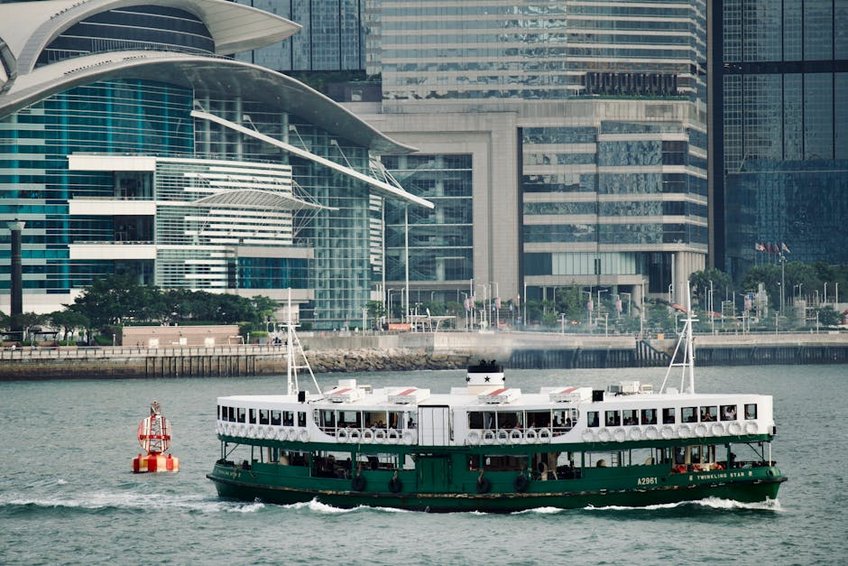
      Star Ferry crossings between Central and Tsim Sha Tsui provide iconic harbor perspectives for under $0.50 USD. Ride at dusk to witness the Symphony of Lights laser show illuminating both skylines. Ferries depart every 10-15 minutes from early morning until 11:30 PM.

      Hong Kong Disneyland occupies Lantau Island with seven themed areas accessible by dedicated MTR line. Single-day tickets cost $95-$115 depending on season, with lower prices on weekdays. Arrive at park opening to experience popular rides like Mystic Manor with shorter queues.

      Hidden Gems and Local Favorites

      Tai O Fishing Village on Lantau’s western coast preserves stilt houses and traditional shrimp paste production. Reach via bus from Tung Chung MTR station for a glimpse of pre-modern Hong Kong life. Sample local seafood at family-run restaurants along the waterfront promenade.

      PMQ in Central transforms former police married quarters into independent designer studios and cafes. This creative hub hosts rotating exhibitions and handicraft workshops free to the public. Visit on weekends for pop-up markets featuring emerging local artists.

      Dragon’s Back Hike offers coastal views and forest trails easily accessible from the city center. This moderate 5-mile trail begins near Shek O Road and concludes at Big Wave Bay beach. Allow 3-4 hours for the hike, bringing sufficient water and sun protection.

      Museum and Cultural Exploration

      The Hong Kong Museum of History presents comprehensive exhibits on regional development from prehistoric to modern eras. Admission costs approximately $2 USD, with free guided tours available in English on weekends. Allocate two hours for the permanent exhibition’s eight galleries.

      Chi Lin Nunnery in Diamond Hill combines Tang dynasty architecture with serene lotus ponds and bonsai gardens. This active Buddhist complex provides tranquil contrast to urban bustle, operating daily from 9 AM to 4:30 PM. Adjacent Nan Lian Garden features classical Chinese landscaping with no entrance fee.

      Man Mo Temple on Hollywood Road represents one of Hong Kong’s oldest temples dedicated to literature and war gods. Incense coils hang from the ceiling in this atmospheric space, still used for traditional ceremonies. Combine visits with nearby antique shops on Cat Street for cultural immersion.

      Practical Travel Information

      Hong Kong’s infrastructure supports effortless navigation through integrated transit systems and abundant accommodation options. The MTR subway serves all major districts with clean, air-conditioned trains running from 6 AM until past midnight. Taxis remain affordable for shorter distances, though drivers may not speak fluent English.

      Accommodation clusters in defined areas: luxury hotels along Central harborfront, mid-range options in Causeway Bay, and budget hostels in Tsim Sha Tsui. Book through international platforms like Booking.com for English-language support and traveler reviews. Summer months see rate reductions despite less favorable weather conditions.

      Getting There and Around

      Hong Kong International Airport (HKG) connects globally with direct flights from over 50 international cities. Flight durations average 16 hours from New York, 13 hours from London, and 9 hours from Sydney. The Airport Express train reaches Central station in 24 minutes for approximately $13 USD.

      Local transportation relies on the MTR system, buses, trams, and ferries, all accessible via Octopus card. MTR fares range from $0.50-$3 per journey, while double-decker trams cost $0.30 for any distance on Hong Kong Island. Taxis charge $3 initial fee plus $0.20 per 200 meters, with luggage and tunnel toll surcharges.

      Ride-hailing apps like Uber operate but face restrictions in certain areas compared to traditional taxis. Walking proves efficient in dense districts like Central, though elevated walkways and subway connections help navigate humid conditions. Ferries to outlying islands depart from Central Piers, with trips to Lamma Island taking 25 minutes.

      Where to Stay

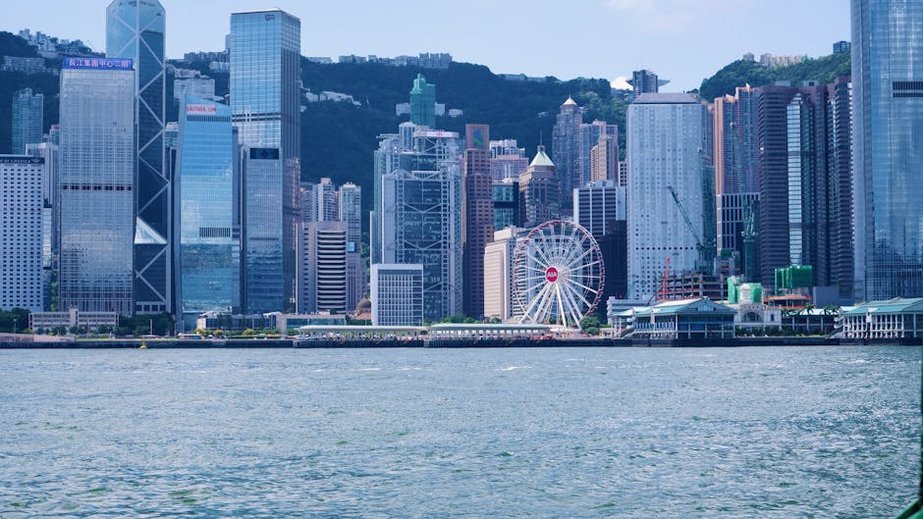
      Tsim Sha Tsui in Kowloon offers concentrated shopping, museums, and budget to mid-range hotels with harbor access. This area provides easy Star Ferry connections and diverse dining options along Nathan Road. Expect higher pedestrian traffic and vibrant nightlife around Canton Road.

      Central and Admiralty districts cater to luxury travelers with five-star hotels like The Landmark Mandarin Oriental. This financial hub ensures premium dining and designer shopping alongside efficient MTR connections. Rooms command premium rates but deliver unmatched convenience for business travelers.

      Causeway Bay serves as a balanced alternative with department stores, local restaurants, and family-friendly hotels. The area’s MTR station connects to all major lines, while Victoria Park offers green space relaxation. Book accommodations here 2-3 months ahead for peak season visits.

      Hong Kong Travel Guide

      Alt: “hong-kong-tsim-sha-tsui-hotel-view-harbor-bridge”

      Food, Culture, and Local Experience

      Hong Kong’s culinary identity blends Cantonese traditions with British colonial influences and international innovation. Dining ranges from Michelin-starred restaurants to dai pai dong street stalls, all maintaining rigorous quality standards. Mealtimes follow social rituals, with afternoon tea and late-night suppers forming integral cultural patterns.

      Local etiquette emphasizes respect for elders, modest behavior in temples, and discreet negotiation at markets. Tipping remains optional at restaurants where a 10% service charge often appears on bills. Taxi drivers expect small change rounding up, while hotel portards appreciate $2-$3 per bag.

      Local Cuisine and Must-Try Dishes

      Dim sum constitutes the essential Hong Kong meal, featuring steamed dumplings, buns, and rolls served from morning until mid-afternoon. Renowned establishments like Lin Heung Tea House maintain traditional pushcart service with elderly regulars. Expect to spend $15-$25 per person for a substantial dim sum selection.

      Roast goose represents a Cantonese specialty, with Kam’s Roast Goose earning Michelin recognition for its crispy skin preparation. Wonton noodle soup showcases delicate dumplings in savory broth, available at Mak’s Noodle for approximately $8 per bowl. Pineapple buns, lacking actual pineapple, feature sweet crust atop soft bread, best enjoyed at local bakeries.

      Street food stalls in Mong Kok offer fish balls, egg waffles, and stinky tofu for adventurous snacking under $5 per item. Temple Street Night Market hosts open-air seafood restaurants where you select live tanks for kitchen preparation. Always verify prices before ordering at market stalls to avoid misunderstandings.

      Cultural Tips and Etiquette

      Greetings involve slight nods or handshakes rather than hugs, with older individuals addressed formally using titles. Business card exchanges require presenting and receiving with both hands while briefly examining the card. Refrain from pointing with index fingers, using open hand gestures instead.

      Dining etiquette dictates waiting for the host to begin eating and leaving modest food portions on plates to indicate satisfaction. Chopsticks should never stand vertically in rice, as this resembles funeral incense offerings. Restaurant tea service involves tapping the table twice with two fingers to thank someone pouring for you.

      Temple visits demand conservative clothing covering shoulders and knees, with photography permissions asked before shooting. During festivals like Lunar New Year, present red envelopes with even monetary amounts for good luck. Public behavior should avoid loud conversations or confrontations to maintain social harmony.

      Shopping and Market Culture

      Bargaining remains expected at street markets but inappropriate at department stores and branded boutiques. Start negotiations at 30-40% below asking prices, settling around 20-25% discounts for reasonable outcomes. The Ladies’ Market in Mong Kok specializes in clothing and accessories, while Temple Street mixes souvenirs with fortune tellers.

      Electronics purchases should occur at authorized dealers like Fortress or Broadway for warranty protection. Custom tailoring services in Tsim Sha Tsui require 3-4 days for suit completion, with multiple fittings ensuring proper fit. Always request written price quotes detailing fabric choices and construction timelines.

      Sources and References

      • Hong Kong Tourism Board
      • Lonely Planet Hong Kong Guide
      • Frequently Asked Questions

        When is the best time to visit Hong Kong for good weather?

        Visit Hong Kong between October and December for optimal weather with temperatures averaging 68°F-77°F (20°C-25°C). These months feature low humidity, clear skies for viewing, and minimal rainfall disrupting outdoor plans. Avoid June through September due to extreme heat, typhoon risks, and frequent afternoon thunderstorms.

        How much does a trip to Hong Kong cost?

        A one-week Hong Kong trip costs $1,000-$2,500 per person depending on accommodation style and dining choices. Budget travelers allocating $75 daily can manage hostel stays and street food, while luxury visitors exceeding $400 daily book harbor-view hotels. Major expenses include accommodations (40-60% of budget), dining (20-30%), and attraction tickets (10-15%).

        How many days do you need for Hong Kong?

        Plan 4-7 days to experience Hong Kong’s urban highlights, cultural sites, and outlying islands adequately. Four days cover Victoria Peak, Star Ferry, markets, and museums, while seven days allow for day trips to Macau or hiking trails. Extend to 10 days for thorough exploration including Disneyland, Ocean Park, and multiple island visits.

        How do you get to Hong Kong?

        Fly into Hong Kong International Airport (HKG) from major global hubs like Los Angeles, London, or Sydney via direct flights. The Airport Express train connects to Central district in 24 minutes for approximately $13 USD, while taxis cost $40-$60 for the same journey. Cathay Pacific and multiple international carriers offer daily services with flight durations averaging 15 hours from the US West Coast.

        Where should you stay in Hong Kong for first-time visitors?

        Stay in Tsim Sha Tsui (Kowloon) for convenient access to Star Ferry, museums, and affordable dining options. This area provides excellent harbor views toward Hong Kong Island skyline with budget to mid-range hotel concentrations. Alternative areas include Central for luxury hotels or Causeway Bay for shopping proximity and family-friendly accommodations.

        Is Hong Kong safe for travelers?

        Yes, Hong Kong maintains low crime rates with reliable police presence and extensive surveillance in public areas. Exercise normal precautions against petty theft in crowded markets and maintain awareness in nightlife districts like Lan Kwai Fong. The city’s efficiency extends to emergency services, with English-speaking operators available at 999 for police, fire, or ambulance.

        Do you need special preparation for Hong Kong?

        Yes, you need valid passports, power adapters for British-style outlets, and comfortable walking shoes for urban exploration. Prepare for high humidity with moisture-wicking clothing and portable umbrellas, especially during summer months. Book popular restaurants weeks ahead, download offline maps, and notify your bank of international travel to prevent card issues.

        Final Recommendations for Hong Kong Exploration

        Hong Kong delivers unparalleled urban density alongside accessible natural escapes within compact geographical boundaries. Your Hong Kong travel guide proves most effective when prioritizing advance bookings for peak season visits between October and December. Allocate daily budgets starting at $150 per person for comfortable mid-range experiences including efficient transit and diverse dining.

        Balance iconic attractions like Victoria Peak with neighborhood wanderings through Sheung Wan’s antique shops and Sai Ying Pun’s cafes. Which district’s unique character—Kowloon’s markets or Hong Kong Island’s financial hubs—interests you most for initial exploration?

        Related Stories

        spot_img

        Discover

        Complete San Francisco Travel Guide Journey 7 Tips

        San Francisco Travel Guide: Discover the City by the Bay San Francisco is a city...

        Ultimate Las Vegas Travel Guide Adventure 12 Tips

        Las Vegas Travel Guide: From the Strip to the Desert Navigating the vibrant chaos of...

        Top Miami Travel Guide Journey 12 Tips

        Miami Travel Guide: Discover Sun, Style, and Culture Your Miami travel guide begins in a...

        Perfect Los Angeles Travel Guide Discovery 3 Tips

        Los Angeles Travel Guide: Navigating the City of Angels Your Los Angeles travel guide begins...

        Complete New York Travel Guide Journey 7 Tips

        New York Travel Guide: Navigate the City That Never Sleeps Your New York travel guide...

        Essential Shanghai Travel Guide 3 Tips

        Shanghai Travel Guide: Navigate China's Dynamic Metropolis Shanghai stands as China's global financial heart and...

        Popular Categories

        Comments

        LEAVE A REPLY

        Please enter your comment!
        Please enter your name here

      Category Options/Features Price Range (USD)
      Budget Hostels Shared dorms, communal kitchens, social areas in Kowloon $30-$50 per night
      Mid-Range Hotels Private rooms, breakfast included, MTR proximity in Causeway Bay $120-$180 per night
      Luxury Hotels Harbor views, multiple restaurants, spa facilities in Central $350-$600 per night
      Serviced Apartments Kitchenettes, weekly rates, residential areas like Happy Valley $150-$250 per night