Shanghai Travel Guide: Navigate China’s Dynamic Metropolis
Shanghai stands as China’s global financial heart and a cultural powerhouse. This guide provides the essential logistics and cultural insights for navigating its futuristic skyline and historic neighborhoods. You’ll find detailed advice on everything from budgeting and transport to uncovering authentic local experiences beyond the tourist track.
Essential Shanghai Information
Shanghai is a direct-administered municipality on China’s central coast, home to over 26 million residents. Its name translates to “Upon the Sea,” reflecting its historic role as a major port. The city’s modern identity was forged in the 19th and early 20th centuries as an international settlement.
Understanding Shanghai’s Layout
Navigating this sprawling city is easier by understanding its key districts. Each area offers a distinct vibe and set of attractions for visitors.
- Puxi (West of Huangpu River): The historic heart containing the Bund, Nanjing Road, and the former French Concession with its tree-lined lanes and boutique cafes.
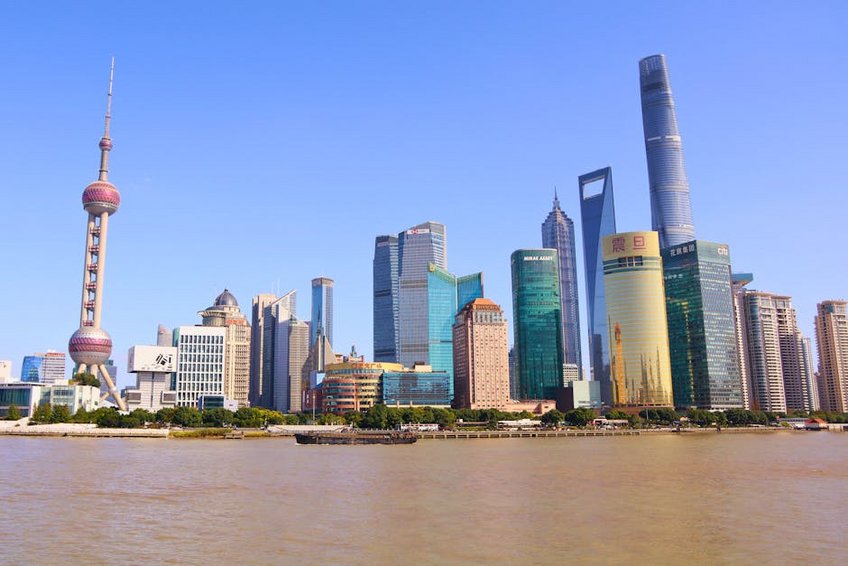
- Pudong (East of Huangpu River): The modern financial district, famous for the Oriental Pearl Tower and the Shanghai Tower skyscraper, offering breathtaking city views.
- Hongkou & Zhabei: Residential and commercial northern districts rich in 1930s architecture and lesser-known local food scenes away from the main crowds.
- Budget Traveler ($50-80/day): Stay in hostel dorms, use metro transport exclusively, and eat at local noodle shops and street stalls. Visit free attractions like the Bund and Tianzifang. Focus on public parks and neighborhood walks.
- Mid-Range Traveler ($100-200/day): This covers comfortable hotel rooms, mix of metro and occasional taxis, meals at casual restaurants, and entry fees to major sights like Shanghai Tower and museums. You can enjoy a Huangpu River cruise.
- Luxury Traveler ($300+/day): Stay at 5-star hotels in Pudong or the Bund, enjoy fine dining, private guided tours, and premium experiences like acrobatic shows. Includes convenient Didi (Chinese Uber) rides everywhere.
- Shanghai Municipal Government
- Lonely Planet Shanghai Guide
Visa and Entry Requirements
Most travelers need a visa to enter mainland China. The standard tourist (L) visa requires an application form, passport photo, and proof of travel plans. Processing takes approximately one week, so apply well before your trip. Citizens from several countries, including the US, UK, and Canada, can enjoy a 144-hour visa-free transit if traveling onward to a third country.
Ensure your passport has at least six months’ validity and blank pages. The 144-hour rule is perfect for a short Shanghai stopover. You must show confirmed onward tickets to qualify for this convenient option.
Language and Currency Basics
The local language is Shanghainese, but Mandarin is universally understood. English signage is common in metro stations and tourist areas. Having a translation app like Pleco or Google Translate (with offline packs) is highly recommended for menus and street signs.
The official currency is the Chinese Yuan (CNY or RMB). Credit cards are accepted in major hotels and stores. You will need cash for street food, local markets, and smaller shops. International ATMs are widely available for withdrawals.
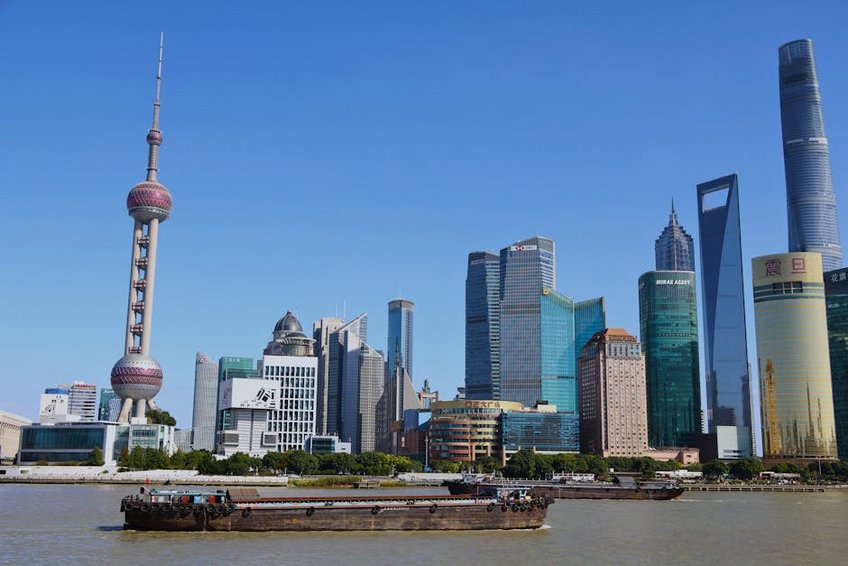
Alt: “the-bund-shanghai-historic-buildings-riverfront-skyline”
Shanghai Travel Guide – Planning Your Trip
Effective planning transforms a visit to this massive city from overwhelming to seamless. Your itinerary should balance iconic sights with neighborhood exploration. Allocate time for both fast-paced urban centers and quieter, historical lanes.
Budget considerations vary dramatically. You can enjoy delicious street food for a few dollars or dine at world-class restaurants. Accommodation ranges from hostels to luxury hotels with panoramic views. Prioritize your spending based on your personal travel style.
Best Time to Visit Shanghai
The ideal months are spring (April-May) and autumn (September-November). Temperatures are pleasant, ranging from 60-75°F (15-24°C). These seasons offer comfortable weather for walking and clear skies for photography. Summer (June-August) is hot, humid, and rainy, with temperatures soaring above 86°F (30°C).
Winter (December-February) is chilly and damp, with averages of 37-46°F (3-8°C). However, hotel rates are lower, and crowds are thinner. Avoid the first week of October (National Day Golden Week) due to extreme domestic travel crowds and inflated prices.
Budget Planning and Costs
Daily costs can be tailored to any spending level. Here is a breakdown for different travel styles.
Essential Preparation Checklist
Download essential apps before you arrive: Didi for ride-hailing, MetroMan for subway maps, and Alipay or WeChat Pay for mobile payments. Pack comfortable walking shoes, an umbrella, and a reusable water bottle. A power adapter for Type A/C/I sockets is necessary.
Purchase comprehensive travel insurance covering medical evacuation. Inform your bank of your travel plans to use credit cards. Learn a few basic Mandarin phrases like “nǐ hǎo” (hello) and “xiè xie” (thank you). It makes interactions smoother.
Top Attractions and Activities
This city masterfully blends imperial history, colonial architecture, and futuristic innovation. You can wander art deco lanes in the morning and gaze at neon-lit towers by evening. The key is pacing yourself across its diverse districts.
Must-See Highlights
The Bund showcases Shanghai’s colonial history with its iconic row of early 20th-century buildings. Walk the waterfront promenade for the classic view of Pudong’s skyline. Visit at dusk to see the architecture illuminated against the modern cityscape.
Yu Garden & Bazaar is a peaceful 16th-century classical Chinese garden. Explore its pavilions, ponds, and rockeries. The adjacent bazaar is perfect for souvenirs and traditional snacks like soup dumplings.
Shanghai Tower in Pudong is the world’s second-tallest building. Its observation deck offers a staggering 360-degree view. The high-speed elevator is an attraction itself.
Hidden Gems and Local Favorites
Escape to Jiashan Market, a renovated wet market with trendy cafes and boutiques tucked inside. It offers a glimpse of local life blending with modern design. This spot is rarely mentioned in standard guidebooks.
Explore Columbia Circle, a restored 1930s country club compound. It now houses art galleries, restaurants, and stylish shops. The architecture provides a quiet retreat from the bustling streets nearby.
Arts, Culture, and Museum Visits
The Power Station of Art is China’s first state-run contemporary art museum. Housed in a former power plant, it hosts cutting-edge exhibitions. Admission is free, making it an excellent cultural stop.
The Shanghai Museum in People’s Square boasts an incredible collection of ancient Chinese art. Its bronze, ceramic, and painting galleries are world-class. Allocate at least two hours to appreciate its treasures fully.
Practical Travel Information
Shanghai’s public transportation system is efficient, affordable, and easy to navigate. The metro network is extensive and signs are in English. Taxis and ride-hailing apps provide convenient door-to-door service across all districts.
Accommodation options cater to every preference and budget. Staying near a major metro line is more important than being in the exact city center. This provides flexibility and saves significant travel time daily.
| Accommodation Area | Best For | Average Nightly Rate (USD) |
|---|---|---|
| The Bund / Nanjing Road | First-time visitors, luxury stays, iconic views | $150 – $400+ |
| Former French Concession | Boutique hotels, cafe culture, walking tours | $100 – $250 |
| People’s Square | Mid-range convenience, major transport hub | $80 – $180 |
| Pudong (Lujiazui) | Business travelers, modern skyline views | $120 – $300 |