Bali Travel Guide: Navigating Culture, Beaches, and Adventure
This Bali travel guide serves as your essential map to navigating the Indonesian island’s diverse landscapes and rich cultural tapestry. You will discover everything from the spiritual tranquility of Ubud’s temples to the vibrant surf breaks of Canggu and the stunning cliffside views of Uluwatu. We provide practical advice on transportation, budgeting, seasonal timing, and cultural etiquette to help you craft a seamless and enriching itinerary for your Indonesian adventure.
Essential Bali Information
Bali is one of Indonesia’s 17,000 islands, famed as a Hindu-majority province within the world’s largest Muslim-majority country. The local culture centers on a unique form of Hinduism called Agama Hindu Dharma, visible daily through colorful offerings and intricate temple ceremonies. This spiritual foundation shapes the island’s atmosphere, community life, and artistic expressions.
The island spans approximately 5,780 square kilometers, making it slightly smaller than the U.S. state of Delaware. Topographically, it features active volcanoes like Mount Agung, lush central rice terraces, southern limestone cliffs, and northern black-sand beaches. Administratively, Bali is divided into eight regencies and one city, each offering distinct experiences, from the artistic hub of Gianyar to the diving haven of Klungkung.
Geography and Climate – What You Need to Know
Understanding Bali’s layout and weather patterns is key to planning your activities effectively.
- The island has a tropical monsoon climate with two main seasons: dry (April to October) and wet (November to March). Daytime temperatures consistently range from 82-90°F (28-32°C) year-round.
- Regional variation is significant. The southern coasts (Kuta, Seminyak) are dry and sunny, the central highlands (Ubud, Bedugul) are cooler and rainier, and the northern coast (Lovina) is hotter and less humid.
- Microclimates affect popular areas. Ubud can be 5-10°F cooler than the coast, while the Bukit Peninsula (Uluwatu) receives less rainfall, making it ideal for beach days even during the wet season.
- Budget Traveler ($30-50 USD/day): Stay in hostels or basic guesthouses, eat at local warungs (family-run eateries), use motorbike taxis (Gojek) for transport, and focus on free activities like beach visits and temple viewing. A local meal costs $2-3 USD.
- Mid-Range Traveler ($80-150 USD/day): This covers a private villa or boutique hotel with a pool, scooter rental ($5-7 USD/day), dining at a mix of warungs and nicer cafes, and paid activities like a cooking class or guided temple tour.
- Luxury Traveler ($250+ USD/day): Enjoy five-star resorts or luxury private villas with staff, private car and driver, fine dining, high-end spa treatments, and exclusive experiences like private yacht charters or helicopter tours.
- Indonesia Tourism Official Website
- Bali Tourism Board Information
- CDC Travel Health Notices for Indonesia
Cultural Context and Local Customs
Balinese Hinduism permeates daily life. You will see canang sari (small palm-leaf offerings) containing flowers, rice, and incense placed on sidewalks, in shops, and at temple entrances. It is important not to step on these offerings. Additionally, over 20,000 temples (pura) dot the island, each hosting frequent festivals (odalan) that are often open to respectful visitors.
Dress modestly, especially when visiting temples or rural villages. Both men and women should cover their shoulders and knees; sarongs and sashes are usually available for rent at temple entrances. The Balinese are generally warm and polite, using a subtle system of language levels to show respect. A smile and a slight bow (with hands in a prayer position) called “sembah” is an appreciated greeting.
Visa and Entry Requirements
Citizens of the United States, United Kingdom, Canada, Australia, and most EU countries receive a 30-day Visa on Arrival (VOA) upon landing. This VOA costs approximately IDR 500,000 (around $35 USD) and is payable in cash (IDR or USD) or by card at dedicated counters before immigration. The visa is extendable once for another 30 days through an agent or immigration office.
Ensure your passport is valid for at least six months from your entry date and has one blank page for the visa stamp. No proof of vaccination or onward travel is typically required, but having a flight confirmation is wise. For stays longer than 60 days, you must apply for a different visa (like a B211A) before traveling.
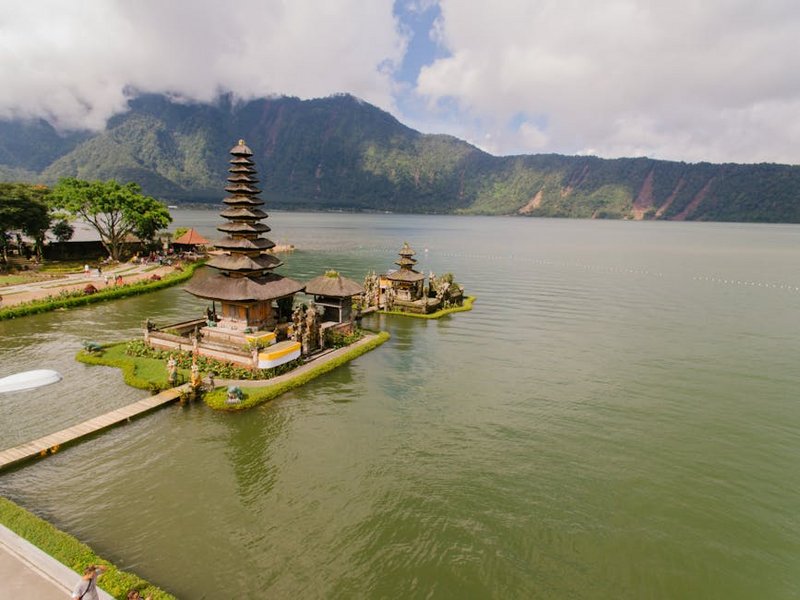
Alt: “ubud-bali-temple-gateway-jungle-backdrop”
Bali Travel Guide – Planning Your Trip
Strategic planning transforms a good Bali trip into a great one. Your itinerary should balance beach time, cultural immersion, and adventure based on your personal interests. First, decide on your travel style: are you seeking relaxation, intensive culture, surfing, diving, or a digital nomad hub? This choice will determine your base locations and daily rhythm.
Budget realistically. While Bali can be very affordable, costs have risen in popular areas. A comfortable mid-range daily budget for two people, including private accommodation, scooter rental, meals, and activities, starts at $80-120 USD. However, backpackers can manage on $30-40 USD per day, while luxury travelers can easily spend $300+ USD daily.
Book key accommodations and internal flights at least three months in advance for peak season travel (June-August, December). For villa-style stays or popular boutique hotels, even earlier booking is advisable. Use reputable platforms and always read recent reviews regarding location and service.
Best Time to Visit Bali
The absolute best time for dry, sunny weather is during the peak dry season from June to August. Temperatures average 84°F (29°C) with low humidity and minimal rain, perfect for beach days, hiking, and outdoor events. However, this is also the most crowded and expensive period, requiring early bookings for everything from flights to restaurant reservations.
For a superb balance, target the shoulder seasons: April to May or September to October. You will encounter fewer tourists, lower prices, and still enjoy predominantly good weather with only occasional short showers. The wet season (November-March) brings daily rain, usually in heavy afternoon downpours, but offers lush green landscapes, fewer crowds, and the lowest prices.
Budget Planning and Costs
Your daily costs in Bali vary dramatically based on style and location. Here is a realistic breakdown.
Essential Preparation Checklist
Pack light, breathable clothing made from natural fibers like cotton or linen. Include a light sweater for cooler evenings in Ubud, a reusable water bottle, sturdy sandals, and swimwear. Essential gear includes a universal power adapter (Indonesia uses Type C/F plugs, 230V), a quality sunscreen and insect repellent, and a basic medical kit with diarrhea relief and antiseptic.
Prepare documentation: ensure passport validity, obtain travel insurance that covers medical evacuation, and have digital copies of your passport and insurance saved online. Health-wise, check the CDC recommendations; Hepatitis A and Typhoid vaccines are often advised. Bring any prescription medications in their original containers. Finally, download useful apps like Gojek (transport/food), Grab (transport), and Google Maps offline for navigation.
Top Attractions and Island Activities
Bali’s appeal lies in its incredible variety. You can watch a traditional Kecak fire dance at Uluwatu Temple at sunset one day and hike through jungles to hidden waterfalls the next. The island caters to thrill-seekers with world-class surfing and diving, while simultaneously offering deep cultural immersion through its thousands of temples and vibrant artisan villages.
Do not try to see everything. Instead, choose a few key regions to explore thoroughly. Rushing between the far north, central highlands, and southern beaches in a short trip leads to exhaustion. For a first visit, combining 3-4 nights in Ubud with 4-5 nights splitting time between the southern beaches (like Seminyak, Canggu, or Uluwatu) provides a balanced introduction.
Must-See Cultural and Natural Highlights
Ubud’s Sacred Monkey Forest Sanctuary is a renowned natural and spiritual site. It houses over 700 long-tailed macaques within a preserved jungle, alongside three ancient Hindu temples. Visit early (around 8 AM) to avoid crowds and aggressive monkeys. Entry is about IDR 80,000 ($5.50 USD). Secure loose items, as monkeys are notorious for snatching sunglasses and phones.
Tanah Lot, a majestic sea temple perched on a rocky offshore outcrop, is one of Bali’s most photographed sites. It is especially dramatic at sunset. Arrive by 4:30 PM to explore the complex before the sun sets around 6:15 PM. Entry is IDR 60,000 ($4 USD). Note that at high tide, the temple becomes an island, inaccessible for ritual visits.
The Tegallalang Rice Terraces north of Ubud showcase the stunning subak irrigation system, a UNESCO World Heritage site. Walk along the narrow paths between the emerald-green paddies in the early morning for the best light and cooler temperatures. Small donations are expected at various entry points along the path.
Hidden Gems and Local Favorites
For a quieter temple experience, visit Pura Lempuyang Luhur in East Bali. Known as the “Gateway to Heaven,” its iconic split gate frames a breathtaking view of Mount Agung. The site requires climbing over 1,700 steps, so start early. This is an active temple, so respectful dress is strictly enforced. It is far less commercial than central temples.
Explore the quieter side of Bali in the Jatiluwih rice terraces. Unlike Tegallalang, these terraces are vast, less crowded, and offer serene walking paths through a working agricultural landscape. The drive from Ubud takes about 1.5 hours. The entry fee is IDR 40,000 ($2.75 USD) and supports the local farming community.
Discover the underwater art gallery at the Coral Triangle in Padangbai or Amed. These areas offer superb snorkeling and diving with vibrant coral reefs, shipwrecks, and abundant marine life like mola mola (sunfish) seasonally. Local dive shops provide equipment and guides for all skill levels at a fraction of the cost in more touristy areas.
Adventure and Wellness Activities
Bali is a global surf destination. Beginners should head to the gentle, sandy-bottom breaks of Kuta or Legian. Intermediate surfers thrive in Canggu, while advanced riders challenge the powerful reef breaks of Uluwatu and Padang Padang. Board rentals are available everywhere, and lessons with a local instructor cost around $35-50 USD for a half-day.
The wellness scene is unparalleled. Beyond standard spa treatments, try a traditional Balinese massage (a firm, full-body technique) or seek out specialized yoga shalas in Ubud, Canggu, and Pererenan. Many retreat centers offer multi-day packages combining yoga, meditation, and healthy cuisine. Always check instructor credentials and facility reviews beforehand.
Practical Travel Information
Navigating Bali is an adventure in itself. The island lacks a centralized public transport system, so your main options are private drivers, ride-hailing apps, scooters, or taxis. For first-time visitors, hiring a private driver for day trips (approx. $45-60 USD for 8-10 hours) is the most comfortable and efficient way to see sights outside your immediate area.
Accommodation ranges from $10 USD hostels to $1,000+ USD per night luxury resorts. The key is location: staying in Seminyak puts you near upscale dining and shopping, Canggu is the hub for digital nomads and surf culture, Ubud is the center for wellness and arts, and Uluwatu offers cliff-top luxury and seclusion. Book your first few nights in advance, especially if arriving late.
| Accommodation Type | Best For / Features | Price Range/Night (USD) |
|---|---|---|
| Hostel / Homestay | Solo travelers & budget backpackers. Basic room, shared bath, often includes breakfast. | $10 – $25 |
| Guesthouse / Boutique Hotel | Couples & mid-range travelers. Private room, pool, daily cleaning, good location. | $40 – $120 |
| Private Villa with Pool | Families & small groups. Multiple bedrooms, private pool, kitchen, sometimes staff. | $120 – $400+ |
| Luxury Resort | Honeymoons & luxury seekers. World-class amenities, spa, multiple restaurants, beachfront. | $250 – $1000+ |