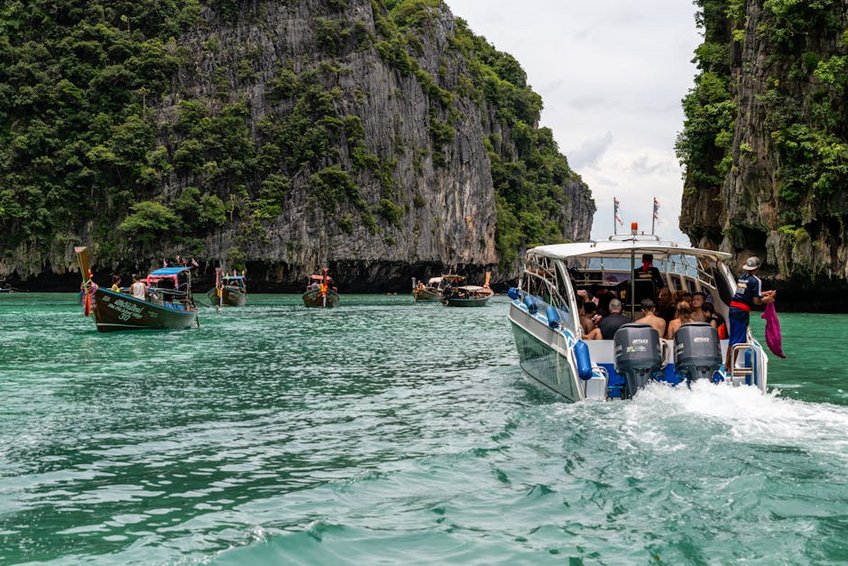
Phuket Travel Guide: Your Ultimate Island Adventure
Navigating Thailand’s largest island requires more than just a flight booking. This Phuket Travel Guide delivers the strategic insights you need to balance famous beaches with hidden cultural gems, from Patong’s energy to Old Town’s charm. You will discover how to time your visit for perfect weather, secure the best value accommodations, and craft an itinerary that moves beyond the tourist trail. We cover essential logistics, local etiquette, and culinary must-tries to transform your trip from a simple vacation into a deeply rewarding island experience.
Essential Phuket Information
Phuket sits in the Andaman Sea off Thailand’s southwest coast, covering an area of 576 square kilometers. The island operates one hour ahead of Bangkok time and uses the Thai Baht (THB), though US dollars are widely accepted in tourist areas. You will find a tropical monsoon climate here, which distinctly shapes the travel experience across the year, influencing everything from ocean conditions to festival schedules.
Historically, Phuket’s wealth stemmed from tin mining and rubber plantations, visible in the Sino-Portuguese architecture of Phuket Old Town. This cultural fusion creates a unique identity separate from mainland Thailand. The local population is predominantly Buddhist, and you should dress respectfully when visiting temples like Wat Chalong.
Island Geography and Key Regions
Understanding Phuket’s layout helps you choose the right base. The island is broadly divided into west coast beaches, the central hills, and the quieter east coast.
- West Coast: Home to famous beaches like Patong, Karon, and Kata. This is the tourism epicenter, offering vibrant nightlife, extensive shopping, and countless water sports operators. It’s ideal for first-time visitors and those seeking convenience.
- South Coast: Features beaches like Nai Harn and Rawai. This area provides a more relaxed atmosphere, excellent seafood restaurants, and easy access to offshore islands like Coral Island and Racha Island.
- North & East Coast: Includes areas like Mai Khao and Cape Panwa. These are quieter zones with luxury resorts, mangrove forests, and the island’s main deep-sea port. Perfect for travelers seeking seclusion and nature.
- Budget Traveler ($35-50 USD/day): Stay in hostels or guesthouses in areas like Kata or Karon. Eat primarily at local food markets and street stalls. Use public songthaews (shared taxis) or rent a motorbike for transportation. Focus on free activities like beach days and temple visits. A typical meal costs 60-100 THB ($1.70-2.80).
- Mid-Range Traveler ($80-150 USD/day): Stay in 3-4 star hotels or boutique resorts with a pool. Enjoy meals at a mix of local restaurants and nicer beachfront cafes. Take occasional taxis or private transfers for convenience. Book one or two organized day trips, like a Phi Phi Islands tour. A nice dinner with drinks runs 800-1,500 THB ($23-43).
- Luxury Traveler ($250+ USD/day): Stay at 5-star resorts in areas like Kamala or Surin Beach. Dine at award-winning hotel restaurants and high-end establishments. Use private car transfers or hotel limousines. Charter private longtail boats for personalized island tours and book spa treatments daily. Expect to pay 2,500+ THB ($70+) for a fine dining experience.
- Tourism Authority of Thailand
- AccuWeather Phuket Forecast
Visa and Entry Requirements
Most Western passport holders, including those from the US, UK, Canada, and EU nations, receive a 30-day visa exemption upon arrival by air. Always ensure your passport has at least six months validity remaining from your entry date. The immigration officer may ask to see proof of onward travel and sufficient funds, though this is rarely enforced for obvious tourists.
If you plan to stay longer than 30 days, you must apply for a Tourist Visa (TR) at a Thai embassy or consulate before travel, which typically allows a 60-day stay. You can also extend a 30-day exemption for an additional 30 days at the Phuket Immigration Office for a fee of 1,900 THB (approximately $55 USD). Keep copies of your passport photo page and entry stamp separately from the original document.
Local Culture and Etiquette Basics
Thai culture is deeply rooted in respect and non-confrontation, known as ‘kreng jai’. The monarchy is revered, and you should avoid any disparaging remarks. When visiting temples, dress modestly by covering your shoulders and knees, and remove your shoes before entering any building.
The traditional greeting is the ‘wai’—a slight bow with palms pressed together. While not expected from tourists, returning a wai is appreciated. Public displays of affection are frowned upon, and you should never touch someone’s head or point your feet at people or religious images. Tipping is not mandatory but is customary for good service; 20-50 THB for taxi drivers and 10% in restaurants is standard.
Alt: “phuket-old-town-sino-portuguese-architecture-colored-buildings”
Phuket Travel Guide – Planning Your Trip
Crafting the perfect Phuket itinerary hinges on balancing iconic experiences with personal pace. This section helps you allocate your days effectively, whether you seek relaxation, adventure, or cultural immersion. Your Phuket Travel Guide planning should account for travel time between beaches, which can take 30-60 minutes depending on traffic, especially during the rainy season when roads can flood.
For a first visit, dedicating three to five days allows you to experience the west coast beaches, a day trip to Phi Phi or James Bond Island, and an evening in Phuket Old Town. A full week enables deeper exploration of southern beaches like Nai Harn, a ethical elephant sanctuary visit, and a snorkeling trip to the Similan Islands. Avoid cramming too many day trips back-to-back, as the tropical heat can be exhausting.
Budget planning is equally crucial. While street food and local transport are inexpensive, luxury resorts and private boat tours command premium prices. We recommend booking popular day trips and internal flights (like to Bangkok) at least two weeks in advance during high season. Always confirm if your hotel offers free beach shuttle service, as taxi fares can add up quickly.
Best Time to Visit Phuket
The ideal period for a Phuket holiday is between November and February. This is the cool, dry season with average temperatures of 75-88°F (24-31°C), low humidity, and minimal rainfall. The sea is calm, making it perfect for island hopping and diving. This is also the peak tourist season, so you should book flights and hotels three to four months in advance to secure the best rates.
March through May brings the hot season, with temperatures soaring to 95°F (35°C) and high humidity. While still dry, the heat can be intense for outdoor activities. The monsoon or rainy season runs from June to October, bringing daily downpours, rougher seas, and some ferry cancellations. However, this is the low season with significantly cheaper rates and fewer crowds, and rains often clear quickly.
Budget Planning and Costs
Daily costs vary dramatically based on your travel style. Here is a breakdown of what to expect per person.
Essential Preparation Checklist
Pack lightweight, breathable clothing made from cotton or linen. Include a long-sleeve shirt and long pants for temple visits and sun protection. Swimwear is essential, but remember it’s only appropriate at the beach or pool. Bring a high-SPF, reef-safe sunscreen, insect repellent, a reusable water bottle, and a waterproof bag for boat trips. A universal power adapter is necessary, as Thailand uses 220V power with Type A, B, C, and O outlets.
Ensure you have comprehensive travel insurance that covers medical evacuation, water sports, and motorbike riding if you plan to rent one. Download useful apps like Grab (for ride-hailing), Google Maps (with offline areas saved), and a currency converter. Inform your bank of your travel plans to avoid card blocks. While tap water is not safe to drink, bottled water is cheap and widely available.
Top Attractions and Island Activities
Phuket’s appeal extends far beyond its sandy shores. The island offers a diverse range of experiences, from ethical wildlife encounters to panoramic viewpoints. While the beaches are the main draw, integrating cultural and natural attractions creates a more rounded trip. Many activities are weather-dependent, particularly those involving the ocean, so always have a flexible backup plan during the rainy season.
For adventure seekers, the options include scuba diving in world-class sites, jungle ziplining, and surfing at certain times of the year. Culture enthusiasts will find rich experiences in the Old Town’s museums, traditional Thai cooking classes, and temple tours. Families can enjoy safe, shallow beaches, water parks, and interactive animal sanctuaries. Prioritize booking popular tours like the Phi Phi Islands early in your stay to secure your preferred date.
Must-See Highlights
No visit is complete without seeing the iconic Big Buddha. This 45-meter-tall marble statue sits atop Nakkerd Hill, offering 360-degree views of the island. Visit early in the morning to avoid crowds and heat; dress respectfully. Another essential is Wat Chalong, the island’s most important Buddhist temple, known for its intricate architecture and holy relic.
For natural beauty, drive to Promthep Cape at the southern tip for what is often hailed as the best sunset view in Phuket. The nearby Nai Harn Beach is a beautiful, less-developed curve of sand perfect for swimming. In Phuket Old Town, spend an afternoon walking down Thalang Road, admiring the restored Sino-Portuguese shop-houses, boutique cafes, and vibrant street art that appears during the annual Old Town Festival.
Hidden Gems and Local Favorites
Escape the crowds at Banana Beach, a small, secluded cove accessible via a rough road or longtail boat from Bang Tao. The water here is exceptionally clear, and a few simple beach bars rent loungers. For a cultural deep dive, visit the Thai Hua Museum in Old Town, which expertly details the island’s Chinese immigrant history in a beautiful old schoolhouse.
Locals often head to Laem Ka Beach, near Rawai, for its calm, shallow waters protected by a rocky outcrop—ideal for families with young children. For an unusual evening, visit the Phuket Trick Eye Museum, an interactive 3D art gallery that’s fun for all ages. Explore the quieter east coast by taking a kayak tour through the mangrove forests of Ao Po, where you can spot monitor lizards and diverse birdlife.
Best Beaches for Every Traveler
Patong Beach is the bustling heart of Phuket’s tourism, with endless water sports, jet-skis, and a vibrant boardwalk. It’s ideal for those who want constant activity, nightlife, and convenience. Karon Beach offers a much longer, wider stretch of sand with slightly fewer crowds, making it a good middle-ground for families and couples.
Kata Beach splits into two bays: Kata Yai is popular with surfers (during monsoon season) and has good restaurants, while Kata Noi is smaller and quieter, often favored by couples. For luxury and seclusion, head to Surin Beach, lined with high-end resorts and upscale beach clubs. Mai Khao Beach in the north is part of a national park, making it the most natural and least developed, but note the strong currents.
Practical Travel Information
Getting around Phuket requires understanding the local transport ecosystem. While the island has an international airport (HKT), internal travel is dominated by taxis, tuk-tuks, and rental vehicles. Traffic, especially along the west coast road between Patong and Karon, can be heavy during peak hours. For longer stays, renting a motorbike offers flexibility, but you must have an international driving permit and exercise extreme caution.
Accommodation options range from $10 hostels to $1,000+ per night luxury pool villas. Location is key: staying in Patong puts you in the center of the action, while choosing a resort in Laguna or Kamala offers a more relaxed, self-contained experience. Most hotels offer airport transfer services, which are often more reliable and similarly priced to metered taxis upon arrival. Always confirm if your chosen area has easy access to public transport or if you’ll need private transfers daily.
| Accommodation Type | Best For & Features | Price Range/Night (USD) |
|---|---|---|
| Hostels & Guesthouses | Solo travelers, budget backpackers. Basic amenities, social atmosphere, often in Kata or Old Town. | $10 – $25 |
| Mid-Range Hotels | Couples, families. Private rooms, swimming pools, daily cleaning, located in Karon or Patong. | $40 – $100 |
| Boutique Resorts | Travelers seeking style & design. Unique architecture, personalized service, smaller scale, often in Surin or Nai Harn. | $120 – $250 |
| Luxury Beach Resorts | Honeymooners, luxury seekers. Private beach access, multiple gourmet restaurants, full-service spas, kids’ clubs. | $300 – $1000+ |