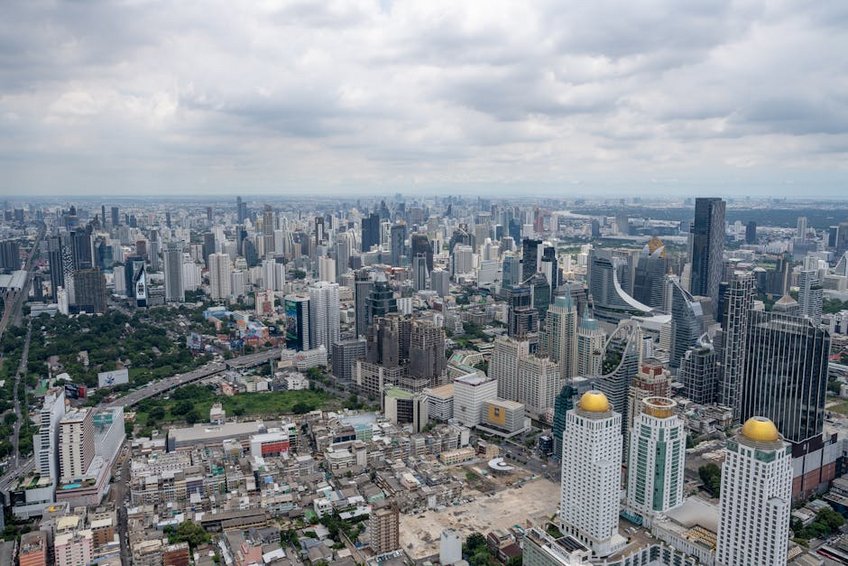
Bangkok Travel Guide
This Bangkok travel guide provides the essential blueprint for navigating Thailand’s dynamic capital, a city where ancient temples stand beside futuristic malls and street food aromas fill neon-lit alleyways. You’ll navigate the intricate network of canals, master the efficient BTS Skytrain system, and discover serene cultural sites hidden within the urban chaos. This resource details everything from budget-friendly guesthouses to luxury riverfront hotels, along with seasonal advice and local etiquette to ensure a smooth and enriching visit.
Essential Bangkok Information
Bangkok, officially named Krung Thep Maha Nakhon, serves as the political, economic, and cultural heart of Thailand. The city’s history as a trading port and royal capital since 1782 is visible in its Grand Palace and over 400 temples, creating a unique juxtaposition with its modern skyline. Understanding this blend of tradition and rapid development is key to appreciating the metropolis.
The city sprawls across the Chao Phraya River basin, divided into distinct districts each with its own character. From the historic temples and royal grounds of Rattanakosin Island to the shopping malls of Siam and the nightlife of Sukhumvit, navigation defines the experience. Public transport, including the BTS and MRT systems, is surprisingly efficient for a city of over 10 million residents.
City Districts and Key Areas
Knowing the core districts helps immensely with trip planning and daily navigation.
- Rattanakosin (Old City): Home to the Grand Palace, Wat Pho, and Wat Arun. This is the cultural and historical epicenter, best explored on foot or by river ferry to avoid traffic.
- Silom/Sathon: The central business district by day with bustling street markets like Patpong by night. Easy access to the Chao Phraya River and the BTS Skytrain lines.
- Sukhumvit: A long, trendy artery packed with international restaurants, rooftop bars, shopping malls, and hotels. Primarily serviced by the BTS line, making it highly convenient for tourists.
- Riverside: Features luxury hotels, fine dining, and iconic views of Wat Arun. Travel here relies on ferries, taxis, and the BTS extension to Saphan Taksin station.
- Budget Traveler ($30-50 USD/day): Stay in hostels or basic guesthouses in areas like Khao San Road. Eat exclusively from street food stalls and local canteens. Use public buses, the MRT, and walk extensively. Visit free temples and parks. This budget requires careful planning but is very feasible.
- Mid-Range Traveler ($70-120 USD/day): This allows for comfortable 3-star hotels in Sukhumvit or Silom, a mix of street food and nice restaurant meals, unlimited BTS/MRT travel, occasional metered taxis, and entry to all major paid attractions like the Grand Palace. It offers the best balance of comfort and value.
- Luxury Traveler ($200+ USD/day): Enjoy 5-star riverside hotels with pool views, fine dining at world-class restaurants, private guided tours or chauffeured cars, and VIP experiences like cocktail cruises on the Chao Phraya. This tier maximizes comfort and exclusive access.
- Tourism Authority of Thailand
- Lonely Planet Bangkok Guide
Climate and Weather Patterns
Bangkok has a tropical monsoon climate with three primary seasons that dramatically affect travel comfort. The hot season runs from March to June, with average highs of 95°F (35°C) and intense humidity, making afternoon indoor activities preferable. This period sees fewer tourists but requires serious heat management.
The rainy season spans July to October, bringing daily, heavy downpours that usually last 1-2 hours, often in the late afternoon. Temperatures cool slightly to 86-90°F (30-32°C). Meanwhile, the cool season from November to February offers the most pleasant conditions for exploration, with lower humidity and temperatures around 84°F (29°C). This is also the peak tourist period.
Cultural and Historical Context
The city’s full ceremonial name holds the world record for the longest place name. Thai culture is deeply influenced by Theravada Buddhism, which is evident in daily life, from morning alms-giving rituals to the modest dress required at temples. The monarchy is also revered, and visitors should show respect toward images of the King.
Historically, Bangkok was constructed as a new capital after the fall of Ayutthaya, designed with canals (khlongs) for transportation and defense. While many have been paved over, remaining waterways in Thonburi offer a glimpse into the city’s “Venice of the East” past. This history explains the layout and spiritual core of the modern metropolis.
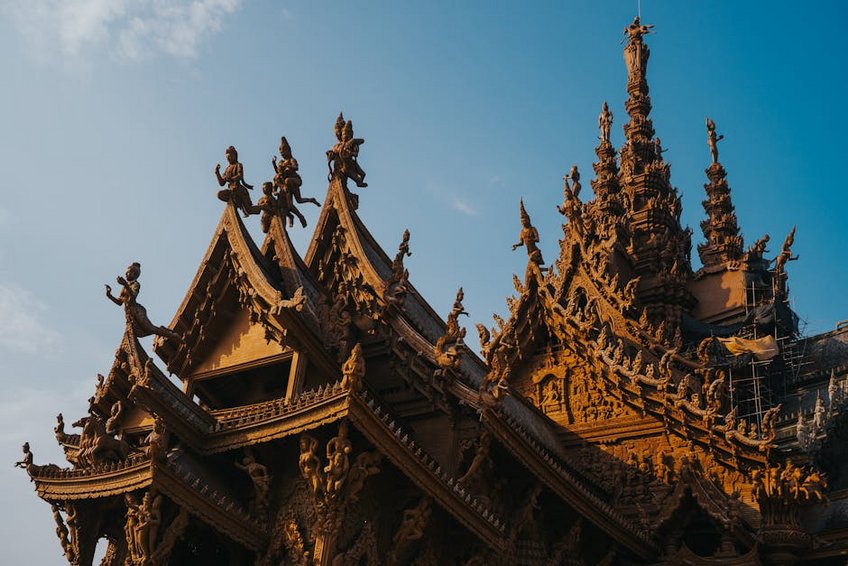
Alt: “grand-palace-bangkok-thailand-architecture-sunny-day”
Bangkok Travel Guide – Planning Your Trip
Effective planning for Thailand’s capital hinges on balancing iconic sights with local immersion and accounting for the climate. Your itinerary should mix temple visits in the cooler morning hours with indoor markets or mall exploration during the midday heat. Always build in flexibility for unexpected discoveries, whether a hidden shrine or a incredible food stall.
Budget planning is highly flexible here. Street food meals cost $1-3 USD, while a nice restaurant dinner runs $15-30 per person. Mid-range hotels in Sukhumvit average $40-70 per night. Attraction entry fees are modest, with most major temples charging $3-6. Transportation costs are low if you use the BTS or meter taxis.
Best Time to Visit Bangkok
The ideal window for a Bangkok vacation is during the cool and dry season, from November to early February. Daytime temperatures range from 75-84°F (24-29°C) with lower humidity, making full days of sightseeing comfortable. This is peak season, so flights and hotels book early and rates are at their highest.
Shoulder seasons like late February to March or October can offer a good compromise with slightly warmer weather but fewer crowds. The rainy season (July-October) presents challenges with frequent downpours, but hotel prices drop significantly and the city remains vibrant. The hot season (April-June) is intense and best for travelers who prioritize indoor activities or don’t mind the heat.
Budget Planning and Costs
Your daily budget dictates the type of experience you’ll have in this diverse city.
Essential Preparation Checklist
Pack lightweight, breathable clothing made of natural fibers like cotton or linen. Include a long skirt or pants and a shirt with sleeves to cover shoulders for temple visits. A portable umbrella is essential year-round for sun or sudden rain. Comfortable, slip-on shoes are perfect for sites where you must remove footwear.
Ensure your passport is valid for at least six months beyond your entry date. US and EU passport holders receive a 30-day visa exemption upon arrival by air. Purchase travel insurance that covers medical evacuation. Download apps like Grab (ride-hailing), Google Maps, and a currency converter before you arrive. Book the first 2-3 nights of accommodation in advance.
Top Attractions and Memorable Activities
Thailand’s capital offers an astonishing array of experiences, from spiritual awe to sensory overload. The must-see landmarks are clustered in the Old City, easily spanning a full day of exploration. Beyond the postcard sites, the real magic often happens on the waterways, in bustling markets, and within quiet neighborhood alleys.
Allocate time for both structured sightseeing and spontaneous wandering. The city rewards those who venture beyond the main tourist trails with local interactions and unexpected discoveries. Pace yourself, as the heat and scale can be overwhelming if you try to see everything in a rushed manner.
Must-See Highlights
The Grand Palace and Wat Phra Kaew (Temple of the Emerald Buddha) form the country’s most sacred site. The intricate architecture and dazzling details require at least two hours. Dress strictly modestly here. Adjacent Wat Pho houses the magnificent 150-foot long Reclining Buddha and is also the birthplace of traditional Thai massage.
Across the river, Wat Arun (Temple of Dawn) offers iconic spire-climbing opportunities for panoramic views. Visit late afternoon for the best light. For a different perspective, take a public ferry ride along the Chao Phraya River. These sights form the essential cultural core of any visit.
Hidden Gems and Local Favorites
Escape the crowds at the Artist’s House (Baan Silapin) in Thonburi, a charming wooden house gallery on a quiet canal where traditional puppet shows are held. Explore the vibrant, non-touristy Khlong Lat Mayom Floating Market, where you can sample incredible food and take a longtail boat tour through surrounding orchards.
Discover the serene Loha Prasat (Metal Castle) near Wat Ratchanatdaram, a unique temple with 37 metal spires. For a green oasis, visit Bang Krachao, known as “Bangkok’s Green Lung,” a vast park of forests and bike paths accessible only by boat, feeling worlds away from the city bustle.
Market Exploration and Shopping
Chatuchak Weekend Market is a legendary labyrinth of over 15,000 stalls selling everything from vintage clothing to antique furniture and pets. Go early, stay hydrated, and be prepared to bargain. For a nighttime experience, Asiatique The Riverfront combines a huge market with carnival games and riverside dining in a renovated warehouse district.
For luxury shopping, the interconnected malls around Siam BTS station (Siam Paragon, CentralWorld) are air-conditioned paradises. Conversely, Pak Khlong Talat, the 24-hour flower market, offers a sensory blast of colors and fragrances in the early morning hours. Each market provides a distinct slice of local commerce.
Practical Travel Information and Logistics
Navigating this vast city is easier than it first appears thanks to extensive and affordable public transport. The BTS Skytrain (elevated) and MRT (underground) are clean, air-conditioned, and avoid street-level traffic, serving most central tourist areas. For areas they don’t reach, metered taxis, tuk-tuks, and river ferries fill the gaps.
Accommodation choices should align with your planned activities. Staying near a BTS station is the single biggest convenience factor, saving hours and frustration. Neighborhoods like Sukhumvit (around Asok or Nana BTS) offer the best connectivity, while the Riverside provides luxury and views at the cost of transit time.
| Accommodation Type | Best For / Features | Average Nightly Price (USD) |
|---|---|---|
| Hostel / Budget Guesthouse | Solo travelers, backpackers; social atmosphere, basic amenities, often on Khao San Road | $10 – $25 |
| Mid-Range Hotel | Couples, small families; pool, restaurant, near BTS/MRT in Sukhumvit or Silom | $40 – $80 |
| Serviced Apartment | Longer stays, digital nomads; kitchenette, laundry, living space, monthly discounts | $60 – $120 |
| Luxury Riverside Hotel | Special occasions, luxury seekers; stunning Chao Phraya views, multiple pools, fine dining, boat shuttle | $150 – $400+ |