Tel Aviv Travel Guide: Beaches, Culture, and Modern Israeli Life
This Tel Aviv Travel Guide explores a vibrant Mediterranean city that perfectly blends urban energy with beachfront relaxation. You will discover ancient port ruins alongside avant-garde art galleries, savor diverse culinary scenes from traditional markets to world-class restaurants, and experience a uniquely open and progressive culture. This guide provides essential planning advice, budget breakdowns, cultural insights, and practical tips for navigating Israel’s dynamic coastal metropolis.
Essential Information About Tel Aviv
Tel Aviv, officially Tel Aviv-Yafo, was founded in 1909 as a Jewish neighborhood outside the ancient port city of Jaffa. The city experienced rapid growth in the 1930s, leading to its UNESCO-recognized collection of over 4,000 Bauhaus buildings, earning it the nickname “The White City.” Today, it is Israel’s economic and technological hub, with a population of nearly 460,000.
The city’s climate is classic Mediterranean, featuring long, hot, and dry summers with mild, wet winters. Summers (June to September) see average highs of 86°F (30°C) with virtually no rain. Winters (December to February) are mild with highs around 66°F (19°C) and most of the annual rainfall occurring in these months.
Hebrew is the official language, but English is widely spoken, especially in tourism, business, and hospitality sectors. Arabic is also commonly heard. The Israeli Shekel (ILS/NIS) is the local currency, and credit cards are accepted almost universally, though it’s wise to carry some cash for markets.
What You Need to Know Before You Go
Understanding a few key aspects will make your visit smoother and more respectful.
- The work week runs from Sunday to Thursday, with Friday and Saturday constituting the weekend; many businesses close early Friday and all day Saturday for Shabbat.
- Israel has strict security at Ben Gurion Airport (TLV); arrive three hours before international flights and answer security questions directly and patiently.
- Dress is generally casual, but modest attire (covering shoulders and knees) is required when visiting religious sites in Jerusalem or Jaffa.
- Budget ($80-120/day): Stay in hostels or guesthouses in Florentin, use public bikes/buses, eat falafel and shawarma from street stands, enjoy free beaches, and visit free attractions like the Carmel Market.
- Mid-Range ($150-250/day): Book a boutique hotel in Neve Tzedek, dine at trendy cafes and mid-range restaurants, take occasional taxis, join a guided street art tour, and reserve tickets for the Tel Aviv Museum of Art.
- Luxury ($350+/day): Choose a five-star beachfront hotel, dine at chef-led restaurants like OCD or Taizu, hire a private guide for day trips, enjoy spa treatments, and take a sunset yacht cruise from the marina.
- Tel Aviv-Yafo Municipality Official Tourism Site
- Lonely Planet Tel Aviv Travel Information
Key Historical and Cultural Details
Tel Aviv’s modern identity is deeply intertwined with the ancient city of Jaffa (Yafo). Jaffa’s history spans over 4,000 years, featuring in Egyptian, Greek, Roman, Crusader, and Ottoman tales. The 1909 founding of Tel Aviv, initially called Ahuzat Bayit, marked a new chapter as Jewish residents sought modern housing outside Jaffa’s crowded quarters.
However, the city’s architectural soul is defined by the 1930s Bauhaus influx. Jewish architects fleeing Nazi Germany brought the modernist “International Style” to Tel Aviv. They adapted it for the Mediterranean climate with white facades, long balconies, and flat roofs, creating the world’s largest concentration of such buildings.
The City’s Vibe and Atmosphere
Tel Aviv buzzes with a youthful, entrepreneurial, and liberal energy. It’s often compared to cities like Barcelona or Berlin for its 24/7 lifestyle, vibrant nightlife, and thriving LGBTQ+ scene. The pace is fast, the cafe culture is obsessive, and the beach is an integral part of daily life.
Despite its modernity, the city maintains a deep connection to tradition. You can hear Shabbat sirens on Friday evening, see families gathering for weekend meals, and witness ancient festivals celebrated with modern flair. This juxtaposition creates a dynamic and endlessly fascinating urban experience.
Alt: “tel-aviv-white-city-bauhaus-architecture-blue-sky”
Tel Aviv Travel Guide – Planning Your Trip
Effective planning for Tel Aviv revolves around timing, budget, and understanding the city’s weekly rhythm. Prioritize booking accommodations well in advance, especially for peak seasons and weekends. This Tel Aviv Travel Guide recommends focusing your stay in central neighborhoods like the City Center, Neve Tzedek, or near the port for walkable access to major sights.
Your budget will be most impacted by your choice of lodging and dining. Street food and market eats offer fantastic value, while high-end restaurants and beachfront hotels command premium prices. Transportation costs are manageable with the city’s excellent bike-share system and compact, walkable central core.
Remember to account for the Shabbat effect. From Friday afternoon to Saturday evening, public buses do not run, and many shops and restaurants close. Plan museum visits, day trips, or relaxed beach time for Saturdays, and ensure you have meals arranged if staying in a hotel without a kitchen.
Best Time to Visit Tel Aviv
The ideal time for a visit is during the shoulder seasons: April to June and September to October. During these months, daytime temperatures are a pleasant 70-85°F (21-29°C), rainfall is low, and the Mediterranean Sea is warm enough for swimming. These periods avoid the intense heat and crowds of peak summer.
July and August offer guaranteed sun and a bustling beach scene but bring high humidity and temperatures consistently above 86°F (30°C). Winter (December-February) is mild but wet, with around 8-10 rainy days per month. This season is best for cultural activities, lower prices, and experiencing the city like a local.
Budget Planning and Costs
Daily costs vary significantly based on your travel style.
Essential Preparation Checklist
Pack light, breathable clothing for summer, including a hat, sunglasses, and swimwear. For winter, bring a waterproof jacket, layers, and comfortable walking shoes suitable for both city streets and ancient stone paths. A universal power adapter (Type H) is essential, as Israel uses 230V electricity.
Ensure your passport is valid for at least six months beyond your entry date. U.S., Canadian, U.K., and E.U. passport holders receive a free tourist visa upon arrival, valid for 90 days. Purchase comprehensive travel insurance that covers medical emergencies. Download essential apps: Moovit for public transport, Gett for taxis, and Waze for driving.
Top Attractions and Local Experiences
The city’s charm lies in the blend of iconic sights and everyday local life. You can spend a morning exploring millennia-old ruins in Jaffa and an afternoon people-watching at a chic Rothschild Boulevard cafe. The 14-kilometer Mediterranean coastline, with its series of distinct beaches, serves as the city’s communal backyard and social hub.
Beyond the postcard images, the real magic happens in the neighborhoods. Each district, from the artistic enclave of Florentin to the elegant streets of Neve Tzedek, possesses its own character and rhythm. Exploring these areas on foot or by bicycle reveals the city’s true personality.
Must-See Highlights
Begin in Old Jaffa, wandering its cobblestone alleys, visiting the Jaffa Port, and seeing the iconic Wishing Bridge. The Jaffa Flea Market (Shuk Hapishpeshim) is best visited in the morning for antiques and again in the evening when its bars and restaurants come alive. Entry to the historic area is free.
The Tel Aviv Museum of Art houses an impressive collection of Israeli and international modern art. Nearby, Independence Hall is where David Ben-Gurion proclaimed the State of Israel in 1948; guided tours are required. A stroll down Rothschild Boulevard offers a living lesson in Bauhaus architecture, with informative plaques on many buildings.
For a unique perspective, rent a bicycle and ride the entire length of the Tel Aviv Promenade (Tayelet) from Tel Aviv Port in the north to Jaffa in the south. The ride passes all major beaches, parks, and offers constant sea views. Bike rentals cost approximately $10-15 for a full day.
Hidden Gems and Local Favorites
Escape the bustle at the Tel Aviv University Botanical Garden, a peaceful oasis showcasing regional flora. For a quirky urban adventure, explore the Florentin neighborhood’s ever-changing street art; local guides offer insightful tours that explain the political and social commentary behind the murals.
Visit the Levinsky Market in south Tel Aviv, less touristy than Carmel Market, specializing in spices, dried fruits, nuts, and Balkan delicacies. Nearby, the Beit Hatfutsot Museum of the Jewish People offers a deeply moving and high-tech exploration of Jewish diaspora history and culture over 4,000 years.
Beach Culture and Active Pursuits
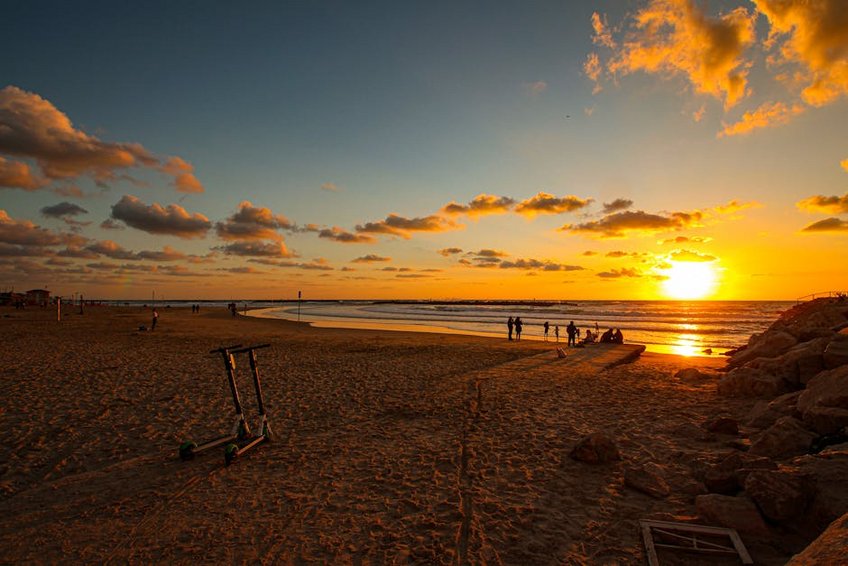
Tel Aviv’s beaches are socially curated. Hilton Beach is popular with the LGBTQ+ community and dog owners. Gordon-Frishman Beach is family-friendly with volleyball nets. Metzitzim Beach is quieter and favored by locals. All have free access, lifeguards in season, and chair/umbrella rentals for a small fee.
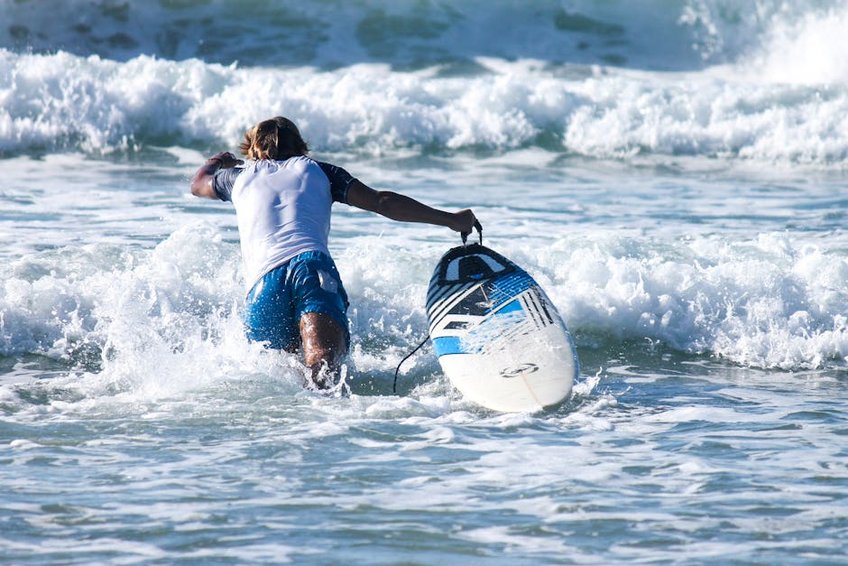
For activity, join a morning “matkot” (paddleball) game on the sand, take a surfing lesson at the Surf Shack on Alma Beach, or practice beach yoga at sunrise. The Tel Aviv Port (Namal) area is a renovated entertainment complex ideal for an evening stroll, shopping, or dining with views of the marina.
Practical Travel Information and Logistics
Navigating Tel Aviv is straightforward thanks to its compact size and efficient services. Ben Gurion International Airport (TLV), located about 20 minutes southeast by car, is Israel’s main gateway. A taxi to the city center costs around 130-150 NIS ($35-45), while the new high-speed train is faster and cheaper at approximately 18 NIS ($5).
Within the city, the most enjoyable way to get around is by walking or using the Tel-O-Fun bike-share system, with stations on nearly every corner. The public bus network is extensive and cheap, but ceases from Friday afternoon until Saturday evening. Ride-hailing apps like Gett operate throughout the week.
| Category | Options/Features | Price Range (USD) |
|---|---|---|
| Budget Accommodation | Hostels (Hayarkon 48), boutique guesthouses in Florentin, private Airbnb rooms | $60-100/night |
| Mid-Range Accommodation | Design hotels (The Vera), central boutique hotels (The Savoy), full-service Airbnb apartments | $150-300/night |
| Luxury Accommodation | Beachfront five-star (The Norman, Setai), suites with sea views, full concierge service | $400-800+/night |
| Local Transportation | Tel-O-Fun bike rental (24hr pass), single bus ticket, short taxi ride within city center | $5-15/day |