Cairo Travel Guide: Navigating Egypt’s Historic Capital
This Cairo Travel Guide provides practical navigation for your Egyptian adventure through one of the world’s oldest continuously inhabited cities. You will experience a metropolis where ancient pharaohs, medieval Islamic dynasties, and modern urban life converge along the Nile River banks. This resource details essential logistics, cultural insights, and hidden gems to help you explore the Egyptian capital efficiently and respectfully.
Essential Cairo Information
Cairo stands as Africa’s largest city, with a metropolitan population exceeding 20 million residents. The city’s foundation dates to the Fatimid Caliphate in 969 CE, though the nearby Giza Plateau monuments are millennia older. You navigate distinct districts, from medieval Islamic Cairo to the modern Nile waterfront.
Greater Cairo encompasses several key governorates including Giza and Qalyubia. The Nile River physically and culturally divides the city into eastern and western halves. This division influences traffic patterns, neighborhood character, and even microclimates across the urban sprawl.
Key Historical Context
Understanding these historical layers enriches every site visit. The city evolved through successive powerful empires.
- Pharaonic Era (c. 2600 BCE): Builders constructed the Giza Pyramids as royal tombs, creating the last surviving ancient wonder just outside modern city limits.
- Islamic Cairo (969 CE onward): Fatimid rulers established Al-Qahira, the “Victorious” city, whose walls and mosques form today’s historic core with winding alleys.
- Modern Expansion (19th-20th Century): Khedive Ismail redesigned downtown areas with Parisian-style boulevards following his 1867 Paris Exposition visit.
- Budget travelers can manage on $40-60 daily using hostels (Abd El Salam Hotel, $15/night), local eateries (koshary for $2), and public transit. Entrance fees for major sites form the largest expense in this category.
- Mid-range visitors spend $100-200 per day for boutique hotels (Le Riad, $80/night), guided half-day tours ($40), and restaurant meals. This budget allows comfortable AC taxis and entrance to all main attractions without stress.
- Luxury exploration costs $300+ daily covering five-star Nile-view hotels (Four Seasons, $250/night), private drivers, fine dining, and exclusive experiences like sunrise pyramid access or museum after-hours tours.
- Egyptian Tourism Authority
- Lonely Planet Cairo Guide
Geography and Climate
Cairo occupies a strategic location at the Nile River valley’s apex just before it fans into the Delta. The city experiences a hot desert climate with two primary seasons.
Summer extends from May to October with average highs of 95°F (35°C) and minimal rainfall. Winter runs November through April offering milder days around 68°F (20°C) and cooler nights near 50°F (10°C). Spring sometimes brings the Khamsin, a hot sand wind from the Sahara.
Language and Communication
Arabic serves as Egypt’s official language with Egyptian Arabic being the common dialect. Many tourism workers, hotel staff, and shopkeepers in central areas speak functional English. Learning basic Arabic phrases, however, demonstrates respect and often yields warmer interactions.
Alt: “cairo-cityscape-nile-river-pyramids-of-giza-in-distance”
Cairo Travel Guide – Planning Your Trip
Effective planning transforms your Cairo visit from overwhelming to extraordinary. You must account for seasonal crowds, cultural norms, and logistical realities specific to this mega-city. Start by securing your visa, booking central accommodations, and planning a flexible itinerary.
Allocate separate days for Giza, Islamic Cairo, and the Egyptian Museum to avoid exhaustion. Traffic congestion makes cross-city travel slower than maps suggest. Always confirm attraction opening hours, as they shift for prayers, holidays, and occasional renovations.
Best Time to Visit Cairo
Visit between October and April for the most comfortable weather, with daytime highs averaging 70-80°F (21-27°C). These months provide ideal conditions for exploring outdoor archaeological sites without extreme heat. December and January see peak tourist crowds, requiring earlier booking.
Shoulder months like May and late September offer thinner crowds but warmer temperatures nearing 90°F (32°C). Summer visits from June to August are challenging due to intense heat exceeding 100°F (38°C), though hotel rates drop significantly. Many locals escape the city then.
Budget Planning and Costs
Daily costs vary dramatically based on your travel style and accommodation choices.
Essential Preparation Checklist
Pack lightweight, loose-fitting cotton clothing that covers shoulders and knees for cultural respect and sun protection. Include a wide-brimmed hat, high-SPF sunscreen, and comfortable walking shoes with closed toes for dusty, uneven terrain. A scarf is versatile for women entering mosques and for sudden sand gusts.
Secure comprehensive travel insurance covering medical evacuation. Obtain your Egyptian visa through the e-visa portal before departure. Download offline maps (Google Maps or Maps.me), the Uber/Careem apps for reliable rides, and a currency converter. Book your Giza plateau and museum tickets online when possible to skip queues.
Top Attractions and Activities
The Giza Pyramid Complex remains the world’s most iconic ancient site. You view the Great Pyramid of Khufu, the Sphinx, and several queen pyramids across a sprawling desert plateau. Arrive at opening (8 AM) to avoid largest crowds and heat, hiring a reputable guide from the gate for context.
The Egyptian Museum in Tahrir Square houses the world’s largest collection of Pharaonic antiquities. Its highlights include the Tutankhamun Galleries with the gold death mask and the Royal Mummy Room. Allow at least four hours to explore its densely packed, though sometimes poorly labeled, galleries before its collection gradually moves to the new GEM.
Must-See Historic Districts
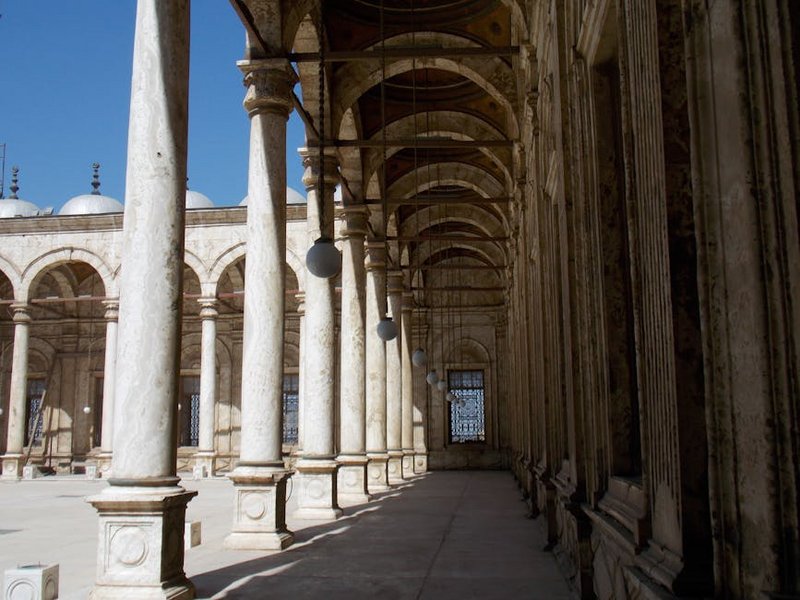
Islamic Cairo’s labyrinthine streets contain medieval mosques, madrasas, and markets. Start at the Citadel of Saladin for panoramic city views and the magnificent Muhammad Ali Mosque. Then descend into the Khan el-Khalili bazaar, but explore the surrounding network of historic gates and caravanserais beyond the main tourist alleys.
Coptic Cairo represents the city’s Christian heart, home to the Hanging Church, the Coptic Museum, and the Ben Ezra Synagogue. This walled compound sits atop the Roman Fortress of Babylon. The area feels tranquil compared to the city’s chaos, telling stories of Egypt’s religious diversity.
Hidden Gems and Local Favorites
Escape to Al-Azhar Park, a stunning green space built atop a former garbage dump. It offers manicured gardens, fountains, and exceptional views of Islamic Cairo’s skyline. Visit at sunset, then dine at one of its quality restaurants overlooking the historic district.
Explore Manial Palace Museum, an often-overlooked royal residence on Rhoda Island. It showcases Prince Mohammed Ali’s eclectic collection in a unique architectural blend of Ottoman, Moorish, and European styles. The surrounding gardens provide a peaceful retreat rarely found in central Cairo.
Nile River Experiences
A felucca sailboat ride at dusk provides a classic Cairo perspective. You’ll glide past riverbank landmarks like the Cairo Tower and Six October Bridge while the call to prayer echoes. Negotiate the price and duration (typically one hour) directly with the captain before boarding at docks near the Four Seasons or Sofitel.
For a modern contrast, book a dinner cruise on a larger vessel with live entertainment. These tours typically include a buffet meal and a tanoura (whirling dervish) or belly dancing show. They offer a comfortable, air-conditioned evening activity with guaranteed Nile views.
Practical Travel Information
Navigating Cairo requires understanding its transportation ecosystem. The city operates an extensive, cheap metro system useful for avoiding street traffic, though it only covers specific corridors. Ride-hailing apps Uber and Careem provide reliable, meter-free trips across most urban areas at reasonable rates.
Accommodation choices significantly impact your daily experience. Stay in Zamalek or Garden City for central, leafy tranquility near major sites. Downtown offers budget options amid vibrant street life, while Giza provides pyramid views but longer commutes to other attractions.
| Accommodation Area | Best For & Features | Price Range/Night (USD) |
|---|---|---|
| Zamalek Island | Upscale tranquility, embassy district, excellent dining, central location | $80 – $250+ |
| Downtown Cairo | Budget travelers, historic architecture, street food, vibrant local life | $20 – $70 |
| Giza/Near Pyramids | Pyramid views, resort-style hotels, longer commute to city center | $50 – $200 |
| Heliopolis | Business travelers, modern amenities, near airport, quieter suburbs | $60 – $150 |