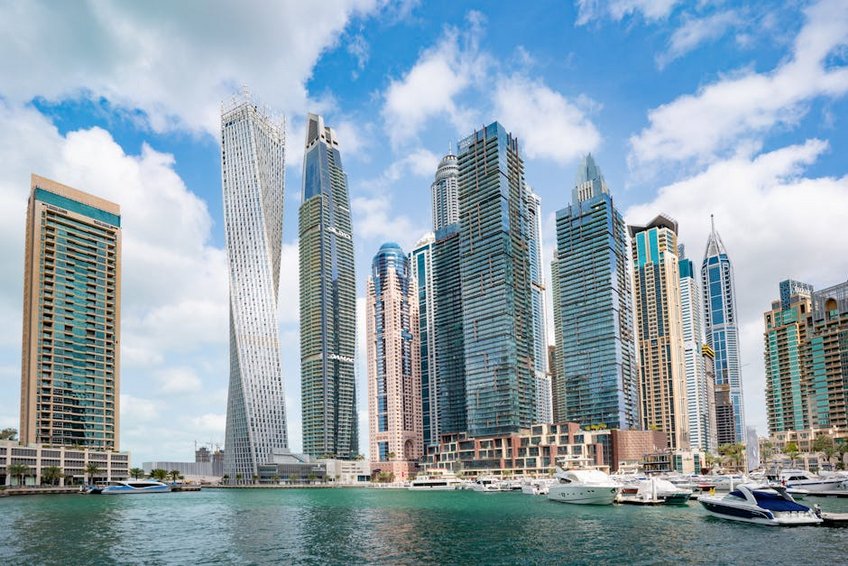
Dubai Travel Guide: Your Ultimate Planning Companion
This Dubai travel guide serves as your essential resource for navigating the dazzling contrasts of the United Arab Emirates’ most dynamic city. From soaring futuristic skylines to traditional souks, and vast desert dunes to pristine beaches, Dubai offers a travel experience unlike any other. You’ll find practical advice on timing your visit, budgeting for different styles, and discovering the city’s diverse cultural layers, ensuring your trip is as smooth as it is unforgettable.
Essential Information About Dubai
Dubai is one of seven emirates making up the UAE, strategically located on the Persian Gulf’s southeast coast. It transformed from a quiet pearling village into a global metropolis in just a few decades, fueled by visionary leadership and strategic economic diversification beyond oil. Today, it’s known for record-breaking architecture, luxury shopping, and ambitious entertainment projects.
The city operates as a major international hub, with its airport consistently ranking among the world’s busiest for international passenger traffic. Culturally, Dubai presents a fascinating blend of ultra-modernity and deep-rooted Arabian traditions, governed by Islamic law but welcoming millions of international visitors annually. This guide will help you navigate its unique social norms and legal framework respectfully.
Key Facts at a Glance
Before you go, here are the fundamental details you need to know.
- Currency: The UAE Dirham (AED). The exchange rate is approximately 3.67 AED to 1 USD, making conversion simple for American travelers.
- Language: Arabic is the official language, but English is universally spoken in business, tourism, and everyday interactions across the city.
- Visa: U.S. citizens receive a free 30-day visa on arrival. EU, UK, Canadian, and Australian passport holders are eligible for similar 30-day on-arrival visas.
- Budget Traveler ($70-$120/day): Stay in Deira or Bur Dubai hostels or budget hotels. Use the Metro for transport, eat at local cafeterias and shawarma spots, and focus on free attractions like public beaches, the Dubai Fountain show, and exploring the souks.
- Mid-Range Traveler ($150-$300/day): Choose hotels in areas like Business Bay or Marina. Enjoy mixed dining—both casual and a few nice dinners. Pre-book combo tickets for major attractions like Burj Khalifa ‘At the Top’ and a desert safari to save money.
- Luxury Traveler ($400+/day): Opt for iconic hotels like the Burj Al Arab or Atlantis The Palm. Dine at world-renowned restaurants, book private tours and chauffeur services, and enjoy premium experiences like helicopter tours or exclusive beach club access.
- Dubai Department of Economy and Tourism
- Lonely Planet Dubai Guide
Climate and Weather Patterns
Dubai has an arid desert climate characterized by two main seasons: extremely hot summers and mild, pleasant winters. Summer, from May to September, sees average daytime highs soaring above 40°C (104°F), with humidity often making it feel even hotter. Outdoor activities during midday become challenging, and air conditioning is a refuge.
The ideal winter period runs from November to March, offering sunny days with average temperatures between 25°C and 30°C (77°F to 86°F) and cooler evenings. This is the peak tourist season for a reason, perfect for exploring outdoor attractions, beaches, and the desert. Brief, occasional rainfall occurs during these months but rarely disrupts plans.
Understanding Local Culture and Laws
While Dubai is famously cosmopolitan, it’s important to remember it operates under Sharia law as part of the UAE. Public displays of affection should be minimal, and dress is expected to be modest, especially when visiting government buildings, malls, or traditional areas. Swimwear is acceptable at hotel pools and beaches.
Alcohol consumption is permitted but restricted to licensed venues like hotel bars, restaurants, and clubs. Drinking in public or being intoxicated in public is illegal and can lead to severe penalties. During the holy month of Ramadan, eating, drinking, or smoking in public during daylight hours is prohibited by law, even for non-Muslims.
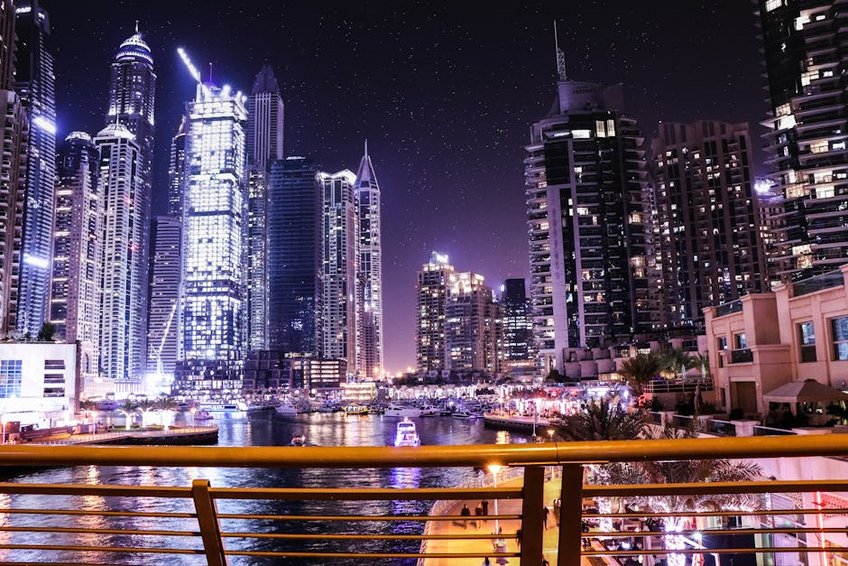
Alt: “dubai-skyline-burj-khalifa-palm-jumeirah-sunset”
Dubai Travel Guide – Planning Your Visit
Successful navigation of this sprawling city starts with a solid plan. Your itinerary should balance iconic landmarks with cultural immersion, account for the heat, and factor in travel distances between districts. Whether you’re seeking luxury, adventure, or family fun, a little preparation goes a long way in maximizing your experience in the emirate.
Booking flights and accommodations well in advance is crucial for winter visits, as prices surge and availability drops. For summer trips, you can often find significant last-minute deals on luxury hotels, though you’ll need to plan indoor activities. Always consider purchasing comprehensive travel insurance that covers medical emergencies and trip interruptions.
Best Time to Visit Dubai
The absolute best time for a visit is between November and March. Daytime temperatures range from a pleasant 24°C to 30°C (75°F to 86°F), with nighttime lows around 15°C (59°F). This weather is perfect for desert safaris, beach days, and al fresco dining. This is also the peak season, meaning higher prices and larger crowds at major attractions.
Shoulder seasons like April and October offer a compromise, with warmer temperatures but fewer tourists. The summer months from May to September are extremely hot, often exceeding 40°C (104°F), but this is when you’ll find the lowest hotel rates and can enjoy air-conditioned malls and indoor attractions without the crowds. Many outdoor activities are limited or only available in the early morning or late evening.
Budget Planning and Costs
Dubai caters to all budgets, from backpacker hostels to seven-star palaces. Your major expenses will be accommodation, attractions, and dining.
Essential Preparation Checklist
Pack lightweight, breathable clothing made from natural fabrics like cotton or linen for the heat, but include a light sweater or jacket for air-conditioned malls and cooler winter evenings. Modest attire is essential for visiting mosques or older districts. Essential items include high-SPF sunscreen, sunglasses, a reusable water bottle, and a universal power adapter (UAE uses Type G plugs, 220V).
Ensure your passport is valid for at least six months beyond your entry date. While not mandatory, having proof of onward travel and hotel reservations can be helpful at immigration. Download useful apps like Careem or Uber for rides, the RTA Dubai app for public transport, and the ‘Entertainer’ app for discounts on dining and attractions.
Top Attractions and Activities
Dubai’s landscape is defined by architectural marvels and curated experiences. No visit is complete without witnessing the record-breaking Burj Khalifa, experiencing the vastness of the desert, and getting lost in the labyrinth of a traditional market. Beyond the famous sites, the city offers world-class museums, thrilling theme parks, and serene cultural centers that provide depth to its glossy exterior.
Plan your days geographically to minimize travel time. Group visits to Downtown Dubai (Burj Khalifa, Dubai Mall, Fountain) together. Dedicate another day to the Dubai Marina, Palm Jumeirah, and Atlantis. Allocate a separate evening for a desert safari, as these typically run from afternoon until after sunset. Purchasing tickets online in advance almost always saves you money and time waiting in queues.
Must-See Highlights
The Burj Khalifa is the world’s tallest building. Booking ‘At the Top’ tickets for sunset provides breathtaking views over the city and desert. The Dubai Mall at its base isn’t just for shopping; it houses the massive Dubai Aquarium & Underwater Zoo and an Olympic-sized ice rink.
A Desert Safari is a quintessential Arabian experience. Tours include dune bashing in 4×4 vehicles, camel rides, sandboarding, and a traditional BBQ dinner under the stars with live entertainment. For modern spectacle, the Palm Jumeirah, an artificial island shaped like a palm tree, is home to luxury hotels like Atlantis, Aquaventure Waterpark, and stunning monorail views.
Hidden Gems and Local Favorites
Escape the glitz at Alserkal Avenue in Al Quoz, a warehouse district turned vibrant arts hub featuring contemporary galleries, cafes, and concept stores. For a taste of old Dubai, take an abra (traditional wooden boat) across Dubai Creek for just 1 AED and explore the spice and gold souks in Deira, where haggling is expected.
The Dubai Frame in Zabeel Park offers a unique perspective: one side frames modern Downtown, the other older Deira. The Museum of the Future is less a museum and more an immersive exhibition showcasing technological innovations, with its stunning torus-shaped building already an icon.
Family-Friendly Adventures
Dubai is a paradise for families. IMG Worlds of Adventure and Dubai Parks and Resorts (featuring Motiongate and Legoland) offer massive indoor theme parks perfect for beating the heat. La Mer is a trendy beachfront development with family-friendly beaches, splash pads, and numerous dining options.
The Dubai Miracle Garden (open seasonally) features incredible floral displays and structures, while the nearby Dubai Butterfly Garden enchants younger children. For educational fun, the Etihad Museum provides an engaging, modern look at the UAE’s founding history.
Practical Travel Information
Navigating Dubai is surprisingly easy thanks to its modern infrastructure. The Dubai Metro is clean, efficient, and affordable, connecting key areas along Sheikh Zayed Road and to the airport. Taxis are plentiful and metered, while ride-hailing apps like Uber and Careem offer convenience. For maximum flexibility, especially for trips to the desert or other emirates, renting a car is a good option.
Accommodation choices are vast. Luxury clusters around Downtown, the Palm, and Marina. Mid-range options are found in Business Bay, along Sheikh Zayed Road, and in Jumeirah. Budget travelers find value in the older neighborhoods of Deira and Bur Dubai, which also offer authentic cultural experiences and easy Metro access.
| Accommodation Area | Best For | Average Nightly Rate (USD) |
|---|---|---|
| Downtown Dubai | Luxury, first-time visitors, proximity to Burj Khalifa & Dubai Mall | $250 – $800+ |
| Dubai Marina & JBR | Beach access, nightlife, modern apartment stays, dining | $180 – $500 |
| Deira & Bur Dubai | Budget travel, cultural immersion, traditional souks | $60 – $150 |
| Palm Jumeirah | Iconic resorts, family-friendly mega-hotels, exclusivity | $350 – $1,200+ |