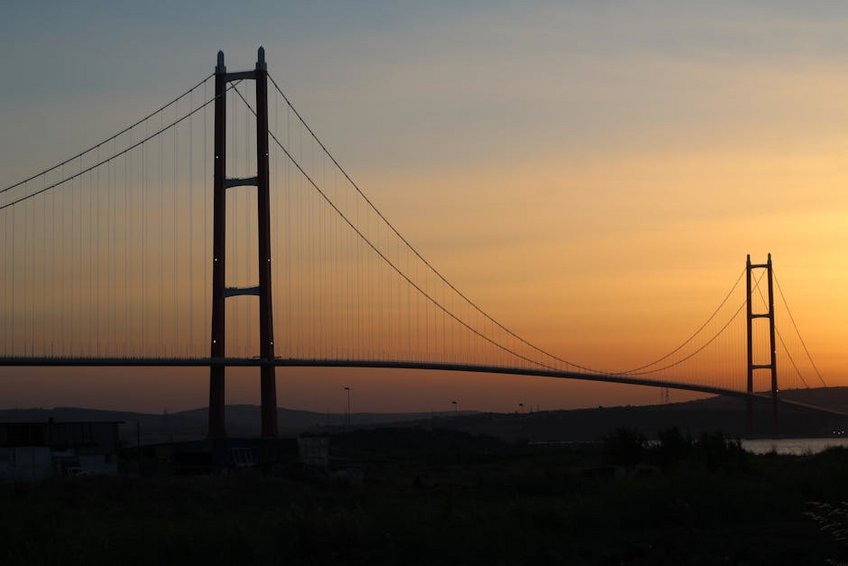
Canakkale Travel Guide: Crossroads of History and Natural Beauty
Canakkale serves as the vibrant gateway to two of Turkey’s most profound historical sites: the ancient ruins of Troy and the solemn battlegrounds of Gallipoli. This port city on the Dardanelles Strait offers more than just a base for day trips, with its own charming waterfront, excellent museums, and a youthful energy from its university. Our guide provides the essential tips, seasonal advice, and logistical details you need to craft a meaningful journey through this unique region where continents and epochs collide.
Essential Historical and Geographical Context
Canakkale’s strategic importance stems from its control of the Dardanelles, the narrow strait connecting the Aegean and Marmara Seas. This waterway has been a coveted maritime passage for millennia, influencing trade and conflict from the Trojan War to World War I. The city itself sits on the Asian shore, directly across from the Gallipoli Peninsula in Europe, making it a literal crossroads between continents.
The region’s climate is classically Mediterranean, featuring hot, dry summers and mild, wet winters. Coastal breezes moderate the temperatures, which average 75-85°F (24-29°C) in peak summer and 45-55°F (7-13°C) in winter. This climate supports the area’s famous vineyards and olive groves, contributing to a rich local cuisine focused on fresh seafood and Aegean flavors.
Key Historical Periods and Influence
Understanding these layers of history enriches every visit.
- Ancient Troy (3000 BC – 500 AD): The legendary city, immortalized by Homer, was a major Bronze Age power. Its archaeological layers reveal nine successive settlements, with the famous wooden horse replica standing as a modern symbol near the ruins.
- Ottoman Era (14th – 20th Century): The Ottomans fortified the straits with castles like Cimenlik and Kilitbahir. Canakkale developed as a key naval base, with its architecture and culture reflecting this long imperial history.
- World War I Gallipoli Campaign (1915-1916): The failed Allied invasion aimed at capturing Istanbul resulted in over 500,000 casualties. The well-preserved battlefields, cemeteries, and memorials now form a poignant national park for reflection.
- Budget Traveler ($40-60/day): Stay in a hostel or guesthouse, eat at local kebab shops and bakeries, use public ferries and minibuses (dolmuş) to reach sites, and explore Gallipoli independently with a good guidebook. Entry to Troy is around $10.
- Mid-Range Traveler ($80-120/day): This budget allows for a comfortable hotel, meals at good waterfront restaurants, and joining a shared full-day guided tour to Gallipoli ($35-50) which includes transport, ferry, and guide. You might rent a car for one day to explore Troy and the surrounding countryside at your own pace.
- Luxury Traveler ($200+/day): Opt for the best waterfront hotels with sea views, private guided tours with expert historians for both Troy and Gallipoli, and fine dining featuring gourmet versions of local seafood and meze. This tier includes seamless private transfers for maximum comfort and flexibility.
- Republic of Turkey Ministry of Culture and Tourism
- Lonely Planet Travel Guide – Canakkale
Navigating the City’s Layout
Central Canakkale is compact and easily walkable, centered along the scenic Dardanelles waterfront promenade. The main ferry terminal, clock tower, and several key museums are located here. The city’s heart beats along this coastline, where you can watch ships navigate the storied strait.
Accommodations and restaurants cluster in the streets just inland from the promenade. The city’s university adds a dynamic, youthful vibe with numerous cafes and bookshops. For visits to Troy or Gallipoli, you will need to take a ferry, bus, or join a guided tour, as both sites lie outside the immediate city center.
Cultural Significance Today
Canakkale is a city of remembrance and resilience. Annual ceremonies on March 18th and April 25th commemorate the naval and land battles of WWI, drawing international visitors and dignitaries. The local identity is deeply intertwined with this history, yet balanced by a forward-looking, educational spirit fostered by the university. The community is welcoming to tourists, with many residents involved in the heritage and tourism sectors.
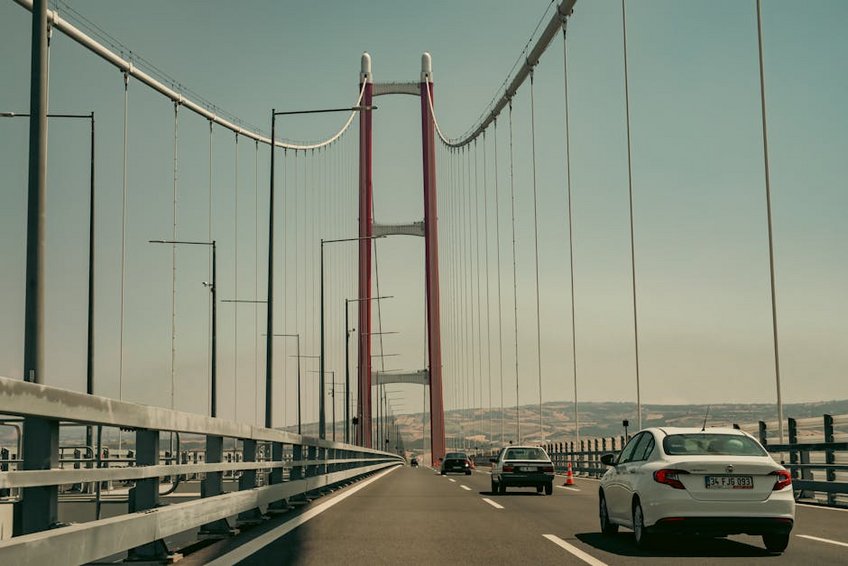
Alt: “canakkale-waterfront-promenade-dardanelles-strait-view”
Canakkale Travel Guide – Planning Your Trip
Effective planning for this region involves balancing historical exploration with logistical movement between sites. Your itinerary should account for ferry schedules, the substantial walking required at archaeological parks, and the emotionally impactful nature of the Gallipoli battlefields. Booking guides in advance is highly recommended for both major sites to fully grasp their layered significance.
While the city is affordable, costs can vary based on your choice of guided tours versus independent travel. We recommend allocating a minimum of two full days: one for Gallipoli and one for Troy, with an extra day to explore Canakkale’s museums and coastline at a relaxed pace. Spring and autumn offer the most comfortable conditions for extensive outdoor exploration.
Best Time to Visit Canakkale
The ideal months for a visit are April-May and September-October. During these periods, daytime temperatures range from a pleasant 65-75°F (18-24°C), crowds are manageable, and the landscape is green or autumnal. This makes exploring the open-air sites of Troy and Gallipoli particularly enjoyable.
Summer (June-August) can be hot, often exceeding 86°F (30°C), with intense sun at the exposed historical sites. Winter is mild but rainy, which can make some parts of the Gallipoli peninsula muddy. However, the winter months offer a deeply solitary and reflective experience at the memorials, with very few other visitors.
Budget Planning and Costs
A daily budget can vary significantly based on your touring style.
Essential Preparation Checklist
Packing for this trip requires a focus on outdoor comfort and respect. Sturdy, broken-in walking shoes are non-negotiable for the uneven terrain at Troy and the hilly paths of Gallipoli. Sun protection is critical—bring a hat, sunglasses, and high-SPF sunscreen, as shade is limited at both major sites.
Ensure your passport has at least six months’ validity for a Turkish tourist visa, which most nationals can obtain online as an e-Visa. While not mandatory, travel insurance is wise. Book guided tours at least a few days in advance, especially during spring and autumn. For independent travel, download the local bus app ‘Moovit’ and have some Turkish Lira in cash for small vendors and dolmuş fares.
Top Attractions and Historical Sites
The region’s undisputed highlights are the twin pillars of Troy and Gallipoli. Each requires a half-day minimum to appreciate properly. Beyond these, Canakkale city itself offers engaging museums that provide crucial context. The experience is a powerful journey through myth, archaeology, and modern history, all within a compact geographical area.
When planning your days, note that the sites are in opposite directions: Troy is south of the city, while Gallipoli is north across the strait. It is not practical to visit both in one day without a rushed, superficial experience. We recommend dedicating separate days to each to allow for travel time and emotional absorption.
Must-See Highlights
The Archaeological Site of Troy is a UNESCO World Heritage site. Walking through its nine identified settlement layers, marked by clear signage, you can see the evolution of a city over 4,000 years. The replica Trojan Horse at the entrance offers a fun photo op, but the real fascination lies in the excavated walls, a Roman theater, and the ongoing sense of discovery.
Gallipoli Peninsula Historical National Park is a vast, serene landscape dotted with cemeteries, monuments, and preserved trenches. Key stops include ANZAC Cove, the poignant cemeteries at Lone Pine and Chunuk Bair, and the impressive Çanakkale Martyrs’ Memorial. The silence and scale here are profoundly moving, honoring soldiers from Turkey, Australia, New Zealand, Britain, and beyond.
In Canakkale, the Çanakkale Naval Museum is essential. It houses relics from the 1915 naval battles, including mines, uniforms, and the intact Nusret minelayer ship. The Trojan Horse prop used in the 2004 Hollywood film “Troy” is also displayed on the waterfront, adding a pop-culture layer to the ancient legend.
Hidden Gems and Local Favorites
Just south of the main Troy site, the little-visited Alexandria Troas offers sprawling Roman ruins in a peaceful, rural setting with virtually no crowds. It was once a major port city and its remains, including a vast granary and theater, are impressively extensive and unrestored, appealing to those seeking an off-the-beaten-path archaeological experience.
On the Gallipoli side, the quiet village of Kilitbahir is dominated by its massive, well-preserved 15th-century Ottoman castle. You can climb its central tower for unparalleled views of the Dardanelles. The nearby village of Alçıtepe has a excellent local private museum filled with artifacts found by villagers, offering a grassroots perspective on the Gallipoli campaign.
Coastal and Island Exploration
Take a short ferry ride from Canakkale to the Gokceada or Bozcaada islands. Bozcaada, in particular, is a charming getaway known for its vineyards, windmills, crystal-clear swimming coves, and a picturesque Greek-style old town. It’s a perfect day trip or overnight escape to experience the slower pace of Aegean island life and sample excellent local wines.
Practical Travel Information and Logistics
Canakkale is well-connected but requires some planning for inter-site travel. The city serves as the central hub, with ferries providing the essential link to the Gallipoli Peninsula. For Troy, travel is via road southward. Understanding these routes is key to a smooth itinerary.
Accommodation is concentrated in Canakkale city, with a range from hostels to upscale waterfront hotels. A few boutique options exist on the Gallipoli side for those seeking solitude. Most visitors find staying in Canakkale most convenient for dining and ferry access.
| Accommodation Type | Best For / Features | Avg. Nightly Price (USD) |
|---|---|---|
| Hostels & Guesthouses | Solo travelers & budgets; social atmosphere, basic amenities, central locations. | $15 – $30 |
| Mid-Range Hotels | Couples & families; comfort, often with breakfast included, many with sea views. | $50 – $90 |
| Boutique Hotels | Style & experience; unique design, personalized service, located in historic buildings. | $100 – $160 |
| Luxury Waterfront Hotels | Splurging & views; top amenities, fine dining on-site, balconies overlooking the strait. | $180+ |