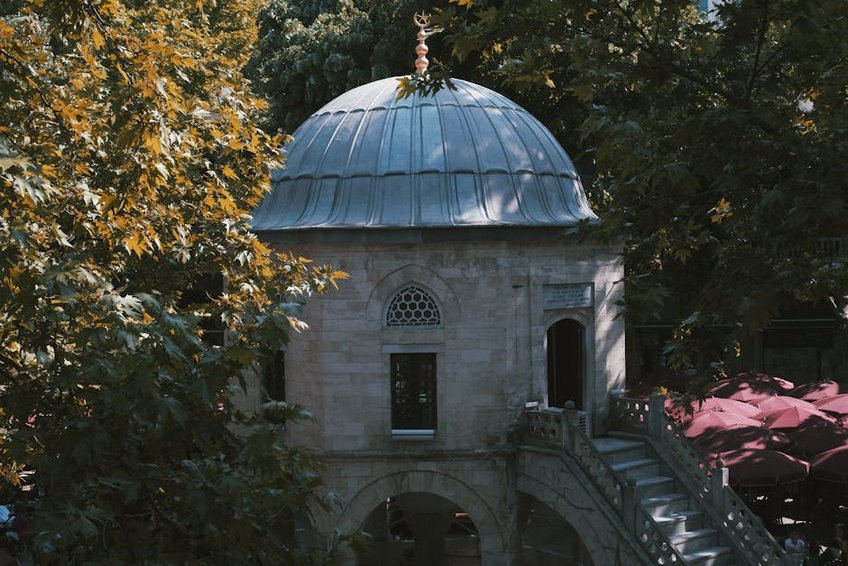
Bursa Travel Guide: Explore the Ottoman Empire’s First Capital
Bursa presents travelers with a captivating blend of imperial history and modern Turkish culture, nestled at the foot of the snow-capped Uludağ mountain. This northwestern Turkish city served as the first major capital of the Ottoman Empire, leaving behind a magnificent legacy of early Ottoman architecture, vibrant silk bazaars, and renowned thermal springs. This Bursa Travel Guide provides the essential details for navigating its historical treasures, from the Grand Mosque’s grandeur to the lively Koza Han, ensuring you experience both its monumental past and its dynamic present.
Essential Bursa Information
Bursa, Turkey’s fourth-largest city, is located in the Marmara Region, just a short ferry and bus ride south of Istanbul. It is often called “Yeşil Bursa” (Green Bursa) for its many parks and gardens, a legacy of its founders. The city’s historical significance as the first Ottoman capital (1326-1365 AD) is palpable in its UNESCO-listed sites and traditional neighborhoods.
Beyond its historical core, Bursa is a major industrial and automotive center, giving it a contemporary energy that contrasts with its ancient monuments. The nearby 2,543-meter (8,343-foot) Uludağ mountain dominates the skyline, offering premier skiing in winter and cool hiking retreats in summer. This unique combination of nature, industry, and profound history defines the city’s multifaceted character.
Key Historical Facts and Figures
Understanding a few key dates helps frame your visit to this former imperial capital.
- 1326 AD: Ottoman Sultan Orhan Gazi captures Bursa from the Byzantines, establishing it as the empire’s first capital and beginning a major construction period.
- 14th-15th Centuries: The city becomes a center for silk production and trade, with the Koza Han (Silk Market) built in 1490, fueling its economic and architectural golden age.
- 2014: UNESCO adds “Bursa and Cumalıkızık: the Birth of the Ottoman Empire” to its World Heritage List, recognizing eight component sites that showcase the city’s early urban and rural systems.
- Budget (Approx. $40-60/day): Stay in a hostel or budget hotel, use public transport and the cable car, eat at local kebab shops and street food stalls (a full Iskender meal costs ~$7-10), and focus on free attractions like mosques and bazaars. Entry to paid tombs and museums will be your main expense.
- Mid-Range (Approx. $80-150/day): This allows for a comfortable boutique hotel in the Osmangazi district, taxis for convenience, meals at well-regarded restaurants, guided tours of key sites, and entry to all major attractions. You can also afford a traditional hamam experience.
- Luxury (Approx. $200+/day): Includes stays in five-star hotels or unique heritage properties, private drivers or guided day trips, fine dining, and bespoke experiences like private silk weaving demonstrations or helicopter tours over Uludağ.
- Bursa Metropolitan Municipality Official Website
- UNESCO World Heritage Centre: Bursa and Cumalıkızık
Geography and Climate
Bursa enjoys a transitional climate between the Mediterranean and the oceanic, with four distinct seasons. Summers are warm and relatively dry, with average highs around 29°C (84°F) in July and August. Winters are cool and wet, with January averages of 6°C (43°F) in the city center, while Uludağ summit sees heavy snowfall and temperatures well below freezing.
The city’s location between a fertile plain and a major mountain creates diverse microclimates. Coastal areas are milder, while the mountain slopes are significantly cooler. This variety allows for activities like swimming in the Sea of Marmara and skiing on the same day during the spring months.
Cultural Significance
The city’s identity is deeply tied to its Ottoman roots and its later role in the Turkish Republic. It is considered the birthplace of many Ottoman institutions and architectural styles that would later define Istanbul. The “külliye” complex—integrating a mosque, madrasa, public kitchen, and bath—was perfected here.
Local culture also revolves around the Iskender kebab, invented in Bursa in the 19th century, and the annual shadow puppet performances of Karagöz and Hacivat, whose legends originate in the city’s early Ottoman period. These elements create a rich cultural tapestry for visitors to explore.
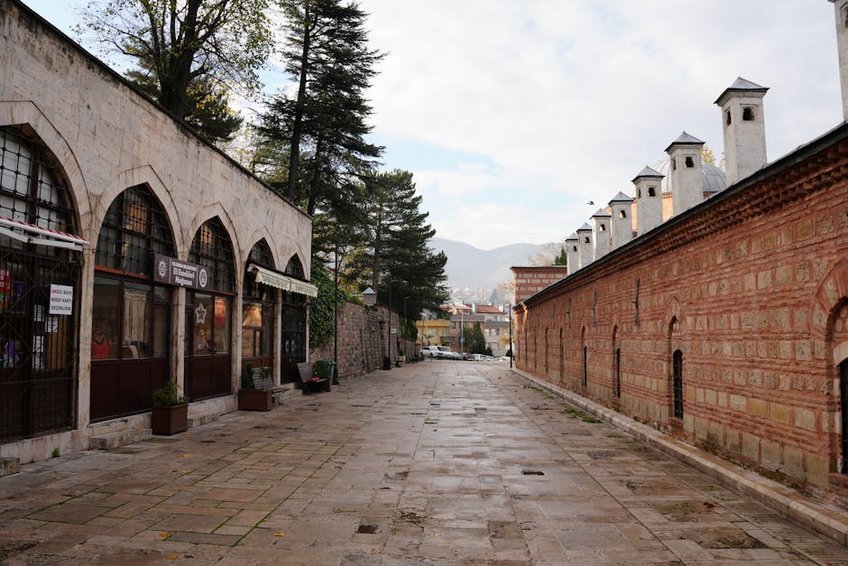
Alt: “bursa-turkey-ottoman-architecture-grand-mosque-courtyard”
Bursa Travel Guide – Planning Your Trip
Successful exploration of this Ottoman capital requires consideration of season, itinerary length, and transportation links. For a comprehensive historical and cultural experience, a minimum of two full days is recommended. This allows time for the major mosques and tombs in the city center, a trip to the nearby UNESCO village of Cumalıkızık, and either an ascent up Uludağ or a visit to the ancient thermal baths.
Your budget will be shaped by accommodation choices and dining preferences. While more affordable than Istanbul, luxury options in restored Ottoman mansions are available. Prioritize purchasing a museum pass if planning to visit multiple paid historical sites, and always carry some Turkish Lira for the bazaars and local transportation.
Best Time to Visit Bursa
The ideal periods for sightseeing are the shoulder seasons of April to June and September to October. During these months, daytime temperatures range from a pleasant 15-25°C (59-77°F), crowds are manageable, and the mountain scenery is vibrant. This weather is perfect for exploring outdoor complexes and the cobbled streets of Cumalıkızık without summer heat or winter chill.
December through March is peak season for Uludağ, drawing ski enthusiasts and causing hotel prices on the mountain to rise. The city center remains quiet. July and August can be hot and humid, but the higher elevations of Uludağ provide a cool escape. Some smaller shops may close during the August holiday period.
Budget Planning and Costs
Daily costs vary significantly based on your travel style. Here is a breakdown for a per-person budget.
Essential Preparation Checklist
Pack comfortable walking shoes with good grip for uneven stone streets and modest clothing for mosque visits—women should carry a scarf. A light jacket is useful year-round for cooler evenings. Essential items include a universal power adapter (Turkey uses Type F, 220V), a reusable water bottle, and a translation app for navigating local markets.
Ensure your passport is valid for at least six months beyond your entry date. Many nationalities can obtain an e-Visa online before travel. While not mandatory, travel insurance is highly recommended. Book accommodations in the city center at least a month in advance for peak travel periods, and consider purchasing tickets for popular cable car rides online to avoid queues.
Top Attractions and Activities
The city’s historical core is compact and walkable, centered around the Yesil (Green) and Muradiye districts. Key sites showcase the evolution of early Ottoman architecture, from the simple grandeur of the Orhan Gazi Mosque to the exquisite tile work of the Green Tomb. A visit is not complete without experiencing the bustling atmosphere of its centuries-old covered markets.
Beyond the monuments, take the Teleferik (cable car) up the slopes of Uludağ for breathtaking panoramic views. Explore the nearby picturesque village of Cumalıkızık, a UNESCO site with well-preserved Ottoman-era houses. Finally, indulge in the city’s famous thermal baths, such as the Eski Kaplıca, for a truly local relaxation ritual.
Must-See Historical Highlights
Bursa Grand Mosque (Ulu Cami): This 14th-century Seljuk-style mosque is the city’s most iconic landmark. Its vast interior features 20 domes and a stunning decorative fountain (şadırvan). The intricate calligraphy on its columns and walls is exceptional. Visit in the morning for softer light and fewer crowds; entry is free.
Yesil Türbe (Green Tomb) & Yesil Mosque (Yeşil Cami): The tomb of Sultan Mehmed I is famed for its exquisite turquoise and green Iznik tile work, which gives the complex its name. Adjacent is the equally impressive Green Mosque, a masterpiece of early Ottoman architecture. A small entry fee applies to the tomb, and modest dress is required.
Koza Han (Silk Market): Built in 1490, this two-story caravanserai was the heart of the silk trade. Today, its courtyard café is a peaceful oasis, while the surrounding shops sell silk scarves, textiles, and other souvenirs. It’s the perfect place to take a break with a traditional Turkish tea.
Hidden Gems and Local Favorites
Tophane Area: This hilltop park offers the best panoramic views of the city and houses the tombs of the empire’s founders, Osman and Orhan Gazi. It’s a popular spot for locals at sunset. The historic clock tower here is also a notable landmark.
Irgandi Bridge: This 15th-century Ottoman bridge is unique for having a bazaar built along its sides. Restored after an earthquake, it now hosts small artisan workshops and shops. It’s a charming and less-visited historical site located a short walk from the city center.
Cumalıkızık Village: This UNESCO-listed Ottoman-era village, about 10 kilometers east, feels like a step back in time. Wander its cobblestone streets lined with colorful, timber-framed houses, visit the small ethnographic museum, and try gözleme (savory pancakes) made by local women. Reach it by bus or taxi from the city.
Uludağ National Park Adventure
Uludağ, the ancient Mysian Olympus, is a year-round destination. In winter (December-March), it’s Turkey’s premier ski resort, with numerous slopes and facilities. A day pass for ski lifts costs approximately $30-45. In summer, the national park becomes a haven for hiking, camping, and escaping the city heat.
The Bursa Teleferik, one of the world’s longest cable car lines, provides spectacular access to the mountain. The full journey to the ski resort area takes about 25 minutes. Even if you’re not skiing, the ride offers unforgettable views over the forests and the city sprawling below. Check the weather before ascending, as clouds can obscure the view.
Practical Travel Information
Navigating Bursa is straightforward with a mix of modern and traditional transport. The city has an extensive public bus system and a metro line connecting major districts. For tourists, the most scenic and efficient way to reach Uludağ is via the Teleferik cable car from the city’s southern terminus. Taxis are plentiful and relatively inexpensive for shorter trips within the central zones.
Accommodation options range from international chain hotels to charming boutique hotels in converted Ottoman houses. For the best access to historical sites, stay in the Osmangazi district near the Grand Mosque and the bazaars. The Çekirge district is known for its upscale hotels and thermal spa facilities.
| Category | Options/Features | Price Range (USD) |
|---|---|---|
| Budget Hotel/Hostel | Basic amenities, shared facilities, central location near Tophane or Heykel. | $25 – $50 per night |
| Boutique Hotel | Restored Ottoman house, characterful decor, breakfast included, in Osmangazi. | $70 – $120 per night |
| Luxury/Spa Hotel | Five-star facilities, thermal pools, multiple restaurants, often in Çekirge district. | $150 – $300+ per night |
| Uludağ Ski Resort | Slope-side access, ski-in/ski-out, equipment rental on site, higher winter rates. | $100 – $250 per night |