Kars Travel Guide: Discover Eastern Turkey’s Historical Crossroads
This Kars Travel Guide unlocks a destination where empires once clashed, leaving behind a profound historical legacy etched in stone and culture. You will explore the haunting ruins of Ani, a medieval Armenian capital known as the “City of 1,001 Churches,” standing silently on the modern border. Your journey combines this deep history with a vibrant contemporary identity, famed for its distinctive honey, rich cheeses like Kars Kashar, and as Turkey’s premier destination for winter sports at the Sarıkamış Ski Resort.
Essential Kars Information
Located in Turkey’s northeastern corner, Kars serves as a strategic gateway near the borders of Armenia and Georgia. The city’s elevation of approximately 1,768 meters (5,800 feet) contributes to its continental climate, characterized by long, bitterly cold winters and pleasantly mild summers. This highland plateau has been a contested region for millennia, ruled successively by the Urartians, Armenians, Georgians, Mongols, Ottomans, and Russians.
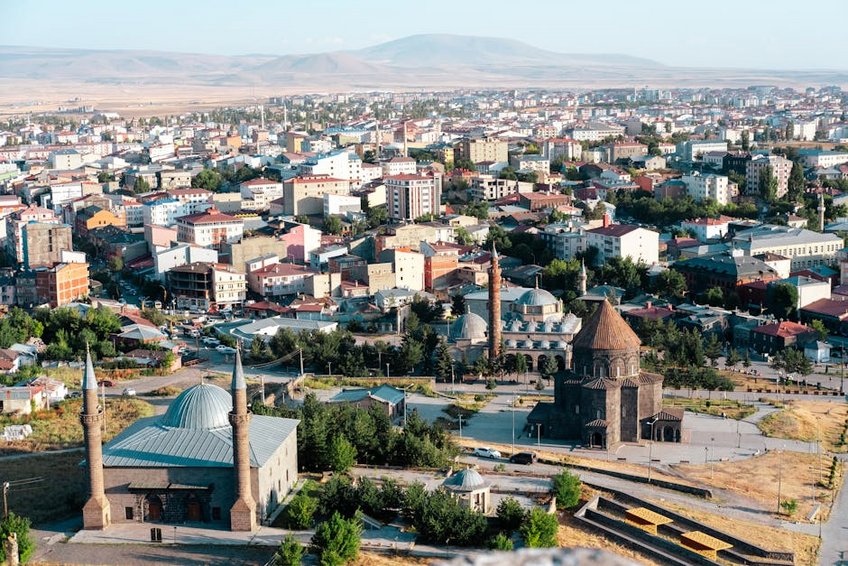
The Russian occupation from 1878 to 1918 left a lasting architectural imprint, visible in the orderly grid of downtown streets and distinctive Baltic-style stone buildings. This unique blend creates a visual tapestry unlike any other Turkish city. Understanding this layered past is key to appreciating the resilient local culture you’ll encounter throughout your visit to Eastern Anatolia.
Geographic and Historical Context
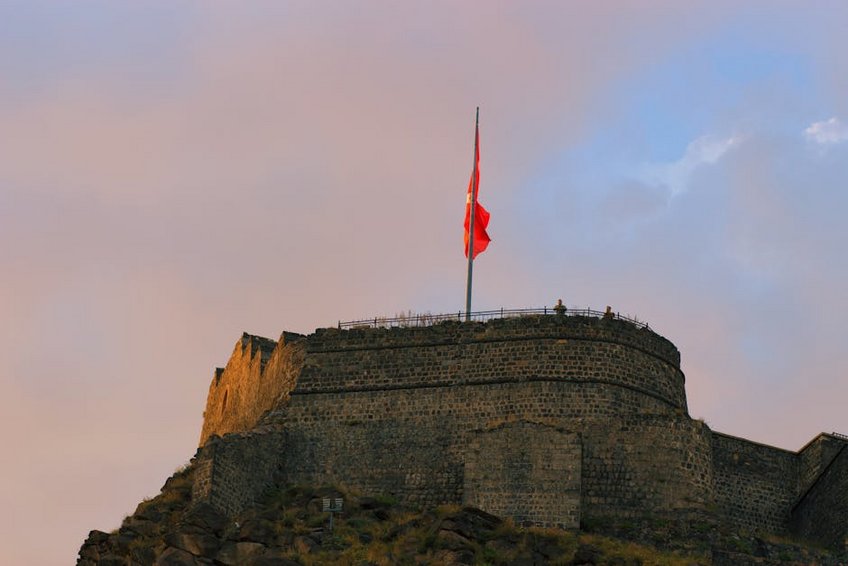
Kars occupies a pivotal position on the historic Silk Road and military routes across the Armenian Highland. The Kars River flows through the city, with the iconic Kars Castle (Kars Kalesi) standing sentinel on a rocky hilltop. This fortress, originally built in the 12th century and later rebuilt, offers panoramic views that underscore the region’s defensive importance. The city’s history is a complex narrative of cultural exchange and conflict, deeply felt even today.
Climate and Weather Patterns
Prepare for a stark seasonal contrast in this high-altitude region. Winter lasts from November through March, with temperatures often plummeting to -15°C to -25°C (5°F to -13°F), and heavy snowfall is guaranteed. Summers, from June to August, are mild and ideal for exploration, with averages of 15°C to 25°C (59°F to 77°F). Spring and autumn are brief transitional periods, often chilly and wet, making road travel to remote sites like Ani occasionally difficult.
Cultural Significance
Kars is a living museum of coexistence, where Turkish, Kurdish, and Azerbaijani cultures blend with echoes of Armenian and Russian heritage. This is evident in the local dialect, cuisine, and music. The city is a hub for livestock farming, producing world-renowned products. Festivals like the International Kars Culture and Art Festival celebrate this diversity each July. Respectful engagement with this multifaceted identity will greatly enrich your travel experience in northeastern Turkey.
Planning Your Kars Travel Guide
Successfully navigating this unique destination requires strategic planning centered on seasonal access and logistical preparation. Your primary decision point involves choosing between a winter-focused trip for skiing and snowy landscapes or a summer journey for historical exploration and hiking. Each season demands a completely different packing list and activity itinerary, fundamentally shaping the nature of your visit to this eastern province.
Accommodation should be booked well in advance, especially for winter visits to the ski resort or during the peak summer tourism window in July and August. While the city center is compact and walkable, reaching premier attractions like Ani or the Çıldır Lake requires arranging private transportation or joining a guided tour. A thoughtful approach to this Kars Travel Guide ensures you experience the region’s dual character of ancient history and alpine adventure seamlessly.
Best Time to Visit Kars
For winter sports enthusiasts, the ideal period is between December and February, when Sarıkamış receives reliable, powdery snow with depths often exceeding two meters. Ski conditions are typically excellent during these coldest months. If your goal is to explore archaeological sites and enjoy comfortable sightseeing, target the window from late June to early September, when days are long, roads are clear, and temperatures are pleasant for outdoor activities.
The shoulder months of May and October offer fewer crowds and lower prices, but come with significant weather variability. You might experience warm sunshine, rain, or even early/late snowstorms. Ani is accessible year-round, but winter visits require a 4×4 vehicle and guide due to challenging road conditions. Ultimately, aligning your trip with your primary interest—skiing or cultural exploration—is the most crucial planning factor.
Budget Planning and Costs
Daily costs in Kars vary significantly based on season and travel style. A winter ski trip will be more expensive due to equipment rentals and resort fees, while summer cultural travel can be very affordable. Here is a breakdown for a per-person, per-day budget excluding international flights.
- Budget Traveler ($40-60): Stay in hostels or guesthouses, use local buses and dolmuş (shared taxis), eat at local kebab houses and bakeries, and focus on free attractions like Kars Castle. This budget allows for one paid museum or site entry per day.
- Mid-Range Traveler ($80-120): Enjoy comfortable 3-star hotel stays, rent a car for 2-3 days to visit Ani and Çıldır Lake, dine at well-regarded restaurants for both lunch and dinner, and join a guided historical tour of the city center.
- Luxury Traveler ($200+): Book suites in the city’s best hotels or lodges at Sarıkamış, hire a private driver and guide for the duration of your stay, enjoy gourmet meals featuring local specialties, and arrange exclusive experiences like winter dog sledding on Çıldır Lake.
- Republic of Turkey Ministry of Culture and Tourism – Kars Portal
- UNESCO World Heritage Centre – Archaeological Site of Ani
Essential Preparation Checklist
Packing is non-negotiable. For winter, you need a heavy down jacket, thermal layers, waterproof insulated boots, gloves, a hat, and sunglasses for snow glare. Summer requires layers, a good windbreaker, sturdy walking shoes for uneven terrain at ruins, and sun protection. Regardless of season, bring a universal power adapter (Turkey uses Type F outlets, 220V) and a portable power bank for long days of exploration.
Ensure your passport has at least six months validity. Most Western nationals, including US and EU passport holders, can obtain an e-Visa online before travel for tourism stays up to 90 days. Purchase comprehensive travel insurance that covers emergency medical evacuation. For driving, an International Driving Permit is required alongside your national license. Book domestic flights and major hotels at least two to three months ahead for peak periods.
Alt: “kars-castle-snow-winter-panoramic-view”
Top Attractions and Activities
The crown jewel of any visit is the Archaeological Site of Ani, a UNESCO World Heritage site located about 45 kilometers east of the city center. This sprawling ghost city on the Armenian border showcases breathtaking examples of medieval architecture, including the Church of the Redeemer and the Cathedral of Ani. Plan for a minimum of three to four hours to wander the grassy plateau, absorb the profound silence, and contemplate the history of this once-great capital.
In the city itself, Kars Castle is the central landmark. A steep walk up to its walls rewards you with sweeping views over the Russian-built grid below. At its foot lies the 12th-century Kümbet Mosque, originally built as an Armenian church, exemplifying the region’s layered past. The Kars Museum offers crucial context, displaying artifacts from Ani and the surrounding region, helping to piece together the area’s complex chronology before you visit the sites in person.
Must-See Historical Sites
Beyond Ani, several key sites demand attention. The nearby ruins of the Armenian Bagratid Kingdom, including the Monastery of Khark, are accessible on a longer tour. The Taşköprü (Stone Bridge) in the city center is a Seljuk-era construction still in use. The Fethiye Mosque, originally a Russian Orthodox church built in the 1880s, stands as a striking symbol of the city’s changing rulers and adaptive reuse of sacred spaces over centuries.
For a deep dive into more recent history, visit the Sarıkamış War Museum and Memorial. It commemorates the tragic loss of tens of thousands of Ottoman soldiers during a 1914 winter campaign against Russia. This somber site provides important perspective on the early 20th-century events that shaped modern Turkey. Each location adds another layer to your understanding of this crossroads region.
Winter Sports and Outdoor Adventures
Sarıkamış Ski Resort is Turkey’s premier destination for alpine skiing and snowboarding, with slopes suitable for beginners to advanced skiers. The season runs long due to the dry, powdery snow, and equipment rentals are readily available. For a unique frozen lake experience, head to Çıldır Lake, where you can take a horse-drawn sleigh ride across the thick ice or try ice fishing with local guides during the deepest winter months from January to March.
Warmer months open up excellent hiking opportunities in the surrounding valleys and pine forests near Sarıkamış. The region is also a birdwatcher’s paradise, especially during spring and autumn migrations. Consider a day trip to the hot springs (kaplıca) in nearby villages for a relaxing soak after days of exploration. The contrast between ancient history and dynamic outdoor activity defines the versatile appeal of this Anatolian province.
Cultural Experiences and Local Life
Immerse yourself in local culture by visiting the Kars Bazaar, where you can find the famous Kars Kashar cheese, raw honey, and traditional wool socks. Engage with artisans who still practice centuries-old crafts. To witness a unique tradition, visit during the quieter months and ask locally about the practice of “köy seyirlik” folk theaters in surrounding villages. An evening spent at a local çay bahçesi (tea garden) people-watching is an essential, leisurely ritual.
For literary enthusiasts, a pilgrimage to the Kars of Orhan Pamuk’s novel “Snow” adds a layer of modern narrative. While the fictional city of “Kars” in the book is an amalgamation, visiting the former Russian Balyan Street and the city’s old newspaper offices brings the atmospheric setting to life. These contemporary cultural touchpoints connect the ancient past with the living, breathing city of today.
Practical Travel Information for Kars
Reaching this northeastern corner requires planning, as it’s distant from Turkey’s major western hubs. The most efficient method is a domestic flight to Kars Harakani Airport (KSY) from Istanbul (IST or SAW). Flight time is approximately two hours. Turkish Airlines and AnadoluJet operate regular routes. During winter, flights are generally reliable, but always allow flexibility for potential weather-related delays, especially when connecting to international departures.
Overland travel is an adventure. Long-distance buses connect Kars to Ankara (a 15-hour journey) and other major cities, offering an affordable but time-consuming option. Once in the city, the center is very walkable. For sites outside the city, taxis are available for negotiation, or you can use local dolmuş vans that run fixed routes to nearby towns. For true freedom to explore Ani, Çıldır, and Sarıkamış at your own pace, renting a car is highly recommended, preferably with 4×4 capability in winter.
| Category | Options/Features | Price Range (USD) |
|---|---|---|
| Budget Accommodation | Hostels & basic guesthouses in city center, shared bathrooms, simple breakfast included | $20-35 per night |
| Mid-Range Hotels | 3-star hotels with private bathrooms, heating, on-site restaurant, central location | $50-80 per night |
| Car Rental (Daily) | Economy sedan from local agency, includes basic insurance. 4×4 SUV for winter commands 50% premium. | $35-70 per day |
| Guided Day Tour | Private guide and driver for Ani and surrounding sites, includes lunch and entry fees | $90-150 per person |