Gaziantep Travel Guide: Culinary Capital and Historical Crossroads
Gaziantep delivers a profound travel experience where ancient history, world-renowned cuisine, and vibrant bazaars converge in southeastern Turkey. Your journey here revolves around savoring legendary baklava, exploring millennia-old Roman mosaics, and navigating one of the world’s oldest continuously inhabited market districts. This guide provides the essential details for planning a trip that captures the authentic spirit and complex flavors of this remarkable city.
Essential Visitor Information
Gaziantep serves as a major economic and cultural hub near Turkey’s Syrian border. The city’s history spans over 3,600 years, with influences from Hittite, Roman, Byzantine, and Ottoman civilizations evident in its architecture and traditions. Today, it thrives as a modern metropolis of over two million people while fiercely protecting its culinary heritage and historical identity.
Key Facts at a Glance
Understanding a few core details helps frame your visit to this distinctive region.
- Location & Access: Situated in southeastern Anatolia, Gaziantep is served by Gaziantep Oğuzeli International Airport (GZT), with direct flights from Istanbul, Ankara, and several European hubs.
- Cultural Significance: The city is a UNESCO Creative City for Gastronomy, a title earned through its exceptional food culture, including the protected-origin Antep baklava.
- Historical Legacy: Gaziantep played a crucial role during the Turkish War of Independence, earning the honorific title “Gazi” meaning “veteran,” which precedes its ancient name, Antep.
- Budget Traveler ($40-60/day): Stay in a local guesthouse, eat breakfast and lunch from street vendors (lahmacun, katmer), use city buses, and visit free attractions like the bazaars. Focus on low-cost museum entries and self-guided walking.
- Mid-Range Traveler ($80-150/day): Book a comfortable boutique hotel in Şehreküstü, enjoy sit-down meals at respected local restaurants like İmam Çağdaş, hire a taxi for half-day museum trips, and join a guided food tour. Include a traditional hammam experience.
- Luxury Traveler ($200+/day): Stay at a top hotel like Anadolu Evleri, dine with a private chef for a baklava-making demonstration, arrange a full-day private guide and driver for Zeugma and Rumkale, and purchase high-end copperware and textiles from master artisans.
- Turkish Ministry of Culture and Tourism – Gaziantep Portal
- UNESCO Creative Cities Network – Gaziantep
Climate and Visiting Seasons
Gaziantep experiences a semi-arid climate with significant temperature shifts between seasons. Summers are hot and dry, with July and August averages reaching 95°F (35°C). Winters are cool and often rainy, with January lows around 34°F (1°C). This climate directly influences both travel comfort and agricultural cycles, which define the local cuisine.
Spring (April-May) and autumn (September-October) offer the most pleasant conditions for exploration. Daytime temperatures range from 65-80°F (18-27°C) with minimal rainfall. These seasons avoid summer’s intense heat and winter’s chill, making them ideal for walking through the old town and visiting archaeological sites.
Understanding the Local Vibe
The city possesses a proud, industrious character shaped by its history of resilience. Locals are famously hospitable, especially when visitors show genuine interest in their food and crafts. While modern and progressive, traditional values remain strong, and the pace of life feels deliberate compared to Istanbul.
Commerce and craftsmanship are central to the city’s identity. The Copperware Bazaar and coppersmith workshops continue centuries-old traditions. Meanwhile, thousands of small factories produce the pistachios and textiles that drive the regional economy, creating a unique blend of ancient bazaar and modern industry.
Alt: “gaziantep-historical-bazaar-copper-shops-architecture”
Gaziantep Travel Guide – Planning Your Trip
Effective planning for Gaziantep requires a strategy centered on its culinary and historical offerings. Unlike coastal resorts, the city’s appeal lies in immersive cultural experiences rather than beaches. You should prioritize museum visits, food tours, and market exploration. Advance reservations for popular restaurants are highly recommended, especially on weekends.
Budget considerations vary widely. Street food and public transport are remarkably affordable, while upscale dining and private guides cost more. Allocate funds for culinary souvenirs like baklava, spices, and copperware. Many historical sites have modest entrance fees under $5, allowing for extensive exploration without a high cost.
Logistically, the city is very walkable in its central historical districts. However, having a plan for visiting outlying attractions like the Zeugma Mosaic Museum is crucial. Combining a visit with nearby Şanlıurfa or Adıyaman for Mount Nemrut creates a compelling multi-destination southeastern Turkey itinerary.
Best Time to Visit Gaziantep
Visit between late April and early June for optimal weather and cultural events. Spring temperatures average 70°F (21°C), gardens are in bloom, and the famous Antep International Gastronomy Festival often occurs in May. Hotel rates remain reasonable before the peak summer season begins.
Alternatively, target September and October for the autumn harvest. This period offers mild weather around 75°F (24°C) and the excitement of the pistachio harvest, a key local product. The summer heat from June through August can exceed 100°F (38°C), making extensive outdoor touring challenging.
Budget Planning and Costs
Daily costs can be tailored to different spending levels while enjoying the core experiences.
Essential Preparation Checklist
Pack comfortable walking shoes with good support for cobblestone streets and modest clothing that covers shoulders and knees for mosque visits. Bring a reusable water bottle, as tap water is safe but heavily chlorinated, and a small daypack for market purchases and layers. A power adapter for Type F outlets (220V) is necessary for European and US devices.
Ensure your passport has at least six months validity. US and EU passport holders can obtain an e-Visa online before arrival. Secure comprehensive travel insurance that covers medical emergencies. Download offline maps of the city center and learn a few basic Turkish phrases like “Merhaba” (Hello) and “Teşekkür ederim” (Thank you).
Top Attractions and Cultural Experiences
The city’s attractions beautifully intertwine its archaeological wealth with its living culture. You can spend a morning admiring 2,000-year-old mosaics and an afternoon watching a master baklava chef prepare fresh pastry. This seamless blend of past and present defines the visitor experience.
Prioritize the Zeugma Mosaic Museum, as it houses one of the world’s most significant collections. Then, immerse yourself in the sensory overload of the Bakırcılar Çarşısı (Coppersmiths Bazaar). Finally, dedicate time to simply wander the ancient alleyways of the old city, where every turn reveals a historical hamam, a centuries-old mosque, or a bustling workshop.
Must-See Historical Highlights
The Zeugma Mosaic Museum is absolutely non-negotiable. It spectacularly displays Roman mosaics rescued from the ancient city of Zeugma before it was flooded by a dam. The famous “Gypsy Girl” mosaic is here, alongside incredibly detailed floor works depicting mythological scenes. Plan for at least two hours.
Gaziantep Castle and the accompanying Panorama Museum provide crucial historical context. The castle itself has origins dating back to the Hittites. The modern museum inside uses dramatic dioramas and audio to depict the city’s heroic defense during the Turkish War of Independence, explaining its “Gazi” title.
The Gaziantep Mevlevi Lodge Museum offers a peaceful look into Sufi Islamic culture. This restored 17th-century lodge features exhibits on Mevlevi (Whirling Dervish) traditions, historical artifacts, and a serene courtyard. It provides a quiet counterpoint to the bustling markets nearby.
Hidden Gems and Local Favorites
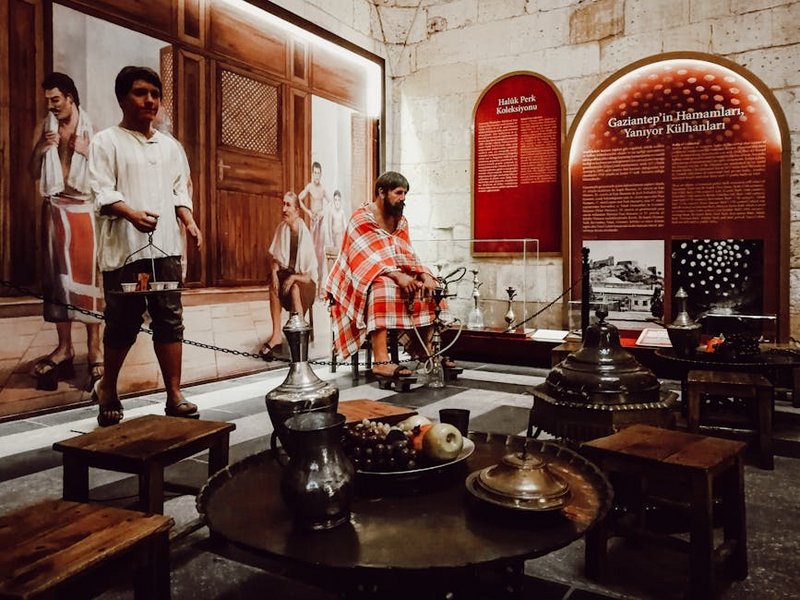
Venture to the Hamam Museum, a beautifully restored 16th-century Turkish bath that now illustrates the tradition of public bathing. Its displays of hamam tools, architecture, and social history are fascinating. It is far less crowded than the major museums and offers unique photo opportunities.
For an authentic local experience, visit the Tahmis Coffee House. Established in 1635, this historic venue serves menengiç coffee (made from wild pistachio) in a atmospheric setting. It is a favorite meeting spot for locals and a perfect place to observe daily life away from tourist trails.
Explore the Almacı Bazaar, less frequented by tourists than the Copper Bazaar but equally authentic. This is where locals shop for dried fruits, nuts, and spices. The prices are often better, and the experience feels more genuine, with vendors more likely to offer samples.
Culinary Exploration as an Activity
Treat food exploration as a primary activity, not just sustenance. Beyond eating, visit a baklava atelier to watch the delicate layers of pastry being prepared and baked. Many famous shops, like Güllüoğlu, have viewing windows into their production kitchens, which is a mesmerizing spectacle.
Similarly, seek out a beyran restaurant in the early morning. Beyran is a rich, spicy lamb and rice soup considered a breakfast dish here. Watching it being meticulously prepared in individual copper pots over coals is a ritual in itself. This is a deeply local tradition not to be missed.
Practical Travel Information
Navigating Gaziantep is straightforward with basic planning. The city center, where most historical and culinary sites are concentrated, is very compact. For attractions further afield, affordable taxis and a simple bus system are available. Ride-hailing apps like BiTaksi work reliably here.
Accommodation ranges from charming heritage houses converted into boutique hotels to modern international chains. Staying in or near the old city (Şehreküstü or Bey neighborhoods) places you within walking distance of almost everything. For a quieter stay, consider the modern hotels near Oğuzeli Airport or in the upscale Burç district.
| Accommodation Type | Best For & Features | Avg. Nightly Rate (USD) |
|---|---|---|
| Boutique Heritage Hotel | Atmosphere, central old town location, historical architecture | $60 – $120 |
| Modern Business Hotel | Amenities (pool, gym), proximity to shopping malls, reliable comfort | $80 – $150 |
| Local Guesthouse/Pansiyon | Budget travel, authentic local interaction, simple breakfast included | $25 – $50 |
| Luxury Hotel | Full service, spas, fine dining restaurants, concierge services | $150 – $300+ |