Ankara Travel Guide: Discover Turkey’s Capital Beyond the Obvious
Ankara presents a compelling narrative far beyond its administrative status, weaving ancient Hittite roots with a vibrant modern Turkish identity shaped by Atatürk’s vision. Your Ankara travel guide reveals a city of grand boulevards, world-class museums holding civilizations’ echoes, and university-driven energy simmering in historic neighborhoods like Hamamönü. This guide provides the essential roadmap for experiencing the capital’s profound historical layers, contemporary cultural pulse, and authentic Anatolian cuisine, ensuring you discover its unique character.
Essential Information About Turkey’s Capital
Ankara’s story is one of deliberate transformation. Founded as a Hittite settlement over 3,000 years ago, it gained prominence as a Roman and later Byzantine outpost. Its modern destiny was sealed in 1923 when Mustafa Kemal Atatürk chose it as the capital of the new Turkish Republic, strategically moving the political heart inland from Istanbul.
This decision catalyzed rapid development, creating the planned government quarter of Çankaya and the monumental Anıtkabir mausoleum. Today, the city’s population exceeds 5.6 million, making it Turkey’s second-largest. It functions as the nation’s administrative and diplomatic core, hosting all foreign embassies and key government institutions.
The climate is continental, meaning distinct seasons. Summers are hot and dry, while winters are cold and snowy, a stark contrast to coastal Turkey. Understanding this central Anatolian context is key to planning comfortable exploration of its sprawling urban landscape and open-air sites.
Key Facts at a Glance
Before diving deeper, here are the foundational details every traveler should note.
- Population & Language: Over 5.6 million residents; Turkish is the official language, with English common in tourist areas and hotels, but basic Turkish phrases are appreciated.
- Currency & Costs: Turkish Lira (TRY); Ankara is generally more affordable than Istanbul. Expect to pay $3-5 for a tea or coffee, $8-15 for a substantial lunch, and $40-80+ for hotel nights.
- Getting Oriented: The city is divided into districts; Ulus is the historic old town, Kızılay is the bustling commercial center, and Çankaya is the modern diplomatic and upscale residential area.
- Budget Traveler ($40-60/day): Stay in hostels or guesthouses in Ulus/Kızılay; eat at local ‘lokanta’ restaurants and street food (like döner); use public transport exclusively; focus on free sights like walking the citadel walls and visiting parks.
- Mid-Range Traveler ($80-150/day): Comfortable hotel in Kızılay or near Tunali Hilmi Street; dine at well-reviewed traditional and modern cafes; take occasional taxis for convenience; enjoy paid entries to all major museums and perhaps a guided tour of Anıtkabir.
- Luxury Traveler ($200+/day): Five-star hotel in Çankaya (e.g., Swissôtel, Sheraton); fine dining at upscale Turkish restaurants; private driver or guided day trips to nearby Gordion; exclusive cultural experiences like private museum viewings or culinary workshops.
- Republic of Turkey Ministry of Culture and Tourism
- Ankara Metropolitan Municipality Official Website
- Turkish Ministry of Culture – Museum Directory
Understanding Ankara’s Vibe and Layout
Ankara lacks the maritime frenzy of Istanbul, offering a more orderly, intellectual atmosphere. The spacious Atatürk Boulevard (Atatürk Bulvarı) runs north-south, connecting key districts. The city’s soul is split between the ancient Roman and Seljuk remnants in Ulus and the sleek modernity of Çankaya.
This duality defines the experience. You can examine Paleolithic artifacts at the Museum of Anatolian Civilizations in the morning and watch parliamentary debates from a public gallery in the afternoon. The large student population from universities like METU and Ankara University injects youthful energy into cafes and cultural venues, particularly in the Bahçelievler neighborhood.
Weather and Seasonal Considerations
Timing your visit is crucial for comfort. Spring (April-May) and autumn (September-October) are ideal, with mild temperatures between 50-70°F (10-21°C) and fewer crowds. Summer (June-August) can be hot, often exceeding 86°F (30°C), but it’s dry.
Winter (November-March) is cold, with averages of 32-41°F (0-5°C) and regular snowfall, which beautifully blankets Anıtkabir but requires warm clothing. Each season offers a different perspective, from vibrant fall foliage in Gençlik Park to the serene, crisp air of a winter visit to the citadel.
Alt: “ankara-citadel-hisar-fortress-panoramic-city-view”
Ankara Travel Guide – Planning Your Trip
Successful exploration of Turkey’s capital requires strategic planning centered on its geographic and climatic realities. Focus your accommodation based on your interests: history buffs should lean toward Ulus, while those preferring modern conveniences might choose Çankaya or near Kızılay. This Ankara travel guide emphasizes allocating at least three full days to appreciate the major museums, Atatürk’s legacy sites, and local neighborhoods without rush.
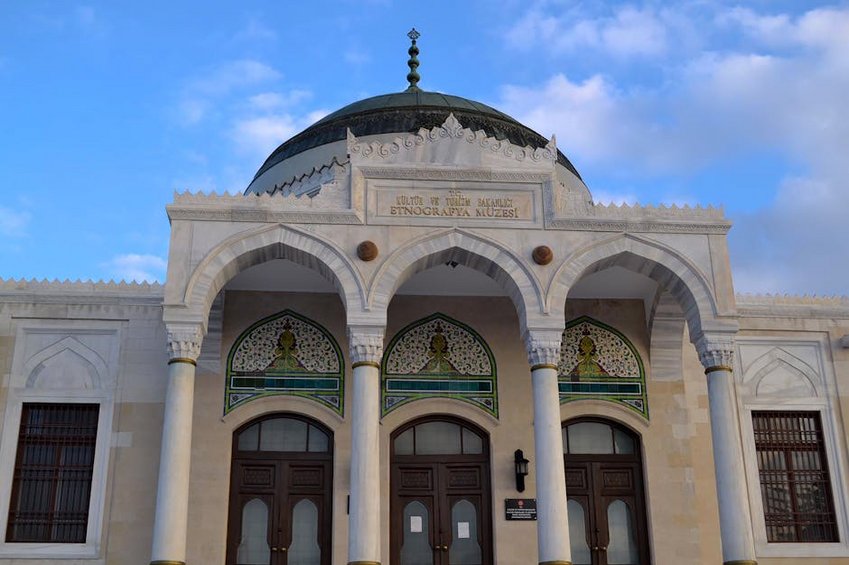
Utilize the efficient Ankara Metro (Ankaray and Metro lines) to traverse long distances between districts like Ulus and Kızılay. Purchase an AnkaraKart, a reloadable public transport card, for seamless bus and metro access. Always confirm museum opening days, as some major sites, like the Ethnography Museum, close on Mondays.
Budget consciously. While entrance fees are modest (often $3-6 per museum), costs add up. Dining in student areas like Kızılay offers excellent value. Pre-book online tickets for Anıtkabir to skip potential lines, especially during national holidays and weekends when domestic tourism peaks.
Best Time to Visit Ankara
The optimal months are April through May and September through October. During these periods, daytime temperatures range from a pleasant 60-75°F (15-24°C), perfect for walking between sites like the Roman Baths and the Temple of Augustus. Rainfall is moderate, and the tourist crowds are manageable compared to the summer and winter holiday seasons.
July and August see temperatures soar to 85-95°F (29-35°C), though humidity is low. This season is workable if you plan indoor museum visits for midday. December to February offers a stark, beautiful winter experience with possible snow, ideal for photography at the citadel, but some outdoor ruins may be less accessible or comfortable to explore.
Budget Planning and Costs
Ankara caters to various budgets effectively. Here’s a tiered breakdown for a per-day, per-person estimate excluding flights.
Essential Preparation Checklist
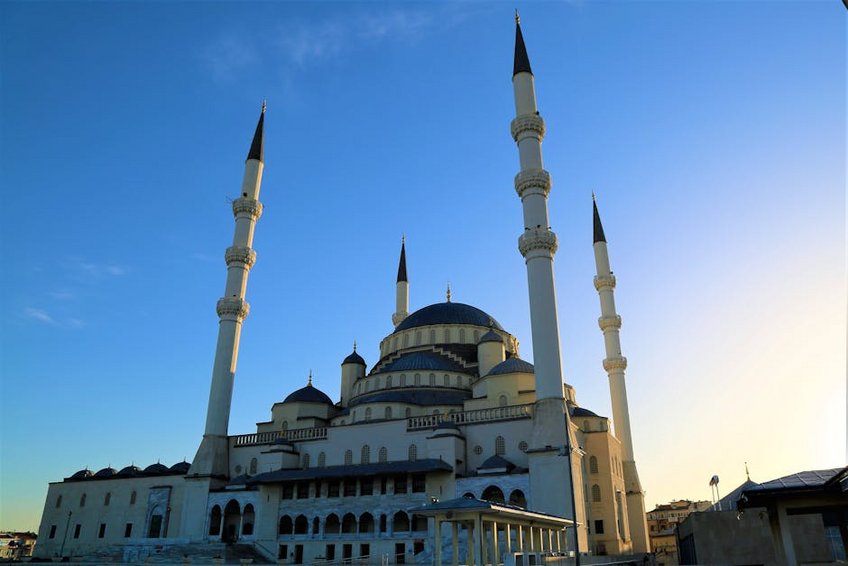
Pack layers regardless of season due to the continental climate’s variability. Include comfortable walking shoes for cobblestone streets in the old quarter, a scarf for visiting mosques (like Kocatepe), and a power adapter for Turkey’s Type F outlets (220V). Download offline maps and the local transportation app, EGO Cep, for real-time bus and metro schedules.
Ensure your passport has at least six months’ validity. Most Western nationals can obtain an e-Visa online before arrival. While not mandatory, travel insurance is recommended. Book your central accommodation at least a month in advance for peak seasons, and confirm if your hotel assists with arranging museum pass purchases or local guides.
Top Attractions and Historical Landmarks
Ankara’s allure lies in its unparalleled journey through time, from Bronze Age empires to a modern republic. The crown jewel is Anıtkabir, the immense mausoleum of Mustafa Kemal Atatürk, which is both an architectural marvel and a profound national symbol. A close second is the Museum of Anatolian Civilizations, housed in a 15th-century bedesten (covered market), which chronologically displays artifacts from Catalhöyük to the Phrygians.
Do not miss the Ankara Castle (Hisar) area in Ulus. The fortress walls provide breathtaking panoramic views of the entire city. Wandering the narrow alleyways within the citadel reveals restored Ottoman houses, now hosting cafes and souvenir shops, offering a tangible link to the city’s more recent past before its capital status.
For Roman history, visit the Temple of Augustus and Rome, which houses the Monumentum Ancyranum, a crucial inscription detailing Augustus’s achievements. Nearby, the Roman Baths complex, though in ruins, impressively conveys the scale of ancient Ancyra. These sites are compact and easily visited in a single morning.
Must-See Highlights
Prioritize these four essential sites to understand Ankara’s soul. Anıtkabir requires 2-3 hours to fully appreciate its ceremonial road, lion statues, museum detailing the War of Independence, and the solemn hall housing Atatürk’s tomb. Visit in the morning to avoid the heaviest crowds.
The Museum of Anatolian Civilizations is arguably one of the finest archaeological museums in the region. Allocate 2 hours to see the stunningly preserved Hittite reliefs, the unique Phrygian wooden furniture, and the intricate Urartian metalwork. Its location near the castle makes for a perfect combined itinerary.
Ankara Castle is best visited late afternoon for golden-hour photography over the city’s red-tiled roofs. Entrance is free, and you can explore the walls at your own pace. Finish with tea at one of the cliff-side cafes within the citadel walls for a memorable experience.
Hidden Gems and Local Favorites
Venture beyond the major sites to discover Ankara’s character. Hamamönü is a beautifully restored Ottoman-era neighborhood near the city center. Its colorful houses host craft shops, traditional restaurants serving “Ankara Tava,” and a peaceful atmosphere distinct from the bustling avenues.
For a green escape, visit Gençlik Parkı (Youth Park), a large public park with a lake, amusement park, and open-air theater. It’s a favorite among locals for strolls and picnics. The Cer Modern, housed in a renovated railway maintenance depot, is Ankara’s premier contemporary art museum, offering a sharp contrast to the historical collections elsewhere.
Experiencing Atatürk’s Legacy
Understanding modern Turkey is impossible without engaging with Atatürk’s legacy. Beyond Anıtkabir, visit the Republic Museum (Cumhuriyet Müzesi) in Ulus, which is housed in the parliament’s second building. It vividly narrates the early republican years through documents and photographs.
The Atatürk’s Residence and Museum (Kurtuluş Savaşı Müzesi) is where he planned critical stages of the independence war. It’s a more intimate setting than Anıtkabir, filled with personal effects and period furnishings. These sites provide crucial context for the reforms that shaped today’s Turkish state and society.
Practical Travel Information for Ankara
Navigating Ankara is straightforward with its grid-like central areas and integrated public transport. Esenboğa International Airport (ESB) is the main air gateway, located about 28 km (17 miles) northeast of the city center. The Havas shuttle bus provides a reliable and inexpensive ($3-4) connection to Ulus and Kızılay, while a taxi costs approximately $25-30.
Within the city, the Ankara Metro (two main lines: Ankaray and Metro) is efficient for traveling along the north-south axis. Buses fill in the gaps. The AnkaraKart, available at major metro stations, is essential for discounted fares on all public transport. For areas not well-served by transit, ride-hailing apps like BiTaksi are widely used and reliable.
| Accommodation Area | Best For & Atmosphere | Average Nightly Price (USD) |
|---|---|---|
| Ulus (Old City) | History buffs; steps from citadel & Roman sites; older hotels, authentic vibe. | $30 – $70 |
| Kızılay (City Center) | All travelers; central hub for metro/buses; vibrant with shops, restaurants, nightlife. | $50 – $120 |
| Çankaya (Upscale) | Luxury/ business; diplomatic area, modern hotels, fine dining, quieter. | $90 – $250+ |
| Bahçelievler | Local experience; university area, trendy cafes, budget to mid-range options. | $40 – $100 |