Izmir Travel Guide for the Authentic Aegean Experience
Izmir offers a vibrant, sun-drenched escape along Turkey’s Aegean coast, distinct from the more touristed regions. This city combines ancient history with a modern, progressive spirit, featuring a stunning waterfront promenade, fantastic cuisine, and fascinating archaeological sites just a short drive away. This guide provides the essential details and local insights for planning an immersive visit to Turkey’s third-largest city, from navigating the bustling bazaars to relaxing in seaside cafes.
Essential Izmir Information
Izmir, historically known as Smyrna, is a major port city on Turkey’s western shore with a population exceeding 4 million. Its history stretches back over 8,500 years, evidenced by the ancient Agora ruins nestled within its modern urban core. The city’s liberal atmosphere and large student population create a dynamic, welcoming environment for international visitors, unlike any other in Turkey.
The climate is classic Mediterranean, characterized by hot, dry summers and mild, wet winters. Summer temperatures frequently soar above 86°F (30°C), making the sea breezes along the Kordon waterfront essential. Winters are pleasant, with averages around 50°F (10°C) and occasional rain, offering a different perspective without the intense heat.
As the gateway to the broader Aegean region, the city serves as the perfect base for exploring Ephesus, Pergamon, and the nearby coastal towns of Cesme and Alacati. Its efficient transportation network, including an airport, metro, and ferry system, makes regional exploration straightforward and convenient.
City Layout and Key Districts
Understanding the main districts helps you navigate efficiently and choose the right place to stay.
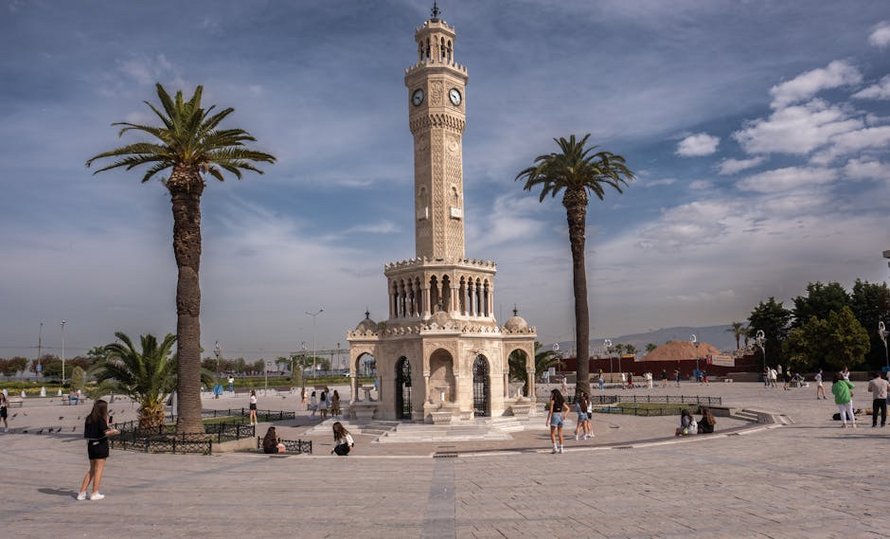
- Konak & Alsancak: The beating heart of the city. Konak is home to the iconic clock tower and Kemeralti Bazaar, while neighboring Alsancak offers chic cafes, bars, and restaurants along its pedestrian-friendly streets, perfect for evening strolls.
- Karsiyaka: Located across the bay on the north shore, this district provides a more local, residential feel with its own vibrant market, ferry connections, and stunning views back toward the Konak skyline, especially at sunset.
- Bornova & Buca: These inland districts house several university campuses, creating youthful, energetic neighborhoods with affordable dining and nightlife options, ideal for travelers seeking an authentic local vibe away from the main tourist track.
- Budget Traveler ($40-70/day): Stay in hostels or guesthouses in Bornova, use public transport exclusively, eat street food (balik ekmek, simit) and at local lokantas, and focus on free attractions like the Kordon and Kadifekale views. A dorm bed costs ~$15, and a filling meal at a casual eatery is $5-8.
- Mid-Range Traveler ($80-150/day): Comfortable hotels in Alsancak or Konak ($60-100/night), occasional taxis, mixed dining at mid-range restaurants and cafes, and paid entry to major sites like the Agora and Archaeology Museum. A guided day trip to Ephesus will be your main splurge.
- Luxury Traveler ($200+/day): Boutique hotels or upscale chain properties with sea views ($150+/night), private transfers or rental car, fine dining at seafood restaurants on the Kordon, and private guided tours for maximum insight and flexibility. Consider a stay at a thermal hotel in nearby Balcova.
- Izmir Provincial Directorate of Culture and Tourism
- Lonely Planet – Izmir Travel Guide
- GoTürkiye – Official Travel Portal
A Brief Historical Context
Izmir’s layered past is visible at every turn. Founded by the Greeks, it later became a vital part of the Roman and Byzantine empires before its incorporation into the Ottoman realm in the 15th century. A great fire in 1922, following the Turkish War of Independence, led to a large-scale rebuilding, which explains its relatively modern architectural landscape today.
This reconstruction shaped its open, grid-like street plan in the city center. Despite this modernity, historical gems like the Agora, the Kadifekale castle on Mount Pagos, and the ancient elevator building connect the present to a deep and storied past.
Local Culture and Vibe
The city exudes a distinctly cosmopolitan and laid-back atmosphere. You will notice a more relaxed dress code and social norms compared to other parts of Turkey. Locals are generally outgoing and helpful, especially in tourist areas where English is widely spoken in hotels and restaurants.
Cafe culture reigns supreme here. Spending hours over a Turkish coffee or tea while people-watching is a cherished local pastime. The city also proudly hosts the International Izmir Festival, a summer-long event featuring concerts and performances at ancient venues like the Ephesus theatre.
Alt: “izmir-kordon-waterfront-promenade-walking-path-at-sunset”
Izmir Travel Guide – Planning Your Trip
Effective planning transforms a good visit into a great one. Your Izmir itinerary should balance historical exploration, culinary discovery, and leisurely enjoyment of its unique coastal setting. Prioritize booking accommodations and key tours in advance during the peak summer months, from June through August, when the city is at its busiest.
Consider allocating at least three full days to experience the urban highlights comfortably. This allows time for a day trip to a major archaeological site like Ephesus, which is an essential component of any visit to this region. Budget-conscious travelers will find excellent value in the city’s efficient public transport and abundance of affordable, high-quality local eateries.
Remember that this is a walking city at its core. Comfortable shoes are non-negotiable for exploring the expansive Kemeralti Bazaar and the lengthy Kordon promenade. The key is to blend structured sightseeing with ample time for spontaneous discovery in its charming neighborhoods.
Best Time to Visit Izmir
The optimal period for visiting is during the shoulder seasons of late spring (April to early June) and early autumn (September to October). Daytime temperatures range from a pleasant 68°F to 82°F (20°C to 28°C), and the sea is warm enough for swimming. These months offer fewer crowds compared to the intense summer heat, making exploration more comfortable.
July and August see peak tourist numbers and temperatures often exceeding 95°F (35°C). While ideal for beach days in nearby Cesme, city touring can be exhausting. Winter (November to March) is mild but wet, with temperatures between 46°F and 59°F (8°C and 15°C); it’s perfect for museum visits and experiencing local life without tourists, though some seasonal tours may be limited.
Budget Planning and Costs
Costs can vary widely depending on your travel style. Here’s a tiered breakdown to help you plan.
Essential Preparation Checklist
Pack light, breathable clothing for summer, including a hat, sunglasses, and strong sunscreen. A light jacket or sweater is essential for cooler evenings, even in summer, and is crucial for winter visits. Comfortable walking shoes are your most important item, as you’ll be on your feet exploring markets and ancient streets.
Ensure your passport is valid for at least six months beyond your entry date. Most Western nationals can obtain an e-Visa online before travel. Arrange comprehensive travel insurance that covers medical emergencies. Download offline maps and the local bus app, ‘Izmirim Kart,’ to navigate the public transport system with ease.
Top Attractions and Cultural Sites
The city’s appeal lies in its blend of ancient ruins, vibrant markets, and scenic vistas. Start your exploration at the symbolic heart of the city, the Konak Square, dominated by the beautiful Ottoman-era clock tower. From there, lose yourself in the labyrinthine lanes of the adjacent Kemeralti Bazaar, a sprawling market where you can find everything from spices and textiles to antiques and jewelry.
For history enthusiasts, the Izmir Agora Open Air Museum provides a tangible connection to the Roman past. The well-preserved colonnades and arches stand in quiet contrast to the modern city surrounding it. Meanwhile, the Izmir Archaeology Museum and the Ethnography Museum house impressive collections of regional artifacts that provide deeper context to the area’s rich history.
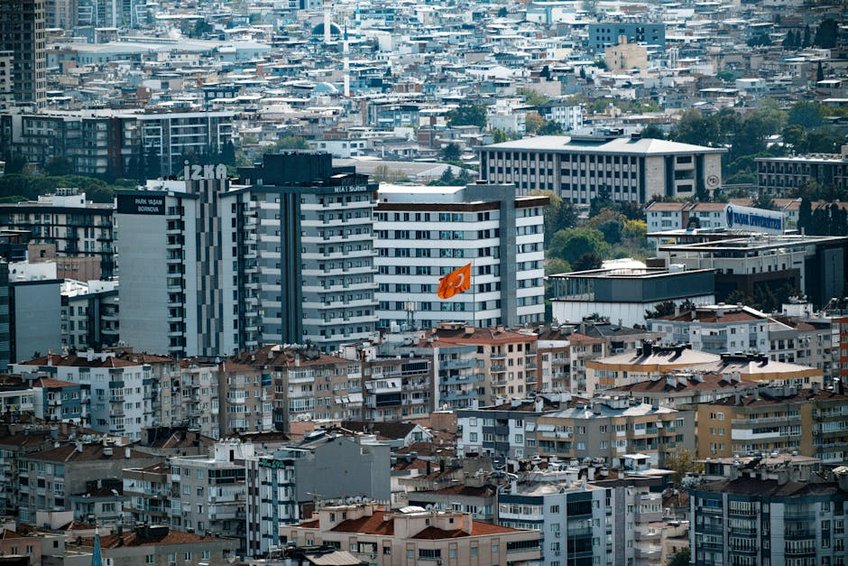
Don’t miss the ascent to Kadifekale, the “Velvet Castle,” perched on Mount Pagos. The castle walls themselves are impressive, but the panoramic view over the entire Gulf of Izmir is truly unforgettable, especially as the sun begins to set. It’s the perfect spot to grasp the city’s vast scale and beautiful setting.
Must-See Highlights
The Kemeralti Bazaar is not just a market; it’s a living, breathing historical district. Allocate at least two hours to wander its covered streets, visit the 16th-century Hisar Mosque, and sip traditional Turkish coffee at a historic coffee house. It’s best visited in the morning before the crowds peak.
The Kordon is the city’s elegant 3-mile-long seaside promenade. Lined with palm trees, cafes, and restaurants, it’s the social hub for joggers, cyclists, and families in the evening. Take a ferry from Konak to Karsiyaka for a cheap and scenic bay tour, offering magnificent views of the city skyline from the water.
The ancient Agora, once the commercial and political center of Roman Smyrna, features remarkably intact columns, arches, and a basilica. The onsite museum displays statues and reliefs excavated from the site. Visit early or late in the day to avoid the heat and enjoy the site in relative peace.
Hidden Gems and Local Favorites
Asansör, the historic elevator built in 1907, connects the lower streets of Karatas to the upper district. Ride to the top for a stunning view and enjoy a drink at the cafe. The surrounding streets are filled with beautifully restored late-Ottoman houses, making for a picturesque stroll away from the main tourist paths.
For a truly local experience, visit the Karsiyaka Market (Pazar). This bustling, less-touristy market offers fresh produce, local cheeses, olives, and household goods. It’s a fantastic place to observe daily life and practice your bargaining skills. Combine it with a visit to the Karsiyaka ferry terminal for that classic view.
The Kulturpark, a vast green space in the city center, hosts the annual Izmir International Fair. It contains a small zoo, an amusement park, an art museum, and numerous cafes. It’s a peaceful retreat from the urban bustle and a favorite weekend spot for Izmir’s residents.
Day Trips from the City
No visit is complete without a day trip to Ephesus, one of the best-preserved classical cities in the Mediterranean. Located about an hour’s drive south, you can wander its marble streets, see the magnificent Library of Celsus, and imagine the grandeur of the Great Theatre. Book a guided tour for historical context or use the efficient minibus (dolmus) system for a DIY adventure.
The chic seaside towns of Cesme and Alacati are less than 90 minutes west. Cesme is famous for its castle, thermal springs, and windsurfing conditions. Alacati enchants visitors with its cobblestone streets, stone houses, and sophisticated boutiques and restaurants. Both are ideal for a beach day or an overnight stay.
Practical Travel Information
Getting to and around Izmir is straightforward thanks to its well-developed infrastructure. Adnan Menderes Airport (ADB) is the main international gateway, located 18 km (11 miles) south of the city center. It offers direct flights from many European hubs and connections across Turkey. The airport metro line (IZBAN) provides a cheap and efficient connection directly to the city center and main train station.
Within the city, the integrated public transport system is excellent. The Izmirim Kart is a reloadable card used on metros, buses, ferries, and trams. Taxis are plentiful and relatively affordable, but ensure the meter is running. For maximum flexibility to explore the surrounding countryside and archaeological sites, consider renting a car from the airport or city center.
| Accommodation Type | Best Areas & Features | Average Nightly Price (USD) |
|---|---|---|
| Hostels & Guesthouses | Bornova (near universities), Basmane; basic amenities, social atmosphere | $15 – $35 |
| Mid-Range Hotels | Alsancak, Konak; modern rooms, often include breakfast, central location | $60 – $120 |
| Boutique & Luxury Hotels | Kordon waterfront, Cesme; sea views, spa facilities, premium service | $130 – $300+ |
| Vacation Rentals | Karsiyaka, Buca; full apartments, kitchen access, local neighborhood feel | $40 – $100 |