Alanya Travel Guide: Your Complete Mediterranean Resort Handbook
Planning a Turkish coastal getaway requires reliable information beyond basic hotel listings. This Alanya travel guide delivers precise details on navigating this expansive resort town, from its historic castle district to its famous Blue Flag beaches. You will find seasonal pricing for 2024, comparisons of eastern versus western beach zones, and clear advice on managing the summer heat for a comfortable visit. The following sections break down everything from cultural etiquette and authentic dining to efficient transportation and hidden coastal coves.
Essential Alanya Information
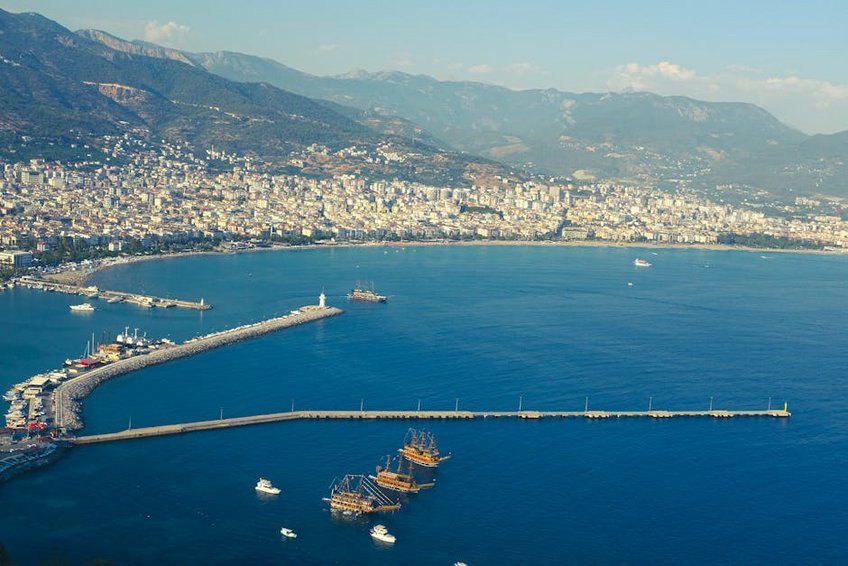
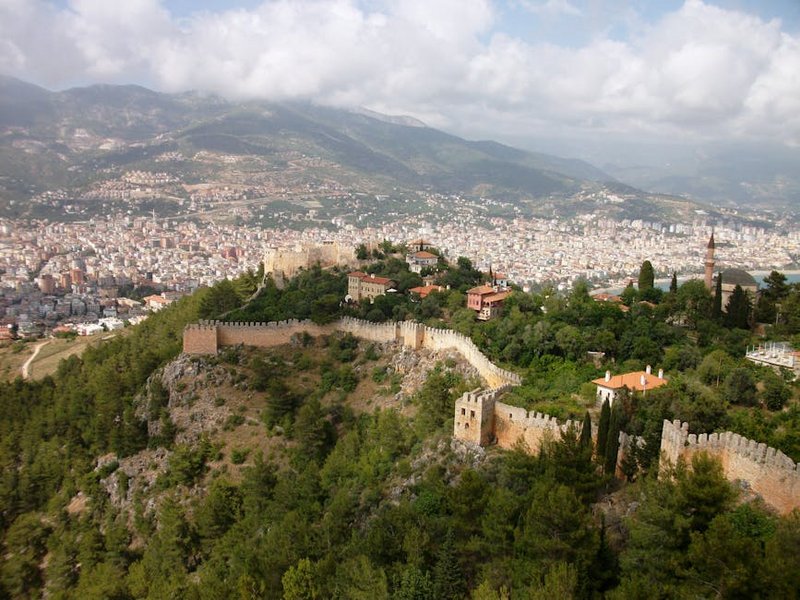
Alanya is a major resort district on Turkey’s southern Mediterranean coast, in Antalya Province. Unlike a compact old town, it sprawls along the coastline, offering distinct zones from the bustling harbor to quieter eastern beaches. The city’s history is dominated by the Seljuk-era Alanya Castle, a fortress complex crowning the rocky peninsula that defines its silhouette.
The local economy revolves around tourism, agriculture, and trade, creating a vibrant, service-oriented atmosphere. Summer sees a massive influx of international visitors, primarily from Europe and Russia, transforming the seafront promenades. Winter reverts to a calmer, local pace, with many seafront businesses closing for the season from November to March.
Key Geographical Features
Understanding Alanya’s layout is crucial for choosing the right accommodation and planning daily movement. The peninsula creates a natural division.
- The historic peninsula, topped by the castle and İçkale district, features steep, cobbled streets leading to the Red Tower and shipyard. This area offers spectacular views but requires walking uphill.
- Cleopatra Beach forms the central, most active tourist zone west of the peninsula, lined with hotels, bars, and eateries. This is the heart of the sun-and-sea tourism machine.
- Keykubat Beach and the eastern district offer a slightly longer, more spacious coastline with newer hotel complexes and a family-friendly atmosphere, often with calmer waters.
- Budget Traveler ($40-65/day): Stay in a guesthouse or hostel away from the beachfront, use local dolmuş buses, eat street food like gözleme and döner, and enjoy free public beaches. Entrance to Damlataş Cave costs about $2.
- Mid-Range Traveler ($80-150/day): This covers a 3-4 star hotel with breakfast, occasional taxi rides, daily restaurant meals, and paid activities like a pirate boat trip ($15-25) or visiting Alanya Castle ($5).
- Luxury Traveler ($200+/day): Enjoy 5-star all-inclusive resorts with private beach areas, private transfers, fine dining at upscale restaurants, and private yacht charters for the day (starting around $400).
- Republic of Turkey Ministry of Culture and Tourism – Alanya
- Alanya Municipality Official Website
Climate and Seasonal Character
Alanya enjoys a classic Mediterranean climate with hot, dry summers and mild, wetter winters. July and August are peak summer months, where daytime temperatures consistently hover between 90-100°F (32-38°C) with high humidity. The sea temperature becomes bath-like, perfect for extended swimming.
The shoulder seasons of May-June and September-October provide a more balanced experience. Expect pleasant highs of 75-85°F (24-29°C), comfortable for sightseeing and beach time without intense heat. Winters are mild, around 55-65°F (13-18°C), but rain is more frequent, and the tourist infrastructure significantly winds down.
Alt: “alanya-castle-peninsula-view-mediterranean-coastline”
Alanya Travel Guide – Planning Your Trip
Effective planning for this Turkish resort balances seasonality, budget, and personal travel style. Your Alanya travel guide must account for the stark difference between a packed July itinerary and a relaxed October visit. Summer demands advanced bookings for flights and hotels, while the shoulder season allows for more spontaneity and better value.
Budgeting clearly depends on the season. All-inclusive hotel rates can triple during August compared to May. Self-catering travelers will find supermarket costs stable, while dining out and activity prices peak with demand. Decide if your priority is non-stop beach action or a mix of culture and coast to pick your ideal travel window.
Best Time to Visit Alanya
The optimal tourist season runs from late April through October. For guaranteed beach weather and lively nightlife, target June to September. July and August deliver peak heat and crowds, with hotel occupancy exceeding 90%. Sea temperatures reach 82°F (28°C), ideal for swimming.
For the best combination of good weather, manageable prices, and fewer people, choose May or late September to mid-October. Daytime temperatures sit at a comfortable 77-86°F (25-30°C), and the sea remains warm enough for swimming. This period is perfect for exploring the castle and taking boat trips without summer’s intense midday sun.
Budget Planning and Costs
Daily costs vary dramatically. Here’s a breakdown for different travel styles.
Essential Preparation Checklist
Pack light, breathable clothing, a high-SPF sunscreen, a sun hat, and sturdy sandals for cobblestone streets. A reusable water bottle is essential for staying hydrated in the heat. Include a light sweater for cooler evenings and air-conditioned spaces.
Ensure your passport is valid for at least six months beyond your entry date. US and EU citizens receive a 90-day tourist visa via the official e-Visa website prior to travel. Secure comprehensive travel insurance that covers medical evacuation. Book popular July/August accommodations at least 3-4 months in advance.
Top Attractions and Activities
Alanya’s appeal extends beyond its sandy beaches. The Alanya Castle (Alanya Kalesi) is the undeniable historical highlight, a 13th-century Seljuk fortress sprawling across the peninsula. A visit involves exploring its walls, the inner fortress (İçkale), and the Byzantine-era church. The views across the Mediterranean are unparalleled.
For a unique historical site, visit the Alanya Tersanesi, the remarkably preserved Seljuk shipyard built in 1228. Nearby stands the iconic Red Tower (Kızılkule), an eight-sided defensive structure that now houses an ethnographic museum. These monuments offer a tangible connection to the region’s maritime past.
Must-See Highlights
Damlataş Cave, discovered in 1948, is famous for its stunning stalactites and stalagmites and its microclimate, which is believed to help with respiratory ailments. It’s cool inside, providing a refreshing break from the heat. Entry is inexpensive and it’s located right next to Cleopatra Beach.
Cleopatra Beach itself is the main draw, a long stretch of golden sand named for the Egyptian queen who allegedly swam here. It’s well-organized with sunbed rentals, water sports, and cafes. For a less crowded alternative, head east to Keykubat Beach, which offers similar amenities with more space.
A traditional pirate boat trip along the coast is a quintessential activity. These day cruises typically include lunch, swimming stops at secluded caves, and music. They depart from the main harbor and provide a fantastic perspective of the castle cliffs from the sea.
Hidden Gems and Local Favorites
Venture to Sapadere Canyon, located about 40 km from the city center. This natural attraction features a wooden walkway following a turquoise river stream, leading to a majestic waterfall. It’s significantly cooler than the coast and offers a wonderful escape into nature, popular on day tours.
For an authentic local experience, visit the Alanya Bazaar (Pazar) on Fridays. This is not the tourist-oriented market but a sprawling local market where residents buy fresh produce, spices, textiles, and household goods. It’s a vibrant scene full of colors, smells, and genuine local life.
Seek out Dim Çayı, a river restaurant area in the Dim Valley. Platforms built over the shallow, cold river provide unique dining spots where you can sit with your feet in the water while eating fresh trout. It’s a beloved weekend spot for Turkish families.
Adventure and Water Sports
The clear Mediterranean waters are ideal for diving, with several centers offering PADI courses and guided dives to see caves, reefs, and occasional wrecks. Jeep safari tours head into the nearby Taurus Mountains, visiting traditional villages and off-road trails.
For a bird’s-eye view, paragliding from the Taurus Mountains offers an unforgettable adrenaline rush and stunning aerial views of the coastline. Reliable operators provide tandem flights with certified pilots, making this accessible even for first-timers.
Practical Travel Information
Navigating Alanya is straightforward with a basic understanding of local transport. The city is served by Gazipaşa-Alanya Airport (GZP), about 40 minutes east, and the larger Antalya Airport (AYT), roughly 90 minutes west. Transfer options include pre-booked shuttles, taxis, and car rentals.
Accommodation ranges from massive all-inclusive resorts to small family-run pensions. The Cleopatra Beach strip is the epicenter of tourist activity, while the eastern zone near Keykubat Beach offers newer, often larger resort complexes. The historic peninsula has boutique hotels with character but involves hills.
| Accommodation Type | Best For & Features | Avg. Nightly Price (USD) |
|---|---|---|
| All-Inclusive Resort | Families & hassle-free stays; multiple pools, buffet meals, evening entertainment | $120 – $300+ |
| Boutique Hotel | Couples & culture; often in historic buildings, personalized service, unique design | $70 – $150 |
| Self-Catering Apartment | Budget travelers & longer stays; kitchenette, more local neighborhood feel | $40 – $90 |
| Hostel / Guesthouse | Solo travelers & backpackers; social atmosphere, basic facilities, lowest cost | $15 – $35 |