Bodrum Travel Guide
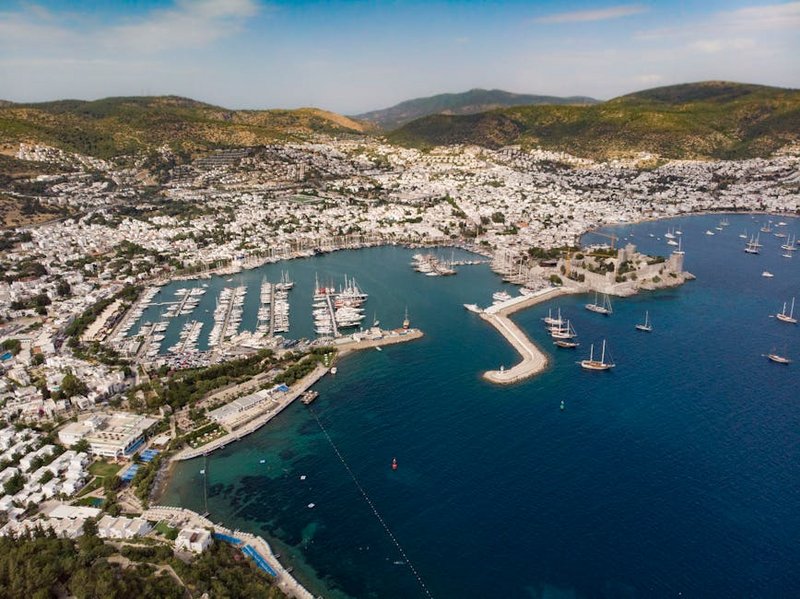
Bodrum is the crown jewel of Turkey’s Aegean coast, blending ancient history with modern luxury. This vibrant town offers stunning turquoise coves, a bustling marina filled with yachts, and the iconic silhouette of its Crusader-era castle. This Bodrum travel guide provides practical advice for navigating its white-washed streets, enjoying its world-class seafood, and discovering hidden villages across the peninsula.
Essential Bodrum Information
Bodrum sits on the southwest coast of Turkey, facing the Greek island of Kos. Its history stretches back millennia, originally known as the ancient city of Halicarnassus. Today, it’s the heart of the Turkish Riviera, famous for its dynamic nightlife, upscale resorts, and serene natural beauty.
The climate is quintessential Mediterranean, characterized by long, hot summers and mild, wet winters. July and August see average highs of 95°F (35°C), perfect for beach-going. Winters are cool, with January temperatures averaging 50°F (10°C), offering a peaceful off-season escape.
Historical Context and Significance
Understanding Bodrum’s past enriches any visit to this coastal town.
- The Mausoleum at Halicarnassus, one of the Seven Wonders of the Ancient World, once stood here, though only foundations remain today.
- Bodrum Castle (Castle of St. Peter) was built by the Knights of St. John in the 15th century and now houses the Museum of Underwater Archaeology.
- The region transformed from a quiet fishing and sponge-diving village into a major tourism hub starting in the late 20th century.
- Budget travelers can manage on $50-70 USD per day by staying in hostels or guesthouses, eating street food like gözleme, and using local dolmuş (shared minibuses) for transport. Entrance to public beaches is free.
- Mid-range visitors spending $120-200 USD daily can enjoy comfortable boutique hotels, daily boat trips, nice restaurant meals, and rental car for a few days. This budget allows for a well-rounded experience.
- Luxury trips easily exceed $400+ USD per day, covering five-star resorts, private yacht charters, dining at upscale marina restaurants, and VIP access to renowned beach clubs like Mandarin Oriental’s.
- Republic of Turkey Ministry of Culture and Tourism
- Lonely Planet Bodrum Guide
Key Geographical Features
Bodrum is not just a single town but a large peninsula with distinct areas. The main town center wraps around two bays, offering marinas, shopping, and dining. The peninsula’s coastline is dotted with dozens of sheltered coves, known as “bük,” each with its own character. Inland, you’ll find pine-covered hills, olive groves, and traditional villages like Türkbükü and Yalıkavak.
Visa and Entry Requirements
Most visitors, including US, UK, and EU passport holders, need an e-Visa for Turkey. You can apply online before travel for a fee, typically granting a 90-day stay within a 180-day period. Always check the official Republic of Turkey e-Visa website for the most current requirements and fees based on your nationality.
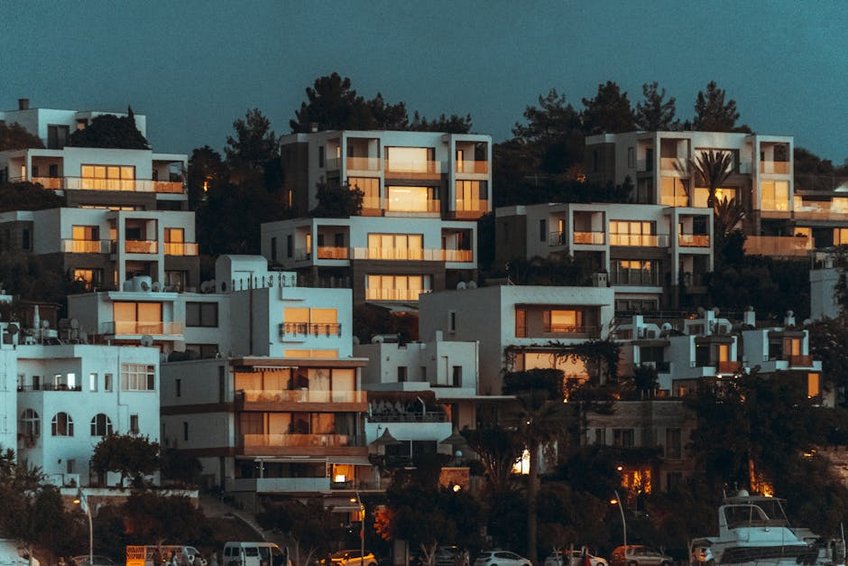
Alt: “bodrum-castle-harbor-view-aerial-aegean-sea”
Bodrum Travel Guide – Planning Your Trip
Effective planning maximizes your time on this beautiful peninsula. Your experience will vary greatly depending on the season you visit and the type of holiday you seek. This section covers the crucial timing, budgeting, and preparation steps for a seamless visit.
Consider your priorities: history, nightlife, luxury relaxation, or active sailing. The town center is ideal for first-timers wanting walkable access to sites and a vibrant atmosphere. Those seeking upscale tranquility should look at the peninsula’s northern coast, known for its boutique hotels and chic beach clubs.
Best Time to Visit Bodrum
The peak season runs from June to August, featuring hot, dry weather perfect for swimming and sailing, with temperatures between 86-95°F (30-35°C). This period is bustling and prices are at their highest; book flights and hotels at least four months in advance. Nightlife is in full swing, and all attractions and restaurants are open.
The shoulder months of May, September, and October offer the ideal balance. You’ll enjoy warm, pleasant weather (70-82°F or 21-28°C), fewer crowds, and lower prices. The sea remains warm enough for swimming well into October. Late April and early November can be lovely for hiking and cultural visits, though some seasonal businesses may close.
Budget Planning and Costs
Costs in Bodrum range from backpacker-friendly to ultra-luxurious. Your biggest expenses will be flights and accommodation, especially in summer.
Essential Preparation Checklist
Pack light, breathable clothing, a hat, high-SPF sunscreen, and sturdy sandals for cobblestone streets. A power adapter for Type F sockets (220V) is necessary, and a reusable water bottle is useful. Swimwear and a cover-up are essential for beach clubs and boat trips.
Secure travel insurance that covers medical evacuation and water activities if you plan to sail. Download offline maps and the BiTaksi or Uber app for local transport. Have some Turkish Lira in cash for markets and smaller establishments, although cards are widely accepted in most places.
Top Attractions and Activities
Beyond its famous beaches, the peninsula is rich with cultural sites and natural wonders. Start your exploration in Bodrum town to soak in the history and harbor ambiance. Then, venture outward to discover the quieter, more authentic sides of the region, from windsurfing bays to ancient theaters.
Allocate at least one full day for the castle and museum, and another for a boat trip around the coast. Renting a car for a day or two is highly recommended to explore the peninsula’s diverse villages and hidden beaches at your own pace.
Must-See Historical Highlights
Bodrum Castle and its Museum of Underwater Archaeology is the absolute must-visit. Allow 2-3 hours to explore its towers, courtyards, and fascinating exhibits of ancient shipwrecks. Tickets cost about $8 USD. Visit early in the morning to avoid both crowds and the midday heat.
The ancient Theatre of Halicarnassus, dating back to the 4th century BC, offers panoramic views over the town and harbor. Entrance is minimal (around $2 USD). The nearby remnants of the Mausoleum, while sparse, provide historical context. Combine these two sites in a single morning for an efficient historical tour.
Hidden Gems and Local Favorites
Head to the quiet village of Gümüşlük, home to ancient ruins partially submerged in the sea. This fishing village boasts fantastic waterfront restaurants serving fresh seafood. It’s especially magical at sunset. The area is protected, so it retains a tranquil, authentic vibe unlike the busier resort towns.
For a local beach experience, visit Kargı Bay (Kargı Koyu) on the south coast. It’s a beautiful, pine-fringed cove with clear water, a couple of simple restaurants, and a more relaxed atmosphere. You’ll need your own transport or a taxi to reach it, which helps keep the crowds thinner.
Sailing and Boat Trip Adventures
A day trip on a traditional wooden gulet is a quintessential Bodrum activity. Group tours visit several nearby bays for swimming and include lunch; prices start around $35-50 USD per person. For a more exclusive experience, consider a private charter to customize your itinerary, visiting spots like Karaada Island with its hot springs.
The “Bodrum Peninsula Tour” by car or scooter is another great adventure. Loop around from Bodrum town through Gümbet, Bitez, Ortakent, Yalıkavak, Gündoğan, Türkbükü, and Gümüşlük. Each village offers a different character, from windsurfing hubs to ultra-luxurious marina developments.
Practical Travel Information
Navigating Bodrum is straightforward with a mix of transport options. Milas-Bodrum Airport (BJV) is the main international gateway, located about 36 km (22 miles) northeast of the town center. Direct transfers via taxi, pre-booked shuttle, or rental car are the most convenient ways to reach your final destination.
Accommodation spans from basic pensions in the backstreets of the old town to some of the most luxurious resorts in the Mediterranean. The key is choosing a location that matches your itinerary. Staying near the marina puts you in the heart of the action, while a resort on a remote cove offers seclusion.
| Accommodation Type | Best For & Features | Average Nightly Price (USD) |
|---|---|---|
| Hostel / Guesthouse | Solo travelers & backpackers; central location, basic amenities, social atmosphere | $15 – $40 |
| Boutique Hotel | Couples & mid-range travelers; unique design, personalized service, often in old town | $80 – $180 |
| All-Inclusive Resort | Families & convenience-seekers; multiple pools, kids’ clubs, meals & drinks included | $200 – $400 |
| Luxury Villa / 5-Star Hotel | Special occasions & luxury; private pools, marina views, spa services, gourmet dining | $400+ |