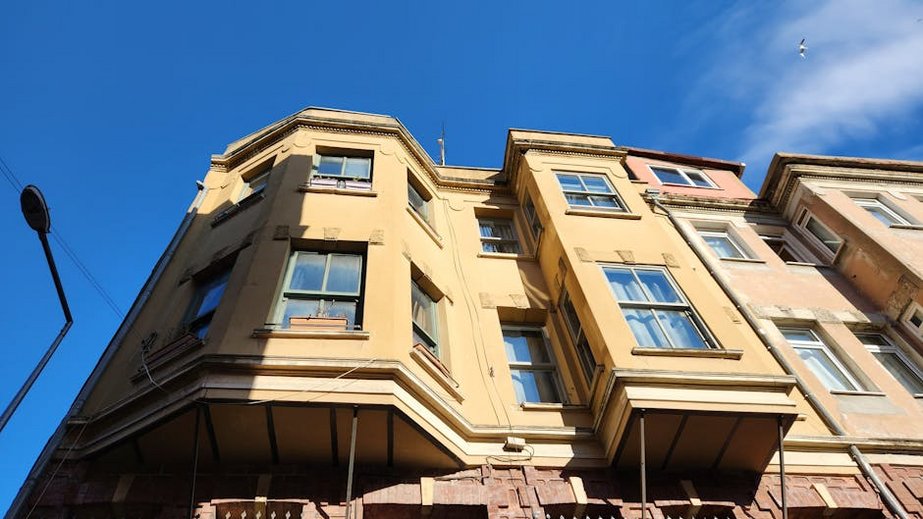
Istanbul Travel Guide: Navigating Two Continents
This Istanbul travel guide provides the essential framework for exploring a city that straddles Europe and Asia across the Bosphorus Strait. You will navigate ancient Roman ruins, towering Ottoman mosques, and vibrant modern districts, all layered with over two millennia of history. We cover practical planning, must-see sights, local cuisine, and logistical tips to help you craft a seamless visit.
Essential Istanbul Information
Istanbul’s identity is defined by its unique geography and deep history. Formerly known as Byzantium and Constantinople, it served as the capital for the Roman, Byzantine, Latin, and Ottoman Empires. This legacy is visible everywhere, from the subterranean Basilica Cistern to the imposing city walls.
The city is divided administratively into 39 districts, but visitors focus on a few key areas. The historic Sultanahmet district houses the iconic monuments. Beyoğlu, across the Golden Horn, offers modern art and nightlife. The Asian side, like Kadıköy, provides an authentic local vibe away from the main tourist trails.
Key Facts at a Glance
Understanding these basics will help you orient yourself upon arrival.
- Country & Currency: Turkey uses the Turkish Lira (TRY). While euros and dollars are sometimes accepted, paying in local currency offers better rates. ATMs are widely available.
- Language: The official language is Turkish. In Sultanahmet and Beyoğlu, English is commonly spoken in hotels, restaurants, and shops. Learning a few Turkish phrases is appreciated.
- Time Zone: Istanbul is on Turkey Time (TRT), which is GMT+3 year-round. It is usually 7 hours ahead of New York (EST) and 2 hours ahead of London (GMT).
- Budget Traveler ($50-75/day): Stay in hostels or budget hotels in areas like Sirkeci. Eat street food (simit, kebabs) and at local lokantas. Use public transit exclusively (the Istanbulkart is essential). Visit free attractions like mosques and wander markets.
- Mid-Range Traveler ($100-200/day): Stay in boutique hotels in Beyoğlu or Sultanahmet. Enjoy sit-down meals at quality restaurants and a few guided tours. Take occasional taxis or private transfers. Purchase entrance tickets to major museums and palaces.
- Luxury Traveler ($300+/day): Stay at five-star hotels with Bosphorus views. Dine at upscale restaurants and hire private guides for in-depth historical tours. Enjoy VIP Bosphorus cruises and spa treatments at traditional hammams.
- Istanbul Metropolitan Municipality Official Portal
- Lonely Planet Istanbul Guide
Visa and Entry Requirements
Most travelers require an e-Visa for Turkey. Citizens of the United States, Canada, Australia, and many European nations can apply online before travel. The process is straightforward, taking about 10 minutes, and approvals are often instant.
The standard tourist e-Visa costs approximately $50 USD and allows for stays up to 90 days within a 180-day period. Always ensure your passport is valid for at least six months beyond your entry date. This rule is strictly enforced by immigration officials.
Understanding the Layered History
Istanbul’s timeline is a complex tapestry of empires. The Byzantine era left the Hagia Sophia and massive cisterns. The Ottoman conquest in 1453 transformed the skyline with mosques and palaces like Topkapi.
Each district tells a different chapter. Walking from the Roman-era Hippodrome to the Ottoman Spice Bazaar covers centuries in minutes. This constant juxtaposition defines the city’s unique character and makes every corner worth exploring.

Alt: “istanbul-skyline-bosphorus-bridge-mosques-sunset”
Istanbul Travel Guide – Planning Your Trip
Effective planning balances iconic sights with local neighborhoods. Your itinerary should account for significant walking distances and occasional traffic. Allocate time for both structured tours and leisurely exploration of markets and cafes.
The best approach divides your days geographically. Dedicate one full day to Sultanahmet’s historical core. Spend another day exploring Beyoğlu, İstiklal Street, and a Bosphorus cruise. A third day is perfect for crossing to the Asian side or visiting the Grand Bazaar and Spice Bazaar complex.
Budget accordingly for entrance fees, which can add up. Consider the Istanbul Museum Pass if visiting multiple major sites. It offers skip-the-line access and covers places like Topkapi Palace Harem and Hagia Irene.
Best Time to Visit Istanbul
The ideal months are April-May and September-October. During these shoulder seasons, daytime temperatures range from a pleasant 60-75°F (15-24°C). Crowds are manageable, and hotel rates are more reasonable compared to the peak summer.
Summer (June-August) can be hot and crowded, with highs often exceeding 85°F (29°C). Winter (November-March) is chilly and rainy, with temperatures between 40-50°F (4-10°C), but you will find the fewest tourists and lower prices. Major museums remain open year-round.
Budget Planning and Costs
Daily costs vary widely based on your travel style. Here’s a realistic breakdown for different budgets.
Essential Preparation Checklist
Pack comfortable, sturdy walking shoes as cobblestone streets are prevalent. Dress modestly for mosque visits; women should carry a scarf. Bring a universal power adapter (Turkey uses Type F outlets, 220V) and a portable power bank for long days of navigation and photography.
Secure comprehensive travel insurance that covers medical emergencies. Download offline maps and the BiTaksi or Uber app for reliable taxi hailing. Notify your bank of international travel to ensure your credit/debit cards work at local ATMs without issue.
Top Attractions and Cultural Sites
Istanbul’s monuments are monumental in scale and significance. Prioritize the UNESCO-listed areas in Sultanahmet, but also venture beyond to appreciate the city’s full scope. Booking tickets online in advance for major sites like Topkapi Palace can save hours in line.
Beyond the postcard icons, seek out quieter marvels. The Chora Church (Kariye Mosque) features breathtaking Byzantine mosaics. The Süleymaniye Mosque complex offers panoramic views and a serene atmosphere. The Princes’ Islands provide a car-free escape just a ferry ride away.
Must-See Historical Highlights
The Hagia Sophia is an architectural marvel that has been a church, mosque, and museum. Its massive dome and intricate mosaics are awe-inspiring. Visit early in the morning to avoid the largest crowds. Admission is approximately $25 USD.
Topkapi Palace was the administrative heart of the Ottoman Empire for centuries. Allocate at least 3-4 hours to explore its courtyards, harem, and treasury housing the Spoonmaker’s Diamond. The palace and harem require separate tickets, totaling around $30 USD.
The Blue Mosque (Sultan Ahmed Mosque) is famed for its blue Iznik tile interior and six minarets. Remember it is a functioning place of worship; check prayer times before visiting as it closes to tourists during daily prayers. Entry is free.
Hidden Gems and Local Favorites
For a truly local experience, visit the Kadıköy Market on the Asian side. It’s a sprawling, authentic food market where Istanbulites shop. Sample Turkish cheeses, olives, and pastries. The nearby Moda neighborhood has a lovely seaside promenade perfect for a sunset walk.
The Basilica Cistern is well-known, but the less-visited Theodosius Cistern offers a more intimate experience with its beautifully preserved columns and meditative atmosphere. It’s located in the bustling Fatih district, providing a quiet underground respite.
Bosphorus and Waterfront Exploration
A journey on the Bosphorus is essential. The official public ferry (Şehir Hatları) from Eminönü to Anadolu Kavağı offers the best value at just a few dollars. The full round trip takes about 6 hours, including time to explore the fishing village at the northern terminus.
Alternatively, shorter ferry hops between neighborhoods like Beşiktaş, Üsküdar, and Karaköy provide spectacular views of the waterfront palaces and mosques for a minimal fare. This is both practical transport and a sightseeing activity combined.
Practical Travel Information
Navigating Istanbul is an adventure in itself. The city has invested heavily in public transport, making it the most efficient way to get around. Traffic congestion is severe, especially during rush hours, so surface transport like buses and taxis can be slow.
Accommodation options range from historic mansions to modern high-rises. Location is paramount—staying near a major tram or metro line saves immense time. Consider the noise level of your neighborhood; areas near major mosques will hear the call to prayer five times daily.
| Accommodation Type | Best For & Features | Average Nightly Rate (USD) |
|---|---|---|
| Hostel / Budget Hotel | Solo travelers & backpackers; basic amenities, social atmosphere, central locations in Sultanahmet or Taksim. | $20 – $50 |
| Boutique Hotel | Couples & culture lovers; often in restored historic buildings, unique decor, personalized service in Beyoğlu or Cihangir. | $80 – $180 |
| Luxury Hotel | Splurge & panoramic views; world-class spas, rooftop bars with Bosphorus views, located in Beşiktaş or Nişantaşı. | $250 – $600+ |
| Apartment Rental | Families & longer stays; kitchen facilities, more space, residential feel in neighborhoods like Kadıköy or Moda. | $60 – $150 |