Sofia Travel Guide: Exploring Bulgaria’s Historic Capital
Sofia, Bulgaria’s dynamic capital, serves as a captivating bridge between East and West, built upon layers of ancient Thracian, Roman, and Ottoman history. Your journey here reveals golden-domed churches, Soviet-era monuments, and vibrant modern cafes, all set against the stunning backdrop of Mount Vitosha. This Sofia Travel Guide provides everything you need to know, from navigating ancient Roman ruins to enjoying contemporary Balkan cuisine on a budget-friendly trip.
Essential Information About Sofia
Sofia’s history spans over 7,000 years, making it one of Europe’s oldest continuously inhabited cities. The city’s strategic location has attracted Thracians, Romans, Byzantines, Ottomans, and finally, the modern Bulgarian state. You’ll find this rich tapestry woven into the very streets, where a metro station might house Roman ruins and a mosque stands beside an Orthodox cathedral.
Today, the Bulgarian capital is a bustling European Union member city of 1.3 million people. It’s remarkably walkable, with most major attractions concentrated in the compact city center. The official language is Bulgarian, which uses the Cyrillic alphabet, but English is widely spoken in tourist areas, hotels, and restaurants. The local currency is the Bulgarian Lev (BGN), which is pegged to the Euro.
Key Facts at a Glance
Before you visit, here are some crucial details to help you plan.
- Language: Bulgarian. Key phrases include “Zdravey” (Hello), “Molya” (Please), and “Blagodarya” (Thank you). English is common in tourism.
- Currency: Bulgarian Lev (BGN). 1 BGN ≈ $0.55 USD. Euros are sometimes accepted, but it’s best to use local currency.
- Visa: U.S., Canadian, U.K., and EU passport holders can visit visa-free for up to 90 days within a 180-day period.
- Best Airport: Sofia Airport (SOF) is the main international hub, located just 10 km (6 miles) east of the city center.
- Budget Traveler ($40-55 USD): Stay in a hostel dorm ($12-18), use public transport ($3), eat at bakeries and markets ($12), visit free attractions like churches, and enjoy one paid museum entry ($5). This budget allows for a fulfilling but basic experience.
- Mid-Range Traveler ($80-120 USD): A private room in a 3-star hotel or Airbnb ($35-50), taxis or a rental car for day trips ($15), sit-down meals at traditional taverns called “mehana” ($25), several paid museum entries and a guided walking tour ($25). This offers comfort and deeper cultural immersion.
- Luxury Traveler ($180+ USD): A 4 or 5-star hotel in the city center ($80+), private guided tours and transfers ($60), fine dining at upscale restaurants ($40), spa treatments, and shopping. This tier provides a seamless, high-service experience.
- Official Sofia Tourist Portal
- Wikitravel Sofia Guide
Climate and Weather Patterns
Sofia experiences a continental climate with four distinct seasons. Summers are warm and dry, with July and August averages around 75°F (24°C), though temperatures can occasionally reach 95°F (35°C). Winters are cold and snowy, with January temperatures averaging 32°F (0°C), perfect for nearby skiing on Mount Vitosha.
Spring (April-May) and autumn (September-October) offer the most pleasant weather for exploring, with mild temperatures and fewer crowds. Rainfall is fairly evenly distributed throughout the year, so carrying a light rain jacket is always a smart idea. The mountain backdrop can create quick weather changes.
A City of Cultural Layers
The city’s architecture tells its complex story. You’ll see Byzantine churches like the 4th-century St. George Rotunda sitting in the courtyard of a modern hotel. Meanwhile, the grand Alexander Nevsky Cathedral, built in the early 20th century, symbolizes Bulgarian liberation from Ottoman rule. This unique blend creates a fascinating urban landscape for history buffs and casual explorers alike.
Alt: “sofia-city-center-alexander-nevsky-cathedral-golden-domes”
Planning Your Sofia Travel Guide Itinerary
Creating an effective itinerary for the Bulgarian capital requires balancing historical sites with local experiences. Most major landmarks are within a 20-minute walk of each other in the city center, making a two to three-day stay ideal for first-time visitors. You can comfortably see the top sights, enjoy the cafe culture, and even take a half-day trip to Mount Vitosha.
Budget travelers will find Sofia exceptionally affordable compared to Western European capitals. Your daily costs for budget travel can be as low as $40-50 USD per person, covering hostel stays, supermarket meals, and public transport. Mid-range visitors spending $80-120 USD daily will enjoy comfortable hotels, restaurant dining, and guided tours. Remember to allocate funds for visiting museums and trying traditional Bulgarian wine.
Best Time to Visit Sofia
For optimal sightseeing weather, visit between May and June or September and early October. These months offer daily highs of 65-75°F (18-24°C), minimal rainfall, and comfortable conditions for walking. The summer crowds are thinner during these shoulder seasons, and hotel prices are more reasonable than the peak July-August period.
Winter (December-February) attracts visitors for Christmas markets and nearby skiing, with city temperatures often hovering around freezing. While you’ll experience a festive atmosphere and see landmarks dusted with snow, some smaller museums may have reduced hours. Spring brings blooming flowers in the city’s many parks, but can be unpredictable with occasional rain showers.
Budget Planning and Costs
Here is a breakdown of what you can expect to spend per day in different travel styles.
Essential Preparation Checklist
Prepare for your trip with these key items and tasks. Pack comfortable walking shoes, as cobblestone streets are common, and layers for variable weather. Include a universal power adapter (Bulgaria uses Type C/F plugs, 230V), a reusable water bottle, and a scarf for covering shoulders when entering Orthodox churches.
Ensure your passport is valid for at least three months beyond your departure date. Book central accommodations at least one month in advance for summer visits. Consider purchasing a local SIM card for data upon arrival at the airport, as free public Wi-Fi is widespread but not always secure. Familiarize yourself with a few Cyrillic letters to help with basic navigation.
Top Attractions and Must-See Sights
The heart of Sofia’s appeal lies in its diverse and accessible landmarks. You can literally stand in one spot and see monuments from four different historical periods. Start your exploration at the Archaeological Museum, housed in a former Ottoman mosque, to gain context before hitting the streets. The city’s efficient metro system can whisk you between more distant points, but the core is best explored on foot.
Many of the most significant sites are free to enter or request a small donation. The famous “square of tolerance,” where a church, a mosque, and a synagogue stand within meters of each other, perfectly encapsulates the city’s eclectic spirit. Give yourself time to simply wander side streets and discover charming cafes, artisan shops, and unexpected pieces of public art.
Must-See Historical Highlights
The Alexander Nevsky Cathedral is an undeniable icon. This grand Orthodox church, completed in 1912, can hold 10,000 people and features dazzling gold domes and a richly decorated interior. Just a few steps away, you’ll find the older St. Sophia Church, from which the city takes its name. Its underground museum and peaceful courtyard offer a quiet retreat.
Don’t miss the ancient Serdica complex, visible inside the Serdika metro station. These excavated Roman ruins include streets, buildings, and early Christian basilicas. Above ground, the 4th-century St. George Rotunda, Sofia’s oldest building, features medieval frescoes. Finally, explore the National Palace of Culture (NDK) park for views of the city’s socialist-era architecture and a relaxing green space.
Hidden Gems and Local Favorites
Venture beyond the main plaza to discover the city’s character. The Ladies’ Market (Zhenski Pazar) is a bustling, authentic local market where you can buy everything from fresh produce to traditional pottery. For a unique artistic experience, visit the Museum of Socialist Art, located slightly outside the center, which displays statues and propaganda from Bulgaria’s communist period.
Book lovers should seek out the small but charming Book Market, with stalls selling antique maps and vintage books. For a panoramic view, take the Simeonovo gondola lift up Mount Vitosha. In the warmer months, join locals for an evening stroll along Vitosha Boulevard, the city’s main pedestrian shopping street, which offers a direct view of the mountain.
Museums and Cultural Institutions
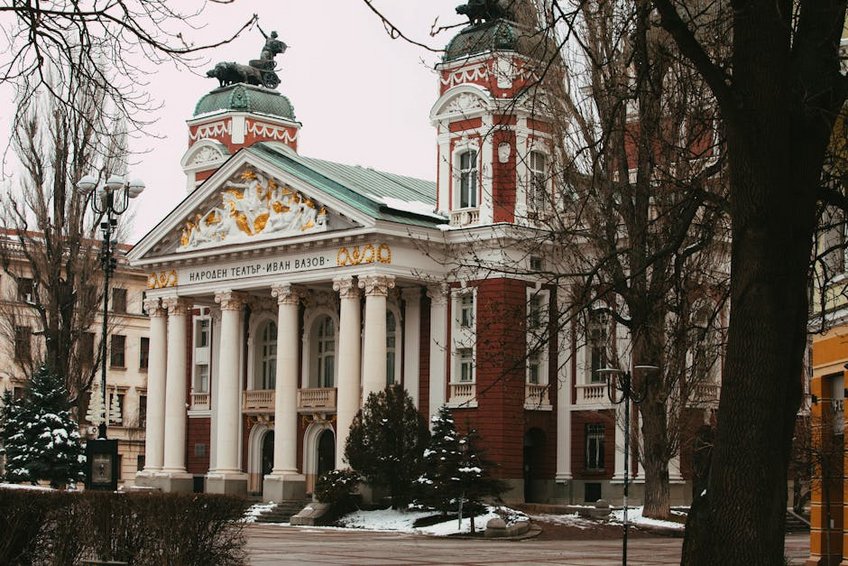
The National Archaeological Museum offers a superb collection of Thracian gold and Roman mosaics in a historic former mosque. The National History Museum, located in the Boyana district, houses an incredible array of artifacts, though its distance from the center requires a bus or taxi. For a more focused visit, the Ivan Vazov National Theatre is both a performance venue and an architectural masterpiece worth photographing.
Art enthusiasts should visit the National Art Gallery, housed in the former royal palace on Battenberg Square. It showcases Bulgarian art from the Middle Ages to the mid-20th century. A combined ticket often provides access to the adjacent Ethnographic Museum. The small but poignant Sofia Synagogue and the Banya Bashi Mosque also offer glimpses into the city’s diverse religious heritage.
Practical Travel Information
Getting around Sofia is straightforward thanks to its compact center and affordable public transport system. The metro has two main lines that intersect at Serdika station, covering key areas from the airport to the city center and the National Palace of Culture. Trams and buses fill in the gaps, reaching neighborhoods not serviced by the underground. All forms of transport operate on the same integrated ticketing system.
Accommodation options are plentiful and cater to all budgets. The most convenient areas to stay are around the Serdika metro station, Vitosha Boulevard, or the quieter streets near the NDK park. These locations place you within walking distance of major sights, restaurants, and transport hubs. For a more residential feel, consider the Oborishte or Lozenets districts, which are still well-connected by public transport.
| Accommodation Type | Best For / Features | Avg. Nightly Price (USD) |
|---|---|---|
| Hostel / Guesthouse | Budget travelers & solo backpackers; social atmosphere, basic amenities, shared facilities. | $12 – $25 |
| Mid-Range Hotel / Apartment | Couples & small families; private bathroom, central location, often includes breakfast. | $35 – $70 |
| Boutique Hotel | Design-conscious visitors; stylish decor, personalized service, prime central locations. | $80 – $130 |
| Luxury Hotel | Special occasions & high-end travel; full-service spas, fine dining, concierge, premium amenities. | $140+ |