Sarajevo Travel Guide: Exploring the Heart of the Balkans
Sarajevo offers a profound travel experience where East meets West in a city shaped by empires and resilience. The Bosnian capital presents Ottoman bazaars beside Austro-Hungarian architecture, all cradled by the Dinaric Alps. This guide provides the essential information for navigating its historic quarters, understanding its complex past, and enjoying its vibrant contemporary culture.
Essential Sarajevo Information
Sarajevo serves as the capital of Bosnia and Herzegovina, a nation in Southeastern Europe’s Balkan region. The city’s metropolitan area houses approximately 555,000 residents. Its unique position fostered a blend of Islamic, Orthodox Christian, Catholic, and Jewish traditions visible in its architecture and daily life.
The city operates on Central European Time (CET, UTC+1) and switches to daylight saving time. The official currency is the Bosnia and Herzegovina convertible mark (BAM or KM), which is pegged to the Euro. Credit cards are widely accepted in hotels and restaurants, but carrying local currency is advised for markets and taxis.
Sarajevo’s modern history is deeply marked by the 1992-1996 siege, the longest of a capital city in modern warfare. Remnants and memorials are integrated into the urban landscape. Visitors encounter a city of remarkable recovery, where bullet-scarred buildings stand beside new glass facades, telling a story of survival.
Key Historical Contexts
Understanding these pivotal eras enriches any visit to the Bosnian capital.
- Ottoman Era (15th-19th Century): Founded in 1461, the city flourished as an Ottoman trade center, leaving the Baščaršija bazaar and Gazi Husrev-beg Mosque as iconic legacies.
- Austro-Hungarian Period (1878-1918): Following occupation, the empire brought Western architecture, electric trams, and cultural institutions, creating the city’s distinctive European quarter.
- Yugoslav Period & 1984 Winter Olympics: As part of Yugoslavia, Sarajevo modernized and gained global fame by hosting the Winter Olympics, a symbol of peace later overshadowed by conflict.
- Siege of Sarajevo & Post-War Recovery: The 1992-1996 siege caused immense devastation, but post-war reconstruction has revitalized the city as a symbol of resilience and coexistence.
- Budget Traveler ($35-50/day): Stay in hostels or guesthouses ($15-25), eat ćevapi and burek from bakeries ($5-10), use public trams ($1.5 per ride), and focus on free walking tours and low-cost museums.
- Mid-Range Traveler ($75-120/day): Choose a 3-star hotel or Airbnb in the center ($40-70), dine at traditional restaurants (konoba) for lunch and dinner ($20-30), take occasional taxis, and join paid history or war tour.
- Luxury Traveler ($150+/day): Book a 4-5 star hotel or luxury apartment ($90+), enjoy fine dining at top restaurants like Karuzo ($40+ per meal), hire a private guide for a full-day tour, and rent a car for mountain excursions.
- Sarajevo Tourism Board
- Wikitravel Sarajevo Guide
City Layout and Neighborhoods
The city is neatly divided into several main areas, each with a distinct character. Baščaršija is the historic Ottoman heart, a maze of cobbled streets filled with copper shops, cafes, and mosques. This area feels like a step back in time and is the center for traditional food and crafts.
The Ferhadija street pedestrian zone acts as the symbolic meeting point of empires. Walking from Baščaršija westward, the architecture shifts abruptly from Ottoman to Austro-Hungarian. This “Sarajevo meeting of cultures” line is a must-see geographical and historical marker.
Marijin Dvor represents the modern administrative and business center with contemporary buildings. Further out, neighborhoods like Ilidža offer green spaces and are the gateway to the Vrelo Bosne spring. The surrounding hills provide stunning viewpoints and sobering historical sites from the siege period.
Climate and Weather Patterns
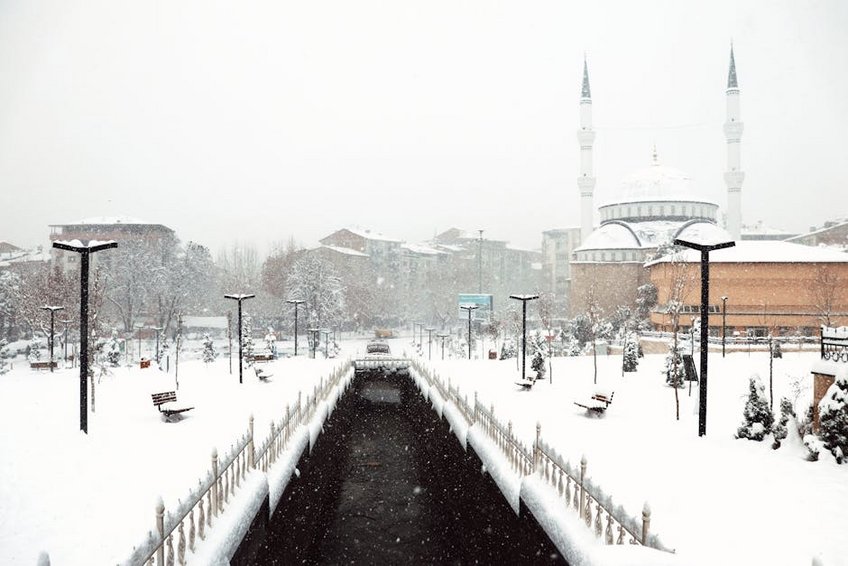
Sarajevo experiences a humid continental climate with four distinct seasons. Summers are warm with occasional hot spells, while winters are cold and snowy, a legacy of its Olympic past. The surrounding mountains significantly influence local weather patterns, sometimes creating fog or rapid changes.
Spring (April-May) brings mild temperatures and blooming parks, ideal for walking. Autumn (September-October) offers crisp air and beautiful foliage in the hills. These shoulder seasons provide comfortable weather with fewer tourists compared to the peak summer months.
Alt: “sarajevo-bascarsija-old-bazaar-ottoman-architecture”
Sarajevo Travel Guide – Planning Your Trip
Effective planning for Sarajevo involves considering the season, budget, and your historical interests. The city is compact and walkable, but its surrounding hills and significant sites require thoughtful timing. A mix of pre-booked tours and independent exploration usually works best.
Budget-conscious travelers find excellent value, as costs for accommodation, food, and transit remain lower than in Western Europe. Mid-range visitors enjoy boutique hotels and fine dining at reasonable prices. Allocate funds for museum entries, guided tours explaining the complex history, and perhaps a traditional coffee set as a souvenir.
Logistically, Sarajevo International Airport (SJJ) connects to major European hubs. Visa requirements are straightforward for US, EU, UK, and Canadian passport holders, typically allowing a 90-day stay within 180 days. Always verify current entry rules with official sources before departure.
Best Time to Visit Sarajevo
The ideal months are late May through June and September through early October. During these periods, daytime temperatures range from 65-75°F (18-24°C) with minimal rainfall. Crowds are manageable, and hiking in the surrounding mountains is pleasant.
July and August constitute peak season, with temperatures sometimes reaching 86°F (30°C). This is festival season but comes with more tourists. Winter (December-February) is cold, 20-35°F (-6 to 2°C), and snowy, perfect for reliving Olympic history or enjoying nearby ski resorts like Bjelašnica.
Budget Planning and Costs
Daily costs vary significantly based on your travel style.
Essential Preparation Checklist
Pack comfortable, sturdy walking shoes for cobblestone streets and layered clothing for changeable mountain weather. Include a light jacket even in summer. A power adapter for European Type C/F sockets (220V) is necessary for charging devices.
Ensure your passport has at least six months’ validity. While travel insurance is not legally mandatory, it is highly recommended for healthcare coverage. Book central accommodations several months in advance for summer or festival visits. Learn basic Bosnian phrases like “hvala” (thank you) and “dobar dan” (good day).
Top Attractions and Cultural Sites
Sarajevo’s attractions tell layered stories, from medieval times to the late 20th century. You can traverse centuries within a single afternoon’s walk. The key is to move slowly, absorb the contrasts, and engage with the informative museums that provide crucial context.
Many sites related to the 1990s war are poignant and powerful. They are essential for understanding the city’s spirit but can be emotionally heavy. Balance these visits with time in vibrant markets or peaceful parks. Consider the order in which you visit to process the historical narrative.
Must-See Historical Highlights
Begin at Baščaršija, the 15th-century Ottoman bazaar. The Sebilj wooden fountain is the symbolic center. Nearby, the Gazi Husrev-beg Mosque (1531) represents a masterpiece of Islamic architecture in the Balkans. Entry requires modest dress and a small fee.
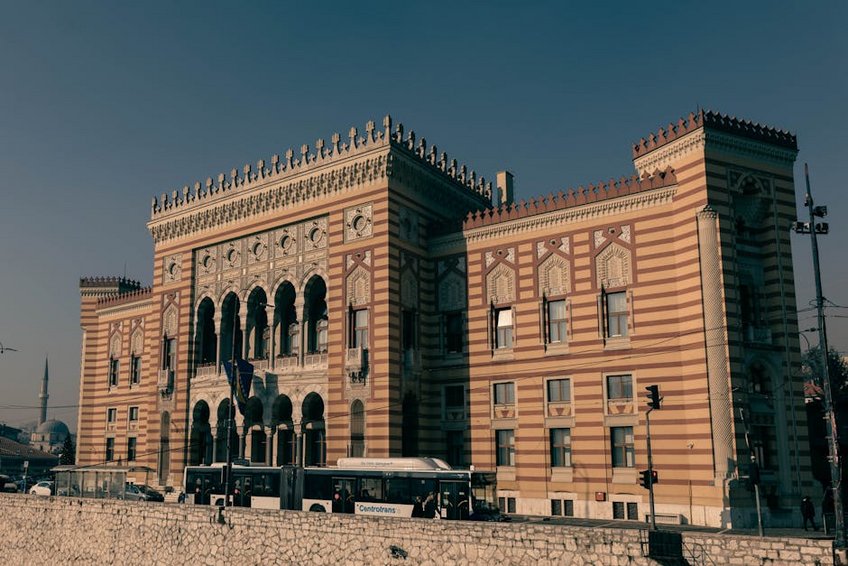
The Sarajevo City Hall (Vijećnica), rebuilt and reopened in 2014, is an Austro-Hungarian architectural jewel. Its magnificent interior library and history make it worth the 10 KM entry. Just across the Latin Bridge is the spot where Archduke Franz Ferdinand was assassinated in 1914, sparking WWI.
The War Tunnel Museum (Tunel Spasa) sits on the city’s outskirts. This humble house museum preserves a section of the secret tunnel dug beneath the airport runway, the besieged city’s lifeline. The 10 KM entry includes a powerful short film. Reach it by taxi or guided tour.
Hidden Gems and Local Favorites
For a quiet escape, visit the Vrelo Bosne park at the source of the Bosna River. Take a horse-drawn carriage (fijaker) along the tree-lined avenue. It’s a popular weekend spot for locals and offers serene nature just a short tram and walk from the city center.
Explore the abandoned bobsled and luge track from the 1984 Winter Olympics on Mount Trebević. Now covered in graffiti, it’s an eerie yet fascinating hike accessible by the restored Trebević cable car. The views over Sarajevo from the mountain are spectacular.
Visit the Despić House Museum, a preserved Ottoman-era merchant home showing traditional family life. For a unique view, climb the steep steps to the Yellow Fortress (Žuta Tabija) in the late afternoon for panoramic city vistas, especially beautiful at sunset.
Museums and Memorials
The Historical Museum of Bosnia and Herzegovina provides a thorough, artifact-rich chronology of the country’s history, with a significant section on the 1992-1996 war. Its “Sarajevo under Siege” exhibition is particularly moving. Allow at least 90 minutes for a thoughtful visit.
The Gallery 11/07/95 is a dedicated memorial to the Srebrenica genocide. It’s a sobering, emotionally challenging experience featuring photographs, video testimonies, and art installations. It’s not for everyone, but it offers a crucial and profound perspective on recent Balkan history.
Practical Travel Information
Navigating Sarajevo is straightforward thanks to its compact core and reliable public transport. The city is generally safe for tourists, with standard precautions against pickpocketing in crowded areas advised. English is widely spoken by younger people and in tourism businesses, though learning a few Bosnian phrases is appreciated.
Taxis are plentiful and inexpensive but ensure they use the meter or agree on a price beforehand. Ride-hailing app Bolt operates in the city. For day trips to Mostar or the mountains, consider renting a car or booking a mini-bus tour for convenience and local insight.
| Accommodation Type | Best Area & Features | Average Price Range (USD/Night) |
|---|---|---|
| Hostel / Guesthouse | Baščaršija or near cathedral; social atmosphere, basic facilities | $15 – $30 |
| Mid-Range Hotel | Marijin Dvor or along Ferhadija; modern amenities, good location | $50 – $90 |
| Boutique Hotel | Old Town edges; historic charm, personalized service | $100 – $160 |
| Luxury / 5-Star | City center or hillside; spa, fine dining, panoramic views | $180+ |