Yerevan Travel Guide: Discovering Armenia’s Ancient Capital
Yerevan stands as one of the world’s oldest continuously inhabited cities, offering a compelling blend of millennia-old history and vibrant contemporary culture against the backdrop of Mount Ararat. This Yerevan travel guide provides essential insights for navigating the city’s unique atmosphere, from its distinct pink tuff architecture and Soviet-era relics to its thriving café scene and welcoming public squares. You will discover practical advice on exploring historical sites, enjoying local cuisine, and understanding the resilient spirit that defines Armenia’s capital.
Essential Yerevan Information
Founded in 782 BC, Yerevan predates Rome, earning its status as a living museum of civilization. The city’s layout centers around Republic Square, with radial avenues extending to diverse neighborhoods, each telling a different chapter of its story. Its high-altitude location gives it a continental climate with four distinct seasons, impacting travel plans significantly.
Armenian is the official language, utilizing its own unique alphabet, though Russian is widely spoken and English is common in tourist areas. The local currency is the Armenian Dram (AMD), and while credit cards are accepted in most establishments, carrying cash is wise for markets and taxis. Yerevan’s compact size makes it highly walkable, though its metro system and affordable taxis offer excellent alternatives.
Key Historical Context
Understanding a few historical pillars enriches any visit to this ancient metropolis.
- The city’s 2800-year timeline includes periods under Persian, Ottoman, and Soviet rule, visible in its eclectic architecture from the Erebuni Fortress ruins to grand Soviet constructions like the Cascade.
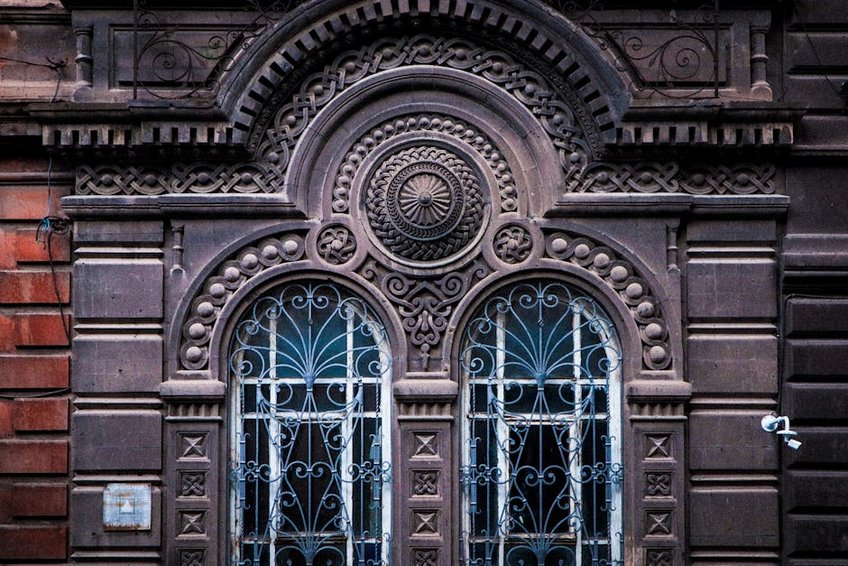
- Modern Yerevan’s core plan was redesigned by architect Alexander Tamanyan in the 1920s, creating the circular layout and pink tuff stone buildings that define its aesthetic today.
- The Armenian Genocide Memorial complex, Tsitsernakaberd, is a profound site of remembrance and a central element of the national identity, drawing visitors to reflect and pay respects.
- Budget travelers can manage on $40-60 USD per day by staying in hostels, eating at local lavash bakeries and markets, using the metro, and enjoying free attractions like walking around the Cascade and Republic Square.
- Mid-range visitors spending $80-120 USD daily can book comfortable boutique hotels, dine at excellent mid-tier restaurants, take occasional taxis, and join guided day trips to nearby Garni and Geghard.
- A luxury budget of $150-250+ USD per day secures five-star hotels, fine dining featuring modern Armenian cuisine, private guided tours with drivers, and premium experiences like brandy tastings at Ararat Museum.
- Official Website of Yerevan Municipality
- Armenia Tourism Committee
Navigating Language and Currency
Learning a few Armenian phrases, like “barev” (hello) and “shnorhakalutyun” (thank you), is greatly appreciated by locals. While many in hospitality speak English, having Google Translate ready helps with menus and signs. The Armenian Dram sees an exchange rate of roughly 400 AMD to 1 USD, making mental calculations relatively straightforward for American travelers.
ATMs are plentiful, and exchanging money at licensed exchange offices in the city center typically offers better rates than at the airport. Tipping is customary, with 10% being standard in restaurants for good service. Always carry smaller denomination notes for taxis, market purchases, and café visits where change may be limited.
Climate and Seasonal Considerations
Yerevan experiences hot, dry summers and cold, snowy winters due to its highland continental climate. Summer temperatures frequently reach 86-95°F (30-35°C), while winter can drop to 23-32°F (-5 to 0°C). Spring and autumn provide the most comfortable conditions for extensive outdoor exploration.
Sunshine is abundant year-round, with over 300 sunny days annually, so sunscreen is essential even in cooler months. The air is dry, so staying hydrated is crucial, especially during summer excursions. Pack layers regardless of the season to accommodate temperature swings between day and night.
Alt: “yerevan-city-center-republic-square-pink-tuff-architecture”
Yerevan Travel Guide – Planning Your Trip
Strategic planning maximizes your experience in Armenia’s capital. Allocate at least three full days to cover the major historical sites, museums, and culinary hotspots without feeling rushed. Your Yerevan travel itinerary should balance iconic landmarks like the Matenadaran museum with leisurely time in neighborhoods such as Kond or the Vernissage Market.
Book your central accommodation early, especially if visiting during the popular autumn or late spring months. Consider purchasing a Yerevan Card for included museum entries and transport discounts if you plan a museum-heavy schedule. Always confirm opening days and hours, as some smaller museums close on Mondays.
Best Time to Visit Yerevan
Visit between late April and early June or from September to October for ideal weather. These shoulder seasons offer daytime temperatures of 65-75°F (18-24°C), minimal rain, and comfortable conditions for walking. The city is lively but not overcrowded, and hotel rates are more reasonable than in peak summer.
July and August bring intense heat, often exceeding 95°F (35°C), though this is the festival season. Winter, from December to February, is cold with potential snow, creating a magical atmosphere around Christmas and New Year with fewer tourists. Each season offers distinct cultural events, from summer wine festivals to winter celebrations.
Budget Planning and Costs
Yerevan is a remarkably affordable destination for Western travelers, offering value across all budget levels.
Essential Preparation Checklist
Ensure you have a valid passport; visas are available on arrival for most Western nationalities for up to 180 days. Purchase travel insurance that covers medical evacuation, as healthcare, while improving, may require transfer for complex issues. Download offline maps and the Yandex Go or GG taxi apps for reliable and inexpensive transportation around the city.
Pack comfortable walking shoes for cobblestone streets, a power adapter (Type C/F, 220V), and a reusable water bottle. Bring a light scarf or shawl for visiting churches. Inform your bank of your travel plans to avoid card blocks, and consider bringing a small amount of USD in cash for initial expenses upon arrival.
Top Attractions and Cultural Sites
The heart of the city pulses around Republic Square, home to the History Museum and the singing fountains show each evening. The Cascade Complex, a giant limestone stairway, offers panoramic city views and houses the Cafesjian Center for the Arts within its interior. From its top, the vista of Mount Ararat on a clear day is unforgettable.
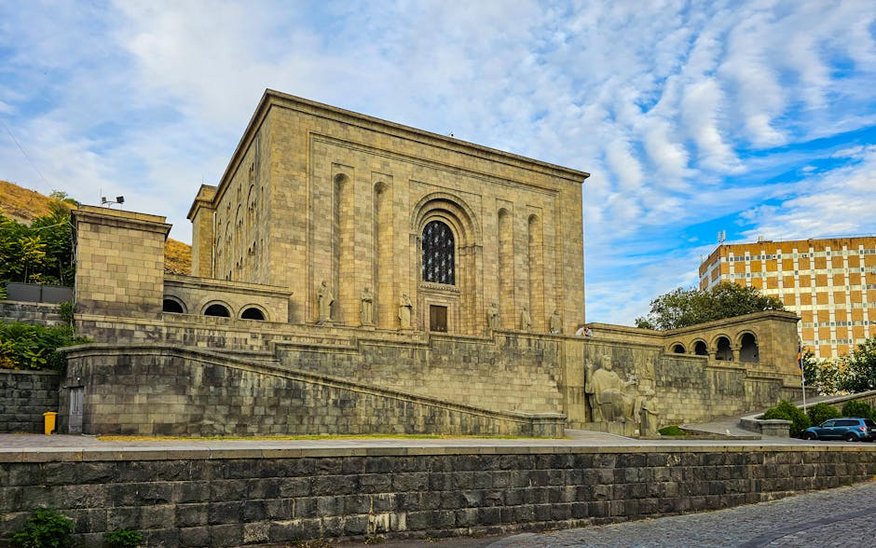
Across the Hrazdan River Gorge, the 13th-century Katoghike Church stands as the city’s oldest surviving church. The Matenadaran repository holds one of the world’s richest collections of ancient manuscripts, a testament to Armenian scholarly tradition. Each site contributes to a layered understanding of the nation’s enduring legacy.
Must-See Historical Highlights
The Armenian Genocide Museum and Memorial at Tsitsernakaberd is a profoundly moving and essential visit. Allow at least two hours to walk through the museum’s exhibits and the memorial complex with its eternal flame. There is no entrance fee, and respectful silence is observed by all visitors.
The Erebuni Fortress and Museum, the birthplace of Yerevan, sits on a hill overlooking the southeastern districts. For about $3 USD, you can explore the 2800-year-old Urartian citadel ruins and see cuneiform inscriptions. The Blue Mosque, a functioning Shia mosque and tranquil Persian-style garden in the city center, offers a peaceful retreat and represents historical religious diversity.
Hidden Gems and Local Favorites
Venture into the Kond district, a charmingly dilapidated old quarter with narrow, winding lanes and traditional houses that survived Tamanyan’s redesign. It provides an authentic glimpse into pre-Soviet Yerevan. The behind-the-scenes tour at the Yerevan Ararat Brandy Factory is a celebrated local experience, culminating in a tasting of their aged spirits.
The GUM Market is a bustling, covered food hall where locals shop for spices, dried fruits, cheeses, and lavash. It’s perfect for sampling and purchasing edible souvenirs. For a unique cultural performance, check the schedule at the Aram Khachaturian Concert Hall for affordable classical music or opera performances in an architecturally stunning setting.
Art and Modern Culture Scene
Yerevan’s contemporary art scene thrives at spaces like the Armenian Center for Contemporary Experimental Art (ACCEA). The Cafesjian Center for the Arts, embedded in the Cascade, showcases a significant collection of modern glass art and sculpture. The city’s numerous small galleries in the downtown area often feature works by emerging local artists.
The Opera House area, known as “Opera,” is the city’s cultural and social hub after dark, surrounded by cafes, parks, and nightlife. The Vernissage open-air market operates on weekends near Republic Square, selling handicrafts, Soviet memorabilia, jewelry, and paintings, ideal for finding unique souvenirs and interacting with artists.
Practical Travel Information
Zvartnots International Airport (EVN) is the main gateway, located about 12 km (7.5 miles) west of the city center. A taxi to downtown costs approximately $15-20 USD, while public bus 201 offers a much cheaper alternative. The city’s compact center is best explored on foot, with the single-line metro, buses, and inexpensive taxi apps filling transportation gaps efficiently.
Accommodation ranges from Soviet-era hotels to modern boutique establishments and international chains. The best areas to stay are Kentron (city center) for first-time visitors, or the quieter neighborhoods near the Opera House for easy access to parks and dining. Booking.com and Airbnb are widely used, with many properties offering excellent value.
| Accommodation Type | Features and Location | Price Range (USD/Night) |
|---|---|---|
| Hostel / Budget Guesthouse | Dorm beds or basic private rooms, often in central locations with shared kitchens and social atmospheres. | $10 – $25 |
| Mid-Range Boutique Hotel | Stylish, smaller hotels in Kentron district with breakfast included, modern amenities, and helpful staff. | $50 – $90 |
| International Business Hotel | Full-service hotels like the Marriott or Republica with pools, multiple restaurants, and conference facilities. | $100 – $180 |
| Luxury / Heritage Property | High-end service, historical buildings or ultra-modern design, spa facilities, and fine-dining restaurants on-site. | $200+ |