Baku Travel Guide
Baku offers a captivating fusion of ancient history and futuristic architecture, making it a unique destination in the Caucasus. You can explore 12th-century UNESCO-listed medieval walls in the Old City, gaze upon the modern flame-shaped skyscrapers along the Caspian Sea, and experience vibrant local markets within a single day. This guide covers the essential history, detailed planning for your Baku adventure, and practical tips on navigating the city’s diverse neighborhoods and rich cultural scene.
Baku’s History and Cultural Fabric
The city’s story is one of ancient trade and modern oil wealth, creating a fascinating cultural tapestry. Baku has been inhabited for millennia, with its medieval core, Icherisheher, dating back to at least the 12th century. This walled city stands as a UNESCO World Heritage site, preserving narrow alleys and historic caravanserais that once hosted Silk Road merchants.
The late 19th and early 20th centuries brought an oil boom, transforming Baku’s architecture and fortune with grand buildings in Art Nouveau and Neo-Gothic styles. This period, often called the “Baku Belle Époque,” left a legacy of ornate facades along Nizami Street. The city seamlessly blends these historical layers with its contemporary identity as Azerbaijan’s vibrant, forward-looking capital.
Understanding Azerbaijani Culture
Before your visit, knowing a few cultural foundations enhances your experience immensely. Azerbaijan is a predominantly Shia Muslim nation with a strong tradition of secularism and hospitality. The local culture is a unique blend of Turkic, Persian, Russian, and Caucasian influences, visible in everything from the language to the cuisine.
- Azerbaijani (Azeri) is the official language, a Turkic language closely related to Turkish. Russian is widely spoken, especially by older generations, while English is increasingly common in tourist areas and with younger people in Baku.
- Hospitality, or “qonaqpərvərlik,” is a cornerstone. Guests are highly respected, and you may be invited for tea, a sign of friendship, which it’s polite to accept.
- The national identity is deeply connected to music (like Mugham), literature, and the cherished symbol of fire, reflecting the country’s Zoroastrian history and natural gas flares.
- Budget travelers can manage on $40-60 USD per day by staying in hostels ($15-25/night), eating at local kebab houses and çayxanas (tea houses) for $5-10 per meal, and using the efficient and cheap metro ($0.25 per ride). Focus on free attractions like the Baku Boulevard and exploring the Old City.
- Mid-range visitors spending $100-180 USD daily can book comfortable 3-4 star hotels in the city center ($60-120/night), enjoy mixed dining at good local and international restaurants ($15-30 per meal), and use taxis for convenience. This budget allows for guided tours and entry to all major museums.
- Luxury travel at $250+ USD per day includes 5-star hotels like the Four Seasons or Fairmont ($200-400/night), fine dining at upscale restaurants, private drivers, and exclusive experiences such as spa treatments at the Hilton or private guided tours of the Gobustan petroglyphs.
- Azerbaijan Tourism Board
- Wikitravel Baku Guide
Key Historical Landmarks
Several sites are essential for understanding the city’s layered past. The Maiden Tower, a mysterious 12th-century structure in the Old City, is a national icon with debated origins as a Zoroastrian temple, observatory, or defensive fortress. Meanwhile, the Palace of the Shirvanshahs, a 15th-century royal complex, showcases medieval Islamic architecture with its divankhana, mosque, and mausoleum.
For modern history, the Heydar Aliyev Center, designed by Zaha Hadid, symbolizes 21st-century Azerbaijan with its flowing, futuristic form. Additionally, the Baku Boulevard, stretching along the Caspian Sea, was founded in 1909 and offers a century-old perspective on the city’s relationship with its coastline.
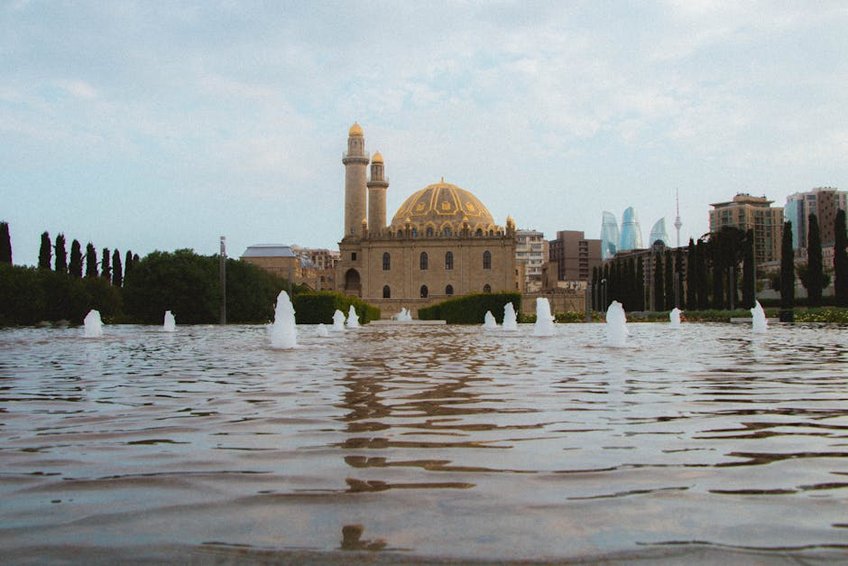
Alt: “baku-old-city-medieval-walls-maiden-tower-architecture”
Baku Travel Guide – Planning Your Trip
Organizing your visit requires consideration of seasons, budgets, and visas. The ideal times are spring (April to June) and autumn (September to October) when the weather is mild, perfect for walking tours. Summer can be hot, while winter is cool and occasionally windy, offering a different, crowd-free atmosphere.
Your budget for a mid-range trip typically ranges from $80 to $150 per person per day, covering accommodation, meals, transport, and entry fees. Azerbaijan offers an electronic visa (ASAN) for citizens of over 95 countries, which is a straightforward online process taking about three business days. Always have some local currency, the Azerbaijani Manat (AZN), for small vendors and taxis.
Best Time to Visit Baku
Visit Baku between late April and early June or from September to October for the most pleasant weather and outdoor exploration. Daytime temperatures range from 68°F to 82°F (20°C to 28°C) during these periods, with minimal rainfall and comfortable conditions for sightseeing. These shoulder seasons also avoid the peak summer tourist crowds and the higher hotel prices of July and August.
The winter months from December to February see cooler temperatures of 35°F to 48°F (2°C to 9°C) and can be windy, but they offer a unique charm with festive decorations and fewer visitors. If you plan your Baku travel guide itinerary around the Formula 1 Grand Prix (usually September) or the Novruz spring festival in March, book accommodations at least six months in advance.
Budget Planning and Costs
Daily costs in Baku vary significantly based on your travel style and chosen comforts.
Essential Preparation Checklist
Pack layers to accommodate Baku’s variable climate, including a light jacket for breezy evenings by the Caspian and comfortable walking shoes for cobblestone streets in Icherisheher. Essential gear includes a universal power adapter (Type C/F, 220V), a refillable water bottle, and sun protection for the summer months, as the city can be quite sunny.
Ensure your passport has at least six months validity and apply for your e-visa on the official portal. Purchase comprehensive travel insurance that covers medical emergencies. Book your central hotel at least two months in advance for peak seasons, and download offline maps and the Bolt taxi app for easy navigation upon arrival.
Top Attractions and Must-See Sights
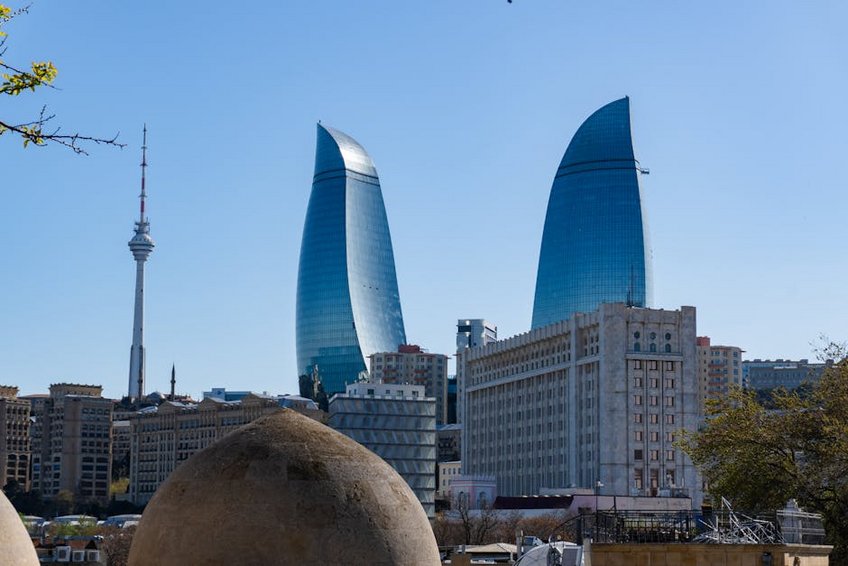
Baku’s skyline tells a story of contrasts, from ancient minarets to glass towers. The city’s top sights are concentrated in three main areas: the historic Icherisheher (Old City), the modern downtown with its Flame Towers, and the scenic Caspian Sea coastline. Allocating your time between these zones provides a balanced and fulfilling experience of the capital’s character.
Many major attractions are within walking distance of each other, especially in the city center. Purchasing the Baku Card can offer savings on museum entries and public transport for heavy sightseers. Remember that some museums are closed on Mondays, so plan your itinerary accordingly to avoid disappointment.
Must-See Highlights
The Old City, or Icherisheher, is the historic heart and a UNESCO site. Wandering its labyrinthine lanes is a primary activity, with key stops at the Maiden Tower and the Palace of the Shirvanshahs. Allocate at least half a day to explore this area thoroughly, visiting small museums and artisan shops along the way.
The Flame Towers, Baku’s modern symbol, are best viewed at night when their LED facades display mesmerizing light shows. For the best vantage point, head to the Highland Park (or take the funicular) near the Martyrs’ Alley memorial. The Heydar Aliyev Center, an architectural masterpiece, is worth visiting both for its stunning exterior and its insightful cultural exhibitions inside.
Hidden Gems and Local Favorites
Venture beyond the main tourist trail to discover Baku’s local character. The Məmməd Sənət Qalereyası, a small art gallery in a restored caravanserai within the Old City, showcases contemporary Azerbaijani artists and is often overlooked by tour groups. For a unique shopping experience, visit the tiny but fascinating Museum of Miniature Books, also located in Icherisheher.
Locals love strolling through the Fountains Square area in the evening, enjoying the atmosphere and street performers. For a panoramic view without the crowds of Highland Park, take a walk along the newly developed Badamdar settlement area. Finally, the charming Mohammed Mosque, with its beautifully restored minaret, offers a quieter alternative to the larger religious sites.
Day Trips from the City
Several incredible destinations lie within a few hours’ drive of the capital. The Gobustan National Park, about 40 miles (65 km) southwest, is home to ancient rock petroglyphs and mysterious mud volcanoes, a truly otherworldly landscape. The Ateshgah Fire Temple on the Absheron Peninsula highlights the region’s Zoroastrian history with its eternal natural flames.
Further afield, the city of Sheki, a 4-5 hour drive northwest, is renowned for its stunning Khan’s Palace with intricate stained glass and historic caravanserais. For a seaside contrast, consider a trip to the newly developed resort area near Shikhov Beach for a different perspective on the Caspian Sea coastline.
Practical Travel Information and Logistics
Navigating Baku is relatively straightforward with a mix of modern and traditional options. Heydar Aliyev International Airport (GYD) is the main international gateway, located about 13 miles (20 km) northeast of the city center. The Baku Metro is clean, efficient, and very inexpensive, covering key areas of the city, though its network is somewhat limited.
Taxis are abundant and affordable using apps like Bolt, which provide fixed fares and eliminate negotiation. For maximum flexibility, especially for day trips, renting a car is an option, but be prepared for assertive local driving styles within the city. Most central attractions are walkable, making Baku a good city for exploring on foot.
| Category | Options/Features | Price Range (USD) |
|---|---|---|
| Budget Accommodation | Hostels & guesthouses in the Old City or near Metro, shared facilities, basic breakfast | $15 – $40 per night |
| Mid-Range Hotels | 3-4 star business hotels in downtown/City Center, private bathrooms, breakfast included, gym | $60 – $140 per night |
| Luxury Stays | 5-star international chains (Four Seasons, Fairmont), sea or city views, spa, multiple restaurants | $180 – $400+ per night |
| Local Transport (per ride) | Metro, Bus, Bolt Taxi (short city trip), Funicular to Highland Park | $0.25 – $5 |