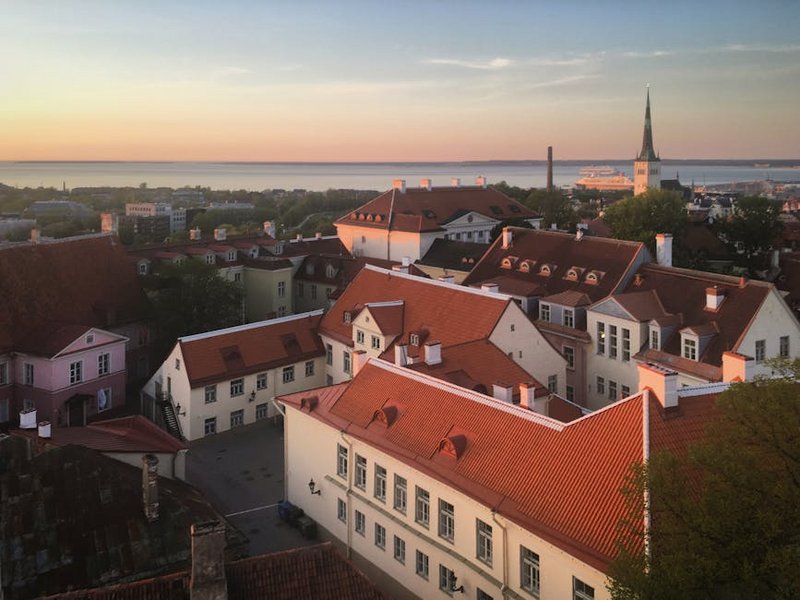
Tallinn Travel Guide: Exploring Estonia’s Medieval Capital
Tallinn’s Old Town presents a remarkably preserved medieval cityscape, complete with cobblestone streets, Gothic spires, and original city walls. This Tallinn Travel Guide provides the essential details for navigating the city’s historic districts, modern attractions, and vibrant cultural scene. You will discover practical advice on visiting key landmarks, understanding local customs, and planning an efficient itinerary for your Baltic journey.
Essential Tallinn Information
Tallinn serves as the capital of Estonia, a Northern European nation on the Baltic Sea. The city’s history spans over eight centuries, with Danish, German, Swedish, and Russian influences shaping its unique architectural and cultural identity. Its compact, walkable center makes it an ideal destination for a long weekend or a central hub for exploring the wider region.
The official language is Estonian, a Finno-Ugric language distinct from its Latvian and Lithuanian neighbors. English proficiency remains very high, particularly among younger residents and within the tourism and service industries. The local currency is the Euro (€), simplifying financial transactions for many international visitors.
City Layout and Key Districts
Understanding Tallinn’s districts helps you navigate its diverse character.
- Old Town (Vanalinn): A UNESCO World Heritage site divided into Toompea Hill (upper town) and the lower town, containing the majority of medieval landmarks, restaurants, and shops.
- Kalamaja: A trendy, former fishing quarter known for its colorful wooden houses, hip cafes, the Telliskivi Creative City, and the Seaplane Harbour museum.
- Kadriorg: An elegant district east of the center, home to the beautiful Kadriorg Park, the Kadriorg Palace art museum, and the presidential residence.
- Rotermann Quarter: A post-industrial area between the Old Town and the port, transformed with contemporary architecture, shopping, and dining in renovated factory buildings.
- Budget Traveler ($50-80/day): Stay in a hostel dorm, enjoy free walking tours and park visits, eat street food or cook your own meals, and use public transportation. Focus on free attractions like exploring the city walls and Bastion passages.
- Mid-Range Traveler ($100-180/day): Stay in a boutique hotel or private apartment rental, dine at casual local restaurants for lunch and dinner, visit 2-3 paid museums, and take occasional taxis or organized day trips.
- Luxury Traveler ($250+/day): Stay in a five-star hotel in or near the Old Town, enjoy fine dining at Michelin-recognized restaurants, hire private guides for specialized tours, and book spa treatments or unique experiences like a medieval dinner.
- Visit Estonia Official Tourism Site
- Lonely Planet Tallinn Guide
Climate and Weather Patterns
Tallinn experiences a temperate seasonal climate with significant variation. Summers are mild and pleasantly warm, with July highs averaging around 68°F (20°C). Daylight extends for nearly 19 hours during the midsummer period, ideal for extended sightseeing.
Winters are cold, snowy, and dark, with January temperatures frequently hovering around 23°F (-5°C). The festive Christmas market season brings charm to the cold. Spring and autumn are transitional, often cool and damp, but less crowded, offering a different perspective on the city’s atmosphere.
Historical Context and Independence
Estonia regained its independence from the Soviet Union in 1991 during the peaceful “Singing Revolution.” This recent history is palpable and respectfully presented at museums like the Vabamu Museum of Occupations and Freedom. The city skyline beautifully juxtaposes medieval towers with sleek, modern buildings, symbolizing the nation’s rapid technological and economic advancement in the 21st century.

Alt: “tallinn-estonia-old-town-cobblestone-street-medieval-architecture”
Tallinn Travel Guide – Planning Your Trip
Effective planning maximizes your experience in this multifaceted city. Your itinerary should balance medieval history in the Old Town with explorations of innovative neighborhoods like Kalamaja. Allocate time for museum visits, scenic viewpoints, and sampling the local food scene, which has gained international acclaim for its Nordic-inspired focus on fresh, local ingredients.
Consider the purpose of your visit. History enthusiasts may prioritize museums and guided walking tours. Foodies will want to book tables at popular restaurants in advance. Families can enjoy interactive museums and spacious parks. Most travelers find three to four days sufficient to see the highlights at a comfortable pace without feeling rushed.
Best Time to Visit Tallinn
For classic sightseeing under the best weather, visit between late May and early September. July and August are peak months, with long days and temperatures ranging from 60-75°F (15-24°C). This is the ideal time for terrace dining and park strolls, but also when cruise ship crowds are highest in the Old Town.
The shoulder seasons of May and September offer cooler temps of 50-60°F (10-16°C) and fewer tourists, making them excellent alternatives. December is magical for the famous Christmas Market, despite short days and cold weather averaging 23-32°F (-5 to 0°C). Winter visits require warm clothing but offer a cozy, festive atmosphere.
Budget Planning and Costs
Tallinn offers good value compared to Western European capitals. Here is a typical daily budget breakdown per person.
Essential Preparation Checklist
Pack comfortable, waterproof walking shoes for cobblestones and variable weather. Bring layers, including a warm jacket even in summer, and a compact umbrella. A reusable water bottle is useful, as tap water is safe to drink. Ensure your power adapters are compatible with Type F (European Schuko) outlets, which use 230V voltage.
U.S. and EU passport holders do not need a visa for stays under 90 days. Secure comprehensive travel insurance that covers medical emergencies. Book popular hotels and restaurants several weeks in advance for summer or Christmas market visits. Download the Bolt app for reliable ride-hailing services and Google Maps for offline navigation.
Top Attractions and Activities
The Estonian capital’s charm lies in its blend of ancient and modern. Begin your exploration in the heart of the UNESCO-listed Old Town, where every alley reveals a new detail. Then, venture outward to understand the city’s contemporary creativity and maritime heritage. This approach provides a full picture of its unique character.
Many top sights are within walking distance of each other, making a self-guided tour simple. Consider purchasing the Tallinn Card if you plan intensive museum visits, as it includes free public transport and entry to many major sites. Always check opening hours in advance, as some smaller museums may have limited winter schedules.
Must-See Highlights in the Old Town
Toompea Hill offers the best panoramic views from platforms like Kohtuotsa and Patkuli. Visit the Russian Orthodox Alexander Nevsky Cathedral and the Estonian Parliament building in Toompea Castle. The lower town’s Town Hall Square is the historic center, flanked by the 15th-century Town Hall and colorful merchant houses.
St. Nicholas Church now functions as a concert hall and art museum. The medieval city walls are among Europe’s best preserved; you can walk along sections of them and climb several towers, like Kiek in de Kök. The passageways of the Bastion Tunnels provide a fascinating underground historical perspective.
Hidden Gems and Local Favorites
Escape the main tourist trail in the Old Town by seeking out St. Catherine’s Passage, a narrow lane lined with historic tombstones and artisan workshops. The Danish King’s Garden, behind Toompea Hill, is a quiet spot with statues and legends. For a unique souvenir, visit the nearby Marzipan Gallery Room at the Maiasmokk cafe, the oldest in the city.
In Kalamaja, wander the peaceful streets of wooden houses and explore the Telliskivi Creative City, a hub for designers, restaurants, and unique shops. The Seaplane Harbour (Lennusadam) museum, housed in a historic hangar, features a submarine and interactive maritime exhibits that captivate all ages. These areas showcase authentic local life beyond the medieval core.
Day Trips from the City
Several worthwhile destinations are within easy reach. Lahemaa National Park, about an hour east by car or bus, offers coastal trails, forest bogs, and historic manor houses for a nature escape. The island of Aegna, a short ferry ride away, provides beaches and pine forests for a peaceful retreat.
The nearby town of Viimsi has a beautiful coastline and the Viimsi Open Air Museum. For a cultural contrast, consider a short ferry trip to Helsinki, Finland. The journey takes about two hours each way, allowing for a full day of exploration in another Nordic capital.
Practical Travel Information
Tallinn is exceptionally well-connected and easy to navigate. Tallinn Airport (TLL) is a modern hub just 4 kilometers from the city center, served by numerous European carriers. The port receives frequent ferries from Helsinki, Stockholm, and other Baltic points, making it a key stop on a regional cruise or independent sailing adventure.
Accommodation options range from historic hotels within the city walls to modern design hotels and affordable hostels. Staying just outside the official Old Town boundaries often provides better value and quieter nights while remaining within a short walking distance of all major sights.
| Accommodation Type | Best Locations & Features | Average Price Range/Night (USD) |
|---|---|---|
| Hostel / Budget Guesthouse | Kalamaja or Old Town outskirts; dorm beds or basic private rooms, shared facilities. | $20 – $60 |
| Mid-Range Boutique Hotel | Just outside Old Town gates or in Rotermann; stylish design, breakfast included, good amenities. | $100 – $200 |
| Luxury / Historic Hotel | Inside Old Town walls; five-star service, spa facilities, historic buildings, fine dining. | $250 – $450+ |
| Vacation Apartment Rental | Kalamaja or City Center; full kitchen, more space, washer, local neighborhood feel. | $80 – $180 |