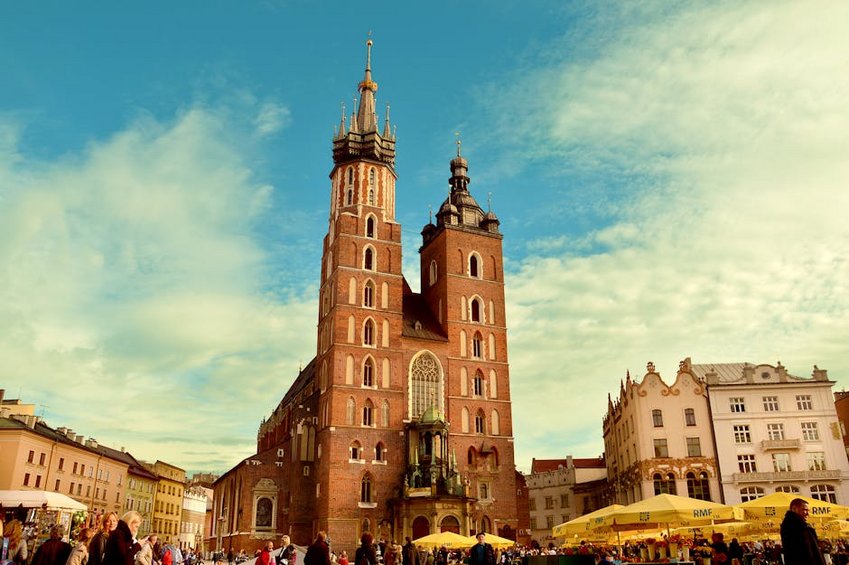
Krakow Travel Guide: Discover Poland’s Historic Royal Capital
Exploring Krakow offers a direct encounter with over a thousand years of European history, from its impeccably preserved medieval core to the profound lessons of the 20th century. This comprehensive Krakow travel guide provides the essential details for navigating its UNESCO-listed Old Town, poignant historical sites, and vibrant contemporary culture efficiently. You will find practical advice on seasonal travel, budget planning, local cuisine, and must-see attractions to build a rewarding itinerary.
Essential Krakow Information
Krakow serves as the cultural and historical heart of Poland, having escaped the widespread destruction of World War II. Its entire Old Town, including the Main Market Square and Wawel Royal Castle, holds UNESCO World Heritage status. The city’s significance stretches from its time as the nation’s capital to its role as a center of academic and artistic life.
Today, the city gracefully balances its monumental past with a dynamic, youthful energy fueled by a large student population. Understanding its layered history, from royal grandeur to wartime tragedy, is key to appreciating a visit. This context enriches every experience, from touring the castle to visiting the districts of Kazimierz and Podgórze.
Key Historical Context
Krakow’s timeline provides crucial background for any traveler. The city’s golden age as Poland’s capital lasted from 1038 until 1596.
- Wawel Hill: The symbolic center of Polish statehood for centuries, housing the royal castle and cathedral where monarchs were crowned and buried.
- Main Market Square (Rynek Główny): Established in 1257, it remains Europe’s largest medieval town square, surrounded by historic townhouses and the iconic Cloth Hall.
- 20th Century History: The city became part of the Nazi General Government during WWII; the nearby Auschwitz-Birkenau camps and the Schindler’s Factory museum are essential visits for understanding this period.
- Budget Traveler ($50-70/day): Stay in hostel dorms, eat at milk bars (bar mleczny), use public transport, and focus on free sights like walking the Old Town and visiting churches. Many museums offer one free entry day weekly.
- Mid-Range Traveler ($100-150/day): This allows for private hotel rooms in central locations, daily restaurant meals, paid entry to all major museums, and a few guided tours or traditional restaurant dinners.
- Luxury Traveler ($200+/day): Enables stays in 5-star historic hotels, fine dining at restaurants like Pod Nosem, private guided tours with vehicle transport, and premium experiences such as chauffered trips to Wieliczka Salt Mine.
- Official Krakow City Website
- Auschwitz-Birkenau Memorial and Museum Visiting Information
- UNESCO World Heritage Centre – Historic Centre of Kraków
City Layout and Districts
Krakow is organized into distinct districts, each with its own unique character and attractions. The historic center is encircled by the lush Planty Park, which replaced the old city walls. Most tourist sites are concentrated within or just beyond this green ring.
Stare Miasto (Old Town) contains the Main Square, St. Mary’s Basilica, and the Cloth Hall. Just south, Wawel Hill rises above the Vistula River with its castle complex. The former Jewish quarter, Kazimierz, is now a hub of cafes, galleries, and synagogues. Across the river, Podgórze holds Ghetto remnants and Schindler’s Factory.
Climate and Weather Patterns
The city experiences a temperate continental climate with four distinct seasons. Summers are generally warm and can be rainy, with average highs around 75°F (24°C). Winters are cold and often snowy, with temperatures frequently dropping below freezing to 30°F (-1°C).
Spring and autumn offer mild conditions but require preparation for changeable weather. Late autumn and early spring are particularly unpredictable, with possible sunshine or chilly rain. Layered clothing is advisable for travel during these shoulder seasons.
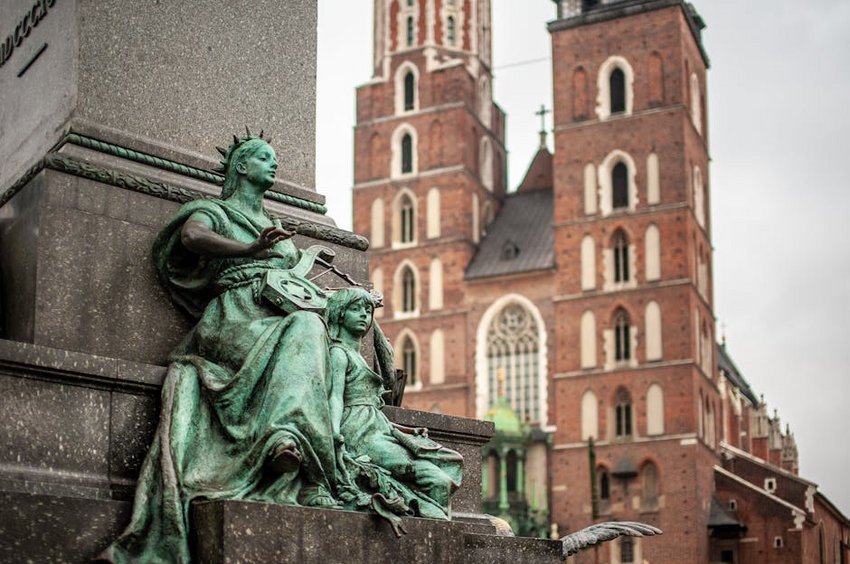
Alt: “krakow-main-market-square-medieval-architecture-cloth-hall”
Krakow Travel Guide – Planning Your Trip
Effective planning for Poland’s royal capital centers on timing, neighborhood selection, and understanding the city’s walkable scale. The compact historic core allows you to cover major sights on foot, while trams efficiently connect to peripheral districts. This Krakow travel guide prioritizes a balanced itinerary that respects both its celebratory and solemn histories.
Allocate separate days for the Old Town with Wawel Castle and the distinct districts of Kazimierz and Podgórze. A full day is necessary for a respectful visit to Auschwitz-Birkenau, located about 1.5 hours away. Booking castle and factory museum tickets online weeks in advance is non-negotiable during peak seasons.
Best Time to Visit Krakow
The ideal months are late spring (May-June) and early autumn (September-October) for pleasant weather and fewer crowds. Daytime temperatures range from 60-70°F (15-21°C), perfect for walking. These periods avoid the peak summer tourist rush and the sometimes harsh winter cold.
July and August bring the warmest weather but also the largest crowds and higher prices. December is magical with its Christmas markets but very cold, around 34°F (1°C). January and February offer a quiet, frosty experience with potential for beautiful snow cover.
Budget Planning and Costs
Krakow remains a highly affordable European destination, though prices have risen. Your daily budget dictates the experience.
Essential Preparation Checklist
Pack comfortable, broken-in walking shoes as cobblestone streets are pervasive. Bring layers, including a waterproof jacket, regardless of season. A power adapter for Type E sockets (230V) is required for US devices.
US and EU citizens need only a valid passport for stays under 90 days; visa requirements apply for longer visits. Secure travel insurance with medical coverage. Book popular accommodations 3-4 months ahead for summer and Christmas market visits. Learn a few basic Polish phrases; while English is widely spoken in tourist areas, local greetings are appreciated.
Top Attractions and Activities
This historic city delivers world-class sights within a remarkably concentrated area. Your itinerary should blend monumental architecture with immersive historical museums and local cultural experiences. Prioritizing early morning visits to major sites helps avoid the largest tour groups that arrive later in the day.
Beyond the iconic checklist, leave time for simple enjoyment: sipping coffee in the Main Square, listening for the Hejnał trumpet call from St. Mary’s, and wandering the side streets of Kazimierz. The city reveals its charm in these unscripted moments between scheduled tours.
Must-See Highlights
Wawel Royal Castle and Cathedral dominate the city’s skyline and history. The castle complex includes State Rooms, Royal Private Apartments, and the Crown Treasury. The cathedral is the traditional coronation and burial site of Polish monarchs. Book tickets online for specific time slots well in advance.
The Main Market Square is the bustling heart of the city, home to the Cloth Hall (Sukiennice), now housing market stalls and the Gallery of 19th-Century Polish Art. St. Mary’s Basilica features the stunning wooden Wit Stwosz altarpiece. Visit early or late to appreciate the square’s atmosphere with fewer crowds.
Auschwitz-Birkenau Memorial and Museum is a solemn, essential day trip. The preserved Nazi concentration and extermination camp requires a full day for a respectful visit. Book guided tours directly through the museum’s website months ahead, as they are mandatory for individual visitors during peak hours.
Hidden Gems and Local Favorites
Explore the lesser-visited grounds of the former Krakus Mound and the nearby abandoned quarry, Zakrzówek, now a popular swimming spot. In Podgórze, walk along the preserved fragment of the Ghetto Wall on Lwowska Street and visit the evocative Under the Eagle Pharmacy museum.
For a unique perspective, join a local for a “kielbasa and vodka” tasting tour in Kazimierz. Discover the small, artistic cafes tucked away in the courtyards off Plac Nowy. Visit the Józef Piłsudski Monument on the edge of Planty Park, a local meeting point far from tourist trails.
Cultural and Performing Arts
Krakow is a major center for the arts. Attend a classical music concert, often held in historic churches or the ornate Słowacki Theatre. The ICE Krakow Congress Centre hosts modern ballet and international performances.
During summer, free concerts and cultural events frequently take place in the courtyards of museums and universities. The annual Jewish Culture Festival in late June/early July transforms Kazimierz with music, workshops, and food, representing one of Europe’s largest events of its kind.
Practical Travel Information
Navigating Poland’s former capital is straightforward thanks to its compact center and efficient public transport. John Paul II International Airport (KRK) is the main arrival point, located 11 km west of the city. A train line connects the airport to the main station in 20 minutes, while taxis and ride-shares offer door-to-door convenience.
Accommodation choices span from hostels in Kazimierz to luxury hotels in historic Old Town palaces. The most convenient areas to stay are within or just outside the Planty Park ring. Staying in Kazimierz offers vibrant nightlife and character, with a slightly longer walk to the Main Square.
| Accommodation Type | Best For / Location Tips | Avg. Price/Night (USD) |
|---|---|---|
| Hostel / Budget Hotel | Backpackers, solo travelers; Kazimierz or near train station | $15 – $40 |
| Mid-Range Hotel / Apartment | Couples, families; Just outside Planty Park or in Kazimierz | $70 – $120 |
| Boutique / Heritage Hotel | Special occasions; Old Town townhouses or on the Main Square | $130 – $220 |
| Luxury 5-Star Hotel | Premium service; Historic palaces with fine dining on-site | $250+ |