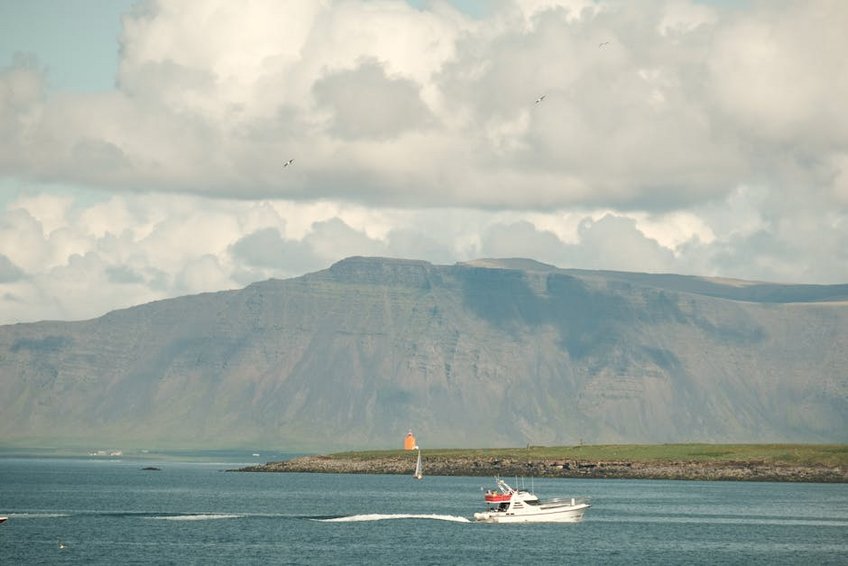
Best Reykjavik Travel Guide Experience 15 Tips

Reykjavik Travel Guide

Reykjavik, the world’s northernmost capital, blends vibrant city life with raw, natural beauty right at its doorstep. This compact city offers geothermal pools, a thriving arts scene, and serves as the perfect launchpad for Iceland’s legendary adventures. Our Reykjavik travel guide provides essential insights for navigating its unique culture, managing costs, and maximizing your visit to this dynamic Arctic capital.

Essential Information About Iceland’s Capital

Founded in 874 AD by Ingólfur Arnarson, Reykjavik’s name translates to “Smoky Bay,” inspired by the steam from its hot springs. It became Iceland’s official capital in 1918 and has since grown into a hub of nearly 130,000 people, representing over one-third of the country’s population. The city uniquely merges colorful Nordic architecture with a famously progressive and creative spirit.

Icelanders maintain a deep connection to nature and ancient sagas, despite their hyper-modern society. You will notice this in the city’s design, cuisine, and daily rhythms. English is widely spoken, making navigation simple for international visitors exploring the compact downtown area.

Key Facts and Figures

Understanding a few core details helps frame your visit properly.

  • Currency is the Icelandic Króna (ISK); credit cards are accepted virtually everywhere, even for small purchases, so you rarely need cash.
  • The time zone is Greenwich Mean Time (GMT), which is 5 hours ahead of New York’s Eastern Standard Time during winter months.
  • Tipping is not a customary practice in Iceland, as service charges are included in all posted prices for meals, tours, and taxis.
  • Weather and Daylight Considerations

    Reykjavik’s coastal climate is milder than its latitude suggests, but weather changes rapidly. Winter temperatures average between 28°F and 37°F (-2°C to 3°C), while summer sees averages of 48°F to 59°F (9°C to 15°C). Wind and precipitation are constant factors regardless of season.

    Daylight extremes define the experience. In mid-December, you get only about 4 hours of dim daylight. Conversely, mid-June brings nearly 24 hours of sunlight, known as the Midnight Sun. This dramatically affects activity planning and sleeping patterns for visitors.

    Visa and Entry Requirements

    Iceland is part of the Schengen Agreement. U.S., Canadian, U.K., and EU passport holders can enter for up to 90 days within a 180-day period for tourism without a visa. Your passport must be valid for at least three months beyond your intended departure date from the Schengen area.

    Customs regulations are strict regarding fresh food, plants, and animal products. You can save time by declaring any items beforehand. Ensure you have adequate travel insurance that covers potential volcanic disruptions or adventure activities.
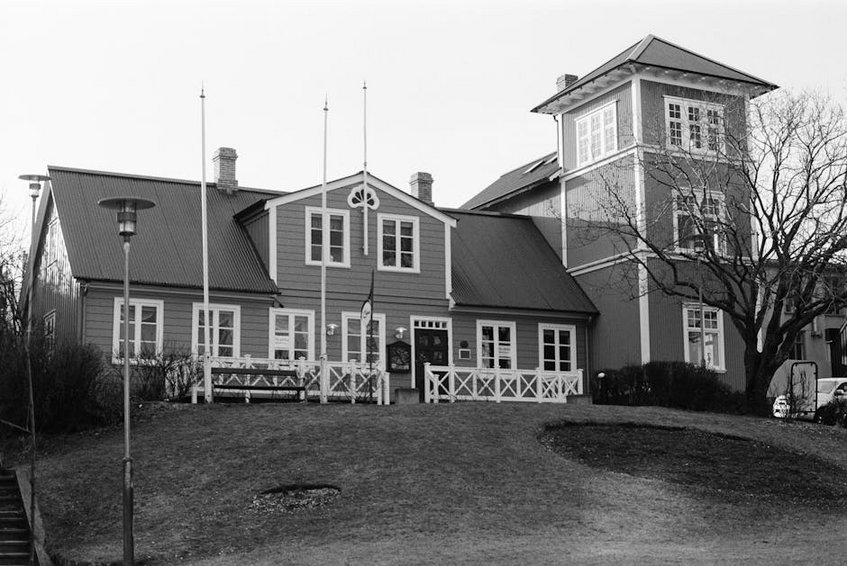
    Reykjavik Travel Guide

    Alt: “reykjavik-harbor-colorful-buildings-mountain-backdrop”

    Reykjavik Travel Guide – Planning Your Trip

    Strategic planning transforms a good Reykjavik visit into a great one. The city is walkable, but its value as a base for tours requires thoughtful scheduling. Prioritize booking popular excursions like the Golden Circle or Blue Lagoon well ahead of your arrival, especially during the summer peak season from June to August.

    Accommodation fills quickly, so reserve your hotel or guesthouse at least three months in advance for summer trips. Budget realistically; Iceland is expensive, with meals and activities costing significantly more than in most U.S. or European cities. Allocate funds for splurges like a guided Northern Lights hunt or a fresh seafood feast.

    Best Time to Visit Reykjavik

    Peak season runs from June through August, offering long days, accessible highland roads, and the warmest weather, averaging 50-59°F (10-15°C). This is ideal for hiking, whale watching, and exploring the city’s outdoor cafes and festivals. However, expect higher prices and more crowds at major attractions.

    Shoulder seasons in May and September provide a compelling balance. You’ll experience decent daylight, fewer tourists, and lower prices, while still having good access to most tours. Winter, from November to February, is best for Northern Lights viewing, Christmas markets, and cozy city exploration, despite limited daylight.

    Budget Planning and Costs

    A daily budget can vary widely based on your travel style.

    1. Budget travelers should plan for $80-$120 per day, staying in hostel dorms, cooking meals, using public buses, and focusing on free sights like hiking Mount Esja or visiting city pools.
    2. Mid-range visitors will spend $200-$350 daily, covering a private room in a guesthouse, eating one restaurant meal per day, joining a couple of guided tours, and renting a small car for a day trip.
    3. A luxury experience costs $500+ per day, featuring boutique hotel stays, fine dining at restaurants like Dill or Grillmarkaðurinn, private guided tours, and spa treatments at the Sky Lagoon.
    4. Essential Preparation Checklist

      Packing correctly is crucial for Iceland’s variable conditions. Essential items include a waterproof and windproof jacket, insulating layers like fleece or wool, sturdy waterproof hiking boots, a swimsuit for geothermal pools, and a portable power bank for long days of photography.

      Beyond gear, prepare your documents. Ensure your passport meets validity requirements, purchase comprehensive travel insurance covering medical evacuation, and download offline maps of Reykjavik and surrounding areas. Book your airport transfer (Flybus or taxi) in advance for a smooth arrival at Keflavik International Airport (KEF).

      Top Attractions and City Experiences

      Reykjavik’s charm lies in its mix of iconic landmarks and everyday Nordic life. Start at Hallgrímskirkja church, whose design mirrors basalt lava flows, and take the elevator up the tower for a panoramic city view. Then, wander through the Old Harbor area, now buzzing with excellent seafood restaurants, Viking history museums, and whale-watching tour operators.

      The city’s vibrant street art and quirky museums, like the Icelandic Phallological Museum, showcase its unique character. Dedicate time to simply explore the main shopping streets, Laugavegur and Skólavörðustígur, popping into design shops for authentic Icelandic wool sweaters, or ‘lopapeysa’.

      Must-See Highlights

      No visit is complete without experiencing the geothermal pools. The Sundhöllin pool offers a local feel downtown, while the Laugardalslaug complex includes waterslides and hot pots. For a premium spa experience, visit the oceanfront Sky Lagoon for its dramatic infinity edge and seven-step ritual.

      The Perlan museum, situated on a hilltop, features a man-made ice cave and a rotating glass dome offering stunning views. History buffs should visit the Settlement Exhibition, built around a 10th-century Viking longhouse unearthed downtown. Each site provides a different lens on Icelandic culture and resilience.

      Hidden Gems and Local Favorites

      Escape the downtown bustle at the Grótta Island Lighthouse at Seltjarnarnes peninsula. It’s a favorite local spot for a walk, birdwatching, and, in winter, potential Northern Lights viewing away from city lights. Check tide schedules, as the causeway is only accessible at low tide.

      For a truly local experience, visit the Kolaportið flea market open weekends near the harbor. You can sample traditional foods like fermented shark (hákarl) if you’re brave, browse vintage goods, and soak in the community atmosphere. Another secret is the Elliðaárdalur valley, a beautiful green space with hiking trails and waterfalls within the city limits.

      Arts and Culture Scene

      Reykjavik boasts a disproportionately large arts scene. The Harpa Concert Hall, with its mesmerizing geometric glass facade, is the heart of this culture. Attend a performance or simply wander its interiors to appreciate the architecture and views of the harbor and mountains.

      Explore the numerous small art galleries in the city center, particularly along Laugavegur. The Reykjavik Art Museum operates across three locations, each with a different focus, from modern works to Erró’s pop art collections. Check local listings for concerts, as the city’s music scene is famously vibrant.

      Practical Travel Information

      Navigating Reykjavik is straightforward with a little preparation. The city center is extremely walkable, and most key attractions, restaurants, and shops are within a 20-minute stroll. For destinations further out, like Perlan or the domestic airport, an efficient bus system called Strætó operates, though schedules can be infrequent, especially on weekends.

      Many visitors choose to rent a car for at least part of their stay to explore beyond the city limits with freedom. Rental agencies are located at Keflavik Airport and in the city. Be aware that parking in central Reykjavik requires payment via apps or meters, and winter driving demands caution and suitable vehicles.

      Getting There and Around

      All international flights arrive at Keflavik International Airport (KEF), about a 45-minute drive from Reykjavik. The most cost-effective transfer is the Flybus or Gray Line bus service, which drops you at the BSÍ terminal or major hotels. Taxis are available but are very expensive, often costing $120-$150 for the trip into the city.

      Within Reykjavik, walking is best for the city center. Purchase a Reykjavik City Card for unlimited bus travel and free entry to many pools and museums. For day trips, renting a car provides maximum flexibility. Alternatively, book guided tours that include pickup from your accommodation, which is a hassle-free way to see sights like the South Coast or Golden Circle.

      Where to Stay

      The city center (101 postcode) is the most convenient area, putting you within steps of restaurants, shops, and landmarks like Hallgrímskirkja. It’s lively but can be noisy on weekends. The Old Harbor and Grandi area offers a slightly quieter, more maritime feel with newer hotels and excellent seafood restaurants, though it’s still an easy walk to the main shopping streets.

      For a more residential vibe, consider the Laugardalur neighborhood, home to the city’s largest swimming pool and botanical gardens. It’s a short bus ride from downtown. Wherever you stay, prioritize locations with good access to a bus stop if you don’t plan to rent a car, and book very early for summer visits.

      Reykjavik Travel Guide

      Alt: “reykjavik-street-scene-colorful-houses-hallgrimskirkja-view”

      Food, Culture, and Local Experience

      Icelandic cuisine has evolved from pure necessity to a celebrated aspect of Nordic culture, focusing on fresh, local ingredients. The culinary scene in the capital is innovative, with chefs transforming traditional elements like lamb, fish, and skyr into modern dishes. Dining out is a social event, with meals often stretching over several hours.

      Beyond food, Icelandic culture is deeply rooted in storytelling, equality, and a profound respect for nature. You’ll sense a relaxed, trusting atmosphere with low crime rates. Engaging with locals often reveals a dry sense of humor and direct communication style, which visitors should appreciate as honesty, not rudeness.

      Local Cuisine and Must-Try Dishes

      Start with the classics: Icelandic lamb soup (kjötsúpa), a hearty and flavorful stew, or fresh cod and Atlantic salmon, often simply grilled. For a unique taste, try rye bread ice cream or a hot dog with ‘the works’ from the famous Bæjarins Beztu Pylsur stand, a beloved institution.

      For a memorable meal, book a table at restaurants like Fiskfélagið for seafood or Matarkjallarinn for a fine-dining experience in a historic cellar. Expect to pay $40-$70 per person for a main course at a nice restaurant. Many places offer a more affordable lunch menu featuring the same high-quality dishes.

      Cultural Tips and Etiquette

      Icelanders value punctuality, so be on time for tours and reservations. When visiting someone’s home, it’s customary to remove your shoes at the door. Tipping is not expected, but rounding up the bill or leaving a small amount for exceptional service is appreciated, though never obligatory.

      Respect the fragile natural environment by staying on marked paths when hiking and never walking on moss. The community is small and interconnected; people are generally friendly and helpful if approached. Learning a few basic Icelandic phrases like “takk” (thank you) and “bless” (goodbye) is a polite gesture.

      Nightlife and Social Scene

      Reykjavik’s nightlife is legendary, famously starting late and lasting until the early hours, especially on weekends. The action centers on Laugavegur and its side streets, with bars filling up around midnight and clubs getting busy after 1 AM. There’s no formal cover charge at most places, but drinks are expensive.

      The vibe is generally inclusive and safe. A popular local tradition is the “rúntur,” or bar crawl. Many places host live music, from folk to punk, reflecting the country’s rich musical output. Remember that alcohol is only sold in government-run Vínbúðin stores, not in supermarkets or regular shops.

      Sources and References

      • Visit Reykjavik Official Tourism Site
      • Inspired by Iceland Travel Authority
      • Frequently Asked Questions

        When is the best time to visit Reykjavik for the Northern Lights?

        Visit between late September and mid-March for the best chance to see the Aurora Borealis, as these months provide the necessary darkness. You need clear, dark skies, so plan for a minimum 3-night stay to increase your odds. Solar activity and cloud cover are the biggest factors, not just cold temperatures.

        How much does a trip to Reykjavik cost?

        A moderate 5-day trip to Reykjavik costs around $1,200-$2,000 per person excluding flights. This covers a mid-range hotel at $200/night, daily food at $80, two guided tours at $150 each, and local transportation. Budget travelers can manage on $80/day, while luxury travelers can easily exceed $500 daily.

        How many days do you need for Reykjavik?

        Plan 2 full days to see Reykjavik’s core attractions and experience its culture. This allows time for a museum, a swim, a city walk, and a nice meal. If using the city as a base for day trips to the Golden Circle or South Coast, add 3-4 more days to your itinerary for a comprehensive Icelandic experience.

        How do you get to Reykjavik from the USA?

        Fly into Keflavik International Airport (KEF) from major U.S. hubs like New York (JFK, EWR), Boston (BOS), Seattle (SEA), or via a European connection. Direct flights take 5-6 hours from the East Coast. From KEF, take a 45-minute Flybus shuttle ($30) or a taxi ($120+) for the transfer to Reykjavik city center.

        Where should you stay in Reykjavik for a first visit?

        Stay in the 101 downtown postcode for your first visit. This central area places you within walking distance of Hallgrímskirkja, Harpa, Laugavegur shopping street, and many top restaurants. Neighborhoods like Midborg or around the Old Harbor offer the best mix of convenience, dining options, and access to tour pickup points.

        Is Reykjavik safe for travelers?

        Yes, Reykjavik is exceptionally safe for travelers, consistently ranking as one of the world’s safest cities. Violent crime is very rare. Standard urban precautions apply, like watching your belongings in crowded places. The main risks are related to nature and weather, such as sudden storms or slippery paths near water.

        Do you need special clothing for Reykjavik?

        Yes, you need layered, waterproof clothing regardless of season. Essential items include a waterproof outer shell, insulating mid-layers like fleece or wool, a warm hat and gloves, and sturdy, waterproof footwear. The weather is highly changeable, and being prepared for wind, rain, and cool temperatures is crucial for comfort.

        Final Insights for Your City Adventure

        Reykjavik successfully combines small-town charm with cosmopolitan energy against a backdrop of stunning natural forces. Your experience hinges on embracing the local rhythm, whether that means soaking in a public pool at noon or starting dinner at 8 PM. Practical preparation, especially regarding budget and weather-appropriate gear, forms the foundation of a smooth trip.

        Use this Reykjavik travel guide to prioritize the experiences that align with your interests, from geothermal wellness to Viking history or contemporary design. Booking key tours and accommodations early secures better prices and availability, particularly for summer expeditions or winter Aurora hunts. The city’s compact size invites leisurely exploration, so leave room in your schedule for unexpected discoveries.

        Will your itinerary focus more on the urban cultural highlights or using the capital as a gateway to Iceland’s raw landscapes? Both approaches promise a memorable connection to this unique island nation.

        Related Stories

        spot_img

        Discover

        Krakow Travel Guide: 7 Complete Tips

        Krakow Travel Guide: Discover Poland's Historic Royal Capital Exploring Krakow offers a direct encounter with...

        Warsaw Travel Guide: 7 Ultimate Tips

        Warsaw Travel Guide: Discover Poland's Resilient Capital This Warsaw travel guide introduces you to a...

        Perfect Dublin Travel Guide 5 Tips

        Dublin Travel Guide: Explore Ireland's Historic Capital Dublin welcomes visitors with a unique blend of...

        Perfect Edinburgh Travel Guide Adventure 10 Tips

        Edinburgh Travel Guide: Discover Scotland's Historic Capital This Edinburgh travel guide offers everything you need...

        Essential Helsinki Travel Guide Journey 3 Tips

        Helsinki Travel Guide: Discover the Cool Capital of the North Finland's seaside capital, Helsinki, masterfully...

        Oslo Travel Guide: 7 Essential Tips

        Oslo Travel Guide: Your Essential Handbook to Norway's Capital This Oslo travel guide provides the...

        Popular Categories

        Comments

        LEAVE A REPLY

        Please enter your comment!
        Please enter your name here

      Accommodation Type Best For & Features Price Range/Night (USD)
      Hostel/Guesthouse Budget travelers & solos; shared kitchen, social atmosphere $40 – $90
      Mid-Range Hotel Couples & small families; private bath, breakfast included, central location $150 – $300
      Boutique Hotel/Apartment Design lovers & longer stays; unique decor, kitchenette, premium amenities $250 – $450
      Luxury Hotel Splurge & special occasions; spa, fine dining, panoramic views, concierge $400+