Oslo Travel Guide: Your Essential Handbook to Norway’s Capital
This Oslo travel guide provides the foundational knowledge you need to navigate Norway’s dynamic capital with confidence. The city masterfully blends cutting-edge architecture and world-class museums with vast, accessible natural spaces, all within an efficient and walkable urban core. From planning your museum itinerary to budgeting for Nordic prices, we’ll cover the essential logistics, cultural insights, and hidden local spots to craft a seamless and deeply rewarding Scandinavian adventure.
Essential Information About Norway’s Capital
Oslo, the capital of Norway, is situated at the head of the Oslofjord, surrounded by forested hills and islands. Founded around 1040 by King Harald Hardråde, the city has evolved from a Viking trading post into a modern hub of culture, design, and sustainability. With a population of just over 700,000, it maintains a manageable scale while offering metropolitan amenities.
The city operates on the Norwegian Krone (NOK), though credit cards are widely accepted virtually everywhere. English proficiency is exceptionally high, making communication effortless for international visitors. Oslo is also proudly one of the world’s greenest capitals, with an ambitious goal to become nearly carbon-neutral, which shapes its excellent public transportation and focus on outdoor life.
Key Facts and Figures
Before you visit, these core details will help with your planning.
- Currency: Norwegian Krone (NOK). As of late 2023, 1 USD is approximately 10-11 NOK. Always check current rates before your trip for accurate budgeting.
- Language: Norwegian (Bokmål and Nynorsk). English is fluently spoken by nearly all service workers and residents, so language barriers are minimal.
- Time Zone: Central European Time (CET, UTC+1). It switches to Central European Summer Time (CEST, UTC+2) from late March to late October.
- Budget Traveler ($80-120/day): Stay in hostels like Anker Hostel, use the Oslo Pass for transport and museums, enjoy grocery store meals (matpakke), and focus on free activities like hiking in Nordmarka or visiting the Vigeland Sculpture Park.
- Mid-Range Traveler ($150-250/day): Book a central hotel like Comfort Hotel Xpress or Thon, dine at casual restaurants (kafés) for one meal daily, use public transport freely, and visit 2-3 paid attractions with pre-booked tickets.
- Luxury Traveler ($350+/day): Stay at waterfront hotels like The Thief or Sommerro, enjoy fine dining at Michelin-starred Maaemo or Kontrast, take private guided tours, and perhaps a premium fjord sailing excursion from Aker Brygge.
- Official Oslo Visitor Board
- Ruter Public Transport Information
Understanding the Vibe and Layout
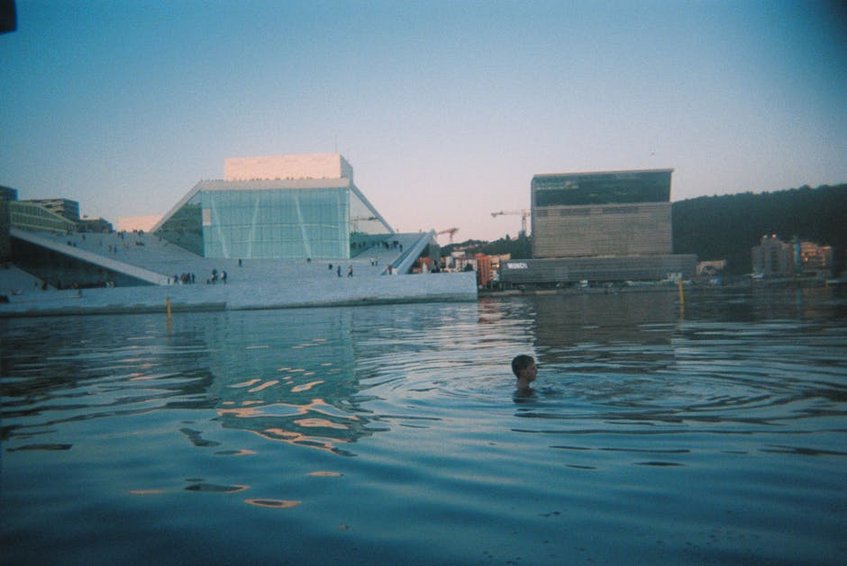
Oslo’s layout is defined by water and greenery. The city center is compact, centered around Karl Johans gate, the main street connecting the Royal Palace to Central Station. The innovative waterfront area, Bjørvika, is home to the iconic Opera House and the new Munch Museum.
Across the harbor, the Bygdøy peninsula hosts several major museums. Vast forested areas, known as Marka, border the city, offering hiking and skiing within minutes via public transit. This unique balance defines the local lifestyle, where a tram ride can take you from an urban café to a wilderness trailhead in under 30 minutes.
Visa and Entry Requirements
Norway is part of the Schengen Area. U.S., Canadian, UK, and Australian passport holders can visit for up to 90 days within a 180-day period for tourism without a visa. Your passport must be valid for at least three months beyond your planned departure date from the Schengen Area. Always verify the latest entry rules with official government sources before booking your travel.
Alt: “oslo-opera-house-waterfront-modern-architecture-walking”
Oslo Travel Guide – Planning Your Trip
Strategic planning is key to enjoying this city without breaking the bank. A successful visit balances advance bookings for major attractions with ample time for spontaneous exploration of parks and neighborhoods. Consider purchasing the Oslo Pass for significant savings on entry fees and public transport, especially if you plan to visit multiple museums in a short time.
Accommodation is often the biggest expense. Prices fluctuate dramatically, with significant peaks during summer (June-August) and major holidays. Booking your hotel or apartment three to four months in advance can secure better rates and more desirable locations. Shoulder seasons like May and September offer a fantastic compromise with milder weather and fewer crowds.
Best Time to Visit Oslo
The ideal time for a classic sightseeing visit is between late May and early September. During these months, you’ll experience the famous Midnight Sun phenomenon by late June, with up to 19 hours of daylight and pleasant temperatures averaging 59-68°F (15-20°C). This is perfect for fjord cruises, hiking, and enjoying outdoor cafes.
For winter enthusiasts, December through February offers a true Nordic winter. Days are short but magical, with opportunities for cross-country skiing in the city forests and festive Christmas markets. Temperatures often hover around 23-32°F (-5 to 0°C). The shoulder months of April/May and September/October bring fewer tourists, dynamic weather, and lower prices, ideal for city culture without the peak-season bustle.
Budget Planning and Costs
Oslo is expensive, but smart planning makes it manageable. Here’s a tiered budget breakdown.
Essential Preparation Checklist
Pack for changeable weather regardless of season. Essentials include a waterproof and windproof jacket, comfortable walking shoes, layers (thermal base, fleece, sweater), and a reusable water bottle. Norway’s tap water is excellent. For winter, add insulated boots, gloves, a warm hat, and thermal underwear.
Ensure you have a valid passport and consider purchasing comprehensive travel insurance that covers medical emergencies. Download the RuterBillett app for seamless public transport tickets. Also, book popular attractions like the Fram Museum or a table at in-demand restaurants at least a week or two in advance, especially for summer visits.
Top Attractions and Cultural Must-Sees
The city’s attractions tell the story of Norway, from seafaring Viking explorers to groundbreaking modern artists. Concentrate your museum visits in two main clusters: the Bygdøy peninsula and the Bjørvika waterfront district. This geographical grouping saves time and makes for a logical, enjoyable itinerary. Remember that many museums are closed on Mondays, so plan your week accordingly.
Beyond the renowned institutions, the city’s true charm lies in its public spaces and integration with nature. Allocate time to simply wander along the Akerselva River, explore the trendy Grünerløkka district, or take a ferry to one of the islands in the Oslofjord. These experiences provide a more authentic feel for local life.
Must-See Highlights
The Viking Ship Museum is currently closed for renovation until 2026/2027. However, many of its artifacts are displayed at the Museum of Cultural History. The Fram Museum on Bygdøy is an incredible alternative, housing the world’s strongest wooden polar exploration ship. You can walk its decks and experience interactive exhibits on Arctic exploration.
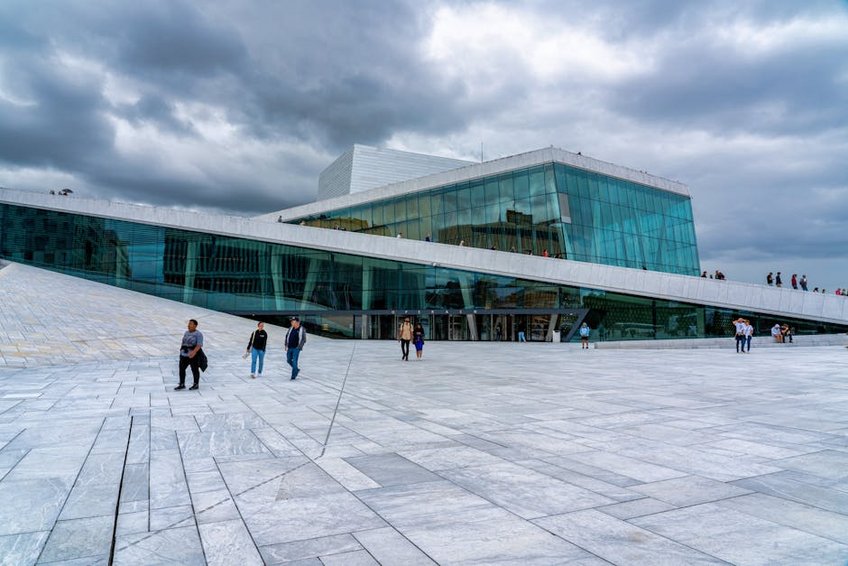
The Oslo Opera House, a sloping marble masterpiece, is designed for you to walk on its roof. It offers panoramic views of the fjord and city. Nearby, the angular Munch Museum holds over 26,000 works by Edvard Munch, including several versions of his seminal work, “The Scream.” Pre-booking your timed entry slot online is highly recommended to avoid queues.
Hidden Gems and Local Favorites
Escape the downtown bustle at the Ekebergparken Sculpture Park. This forested hillside park combines contemporary art installations with stunning fjord viewpoints and historical relics. It’s easily reached by tram from Jernbanetorget. For a unique perspective, join a guided kayak tour through the narrow inlets of the inner Oslofjord, often starting from the seaside neighborhood of Sørenga.
Visit the Mathallen Food Hall in Vulkan. This indoor market features over 30 specialty shops, cafes, and eateries offering everything from traditional Norwegian brunost (brown cheese) to international street food. It’s a perfect spot for lunch or to assemble a picnic. For a deep dive into Norwegian design, the small but exquisite Norway’s National Museum of Architecture is a quiet gem near the Aker Brygge wharf.
Exploring the Great Outdoors
Oslo is arguably Europe’s best city for immediate outdoor access. The Marka forests offer over 1,700 miles of marked trails. Take Metro Line 1 (Frognerseteren direction) to Holmenkollen station. From there, you can visit the iconic Holmenkollen Ski Jump and museum, then hike into the woods to pristine lakes like Sognsvann.
In winter, these same trails become cross-country ski tracks, many lit for evening use. You can rent skis from shops near major trailheads. For a quicker dose of green, the Vigeland Sculpture Park within Frogner Park is free, open 24/7, and features over 200 bronze and granite sculptures by Gustav Vigeland, making it one of the world’s most unique sculpture installations.
Practical Travel Information and Logistics
Navigating Oslo is straightforward thanks to its integrated and reliable public transportation system, operated by Ruter. The system includes buses, trams, metro (T-bane), trains, and ferries, all using the same ticketing scheme. A single zone ticket, valid for 60 minutes with unlimited transfers, costs around 40 NOK ($3.80). The RuterBillett app is the most convenient way to purchase tickets.
For most visitors staying a few days and visiting museums, the Oslo Pass is a superb value. It includes free entry to over 30 attractions, free travel on all public transport within zones 1 and 2, and discounts on tours and restaurants. Calculate your planned itinerary to see if the 24, 48, or 72-hour pass makes financial sense for your trip.
| Category | Options/Features | Price Range (USD) |
|---|---|---|
| Budget Accommodation | Hostels & budget hotels (Anker Hostel, Citybox), shared facilities, central locations | $80 – $130/night |
| Mid-Range Hotels | Comfort Hotel Xpress, Thon Hotels, includes breakfast, central or near transit | $150 – $250/night |
| Luxury Hotels | The Thief, Sommerro, Grand Hotel, premium locations, spa, fine dining | $300 – $600+/night |
| Local Apartment Rental | Airbnb/VRBO in neighborhoods like Grünerløkka or Frogner, kitchen access | $120 – $250/night |